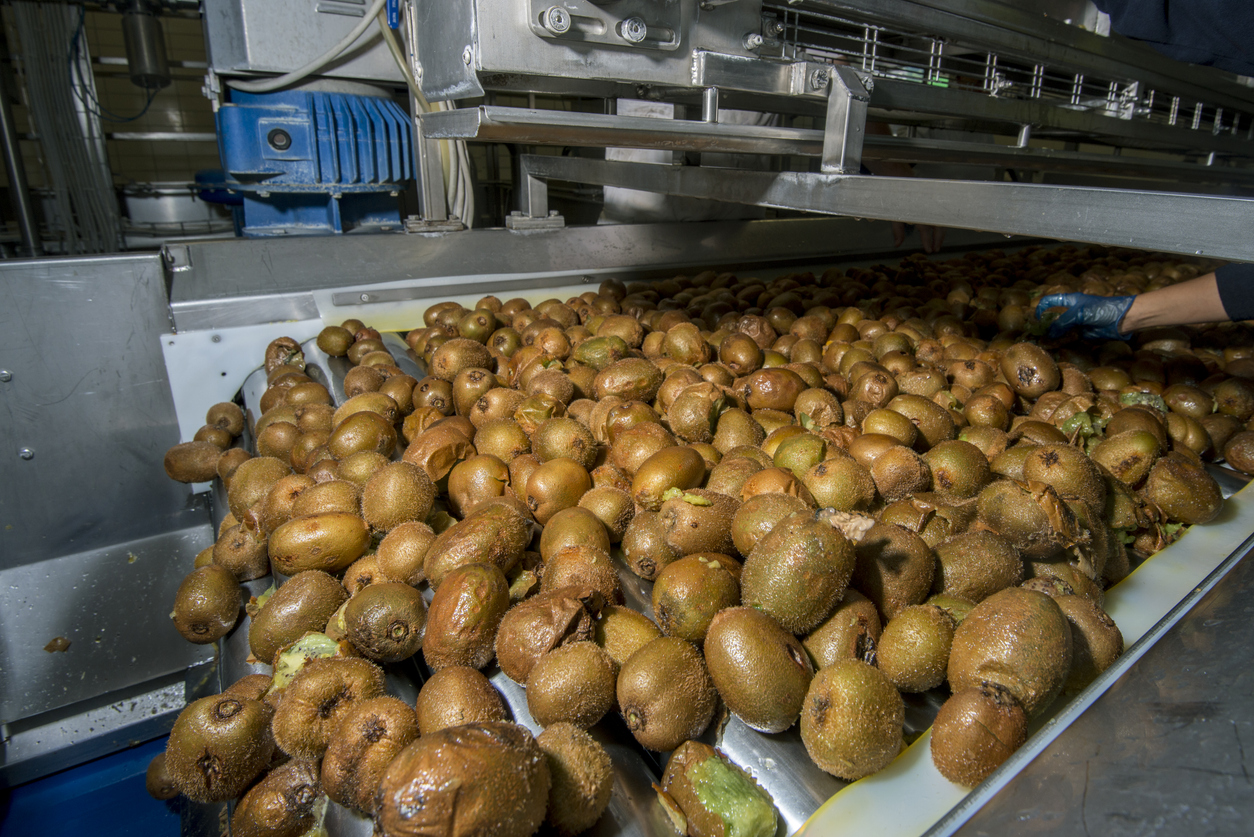
The food processing industry generates a large amount of waste, which is a great environmental concern. From production, postharvest handling, processing, distribution, and consumption, a large percentage of the edible part of food is wasted globally (1). Therefore, there is a need for innovative strategies that not only minimize waste but also repurpose it into value-added products to be developed. The food industry is harnessing various sustainable practices to reduce waste and refurbish it for new and innovative uses (2).
The zero-waste concept involves managing processes and products to ensure that all production outputs are reused rather than discarded (3). Zero-waste can be achieved by introducing microorganisms into food production processes. It is a promising solution that utilizes microorganisms such as bacteria, fungi, and algae that have long been employed for their preservation and fermentation prowess (4). However, they can also be used to meet the food processing sustainability objectives as their potential extends beyond these uses. This article explores the zero-waste system in food processing and microorganisms' role in achieving zero-waste in food processing.
Understanding Zero-Waste in Food Processing
Zero-waste is a system that reuses, recycles, or composts all materials and resources used in production. Essentially, it is the responsible conservation of resources by responsible production, consumption, reuse, and recovery of all products, packaging, and materials without burning them or discharging them to land, water, or air that threaten the environment or human health (5). This entails reducing waste products and by-products while minimizing water usage and energy consumption (6).
With the rate at which food is wasted globally, shifting completely to zero waste is more pertinent now than ever to address the issue of food security and environmental sustainability (6). In achieving zero waste objectives, microorganisms will go beyond waste reduction and enhance the development of valuable materials that would otherwise be discarded (7). The food processing industry can reduce waste, transform waste, reduce environmental threats, and contribute to a circular economy by harnessing the natural capabilities of these microorganisms.
Role of Microorganisms in Achieving Zero-Waste in Food Processing (Figure 1)

Figure 1: How microorganisms achieve Zero-waste in Food Processing
Biotransformation of Waste into Valuable Products
Wastes can be transformed into valuable products in a process called biotransformation. The process of biotransformation uses microorganisms to convert waste into valuable products. It allows food processors to turn food waste, such as fruit peels, seeds, pulp, vegetables, and even discarded fish or meat parts, into new food ingredients, biofuels, or nutraceuticals (8). For example, some species of fungi, such as Aspergillus niger and Trichoderma reesei, can break down agricultural wastes into fermentable sugars, which can then be used to produce bioethanol, bioplastics, or other biochemical (9). Yeasts such as Saccharomyces cerevisiae can also convert fruits and vegetable scraps that would otherwise be discarded into alcohol, vinegar, or other fermentation products (10). Microorganisms can also convert food waste into protein-rich products that can be used as animal feed ingredients (11).
Microbial Fermentation for Waste Valorization
The value of low-quality food waste can be improved through microbial fermentation. It uses specific strains of microorganisms to transform waste by-products into safe and valuable ones (12). For example, fruit and vegetable peels that are typically discarded as waste can be fermented to create flavorsome sauces, vinegar, or probiotic-rich beverages. Similarly, dairy product whey is no longer regarded as a waste product as it has been used to produce protein powders. They have also been used to produce bioactive compounds with antioxidant and anti-inflammatory properties (13). Research has also shown that Lactobacillus species can be used to produce probiotics foods by fermenting fruits and vegetable scraps. This process retains valuable nutrients, introducing beneficial microbes into the diet while reducing the impact of generated waste in food processing (14).
Microbial Enzymes for Waste Reduction
Microorganisms can also help to reduce waste at different stages of the food chain through the production of enzymes. Enzymes are proteins that speed up biochemical reactions. Enzymes produced by microorganisms can be used to break down complex substances like proteins, starches and fats into simpler and digestible compounds (15). For example, plant materials like stems or husks can be broken down into more useful forms using enzymes produced by microorganisms. They can also be used in the brewing industry to convert grain husks into valuable extracts and bioethanol.
Microbial fermentation is likewise used in the dairy industry to convert leftover waste like whey into a high-value product (16). Similarly, food processors can use enzymes to convert waste from fruits and vegetables into value-added products like juices, jams, or natural sweeteners. In addition, microbial enzymes can be applied in waste treatment systems to break down organic waste in wastewater (17). This is particularly valuable for food processing plants that generate large volumes of liquid waste, which can be converted into biogas or treated for reuse (18).
Sustainable Packaging with Microorganisms
Microorganisms also play a significant role in developing sustainable packaging materials. They can produce biodegradable packaging materials from microbial polymers, such as polyhydroxyalkanoates (PHA). It is a biopolymer produced by bacteria that have low permeability to water and oxygen, which can help to prevent moisture and spoilage in food (19). Fungi and certain bacteria can also be used to make packaging materials; for example, mycelium, the root structure of mushrooms, can be cultivated to create durable, eco-friendly packaging materials (20). Using microbial packaging materials in food processing can help reduce plastic waste by replacing conventional petroleum-based plastics. These materials are not only compostable but can be produced with minimal energy and resource inputs.
Conclusion
Microorganisms play a significant role in achieving zero waste as they can transform food scraps into valuable products. Their ability to convert waste into valuable products, reduce environmental threats, and optimize resources highlights their importance in advancing sustainable food systems. By leveraging biotransformation, fermentation, enzyme production, and the development of biodegradable materials, microorganisms contribute significantly to the circular economy, where waste is not discarded but repurposed into valuable outputs.
As global challenges like food security, climate change, and plastic pollution intensify, integrating microbial technologies into food processing becomes more crucial. Innovations in microbial applications reduce waste and open pathways for economic growth by creating new industries and products.
Ongoing research and investment in microbial technology will be essential to scaling up these sustainable solutions. Collaboration between industry, academia, and policymakers is vital to ensure that these innovative practices become mainstream. With microorganisms as allies, the food industry can transition from a linear model to a regenerative, zero-waste system, fostering a healthier planet and a more resilient food system for future generations.
References
- Lahiri, A., Daniel, S., Kanthapazham, R., Vanaraj, R., Thambidurai, A., & Peter, L. S. (2023). A critical review on food waste management for the production of materials and biofuel. Journal of Hazardous Materials Advances, 10, 100266. A critical review on food waste management for the production of materials and biofuel
- Hajam, Y. A., Kumar, R., & Kumar, A. (2023). Environmental waste management strategies and vermi transformation for sustainable development. Environmental Challenges, 13, 100747. Environmental waste management strategies and vermi transformation for sustainable development
- Abubakar, I. R., Maniruzzaman, K. M., Dano, U. L., AlShihri, F. S., AlShammari, M. S., Ahmed, S. M. S., Al-Gehlani, W. A. G., & Alrawaf, T. I. (2022). Environmental Sustainability Impacts of Solid Waste Management Practices in the Global South. International Journal of Environmental Research and Public Health, 19(19), 12717. Environmental Sustainability Impacts of Solid Waste Management Practices in the Global South
- Qumsani, A. T. (2024). The contribution of microorganisms to sustainable development: towards a green future through synthetic biology and systems biology. Journal of Umm Al-Qura University for Applied Sciences, 0123456789. The contribution of microorganisms to sustainable development: towards a green future through synthetic biology and systems biology | Journal of Umm Al-Qura University for Applied Sciences
- Hansson, S. O., & Tingvall, C. (2023). The Vision Zero Handbook. In The Vision Zero Handbook. The Vision Zero Handbook: Theory, Technology and Management for a Zero Casualty Policy
- Socas-Rodríguez, B., Álvarez-Rivera, G., Valdés, A., Ibáñez, E., & Cifuentes, A. (2021). Food by-products and food wastes: are they safe enough for their valorization? Trends in Food Science & Technology, 114, 133–147. Food by-products and food wastes: are they safe enough for their valorization?
- Sayara, T., Basheer-Salimia, R., Hawamde, F., & Sánchez, A. (2020). Recycling of organic wastes through composting: Process performance and compost application in agriculture. Agronomy, 10(11). Recycling of Organic Wastes through Composting: Process Performance and Compost Application in Agriculture
- Pinela, J., & Añibarro-ortega, M. (2024). Food Waste Biotransformation into Food Ingredients : A Brief. Foods.
- Yafetto, L., Odamtten, G. T., & Wiafe-Kwagyan, M. (2023). Valorization of agro-industrial wastes into animal feed through microbial fermentation: A review of the global and Ghanaian case. Heliyon, 9(4), e14814. Valorization of agro-industrial wastes into animal feed through microbial fermentation: A review of the global and Ghanaian case
- Maicas, S. (2020). The role of yeasts in fermentation processes. Microorganisms, 8(8), 1–8. The Role of Yeasts in Fermentation Processes
- Bratosin, B. C., Darjan, S., & Vodnar, D. C. (2021). Single cell protein: A potential substitute in human and animal nutrition. Sustainability (Switzerland), 13(16), 1–24. Single Cell Protein: A Potential Substitute in Human and Animal Nutrition
- Faria, D. J., Carvalho, A. P. A. de, & Conte-Junior, C. A. (2023). Valorization of Fermented Food Wastes and Byproducts: Bioactive and Valuable Compounds, Bioproduct Synthesis, and Applications. Fermentation, 9(10). Valorization of Fermented Food Wastes and Byproducts: Bioactive and Valuable Compounds, Bioproduct Synthesis, and Applications
- Hussain, I., Aleti, G., Naidu, R., Puschenreiter, M., Mahmood, Q., Rahman, M. M., Wang, F., Shaheen, S., Syed, J. H., & Reichenauer, T. G. (2018). Microbe and plant assisted-remediation of organic xenobiotics and its enhancement by genetically modified organisms and recombinant technology: A review. Science of The Total Environment, 628–629, 1582–1599. Microbe and plant assisted-remediation of organic xenobiotics and its enhancement by genetically modified organisms and recombinant technology: A review
- Yuan, X., Wang, T., Sun, L., Qiao, Z., Pan, H., Zhong, Y., & Zhuang, Y. (2024). Recent advances of fermented fruits: A review on strains, fermentation strategies, and functional activities. Food Chemistry: X, 22, 101482. Recent advances of fermented fruits: A review on strains, fermentation strategies, and functional activities
- Kumar, A., Dhiman, S., Krishan, B., Samtiya, M., Kumari, A., Pathak, N., Kumari, A., Aluko, R. E., & Dhewa, T. (2024). Microbial enzymes and major applications in the food industry: a concise review. Food Production, Processing and Nutrition, 6(1), 1–16. https://doi.org/10.1186/S43014-024-00261-5/TABLES/2
- Al-maqtari, Q. A., & Mahdi, A. A. (2019). Microbial enzymes produced by fermentation and their applications in the food industry - A review. 8(August), 62–82.
- Ali, A., Riaz, S., Sameen, A., Naumovski, N., Iqbal, M. W., Rehman, A., Mehany, T., Zeng, X. A., & Manzoor, M. F. (2022). The Disposition of Bioactive Compounds from Fruit Waste, Their Extraction, and Analysis Using Novel Technologies: A Review. Processes, 10(10). The Disposition of Bioactive Compounds from Fruit Waste, Their Extraction, and Analysis Using Novel Technologies: A Review
- Janeeshma, E., Habeeb, H., Sinha, S., Arora, P., Chattaraj, S., Das Mohapatra, P. K., Panneerselvam, P., & Mitra, D. (2024). Enzymes-mediated solid waste management: A sustainable practice for recycling. Waste Management Bulletin, 1(4), 104–113. Enzymes-mediated solid waste management: A sustainable practice for recycling
- 19.Zhou, W., Bergsma, S., Colpa, D. I., Euverink, G. J. W., & Krooneman, J. (2023). Polyhydroxyalkanoates (PHAs) synthesis and degradation by microbes and applications towards a circular economy. Journal of Environmental Management, 341, 118033. Polyhydroxyalkanoates (PHAs) synthesis and degradation by microbes and applications towards a circular economy
- Pohan, J. N., Kusumawati, Y. A., & Radhitanti, A. (2023). Mushroom Mycelium-Based Biodegradable Packaging Material: A Promising Sustainable Solution for Food Industry. E3S Web of Conferences, 426. Mushroom Mycelium-Based Biodegradable Packaging Material: A Promising Sustainable Solution for Food Industry