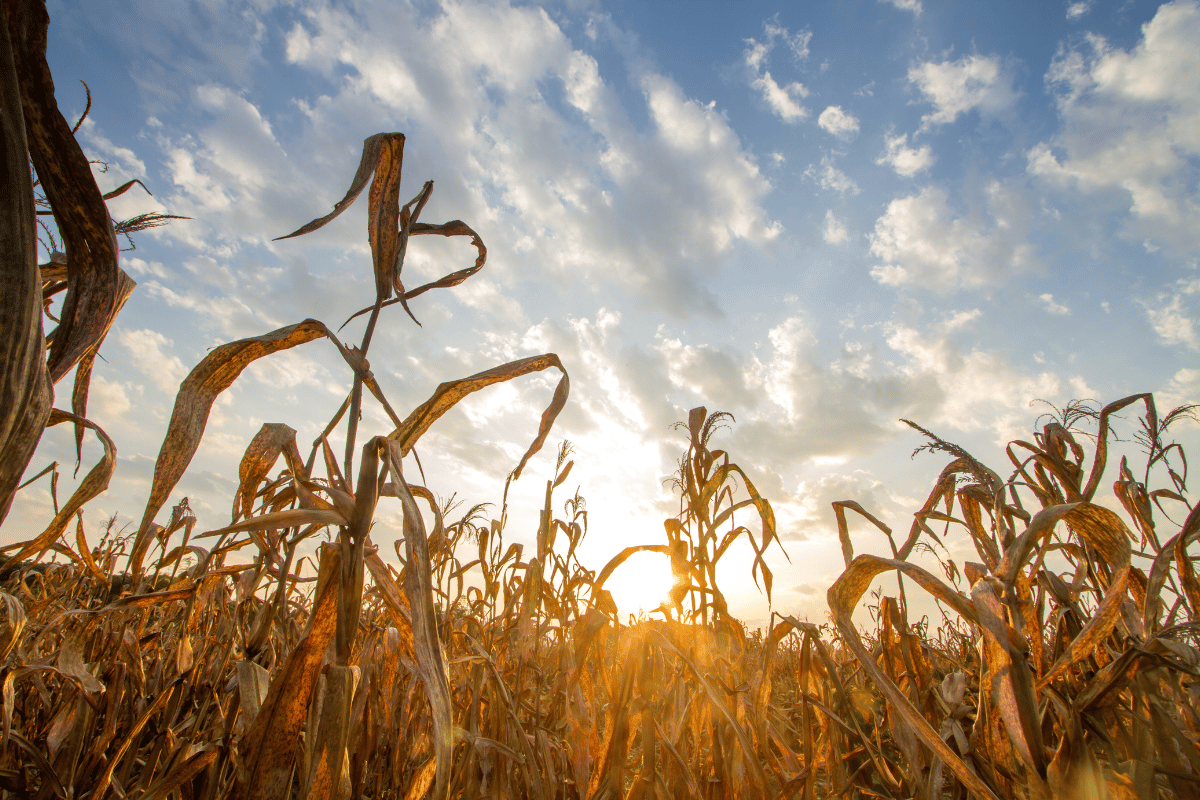
Climate change is already affecting farming systems around the world, making food production less predictable and more difficult to manage. Many farmers are experiencing changes in rainfall patterns, rising temperatures, and more frequent extreme weather events (Figure 1), all of which can affect both crop yields and food safety. Climate change is no longer a future concern. It is a present challenge that requires immediate attention.
Natural factors influence the climate, but human activities such as industrialisation, deforestation, land-use change, pollution, and urbanisation are now the main drivers of recent changes. These activities have increased the concentration of greenhouse gases, including carbon dioxide (CO₂), accelerating global warming (Wijerathna-Yapa and Pathirana, 2022).
Farmers are facing more frequent floods, heatwaves, and the spread of pests and diseases. These changes affect farm productivity and at the same time increase the risk of food contamination and spoilage. Without proper management, these risks are expected to grow by 2030, with serious consequences for food safety, market access, and public health. This article explains how climate change is affecting food safety on farms and outlines practical steps farmers can take to protect their crops, livestock, and food supply.
..png)
Figure 1, climate change effects on farms (flood, drought, heatwave).
Why does climate change increase food safety risk
Climate change is making food safety more difficult to manage, particularly in areas such as sanitation, handling, and storage. Rising temperatures, changing rainfall patterns, and more frequent extreme weather events create conditions that favour the growth of harmful bacteria, fungi, and viruses. This increases the risk of livestock-related and foodborne diseases, as well as crop spoilage. Over time, changes in temperature, rainfall, humidity, and the frequency of extreme weather events can also affect farming practices and reduce agricultural productivity in many regions (Kos et al., 2023).
These challenges extend beyond the farm and affect the entire food supply chain, from production and harvesting through to storage, transport, and consumption. Higher temperatures can shorten the shelf life of perishable foods, while limited access to reliable cold storage and electricity, especially in low- and middle-income regions, can increase post-harvest losses. Warmer and more humid conditions also promote the growth of fungi that produce mycotoxins in crops such as maize and groundnuts, posing serious risks to food safety and human health (Godde et al., 2021).
Extreme weather events such as floods, droughts, and storms further increase these risks. Flooding can introduce pathogens from soil, sewage, and animal waste into farmland and storage areas, increasing the likelihood of contamination and foodborne disease outbreaks. Drought reduces access to clean water, making it harder to maintain proper hygiene during food production and handling (Duchenne-Moutien and Neetoo, 2021) (Figure 2).
These combined effects highlight the close link between climate change, farming practices, and public health. Addressing these risks requires practical and coordinated efforts to improve food safety under changing environmental conditions.
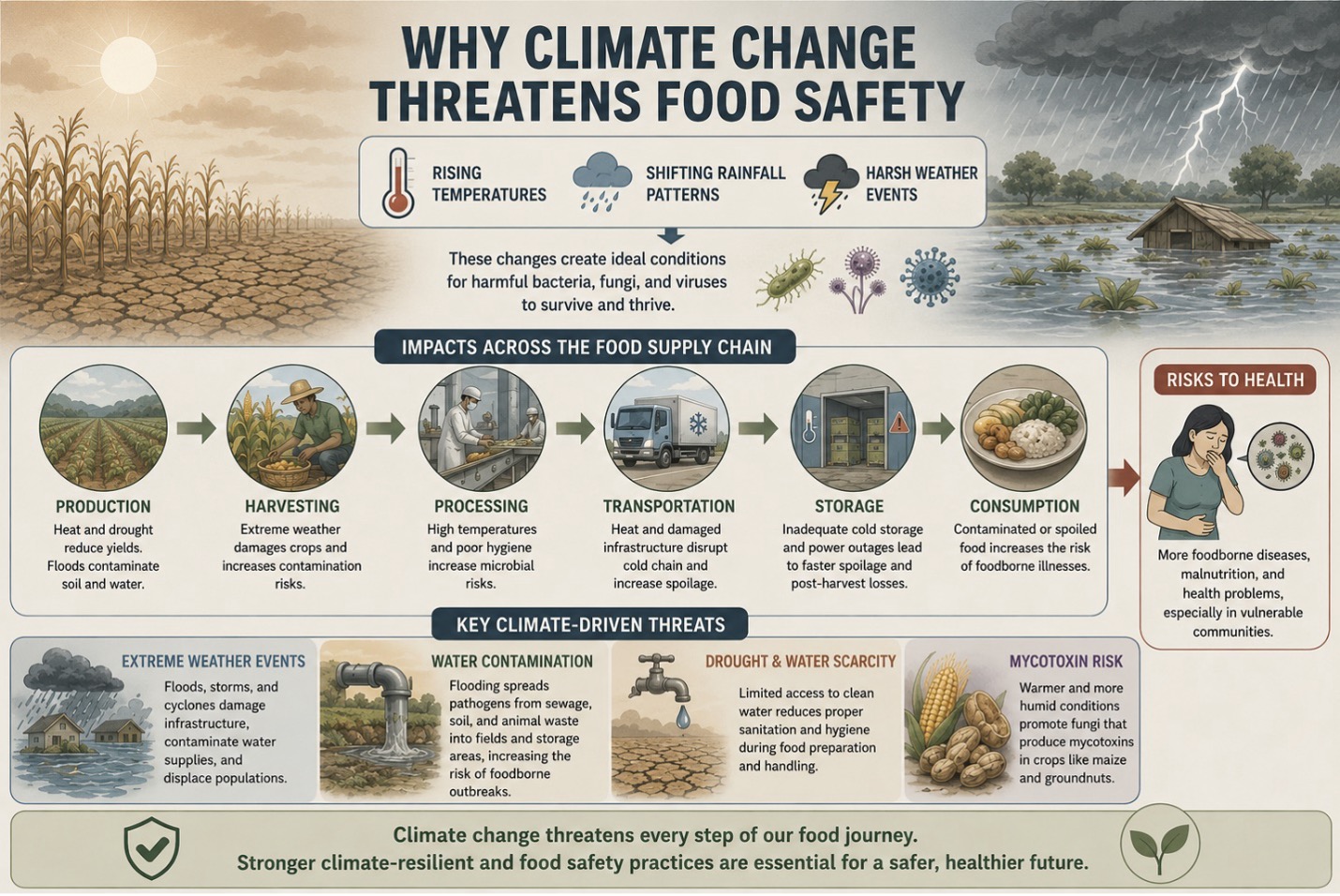
Figure 2, impacts of climate change on the food supply chain.
Climate-driven risks to watch
Extreme weather and contamination
Extreme weather events such as floods, droughts, and heatwaves can directly affect food safety on farms. Heavy rainfall and flooding can carry bacteria and other harmful microorganisms from animal waste, sewage, or industrial areas into fields, contaminating crops and water sources.
Drought conditions can reduce water availability and lead to the use of lower-quality or contaminated water, increasing the risk of chemical residues in food. Heatwaves also accelerate food spoilage and promote the rapid growth of harmful bacteria such as Listeria and Salmonella. Climate change can influence how diseases grow, spread, and survive in the environment, affecting food safety and public health in different ways (Misiou and Koutsoumanis, 2022).
Emerging pathogens and pests
Rising temperatures are allowing pests and diseases to spread into areas where they were previously absent. Warmer conditions enable insects, bacteria, and other microorganisms to survive longer and reproduce more quickly.
This increases the risk of new and emerging diseases, including zoonotic diseases that can spread from animals to humans. These changes highlight the strong link between human, animal, and environmental health, and the need for farmers to stay alert to new risks (Hassan et al., 2024).
Soil and water safety
Healthy soil and clean water are essential for safe food production, and climate change is putting both at risk. Flooding can wash contaminants, including chemicals and pathogens, into farmland, while drought reduces water availability and may force farmers to rely on lower-quality water sources.
Heavy rainfall can also introduce pollutants such as heavy metals into soil and water systems. In aquatic environments, factors such as increased salinity and warming waters can lead to higher levels of contaminants in fish. These changes increase the risk of harmful substances entering the food chain (Chandorkar, 2023).
What farmers can do to prepare by 2030
Farmers can take practical steps to reduce food safety risks and protect their farms from the effects of climate change.
- Improve farm practices: use crop rotation and effective disease control to reduce pests and prevent the spread of infections.
- Protect water sources: regularly test irrigation water and take steps to prevent contamination. Where possible, use simple filtration or water treatment systems.
- Work with extension services: engage with agricultural extension officers to monitor emerging diseases and receive up-to-date guidance.
- Upgrade storage facilities: ensure proper temperature control and protect stored produce from pests to reduce spoilage and contamination.
- Train farm workers: promote good hygiene practices, safe handling of produce, and proper farm cleanliness to prevent contamination at early stages.
Everyday habits for safer farming
Simple daily practices can help improve food safety over time.
- Test soil and water regularly: check for contaminants and pathogens to ensure safe production.
- Keep good records: maintain simple records of crop treatments, weather conditions, and livestock health.
- Stay informed: participate in local training and follow guidance from community or government programmes.
- Maintain good hygiene practices: regular cleaning of tools, equipment, and farm areas helps reduce risks.
Building resilience for a safer future
As climate change accelerates, food safety practices on farms have to evolve with it. By 2030, the pressures from climate change are likely to be greater than they are now, which makes the case for acting early all the stronger. Farmers who adopt improved storage, protect their water sources, work closely with extension services, and train their teams in good hygiene will be in a much stronger position to keep their farms productive and their produce safe.
Building resilience does not require a single big change. It requires a series of practical, manageable steps taken consistently over time. The farms that begin adapting now will be best placed to meet the food safety challenges of the next decade and to maintain the trust of the markets and communities they supply.
References
Chandorkar, S. (2023). Climate change and food safety. In R. S. Ahmad (Ed.), Food safety, new insights (Chap. 4). IntechOpen.
Duchenne-Moutien, R. A., and Neetoo, H. (2021). Climate change and emerging food safety issues, a review. Journal of Food Protection, 84(11), 1884–1897.
Godde, C., Mason-D'Croz, D., Mayberry, D., Thornton, P., and Herrero, M. (2021). Impacts of climate change on the livestock food supply chain, a review of the evidence. Global Food Security, 28, 100488.
Hassan, A., Khan, M. K. I., Fordos, S., Hasan, A., Khalid, S., Naeem, M. Z., and Usman, A. (2024). Emerging foodborne pathogens, challenges and strategies for ensuring food safety. Biology and Life Sciences Forum, 31(1), 32.
Kos, J., Anić, M., Radić, B., Zadravec, M., Janić Hajnal, E., and Pleadin, J. (2023). Climate change, a global threat resulting in increasing mycotoxin occurrence. Foods, 12(14), 2704.
Misiou, O., and Koutsoumanis, K. (2022). Climate change and its implications for food safety and spoilage. Trends in Food Science & Technology, 126, 142–152.
Wijerathna-Yapa, A., and Pathirana, R. (2022). Sustainable agro-food systems for addressing climate change and food security. Agriculture, 12(10), 1554.