
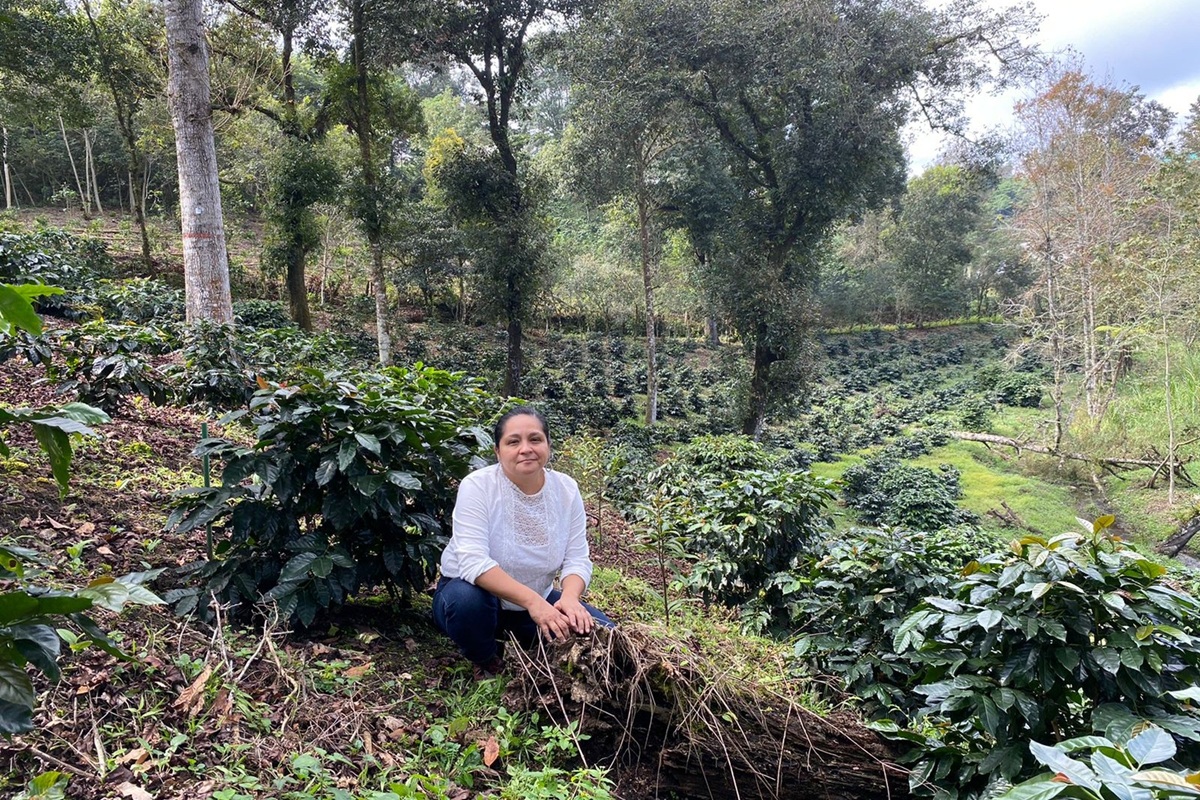
Once determined never to work in agriculture, Julia Ortega of Finca Los Pinos in Puebla, Mexico, now runs a carbon-neutral coffee farm exporting speciality beans worldwide.
Puebla, Mexico — Thirty years ago, Julia Ortega swore she would never work in coffee. Today, she's one of Mexico's leading advocates for sustainable and carbon-neutral coffee farming, running Finca Los Pinos in the Sierra Norte de Puebla. Her journey from reluctant heir to environmental pioneer shows how passion, persistence, and purpose can transform both a business and a life.
The inheritance nobody asked for
Ortega was born into a family of coffee farmers spanning four generations. She watched her parents labour tirelessly while commodity prices eroded their profits.
"The producer is always the one most affected by prices," she explains. "I saw my parents work so hard, and it didn't seem profitable."
Seeking stability, she studied business administration and cultural tourism and took an office job, pushing agriculture far away. "I spent my whole life in an office. I just couldn't see myself in the countryside," she recalls.
Then, in her early thirties, her parents gifted her a small, unused parcel of land.
"Instead of feeling excited, it felt like a burden," she admits. "I thought: what on earth am I going to do with this? It felt like an obligation more than an opportunity."
A change of heart
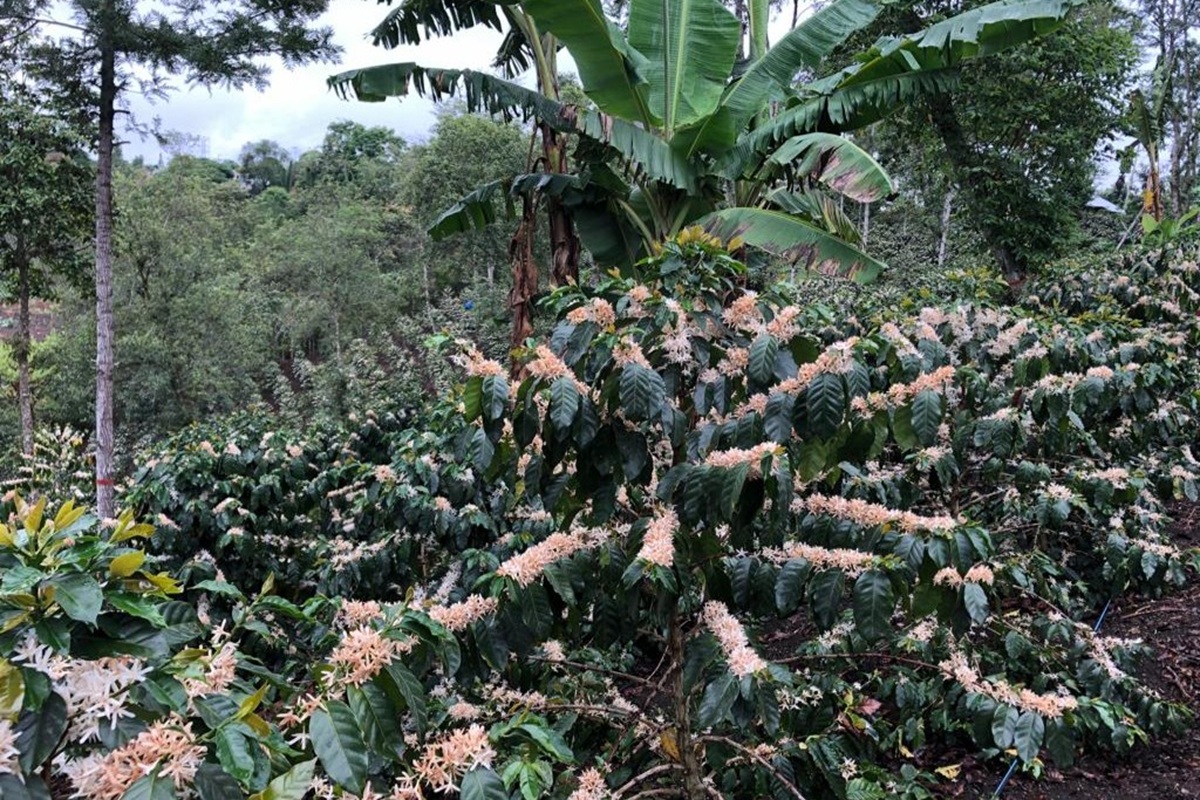
For years, the land sat untouched. One day, Ortega visited it with no plans — to take a quiet walk among the trees.
"Walking in the countryside connects you to something deeper," she says. "You hear things you don't normally hear — birdsong, rustling leaves. That's when I realised, this is where I come from."
That moment changed everything. Ortega decided to grow organic coffee, combining her love for nature with a desire to protect it.
At the time, organic farming was a niche market, considered risky and unprofitable. "Everyone in the family told me it wouldn't work. My friends said the same thing. Organic yields are too low, they all told me," she recalls.
But Ortega's willpower carried her forward. "The truth is, I'm a bit stubborn sometimes," she said with a smile, "and I didn't listen to them. I started doing what I liked, and I've now spent thirty years in the coffee industry.
Organic was just the beginning. Today, Finca Los Pinos has been carbon-neutral for six years, evolving from a small experiment into a benchmark for sustainability in Mexican coffee.
Crisis and reinvention
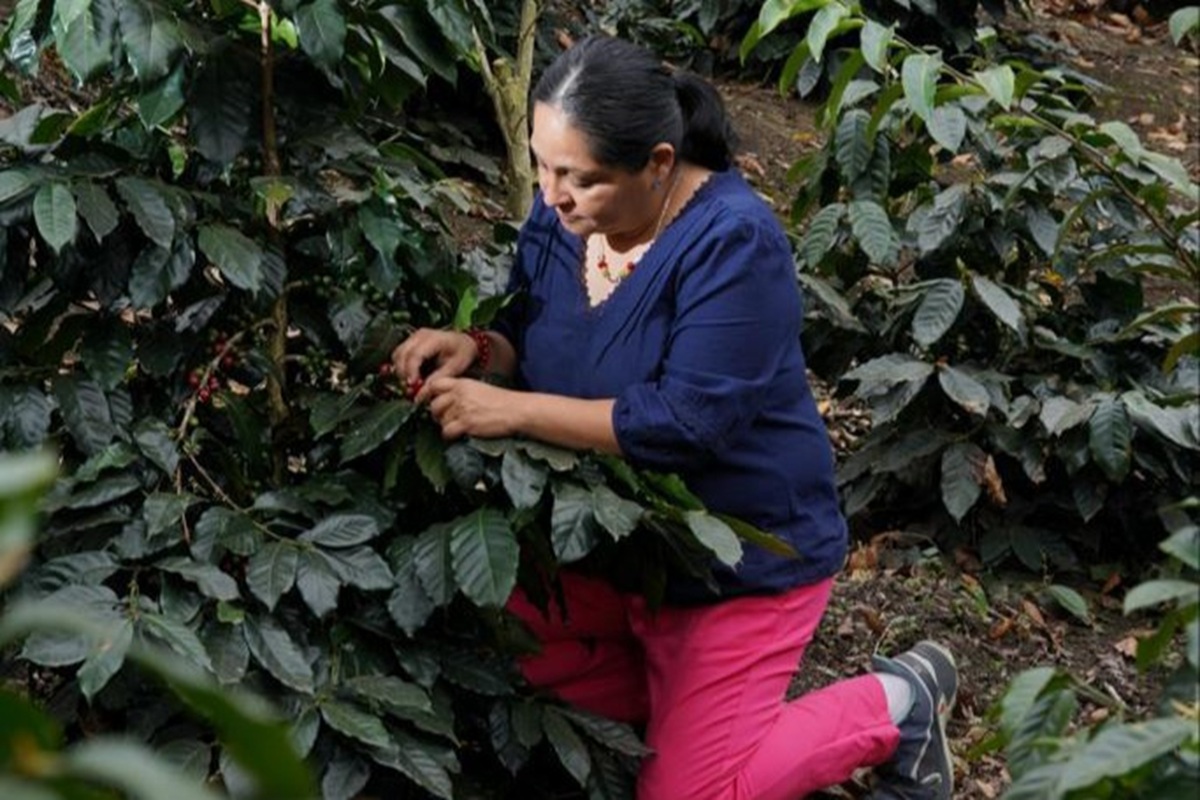
Success didn't come easily. In the mid-2000s, Ortega was burnt out and under severe financial pressure when disaster struck—a fungal disease known as coffee rust began destroying her plants.
At her lowest point, Ortega told her agronomist husband, who was working for an irrigation company at the time, "I don't think we can survive." They had deliberately kept their professional lives separate until then.
He suggested a radical solution: replant everything with rust-resistant varieties. The idea was costly, risky, and would require the removal of healthy plants.
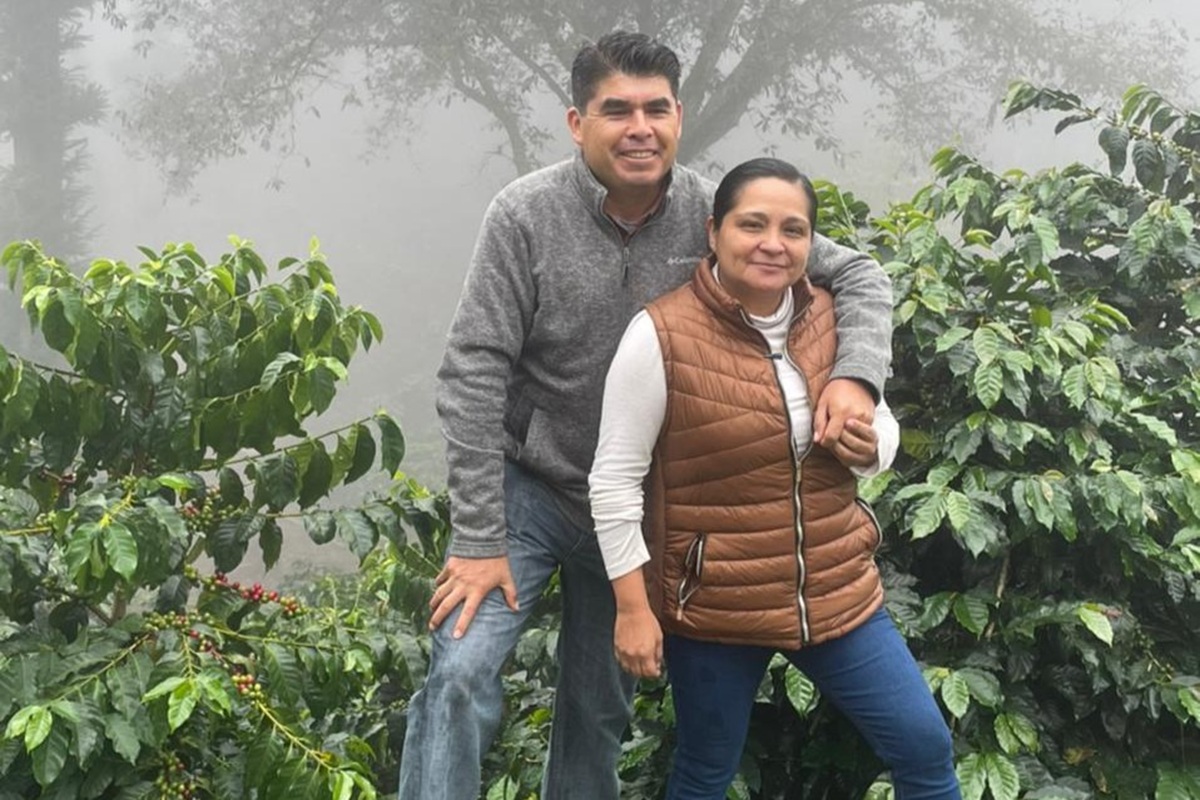
"I thought it would bankrupt us," Ortega says. "But it was the best decision we could have made." The couple combined forces, her business skills with his agricultural knowledge, to improve the farm.
Building a circular coffee economy
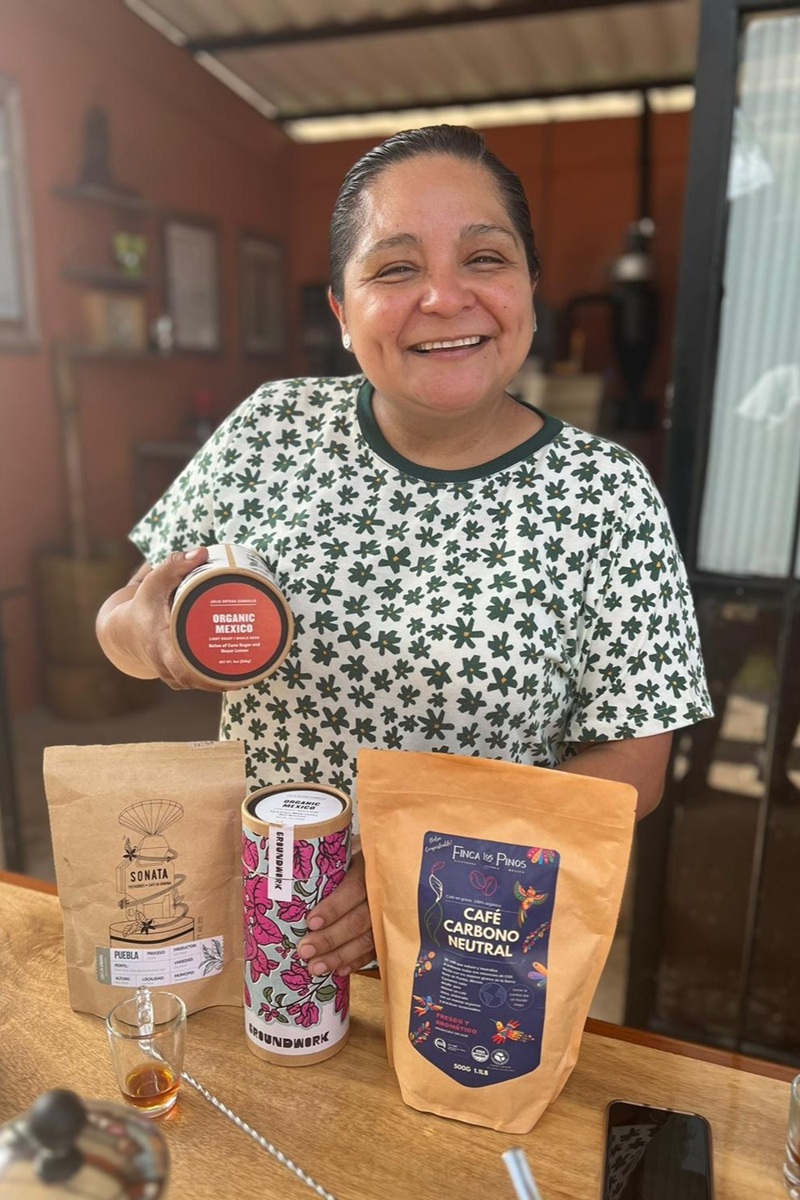
Today, the seven-hectare farm produces speciality-grade organic coffee, about 50 bags of 70 kilograms per harvest. Ortega has found inventive ways to use every byproduct:
- Coffee pulp becomes fertiliser or coffee pulp flour, rich in protein and fibre.
- Spent grounds are used in handmade soaps and exfoliants.
- Premium beans are turned into coffee liqueur.
"The word 'waste' doesn't exist on this farm," Ortega says.
Secondary products help provide income year-round. Agrotourism adds another revenue stream. The farm worked with Mexico's National Commission for Biodiversity to ensure low-impact visits. Tours are limited and led by trained staff, preserving the biodiversity of the protected Sierra Norte region.
Quality control: when accidents become innovations
For Ortega, coffee farming is a science — but also an art.
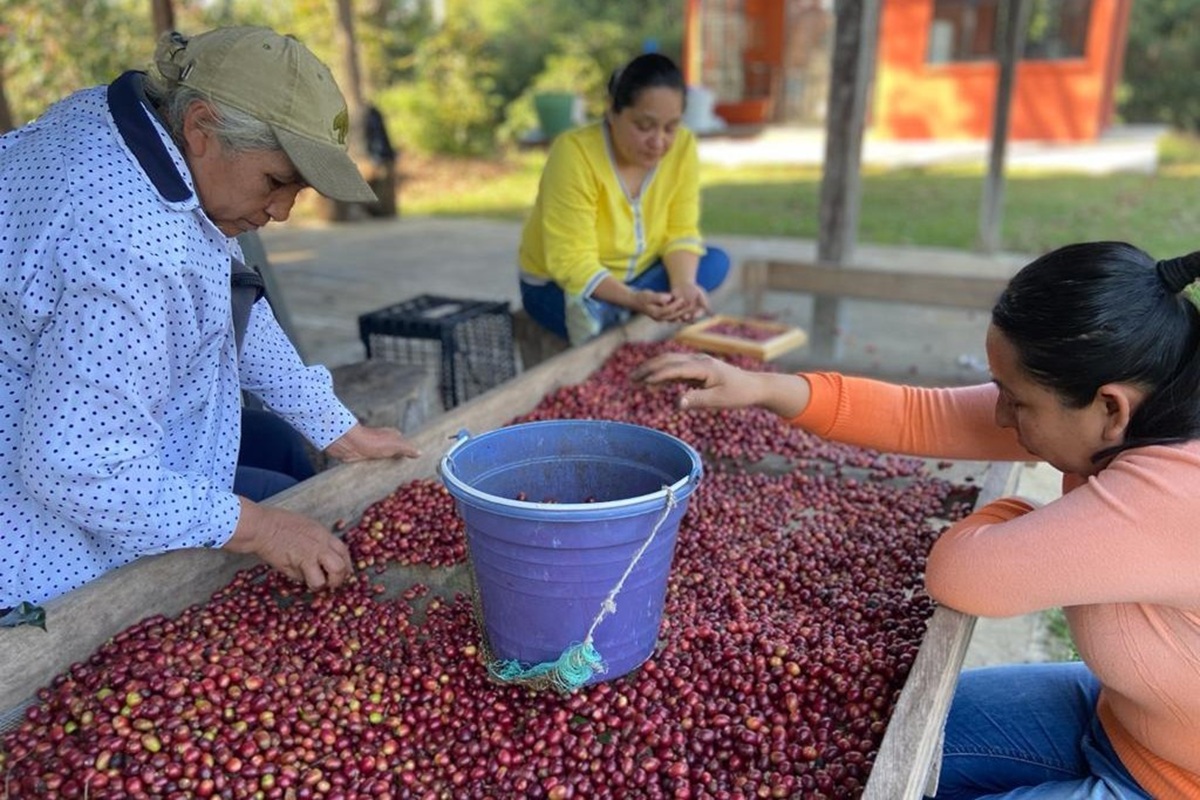
Her quality control is meticulous. Beans must be dried to a moisture content of between 10.5% and 11.5%. She uses a method she calls the "dentometer," biting the beans to gauge readiness, a technique that takes years of experience.
"When you touch the coffee, it sounds a certain way and feels a certain way," Julia explained. "You feel it and know when it's ready."
Her intuition once turned disaster into opportunity. When a processing machine broke down mid-harvest, she risked trying a natural processing method: drying whole coffee cherries — a technique rarely used in Puebla's humid climate — instead of removing the pulp and mucilage and washing as they usually do.
The experiment took 25 days, but the results stunned her team: a high-scoring batch with exceptional flavour.
"People couldn't believe it," she laughs. "They would tell me, 'We hope your machine breaks more often!' Sometimes the best innovations come from crisis."
From Puebla to the world
What began as a family plot now exports 60–70% of its coffee to countries including Denmark, Japan, the U.S., Saudi Arabia, and the U.K.
At home, Ortega supplies every kind of business, from large established roasters to Michelin-starred restaurants to small local roasters who buy a few kilograms at a time. She has a soft spot for the small buyers.
"They put all their passion into it," she says. "Sometimes they care more about quality than the big companies because they are face-to-face with their customers."
The farm holds organic certifications in Mexico, the U.S., and Canada — a costly but necessary step, Ortega says, to maintain trust amid widespread food fraud.
Facing the labour crisis
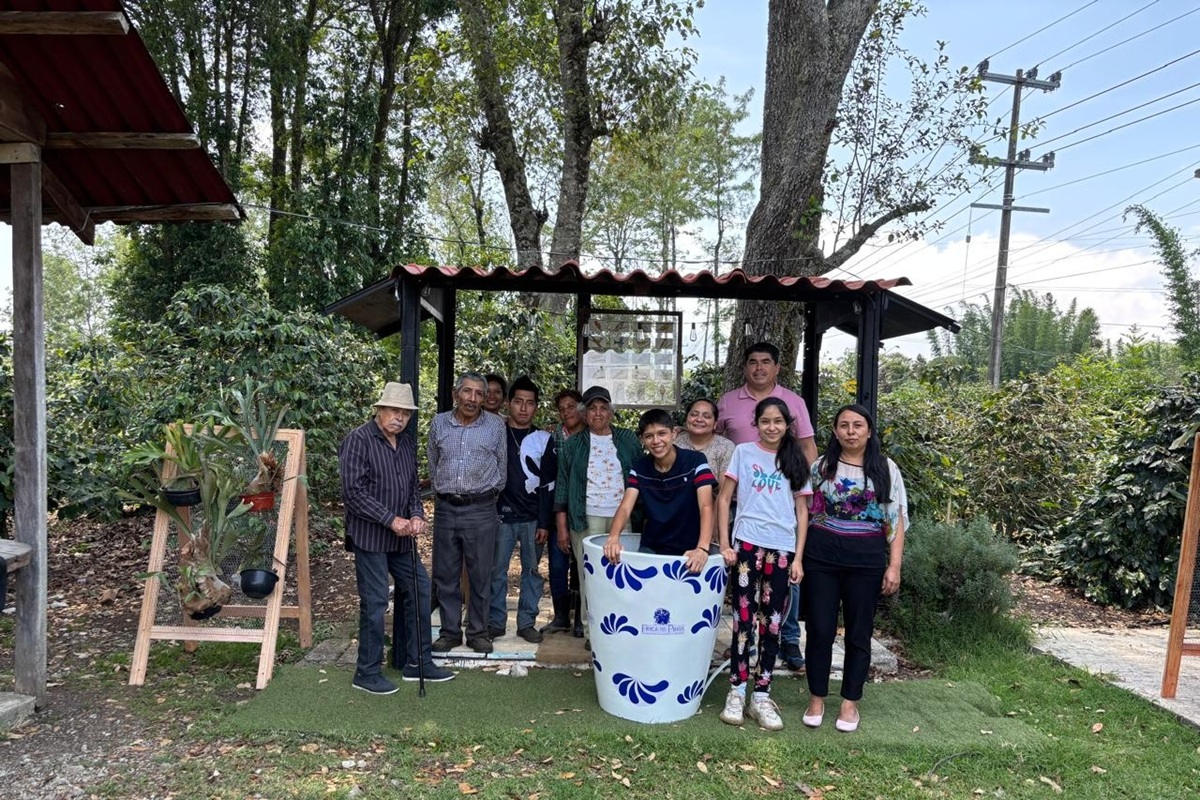
Finca Los Pino's team of ten permanent employees (expanding to 15 or 20 during harvest season) represents something she says has become increasingly rare: people who choose to work the land.
Ortega faces one of rural Mexico's toughest challenges: a shortage of agricultural labour. Finding seasonal workers has become very difficult.
"The dream for many day labourers is to work in the United States. They go to the north to work in vineyards and strawberry fields, where foreign companies pay better," she laments.
Her worries go beyond her own business: "The reality is, without agriculture, we have no food. It's that simple."
Daily life on the farm
Ortega's day begins before sunrise, usually around 5:30. She starts her day with a traditional breakfast, café con pan (coffee with bread), followed by administrative work and long hours in the fields. During harvest, she often doesn't leave until late in the evening.
"When you work on a farm, there are no office hours," she says. "Nature binds you, roots you in place."
When her husband once suggested moving to a bigger city, she refused. "I told him, when you all leave, I'm not going," she said. "Leaving the countryside would be like leaving a part of myself."
Advice for aspiring farmers
Ortega believes successful farming today requires a blend of tradition and innovation.
- "Don't be afraid to innovate," she says. "Go back to the culture of our ancestors, but with a vision toward the future. You can apply ancestral techniques and use modern equipment at the same time."
- Be patient: "It's like a marathon of long endurance," she said.
- "Keep studying." The more she learns, the more she realises how much there is to know.
- "Value teamwork." From producer to barista, everyone in the coffee industry plays a crucial role.
Above all, she urges farmers to do what they love.
Leaving a legacy
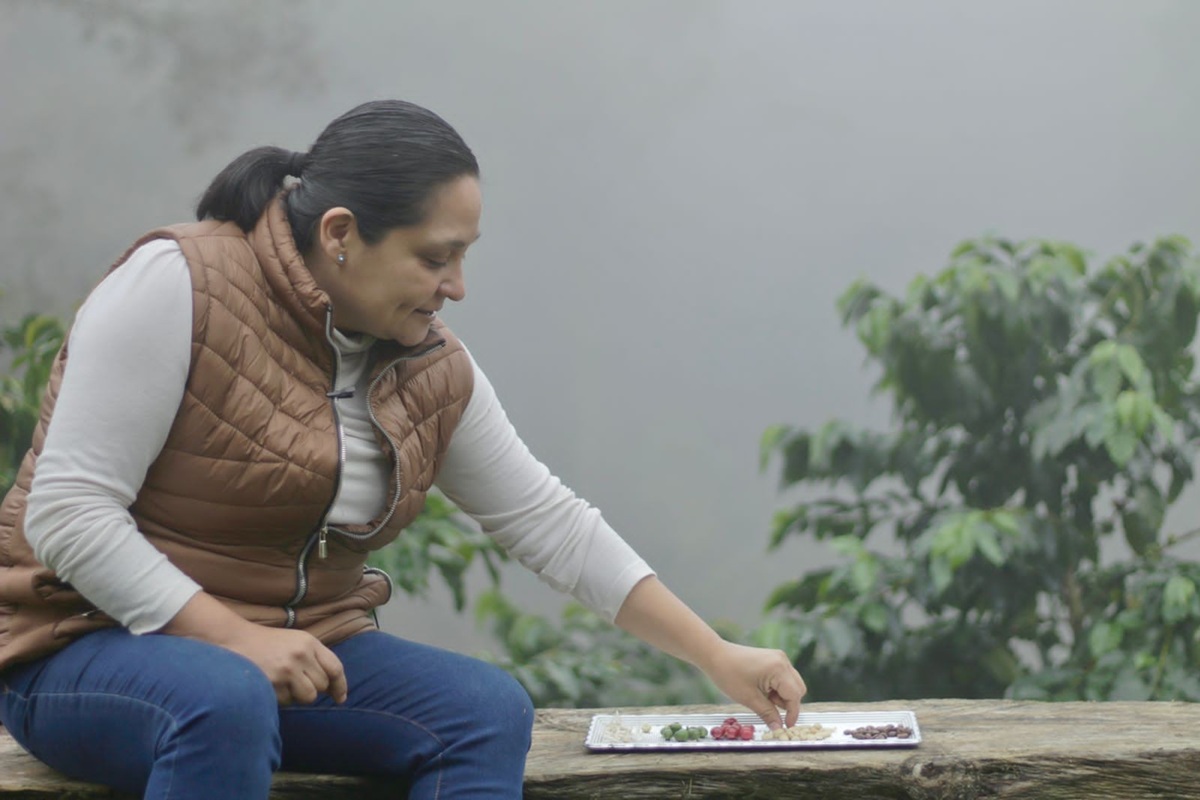
For Ortega, success isn't measured in profit, but in impact. Neighbouring farms have adopted her soil conservation and sustainability practices, and visitors often leave inspired.
During a recent tour, she hosted a group of retired schoolteachers. One woman stepped forward and asked softly, "Do you remember me?" Ortega didn't — until the woman revealed she was her childhood teacher, someone she hadn't seen in years.
"She looked at me and said, 'Julia, you've become who you dreamed of being. You always wanted to be a superhero and help the planet. Maybe you're not Wonder Woman, but you're doing exactly what you were meant to do,'" Ortega recalled.
That moment, she says, reminded her that the true measure of success is the difference you make in the world — one coffee bean, and one person, at a time.