


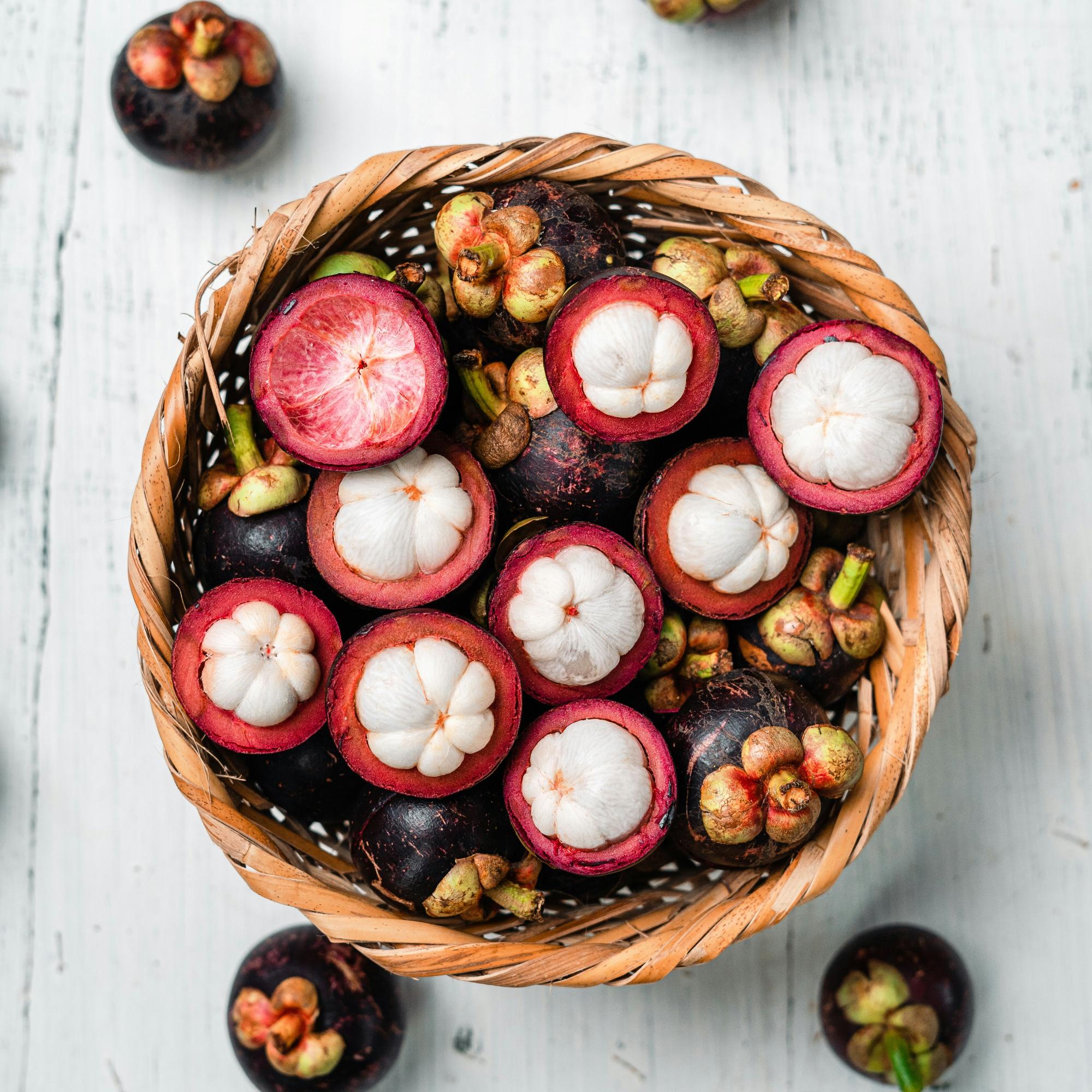
Mangosteen (Garcinia mangostana) is a tropical fruit hailed as the "Queen of Fruits" due to its unique taste and numerous health benefits. Native to Southeast Asia, this exotic fruit is been known for centuries and is now gaining popularity worldwide for its nutritional and medicinal properties.
Mangosteen trees are slow-growing evergreens that can reach up to 20-82 feet (6-25 meters) in height. The trees have dark green, glossy leaves and produce deep purple fruits when ripe. Each mangosteen fruit is about the size of a small apple and contains a white, juicy, segmented pulp with a sweet and tangy flavor.
Mangosteen Production by Country
Thailand is the global leader in mangosteen production and export. Renowned for its high-quality fruit, the country has cultivated extensive orchards to meet international demand. Indonesia is another Southeast Asian country that has significant mangosteen cultivation. While a substantial portion of its production caters to the vast domestic market, the country steadily increases its export volumes.
Malaysia, a fellow Southeast Asian nation, contributes substantially to the mangosteen industry. The country produces mangosteens for domestic consumption and export, balancing local demand and international markets. Malaysia's focus on cultivating diverse mangosteen varieties ensures a rich tapestry of consumer flavors and preferences.
Vietnam has rapidly grown in recent years, with producers investing in modern farming techniques.
While the Philippines cultivates mangosteens, its production is relatively minor compared to the countries above. The majority of the Philippine mangosteen crop is consumed domestically.
Nutritional Value of Mangosteen
Mangosteen is not only delicious but also packed with essential nutrients. Here's a breakdown of the nutritional content per 100 grams of mangosteen based on USDA data:
- Calories: 73 kcal
- Carbohydrates: 18 g
- Protein: 1 g
- Dietary Fiber: 5 g
- Vitamin C: 12% of the daily recommended intake
- Calcium: 12 mg
- Iron: 0.3 mg
- Magnesium: 13 mg
- Phosphorus: 8 mg
- Potassium: 48 mg
Health Benefits of Mangosteen
1. Rich in Antioxidants
Mangosteen is renowned for its high antioxidant content, particularly xanthones. These compounds have been shown to combat oxidative stress and inflammation, potentially reducing the risk of chronic diseases such as heart disease and cancer.
2. Boosts Immune System
The vitamin C content in mangosteen helps boost the immune system, enhancing the body's ability to fight infections and illnesses. Vitamin C is also crucial for the production of collagen, which supports skin health.
3. Anti-inflammatory Properties
Mangosteen's xanthones exhibit strong anti-inflammatory effects, which can help reduce inflammation. This makes mangosteen beneficial for individuals suffering from inflammatory conditions like arthritis and inflammatory bowel disease. Ingestion of mangosteen and propolis (a material made by bees) extract may lessen gingival (gum) inflammation in patients with gingivitis and early periodontitis, according to a study involving 104 participants.
4. Supports Digestive Health
The high fiber content in mangosteen aids in maintaining healthy digestion. It helps prevent constipation, promotes regular bowel movements, and supports overall gut health.
5. Promotes Heart Health
Mangosteen's antioxidants and fiber contribute to cardiovascular health by lowering cholesterol levels and improving blood vessel function. This helps reduce the risk of heart disease and hypertension.
6. Enhances Skin Health
Due to its antioxidant properties, regular consumption of mangosteen can improve skin health. It helps fight free radicals, reduces the signs of aging, and promotes a clear, radiant complexion.
How can you eat mangosteen?
- As a Fresh Fruit: The most common way to enjoy mangosteen is fresh, by peeling the thick rind and eating the juicy segments inside.
- In juices and Smoothies: Mangosteen juice is a popular beverage in many tropical regions. The juice retains most of the fruit's essential nutrients and health benefits, making it a refreshing and nutritious drink. Mangosteen can also be blended into smoothies or combined with other fruits like banana, mango, and pineapple.
- Culinary Uses: Mangosteen adds a unique flavor to a variety of dishes. It can be used in sorbets, ice creams, and fruit tarts in desserts, sweetening their taste with its sweet and tangy notes. Mangosteen also pairs well with salads, adding freshness and exotic flavor. In savory dishes, it can be blended into sauces, chutneys, or even as a complement to seafood and chicken dishes, where its sweetness balances out spicy or salty flavors.
- Traditional Medicine: In traditional Asian medicine, mangosteen has been used to treat various ailments for centuries. The fruit and its rind are believed to possess medicinal properties. It treats skin infections, wounds, and digestive issues due to its anti-inflammatory and antibacterial properties. Mangosteen has also been used to help manage diarrhea, urinary tract infections, and even dysentery. Some traditional practices involve using mangosteen rind as an herbal tea or powder.
References:
- https://www.tropicalbox.co.uk/our-fruit-blog/mangosteen
- Britannica
- https://www.health.com/mangosteen-benefits-8609917