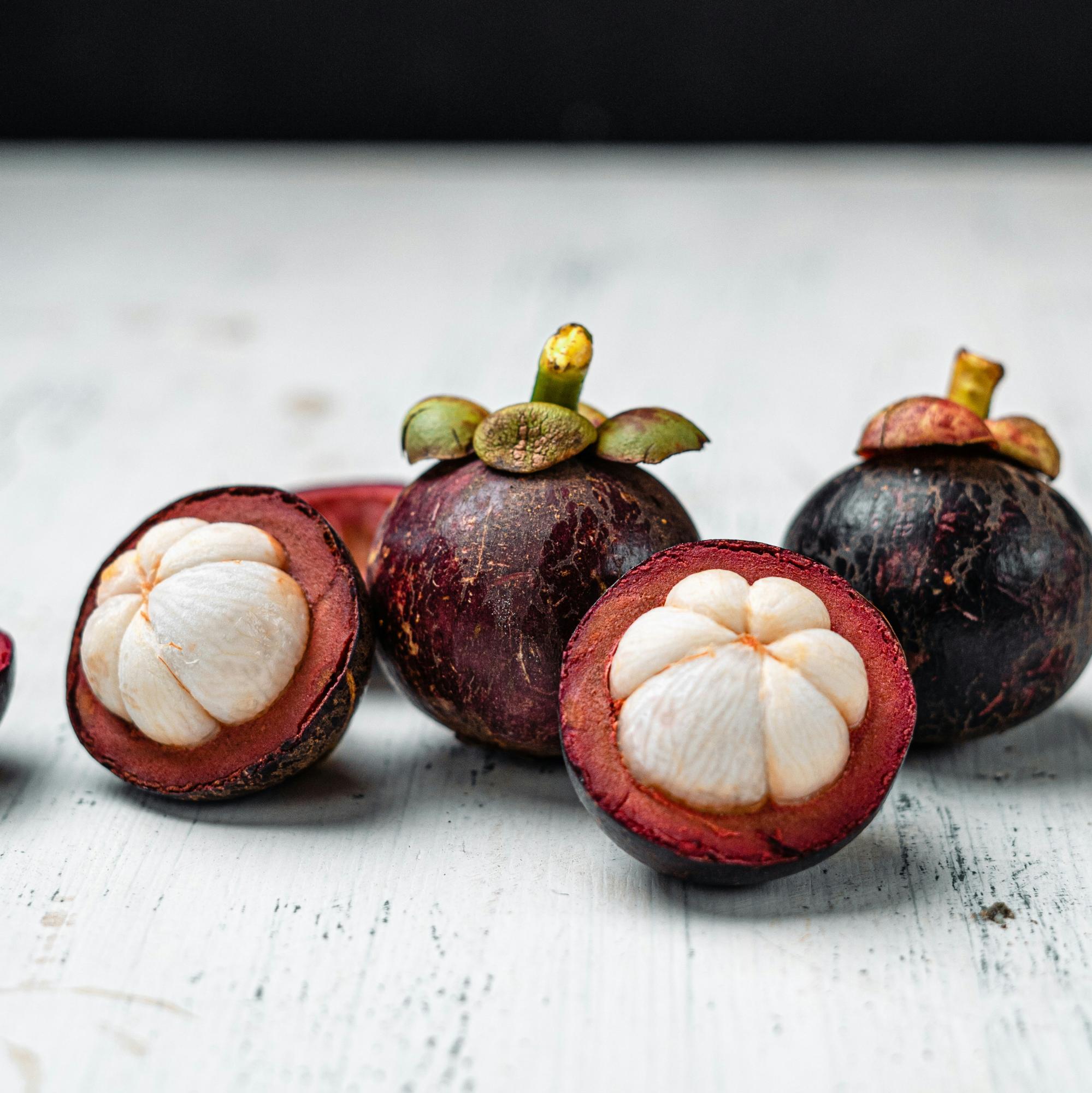
Mangosteen is a tropical fruit native to Southeast Asia. Scientifically known as Garcinia mangostana, it is often called the 'Queen of Fruits.' This tree produces purple-rinded fruits that contain sweet, white flesh segments rich in vitamin C, antioxidants, and essential minerals. Mangosteen is prized for its unique floral aroma, nutritional benefits, and rarity outside its native regions. Here are 20 facts about mangosteen:
- It is evergreen with a full, rounded canopy and can grow to 20 to 82 feet (6 to 25 meters).
- A single serving of mangosteen (about 100 grams or 0.22 pounds) provides essential nutrients. It contains approximately 73 calories, 18 grams of carbohydrates, and 1 gram of protein. It is also an excellent source of fiber, providing about 5 grams per serving.
- Mangosteen is rich in vitamin C, offering around 12% of the daily recommended allowance per serving.
- The vitamin C and antioxidants in mangosteen can contribute to healthier skin. They help combat the effects of aging, reduce the appearance of wrinkles, and promote a radiant complexion. Mangosteen extract is often used in skincare products for its beneficial properties.
- Mangosteen is rich in antioxidants, particularly xanthones.
- This tropical fruit contains several essential minerals, including copper, manganese, and magnesium. Copper aids in the formation of red blood cells, manganese supports bone development and metabolism, and magnesium is vital for muscle and nerve function.
- The antioxidants and fiber in mangosteen contribute to heart health. Antioxidants help reduce the risk of heart disease by preventing oxidative damage to cells, while dietary fiber helps lower cholesterol levels and maintain healthy blood pressure.
- Xanthones in mangosteen have potent anti-inflammatory effects. These compounds can help reduce inflammation, potentially alleviating symptoms of inflammatory conditions such as arthritis and inflammatory bowel disease.
- Mangosteen is challenging to find fresh in Western countries due to its delicate nature and strict import regulations. It's often sold canned or as juice, but the fresh fruit remains a rare delicacy outside its native regions.
- Mangosteen has a distinctive, sweet floral smell unlike any other fruit. This unique scent adds to its allure, making it a popular ingredient in perfumes and aromatherapy.
- The thick, purple rind of the mangosteen contains pigments that can easily stain clothes and skin. This intense color is also used as a natural dye in some cultures.
- In many Southeast Asian cultures, mangosteen is considered a symbol of prosperity and good health. It's often given as a gift during festivals and special occasions.
- Mangosteen trees have a limited harvest season, typically producing fruit only once a year. This short availability makes the fresh fruit a prized and eagerly awaited treat.
- Mangosteen trees are known for their slow growth. It can take up to 10 years for a tree to start bearing fruit, contributing to its rarity and high value.
- There is a myth that this fruit was banned in the U.S. for a long time due to fears of importing pests along with the fruit. While regulations have eased, strict import controls are still in place to prevent agricultural issues.
- Mangosteen is composed of about 80% water, making it an incredibly hydrating fruit. This high water content also contributes to its refreshing taste and juicy texture.
- In Southeast Asia, mangosteen is commonly known as the Queen of Fruit and is frequently paired with Durian, the King of Fruit.
- It is also referred to as "mang-chi-shih" in the 15th-century Chinese text Yingya Shenglan, which derives its name from the Malay word "manggis."
- There was a legend about Queen Victoria offering a reward of 100 pounds sterling to anyone who could deliver her a fresh Mangosteen.
- Mangosteen trees exhibit apomixis, meaning they can produce fruit asexually without pollination.