
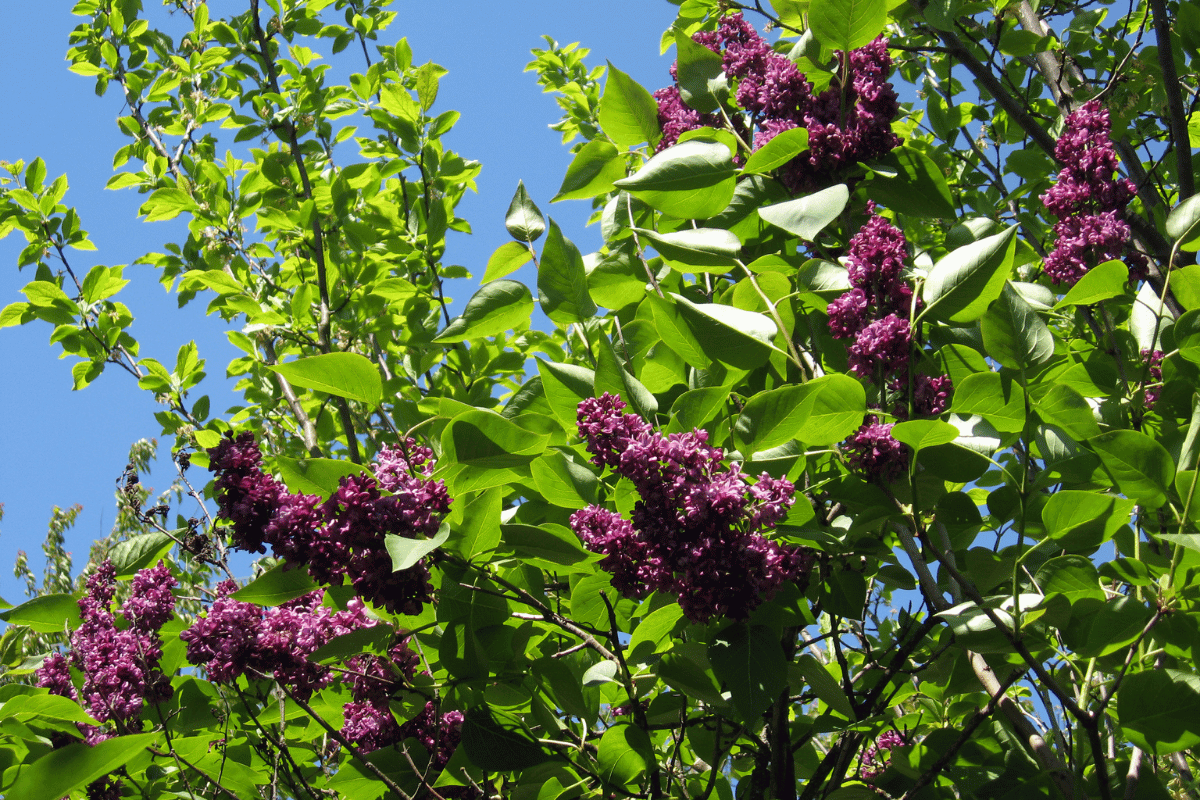
The lilac is one of the most loved spring shrubs, grown for the clouds of fragrant flowers it carries for a few weeks each year. Those dense, cone-shaped clusters come in shades from white and pale lavender through pink to deep purple and magenta, and their scent is unmistakable. A well-placed lilac can live for over a century and needs very little once established.
Lilac (Syringa) belongs to the olive family (Oleaceae) and includes around 25 species of deciduous shrubs and small trees native to Europe and Asia. The plant most people mean by "lilac" is the common lilac, Syringa vulgaris. This guide covers how to grow and care for a lilac bush, with particular attention to pruning at the right time, which is the single biggest factor in whether it flowers well.
What is a lilac bush
The common lilac (Syringa vulgaris) is a deciduous shrub that reaches 2.5 to 5 metres, with heart-shaped leaves and fragrant flower clusters in late spring to early summer. It grows 30-60 cm a year and lives for decades. Beyond the common lilac, a few close relatives suit different gardens.
Common lilac (Syringa vulgaris): the classic, with hundreds of cultivars in every shade. Large, long-lived, intensely fragrant. Popular cultivars include the double lavender 'Katherine Havemeyer', the white 'Madame Lemoine', and 'Sensation', with purple flowers edged in white
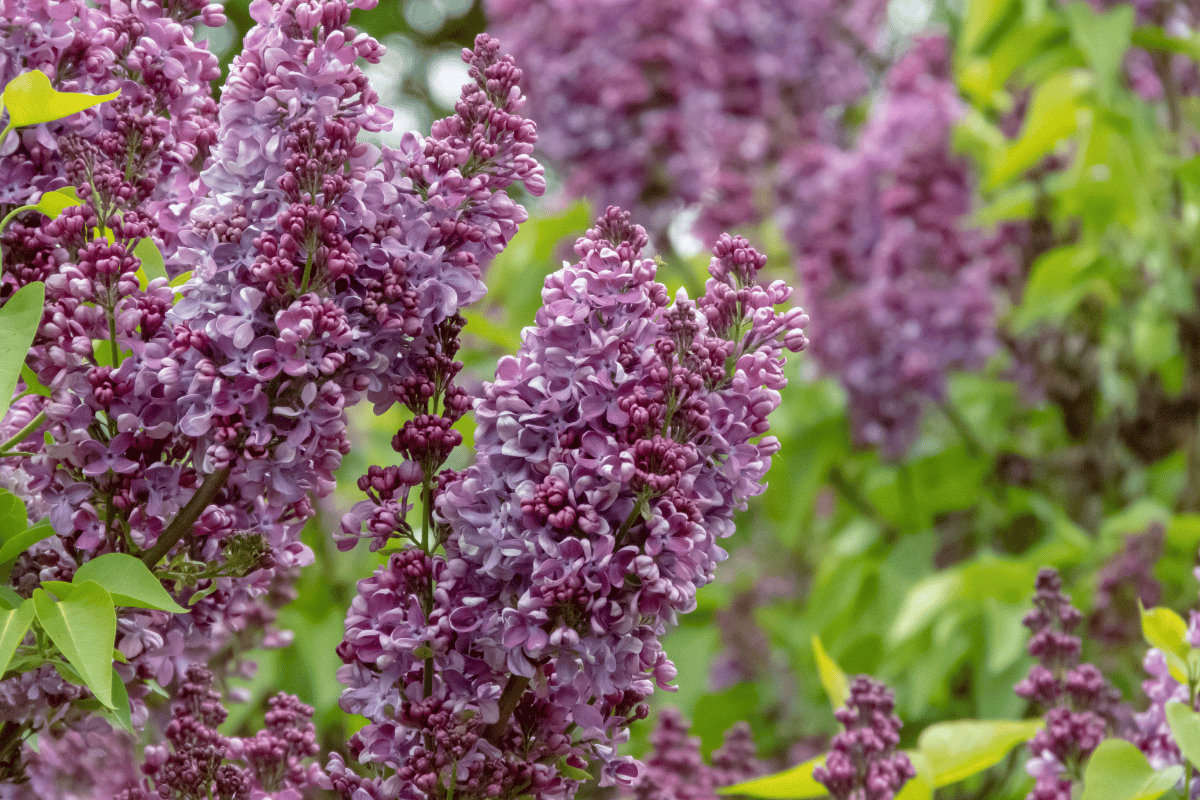
Korean and dwarf lilacs (Syringa meyeri 'Palibin', Syringa 'Miss Kim'): compact, slow-growing and better suited to small gardens or large pots. They also resist powdery mildew better than the common lilac
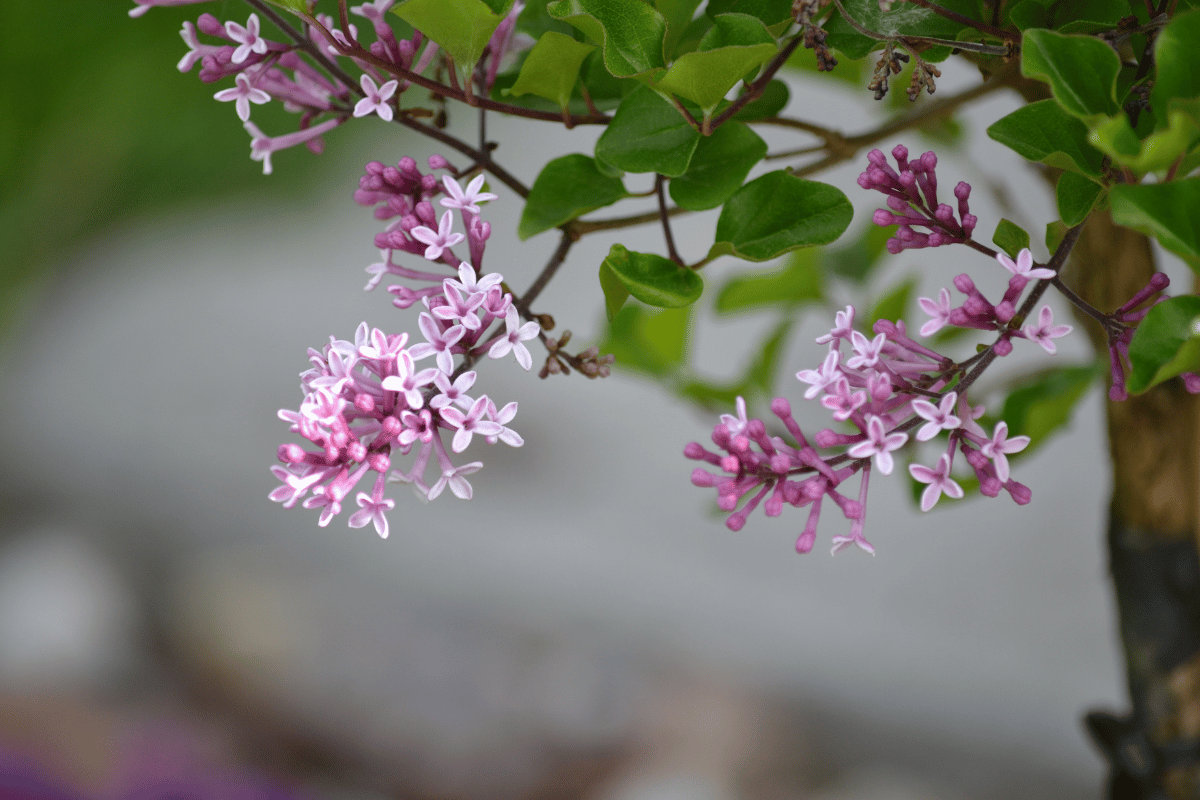
Heat-tolerant hybrids (the Descanso hybrids, such as 'Lavender Lady'): bred to flower with less winter cold, and the better choice in mild-winter regions
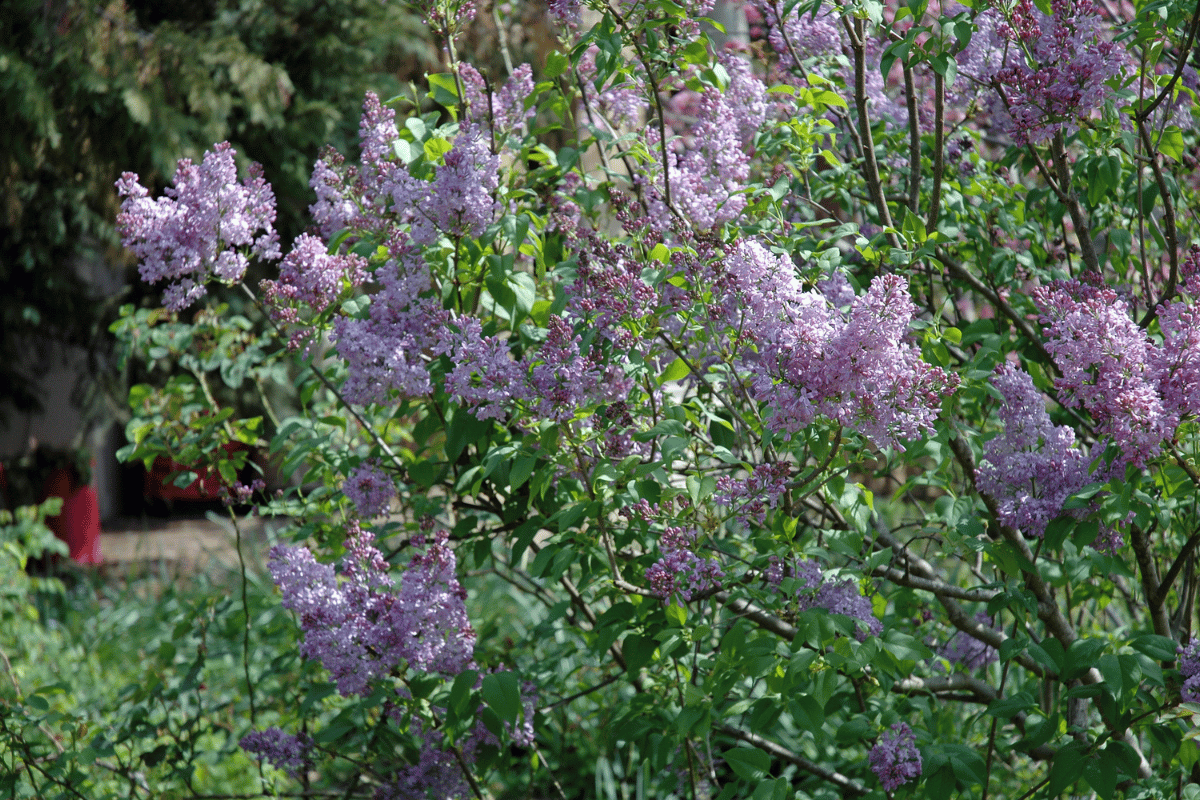
Where and when to plant lilacs
Lilacs need full sun, at least six hours a day, to flower well. In shade they grow leafy but produce few or no blooms. Choose an open spot with good air circulation, which also helps prevent the powdery mildew lilacs are prone to. Plant in autumn or spring, while the soil is workable and neither frozen nor baked.
One point matters especially in a Greek climate. Lilacs need a period of winter cold to set their flower buds, so in mild-winter and coastal areas they often grow well but bloom poorly. If your winters are mild, choose a low-chill type such as a Korean lilac or one of the Descanso hybrids, which flower more reliably in warm regions.
Soil
Lilacs want fertile, well-drained soil and, unusually, prefer it neutral to slightly alkaline. They grow happily on chalky and limey ground where many shrubs struggle, and they dislike acidic soil and waterlogging. This is the opposite of acid-loving shrubs such as the rhododendron, gardenia and hydrangea, which want the reverse, so the two groups are not planted in the same spot. On very acidic soil, add a little garden lime before planting.
Watering and feeding
Water young lilacs regularly through their first couple of summers while they establish. Once settled, a lilac is drought-tolerant and needs watering only in prolonged dry spells. Avoid constantly wet soil, which the plant will not tolerate.
Lilacs are light feeders. A yearly dressing of compost or a balanced fertiliser in early spring is enough. Avoid feeding high in nitrogen, which drives leafy growth at the expense of flowers.
How and when to prune a lilac bush
Timing is everything with lilac pruning, and getting it wrong is the most common reason a healthy bush stops flowering. Lilacs flower on old wood, meaning the buds for next spring form on the current year's growth soon after this year's flowers fade. So the rule is to prune immediately after flowering, in late spring or early summer. Pruning later, in summer, autumn or winter, cuts off the buds that would have become next year's flowers.
Routine pruning is light. Once the flowers fade, deadhead the spent clusters by cutting just above the top pair of leaves, and remove any dead, damaged or crossing stems. On congested old bushes, take out one or two of the thickest stems at the base to open up the plant and improve airflow.
An overgrown lilac that has become tall and bare, flowering only at the top, can be renovated by hard pruning. Cut the whole shrub back to about 30 cm from the ground in late winter. Lilacs respond well to this, but it costs you a season or two of flowers while the plant regrows.
Note that young lilacs need to mature before they bloom. Stems generally need to be about three years old to flower, so a newly planted bush may take a few years to get going.
Common problems
- No flowers: the most common complaint, almost always down to too much shade, pruning at the wrong time, too much nitrogen, or a plant that is still too young. In mild-winter areas, a lack of winter cold is another cause
- Powdery mildew: a white, dusty coating on the leaves in summer, near-universal on the common lilac in humid weather. It looks bad but rarely harms the plant. Improve airflow with good spacing and pruning, or grow resistant Korean lilacs
- Suckers: shoots that spring up from the roots around the base. Dig them out to keep the plant tidy, or detach rooted ones to grow on as new plants
Are lilacs poisonous to cats and dogs?
True lilacs are non-toxic. According to the ASPCA, lilacs of the genus Syringa are safe for both cats and dogs, and the flowers are even edible for people. A pet that nibbles a lilac leaf or flower may get a mild stomach upset from the roughage, but the plant contains no dangerous toxins.
One important warning concerns the name. A completely different, unrelated tree, Melia azedarach, is also sold as "Persian lilac" (as well as chinaberry or bead tree), and it is toxic to cats, dogs and people, with the berries the most dangerous part. It is not a true lilac and belongs to another family entirely. If you're buying a plant called Persian lilac, check the botanical name, since Syringa is safe while Melia is not.
Frequently asked questions
When should you trim a lilac bush? Immediately after it finishes flowering, in late spring or early summer. Lilacs form next year's buds soon after blooming, so pruning later removes those buds and costs you next year's flowers.
Why won't my lilac bloom? Usually too much shade, pruning at the wrong time, too much nitrogen fertiliser, or a plant that is still too young. In mild-winter areas, too little winter cold is another common cause.
When do lilacs bloom? In late spring to early summer, for about two to three weeks, depending on the variety and region.
Do lilacs grow in warm climates? They can, but they need winter cold to flower well, so in mild-winter regions choose a low-chill type such as a Korean lilac or a Descanso hybrid.
Are lilacs poisonous to pets? True lilacs (Syringa) are non-toxic to cats and dogs. Be aware that the unrelated "Persian lilac" (Melia azedarach) is a different plant and is toxic.
Important notes
Every garden and every plant is unique. Conditions vary significantly by region, winter chill, sun exposure, and soil. The guidance above is general and a starting point rather than a strict rule.
While true lilacs are non-toxic, it's worth confirming the botanical name of any plant sold as "Persian lilac," as the toxic Melia azedarach shares that common name. If a pet ingests part of an unidentified plant, contact a vet.
If your bush shows persistent problems that don't respond to the basic practices, it's worth consulting a horticulturist or your local nursery. For pest and disease control, try non-chemical methods first, such as improving airflow. When a product is needed, use only approved ones and follow the label instructions.
References
- Royal Horticultural Society. Syringa vulgaris common lilac.
- BBC Gardeners' World. How to grow lilac.
- ASPCA Animal Poison Control. Toxic and Non-Toxic Plants: Chinaberry Tree (Melia azedarach).