Leafhopper populations in vineyards have risen sharply in places, both in Crete and in northern Greece, according to the agricultural warning bulletins. The insect leaves the foliage looking scorched, and treatment is carried out only after monitoring, once the population passes the action threshold. Below, we look at the damage, how to scout for it, and when the spray is combined with the grapevine moth.
How they cause damage
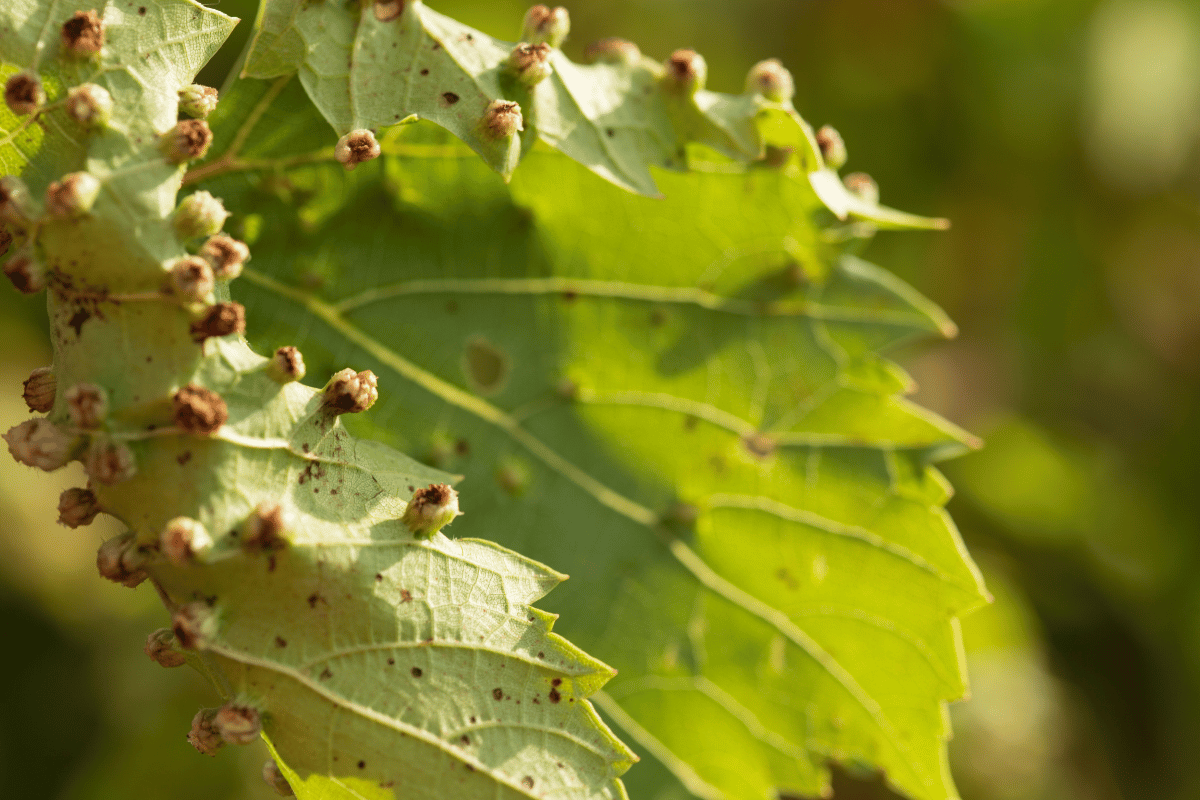
Leafhoppers, dominated by the genus Empoasca, suck sap from the leaves and at the same time secrete substances that damage the vascular system feeding the leaf with nutrients. The leaves curl at the margins and take on the look of scorched tissue, with symptoms appearing mainly on the middle and upper leaves of the cane. At high population densities, the photosynthetic capacity of the canopy declines, and ripening is delayed.
The wingless immature stages, the nymphs, sit on the underside of the leaves and are the target of control. A simple tap on the trellis wire sends the adults flying and indicates their presence.
When to treat
The decision to spray rests on systematic checks, not on the mere presence of the insect. One hundred random leaves are inspected on their underside, one or two leaves per vine, from the middle of the cane to two leaves before the tip. The action threshold is set at 50 to 100 wingless individuals per 100 leaves, and the spray is directed at the foliage, on the underside, where the nymphs are.
| Region | Situation | Recommendation |
|---|---|---|
| Crete Bulletin 18 June |
Increased populations in places | Treat only after monitoring, with a threshold of 50-100 wingless per 100 leaves |
| Eastern Macedonia and Thrace bulletin 19 June |
High populations in places, with leaves looking scorched | Spray combined with the grapevine moth, where the infestation rate is high |
Dense, very vigorous growth favours leafhopper establishment, so summer pruning and leaf removal that ventilates the interior of the vine work preventively and strengthen the effect of the sprays.
The other pests and diseases of the season
In the same bulletins the carpovorous generation of the European grapevine moth remains active and the bunches must stay covered, with the leafhopper spray often carried out in the same treatment. Powdery mildew is at its most critical stage for grapes and requires continuous cover with alternating products, while sulphur is avoided above 30°C due to the risk of phytotoxicity. Night dews favour downy mildew, botrytis is treated preventively before bunch closure, and the mealybug is controlled together with the grapevine moth in vineyards with a history of attack. How to tell the two main fungal diseases apart is set out in our practical guide to downy and powdery mildew in grapevines.
How to choose and apply the products
Use only products approved for the vine and for the specific pest or disease, from the official ministry database, and follow the label for dose, compatibility, and the interval until harvest. Applications are made in the late afternoon or at dusk due to high daytime temperatures and winds.
The guidance above comes from each region's bulletins and serves as a general trend. The picture varies from vineyard to vineyard, depending on the region, microclimate, and history of attacks, so final decisions rest on your own inspections and the most recent local bulletin. For serious or suspected attacks, consult an agronomist and use only approved products in accordance with the label and operator safety measures.
Sources
All data come from the agricultural warning bulletins of the Greek Ministry of Rural Development and Food (ΥΠΑΑΤ):
- Regional Plant Protection Centre of Heraklion, vine bulletin No 13 (18 June 2026).
- Regional Plant Protection Centre of Kavala, vine bulletin No 23 (19 June 2026).