


Your weekly food recall & compliance tracker w47/2025
We reviewed the food recall notifications across Europe last week and prepared a detailed summary to help farmers and wholesale buyers stay informed. The new data confirms several recurring patterns and brings a few unexpected happenings that are important to know for anyone involved in fresh produce supply chains.
Highlights at a glance
- 125 food and feed notifications were issued in the EU.
- Fresh-produce-related categories (fruits and vegetables, herbs and spices, nuts and seeds, cereals and bakery products) accounted for 70 alerts, around 56% of all notifications.
- Fruits and vegetables alone generated 39 alerts (about 31% of all notifications).
- Turkey was the single most frequent origin country overall (24 alerts, ~19% of all products). For fruits and vegetables, 22 of 39 alerts (around 56%) involved consignments from Turkey, mostly dried figs and other dried fruit.
- EU vs non-EU origin: around 59% of all alerts involved products from non-EU countries, and 41% from within the EU.
Among all hazards with a specified agent, roughly
- 31% involved mycotoxins or plant toxins (aflatoxins, ochratoxin A, pyrrolizidine alkaloids),
- 23% involved pesticide residues,
- About 14% were microbiological hazards.
Top product categories affected by food recalls
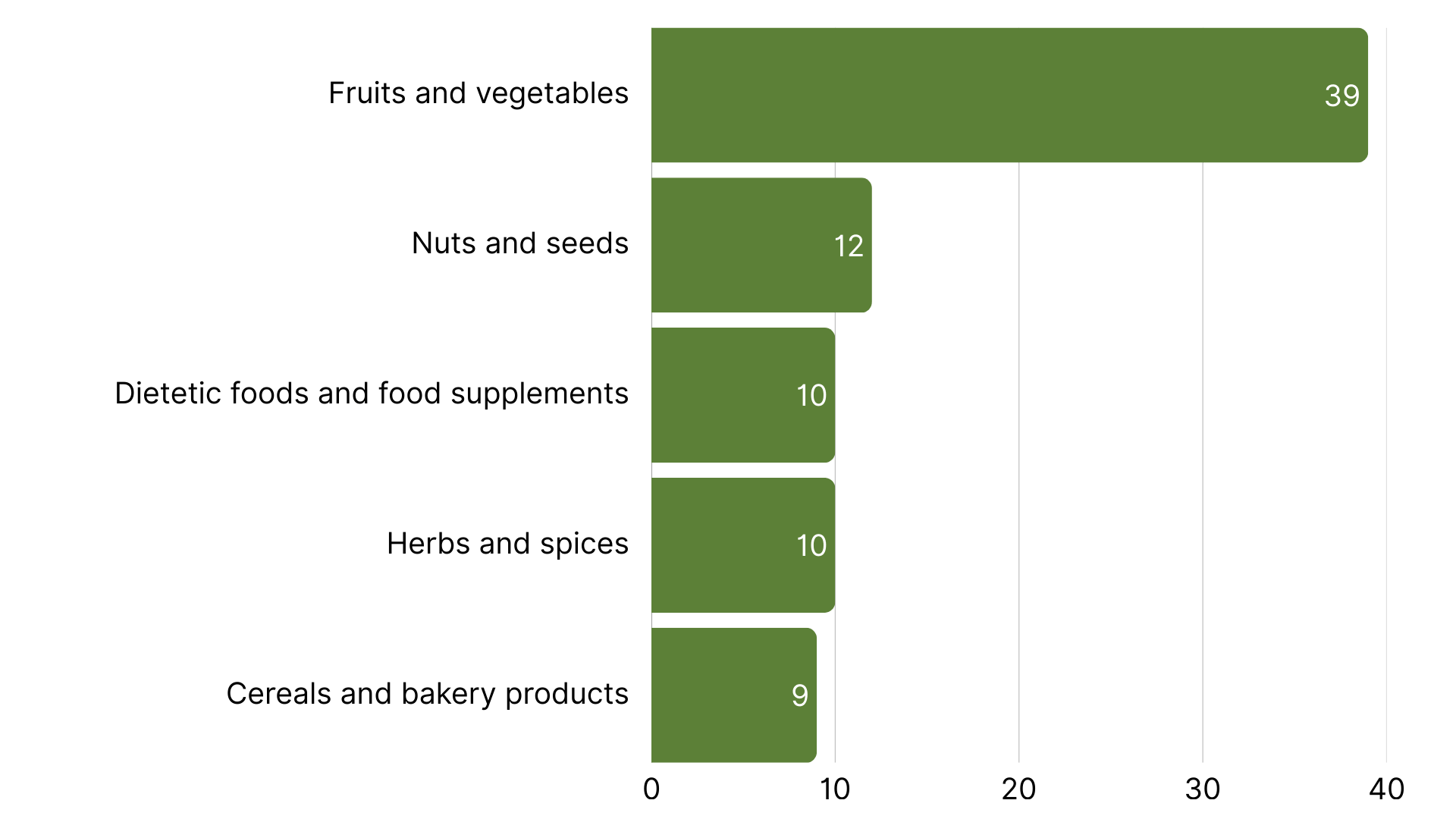
Graph 1: Top 5 Product Categories with the Most RASFF Alerts (Week 47)
Looking at the 125 notifications by product category:
- Fruits and vegetables: 39 alerts (31.2%)
- Nuts, nut products and seeds: 12 alerts (9.6%)
- Dietetic foods, food supplements and fortified foods: 10 alerts (8.0%)
- Herbs and spices: 10 alerts (8.0%)
- Cereals and bakery products: 9 alerts (7.2%)
Together, these five categories account for around 64% of all last week's alerts.
For fresh produce professionals, three points stand out:
- Dried fruit is the main hotspot. Repeated alerts for dried figs and other dried fruits (mulberries, cubes, organic figs) show how sensitive this segment is to aflatoxin and ochratoxin A issues when drying, storage, and sorting are not fully under control.
- Pesticide residues are not limited to high-value exotics. Grapes, mandarins, cucumbers, peppers and limes appear with MRL exceedances or unauthorised substances. These are everyday commodities in many European supply chains.
- Herbs and spices continue to appear in risk statistics. Multiple alerts for pyrrolizidine alkaloids, microbiological hazards, and unauthorised ingredients in cumin, oregano, thyme, and mixed spices remind us that “low-volume” ingredients can carry a disproportionate safety risk.
Fresh produce focus
Mycotoxins in dried fruit
Within fruits and vegetables:
- 17 out of 39 alerts (about 44%) concerned fig products, all due to mycotoxins.
- The majority were dried figs from Turkey, with aflatoxin B1, total aflatoxins and ochratoxin A.
For buyers, this means that lot-by-lot mycotoxin testing, supplier approval and storage control remain non-negotiable in dried figs and similar products. For growers and packers, it highlights the value of early sorting of damaged fruit, careful drying, protection from moisture and rapid cooling after drying.
Microbiological and other hazards
Although less frequent than chemical hazards last week, several microbiological issues are relevant for farm and packhouse practice:
- Listeria monocytogenes in fresh enoki mushrooms (China).
- Escherichia coli (STEC) in pomegranate seeds (India, via the Netherlands).
- Clostridium botulinum and botulinum toxin in preserved vegetables (friarielli broccoli, Italy).
These alerts underscore the importance of cold-chain integrity, hygienic cutting, and packaging for processed vegetables.
Complete list of recalled fresh produce
Fruits and vegetables
- Dried figs (Turkey), 17 cases: aflatoxin, or ochratoxin A
- Green celery (Belgium): tebuconazole
- Table grapes (Italy): lambda-cyhalothrin
- Tomatoes (Morocco): chlorfenapyr, spiroxamine
- Fresh truffles (China): cadmium migration
- Psidium guajava (India): thiamethoxam
- Fresh enoki mushrooms (China): Listeria monocytogenes
- Kimchi (Vietnam): foreign bodies (glass fragments)
- Dried mulberries (Turkey): aflatoxin B1, aflatoxin total
- Dried organic figs (Turkey): aflatoxin total
- Limes (Peru): phenthoate (unauthorised substance)
- Dried figs (Turkey): aflatoxin total
- Cucumbers (Turkey): fosthiazate
- Mandarins (Turkey): chlorpyrifos-methyl (unauthorised substance)
- Persimmons (Spain): lambda-cyhalothrin
- White grapes (Greece): acetamiprid
- Fresh mango (Brazil): chlorpyrifos (unauthorised substance)
- Raisins (snack for kids) (Turkey): acetamiprid
- Raisins (China): chlorpyrifos (unauthorised substance)
- Pomegranate seeds (India): Escherichia coli shigatoxin-producing
- Beans (Argentina, Egypt): fosetyl and phosphonates
- Dried figs (Turkey): ochratoxin A
- Mini cucumbers (Denmark): flonicamid
- White grapes (Greece): acetamiprid
- Fresh peppers (Turkey): fosthiazate
- Preserved vegetables (friarielli broccoli) (Italy): Clostridium botulinum, botulinum toxin
Herbs and spices
- Cumin (Spain): pyrrolizidine alkaloids
- Thyme (Egypt): Salmonella
- Lemon verbena (Italy): Bacillus cereus
- Sesame seeds (India): chlorpyrifos (unauthorised substance)
- Dried sage (United Kingdom, United Kingdom (Northern Ireland), unknown origin): choking risk (dried sage recall)
- Herbal extract (Netherlands): unauthorised novel food ingredient
- Cumin powder (India): pyrrolizidine alkaloids
- Spice mix (Ethiopia): aflatoxin B1, total aflatoxins
- Dried oregano (Turkey): pyrrolizidine alkaloids
- Black cumin seeds (Pakistan): unauthorised novel food
Cereals and bakery products
- Rice (Pakistan): imidacloprid
- Oats (Finland): T-2 toxin
- Indian rice (India): chlorpyrifos (unauthorised), tricyclazole (unauthorised)
- Malting barley (Denmark): massive infestations with agricultural pests
- Rice-cereal mix (Taiwan): unauthorised novel food
Where do the recalled products come from?
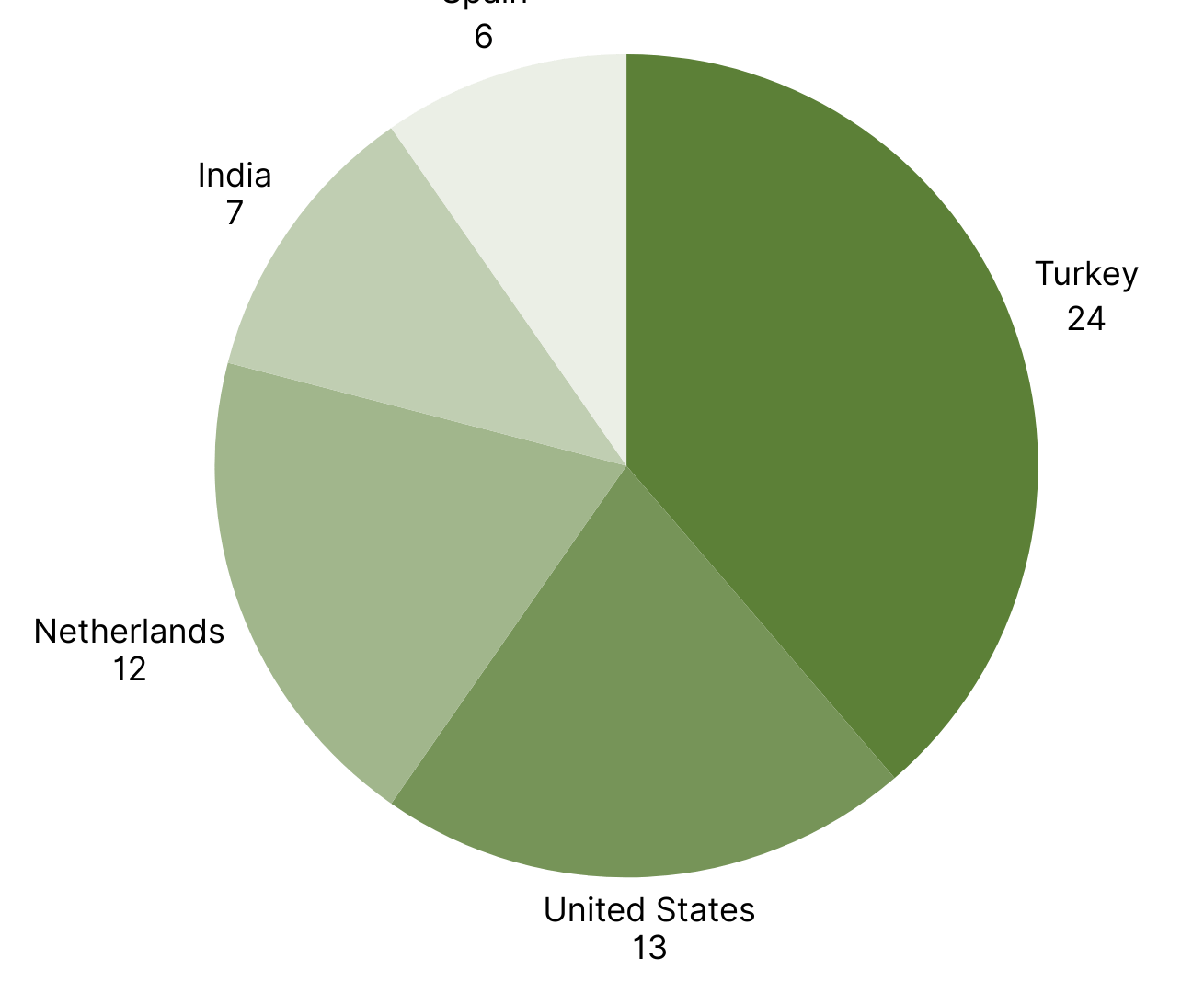
Graph 2: Top 5 Countries with the Most RASFF Alerts (Week 47)
The origin data for last week shows a clear concentration in a few countries:
- Turkey: 24 alerts (about 19% of all notifications). In fresh produce, 22 of the 39 fruit and vegetable alerts relate to products from Turkey, primarily dried figs and other dried fruits.
- China: 13 alerts (about 10%), including dried fruit, mushrooms, raisins and other products.
- Netherlands: 12 alerts (around 9.6%), often as a trade hub or processing/packing location for imported goods.
- India: 7 alerts (about 5.6%), covering guava, sesame, rice, cumin powder and pomegranate seeds.
Two points are worth stressing:
- High-alert countries are often key suppliers, not necessarily “unsafe” players. A higher number of notifications can reflect a very active trade and intense official control. For buyers, this means stronger documentation and testing routines, not automatic exclusion of a country.
- Mixed origins complicate risk management. Some alerts involve multiple origins (for example, beans from Argentina and Egypt) or products re-exported via EU hubs. For wholesalers, this increases the importance of full traceability at the lot level, not just at the country level.
Turning weekly alerts into everyday decisions
Looking across last week's data, three strategic lessons stand out for farmers, cooperatives, and wholesale buyers:
- Dried figs are telling us a wider story. When almost half of all fruit and vegetable alerts relate to one product and one hazard family (aflatoxins and ochratoxin A), this is not just a “bad lot”. It signals structural issues related to variety choice, orchard hygiene, drying practices, and post-harvest storage. Producers who invest in these steps, combined with systematic mycotoxin testing, are likely to become preferred suppliers in the medium term.
- Residue compliance is shifting from a paperwork exercise to a competitive advantage. Repeated pesticide issues in grapes, cucumbers, peppers and citrus show that MRLs and substance authorisations are moving targets. Growers who align plant-protection strategies with export market rules, document their applications and keep enough buffer before harvest reduce the risk of last-minute rejections and build more stable relationships with buyers.
- Small ingredients and side products can jeopardise entire brands. Alerts on herbs, spice mixes, brownies with hemp extract, and rice-cereal mixes with novel foods remind us that risk is not limited to the main commodity. For packers and processors, joint risk assessment across all ingredients, from cumin and sage to glazes and coatings, is now part of basic brand protection.