

Your weekly food recall & compliance tracker w43/2025
Last week, 123 food safety notifications were reported across the European Union's Rapid Alert System for Food and Feed (RASFF), with agricultural products accounting for nearly 44% of all alerts. Fresh produce, herbs, nuts, and cereals continue to face mounting regulatory scrutiny as unauthorised pesticide residues and mycotoxin contamination dominate the recall landscape.
Highlights at a glance
- Fruits and vegetables led all categories with 24 notifications (19.5% of total alerts), highlighting persistent challenges in pesticide management.
- Chlorpyrifos dominated hazard reports with 13 separate notifications, despite the EU's complete ban on this neurotoxic pesticide since January 31, 2020.
- India, Turkey, and China emerged as the highest-risk origin countries, collectively accounting for 27 notifications (22% of the week's total).
- Pesticide residues represented nearly one-quarter (24.5%) of all hazardous notifications, with unauthorised substances comprising 25.5%.
- Mycotoxin contamination affected 10 products, particularly dried fruits and nuts from Mediterranean and Middle Eastern origins.
- Microbiological hazards, including Salmonella and Listeria contamination, triggered 19 alerts across multiple product categories.
Top product categories affected by food recalls
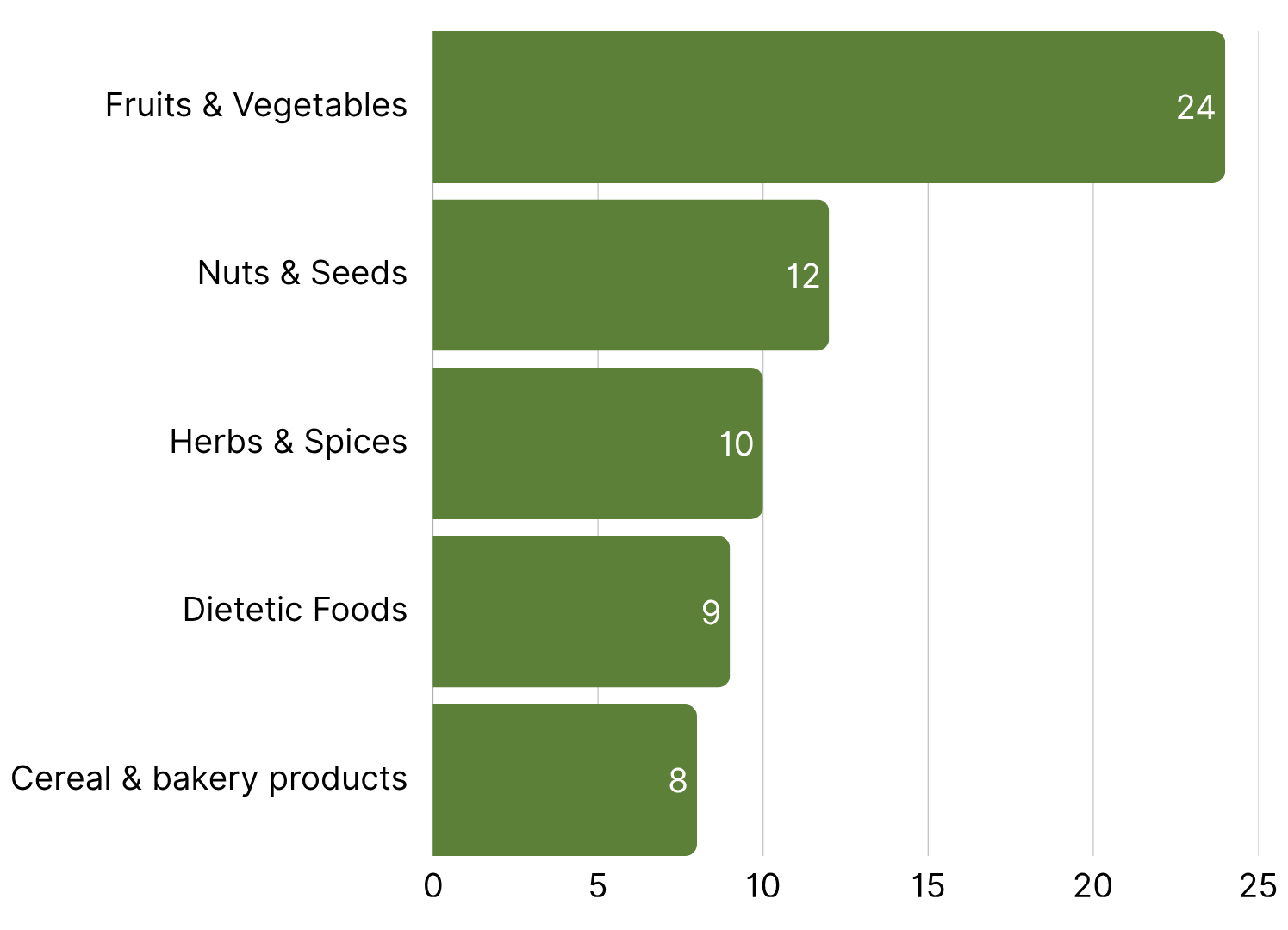
Graph 1: Top 5 Product Categories with the Most RASFF Alerts (Week 43)
Last week, fruits and vegetables led EU food safety notifications with 24 alerts, confirming their position as the most closely monitored category. Most cases involved pesticide residues, reflecting both high crop protection use and strict EU enforcement of maximum residue limits (MRLs).
Nuts, seeds, and nut products followed, with 12 alerts, mainly due to aflatoxin contamination —a recurring issue linked to warm, humid storage conditions.
Herbs and spices registered 10 notifications, mainly concerning pyrrolizidine alkaloids and ethylene oxide, both of which resulted from cross-contamination or banned sterilisation practices.
Cereals and bakery products triggered 8 alerts, including those related to mycotoxins and tropane alkaloids resulting from weed seed contamination.
Finally, animal products (meat, poultry, and fish) contributed 18 alerts, primarily due to Salmonella and Listeria, underscoring that while plant-based items dominate numerically, the EU's food safety monitoring remains comprehensive across all categories.
Fresh produce focus
Pesticide residue violations drove the majority of fresh produce alerts, with unauthorised substances accounting for the bulk of detected hazards. The recurrence of chlorpyrifos in 13 separate notifications exposes persistent gaps in supplier compliance and traceability systems. This organophosphate insecticide, linked to neurodevelopmental toxicity in children, remains in use in many producing countries despite its prohibition in European markets.
Table grapes emerged as a particularly problematic commodity, generating multiple alerts across diverse origins. Syrian grapes tested positive for five different pesticides simultaneously (chlorpyrifos, dimethoate, lufenuron, methomyl, and omethoate), demonstrating the cascading compliance failures that can occur when basic good agricultural practices break down. Italian, Turkish, and Egyptian grapes also triggered acetamiprid violations, revealing that contamination risks span both EU member states and third countries.
Citrus fruits faced scrutiny, with pomelos from China containing chlorpyrifos and clementines from South Africa testing positive for buprofezin, an unauthorised substance in the EU. These findings are particularly significant as citrus exports represent substantial trade volumes, and contamination incidents can trigger enhanced monitoring or even temporary import restrictions of entire categories.
Berries showed vulnerability to both pesticide residues and contaminants, with frozen strawberries from China containing procymidone and Egyptian frozen strawberries harbouring oxamyl and chlorfenapyr. These findings in frozen products indicate that contamination persists through processing, making pre-export testing essential rather than optional.
Dried fruits presented a dual threat profile, with pesticide residues in products such as raisins from China, the United Arab Emirates, and Turkey, and mycotoxin contamination in Turkish dried figs. Three separate notifications flagged Turkish figs for aflatoxins and ochratoxin A, toxic compounds produced by mould growth during harvesting, drying, or storage. This pattern suggests systemic challenges in the Turkish dried fig supply chain that require comprehensive quality management interventions.
Vegetables showed varied contamination patterns: Kenyan green beans with hexaconazole, Sri Lankan yard-long beans with metalaxyl, Thai chilli peppers with omethoate, and Chinese yam roots with cadmium.
Complete list of recalled fruits and vegetables
Fruits
- Pomelo (China): chlorpyrifos
- Dried figs (Turkey): aflatoxins (multiple notifications)
- Dried figs (Turkey): ochratoxin A
- Dried figs (Turkey): aflatoxins and ochratoxin A (combined contamination)
- Fresh dates (Iran): fenpyroximate
- Canned pineapple (Thailand): tin (MRL exceedance)
- Raisins (China): chlorpyrifos
- Raisins (United Arab Emirates): multiple pesticides (acetamiprid, captan, chlorpyrifos, fenpropathrin, indoxacarb)
- Dried raisins (Turkey): acetamiprid
- Pink grapes (Italy): acetamiprid and chlorpyrifos
- Grapes (Syria): multiple pesticides (chlorpyrifos, dimethoate, lufenuron, methomyl, omethoate)
- Grapes (Turkey): acetamiprid
- Grapes (Egypt): acetamiprid
- Frozen strawberries (China): procymidone
- Frozen strawberries (Egypt): oxamyl and chlorfenapyr
- Clementines (South Africa): buprofezin
Vegetables
- Gherkins, non-processed (India): paracetamol
- Green beans (Kenya): hexaconazole
- Yard-long beans (Sri Lanka): metalaxyl
- Fresh chilli (Thailand): omethoate
- Yam root (China): cadmium
- Lentils (Canada): bromoxynil
Cereals and grains
- Rice (India): chlorpyrifos
- Rice (Pakistan): aflatoxin B1
- Whole grain basmati rice (Italy): aflatoxin B1 and total aflatoxins
- Wheat flour (Spain): atropine
- Corn for popcorn (Argentina/Italy): tropane alkaloids
Herbs and spices
- Dried oregano (Turkey): pyrrolizidine alkaloids
- Garam masala spice (India): ethylene oxide
- Organic eyebright herb (Bulgaria): cadmium and pyrrolizidine alkaloids
- Ginger powder (India): chlorpyrifos
- Ginger powder (Germany): lead (high content)
- Turmeric powder (India): Salmonella
- Ground sweet paprika (Russia): ochratoxin A
- Cinnamon (Vietnam): ethylene oxide
- Black pepper (Brazil): (hazard not specified)
Nuts, seeds, and oilseeds
- Sesame seeds (India): chlorpyrifos (multiple notifications)
- Fennel seeds (India): chlorpyrifos (high content)
- Cumin (Syria): multiple pesticides (propamocarb, chlorpyrifos, carbendazim, azoxystrobin)
- Hazelnut kernels (Georgia): aflatoxins B1
- Peanuts (United States): aflatoxins
- Groundnuts (Togo): chlorpyrifos
- Groundnut kernels (Brazil): aflatoxins
Where do the recalled products come from?
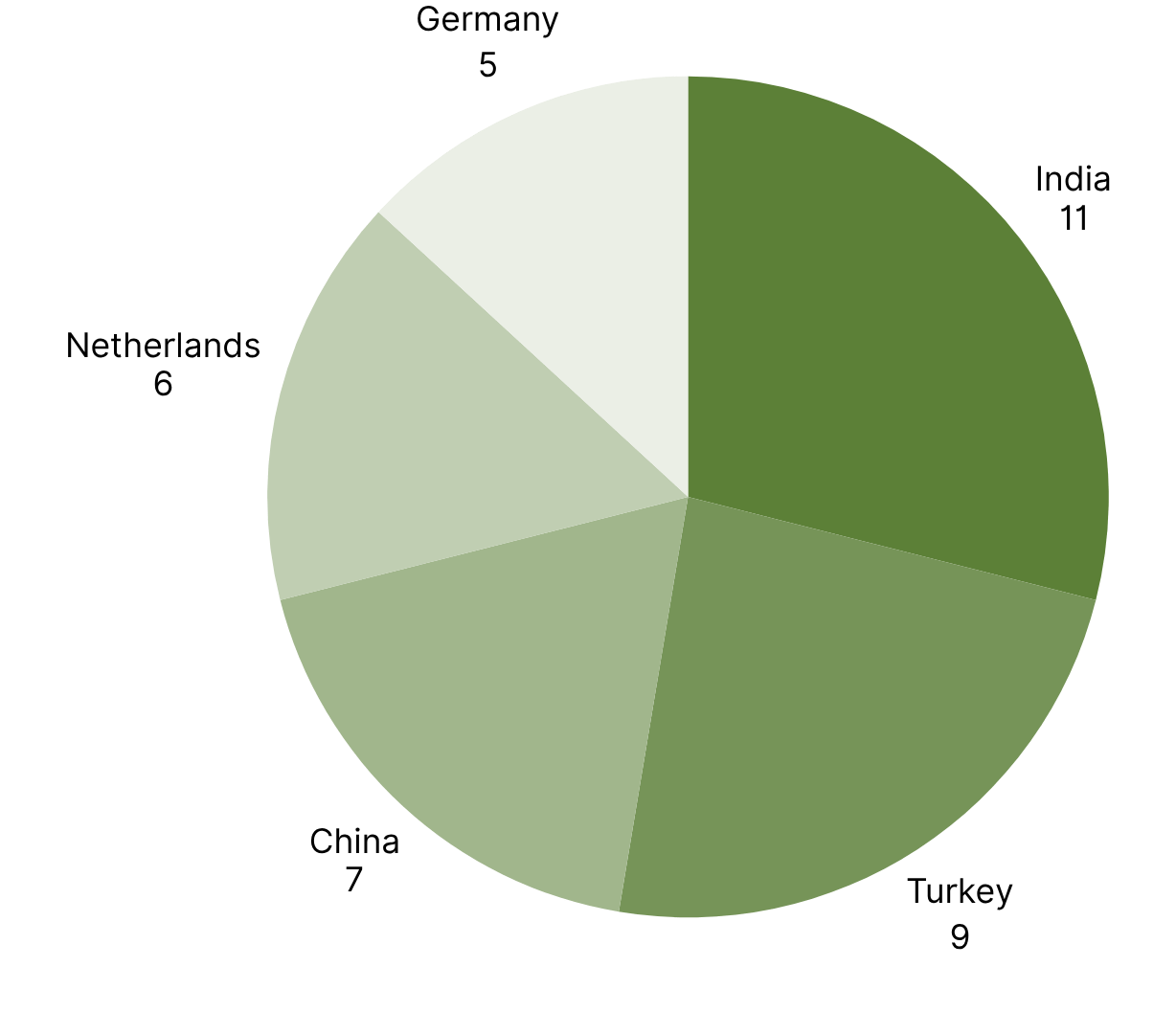
Graph 2: Top 5 Countries with the Most RASFF Alerts (Week 43)
Last week's data clearly clusters food safety violations among specific origins, offering useful insights for buyers and exporters.
India recorded 11 notifications (8.9%), mainly for pesticide residues, such as chlorpyrifos in fennel seeds, ginger powder, rice, and sesame seeds. Other alerts included ethylene oxide in garam masala and Salmonella in turmeric powder, highlighting gaps in both chemical and microbiological control.
Turkey followed with 9 alerts (7.3%), dominated by aflatoxin and ochratoxin A in dried figs, along with acetamiprid in grapes and raisins, and pyrrolizidine alkaloids in oregano. These findings indicate continuing challenges in drying and storage conditions for export commodities.
China registered 7 alerts (5.7%), including chlorpyrifos in pomelos and raisins, procymidone in frozen strawberries, and cadmium in yam roots, pointing to a mix of pesticide and environmental contamination risks.
European Union member states collectively generated substantial notifications, challenging the assumption that intra-EU trade guarantees safety. Netherlands (6 notifications), Germany (5), Poland (5), France (5), Ireland (4), Czech Republic (4), Spain (4), and Italy (3) all appeared on the alert list, primarily for microbiological contamination (Salmonella, Listeria) in animal products, though Italian grapes also triggered pesticide residue alerts.
Middle Eastern and North African origins showed concerning patterns: Syria generated 3 notifications, including the five-pesticide grape contamination event, while Egypt produced 2 alerts for acetamiprid in grapes and multiple pesticides in frozen strawberries. These findings reflect broader challenges in agricultural chemical management in regions where regulatory enforcement may be inconsistent.
African origins appeared across multiple notifications: Kenya (green beans with hexaconazole), South Africa (clementines with buprofezin), Togo (groundnuts with chlorpyrifos), and Georgia (hazelnut kernels with aflatoxins).
Insights from our team of food safety experts
Ethylene oxide
Last week, 2 detections, in garam masala from India and cinnamon from Vietnam, show that the global spice sector still struggles with this banned sterilisation method. Ethylene oxide is a known human carcinogen, prohibited in the EU for food use since 2020. Yet some processors continue to use it to control microbial loads, either unaware of the ban or unable to adopt safer technologies such as steam sterilisation.
Its continued presence highlights the need for strict pre-shipment testing. Even trace residues can trigger a recall under EU limits. Buyers sourcing spices from Asia or the Middle East should ask for analytical certificates confirming the absence of ethylene oxide and prioritize suppliers using approved sterilisation systems.
Heavy metal contamination
7 alerts the previous week involved heavy metals, including lead in ginger powder and sausage, mercury in swordfish, cadmium in yam roots and eyebright herb, and tin in canned pineapple. These incidents show that metal contamination often comes from environmental pollution rather than direct misuse. Industrial emissions, contaminated soils, and old mining activity all contribute to residues that persist for decades.
Routine heavy metal screening should form part of procurement checks, especially for crops grown near industrial zones or mining areas. Reducing contamination requires long-term soil management and continuous monitoring rather than short-term fixes.
The unusual case of pharmaceutical residues
One of the most unexpected findings was the detection of paracetamol in Indian gherkins. Although rare, pharmaceutical residues can enter food chains through polluted irrigation water or processing facilities located close to pharmaceutical plants.
While this may be an isolated case, it reminds us that industrial wastewater and urban expansion can introduce new contaminants into agriculture. Broader testing and vigilance will be essential to prevent such unusual incidents in the future.
Conclusion
Week 43’s data paints a clear picture: the EU’s food safety radar remains highly active, and most recalls continue to stem from preventable issues, mainly pesticide residues, mycotoxins, and inadequate supplier oversight. For growers and exporters, the message is straightforward: compliance starts on the farm and ends with traceable, well-documented quality systems.
Sources
European Union's Rapid Alert System for Food and Feed (RASFF)