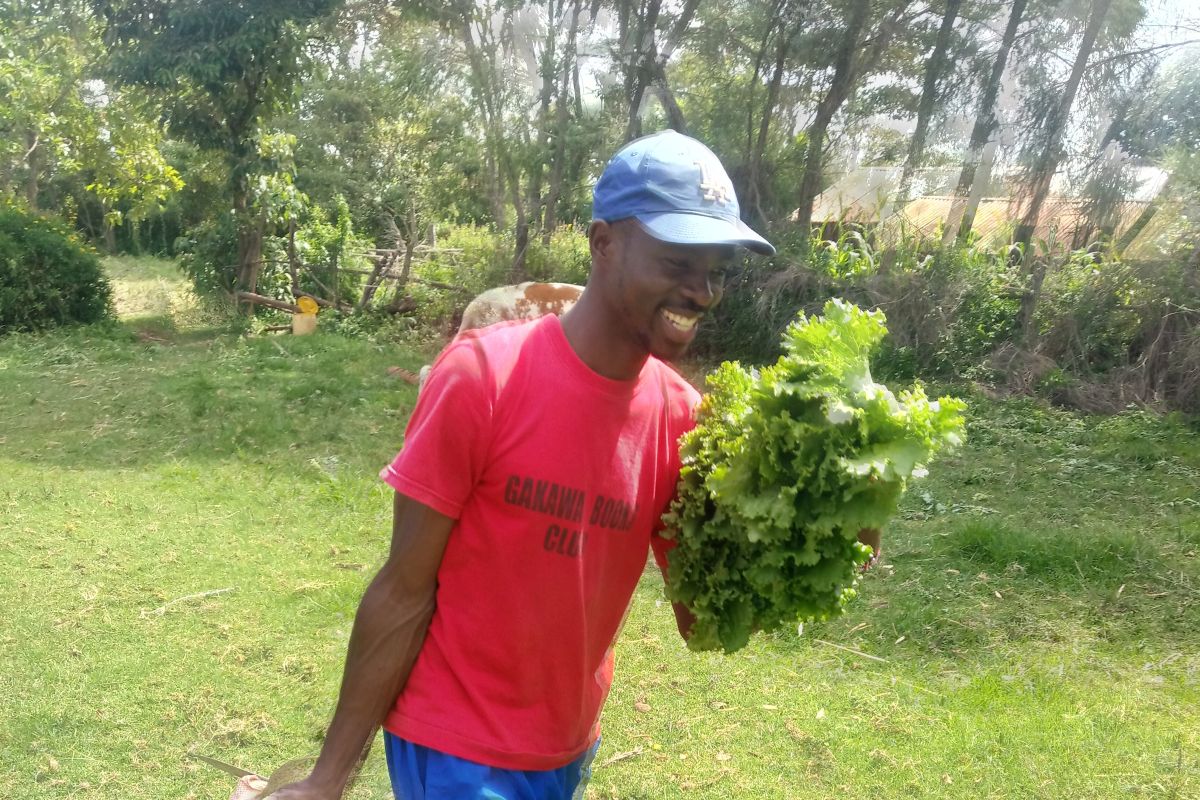
In 2015, Kathurima Mwongera had what many young professionals would call success: a Bachelor of Commerce degree, a stable job as a human resource officer, and a steady salary in Nairobi’s bustling corporate world.
Yet behind the polished resume, Mwongera felt unfulfilled. "I was constantly in traffic, constantly in the office, and constantly unwell," he recalls. "The city felt hectic and unproductive. I realized it wasn't the life I wanted—I wanted something slower, more intentional."
By the end of the year, he made a decision that surprised colleagues and worried his family: he resigned and returned to his rural village.
A decade later, Mwongera has transformed that leap of faith into real impact. He is the founder of Upcountry Success, a grassroots initiative helping rural youth build livelihoods in agriculture without needing initial capital. Today, he is recognized as a youth agripreneur and advocate for community-driven farming, empowering young people and mobilizing resources to strengthen rural communities in Kenya.
Humble roots, unexpected beginnings
Mwongera grew up in Meru County on less than two acres of farmland, where his parents cultivated potatoes, cabbage, and carrots. Despite being farmers themselves, they discouraged their children from working the land.
"They didn't want us to farm," he recalls. "Farming was seen as something for rural people who never went to school. They wanted us to become educated professionals, prioritizing school above all else, and valued education so highly that farm work was discouraged."
His first real experience came after high school, when his parents gave him a small 20-by-20-meter plot to grow sukuma wiki (kale), mainly to cover his personal expenses. "I just wanted to go out on Sundays without having to ask for money," he explains. "That small farm gave me that freedom."
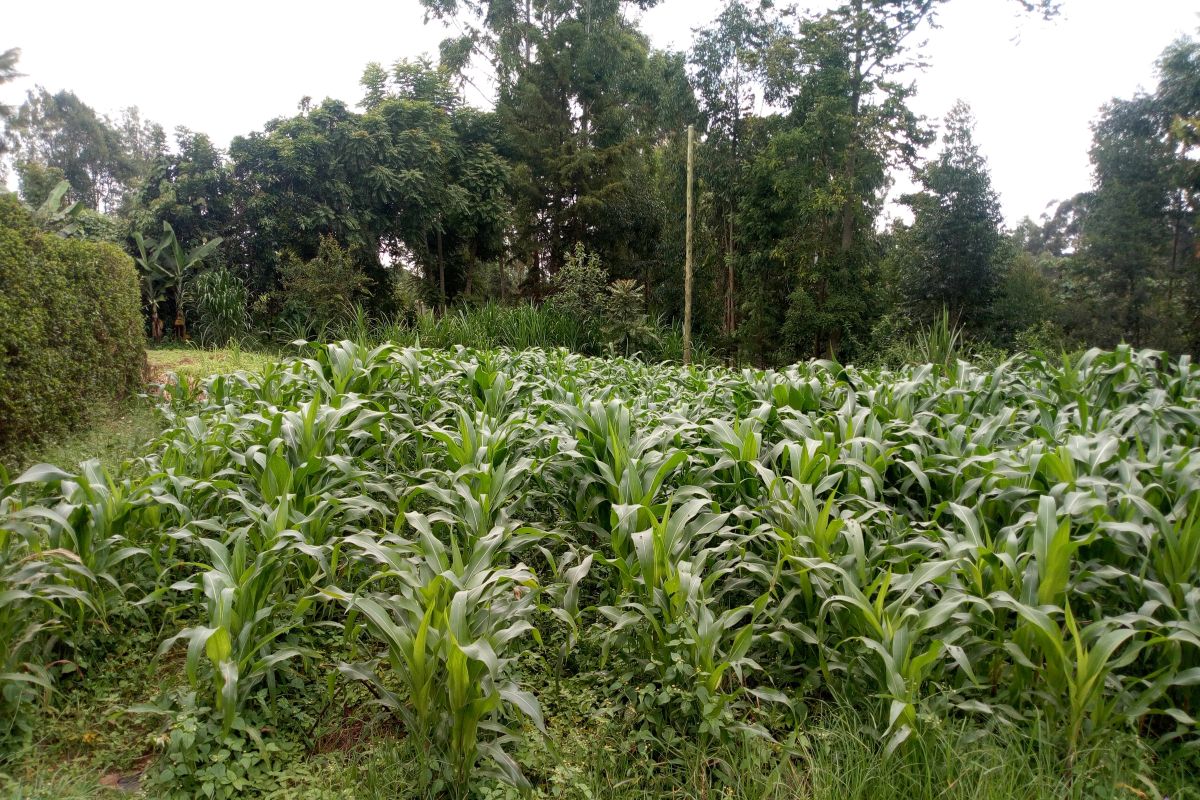
It was a lesson in financial independence—one that would later become the cornerstone of his career.
Trading the office for the farm
After graduating from Kenyatta University in 2014, Mwongera worked in HR for two years. On paper, his career trajectory looked promising. Internally, however, he felt disconnected.
"The office felt like a cage," he says. "I wanted a life where I could see direct results from my work."
When he quit, his parents were alarmed. "They had invested in my education so I wouldn't struggle on a farm," he explains. "Leaving formal employment felt reckless to them."
He admits he struggled with self-doubt. But one conviction outweighed the fear. "I wanted a life I could control."
Tackling the capital crisis
Upon returning to his village, Mwongera revisited research he had conducted in 2013 on barriers facing rural youth. One issue stood out: lack of capital.
"The lack of capital came up again and again," he says. Instead of viewing it as a dead end, he reframed it as a coordination problem. "I told young people, you don't always need money to start. You need organization and coordination."
That philosophy became the foundation of Upcountry Success. Rather than relying on traditional fundraising, he focused on mobilizing resources—a creative approach that allowed social projects to launch without initial capital. He began bringing together people and communities to unlock idle assets.
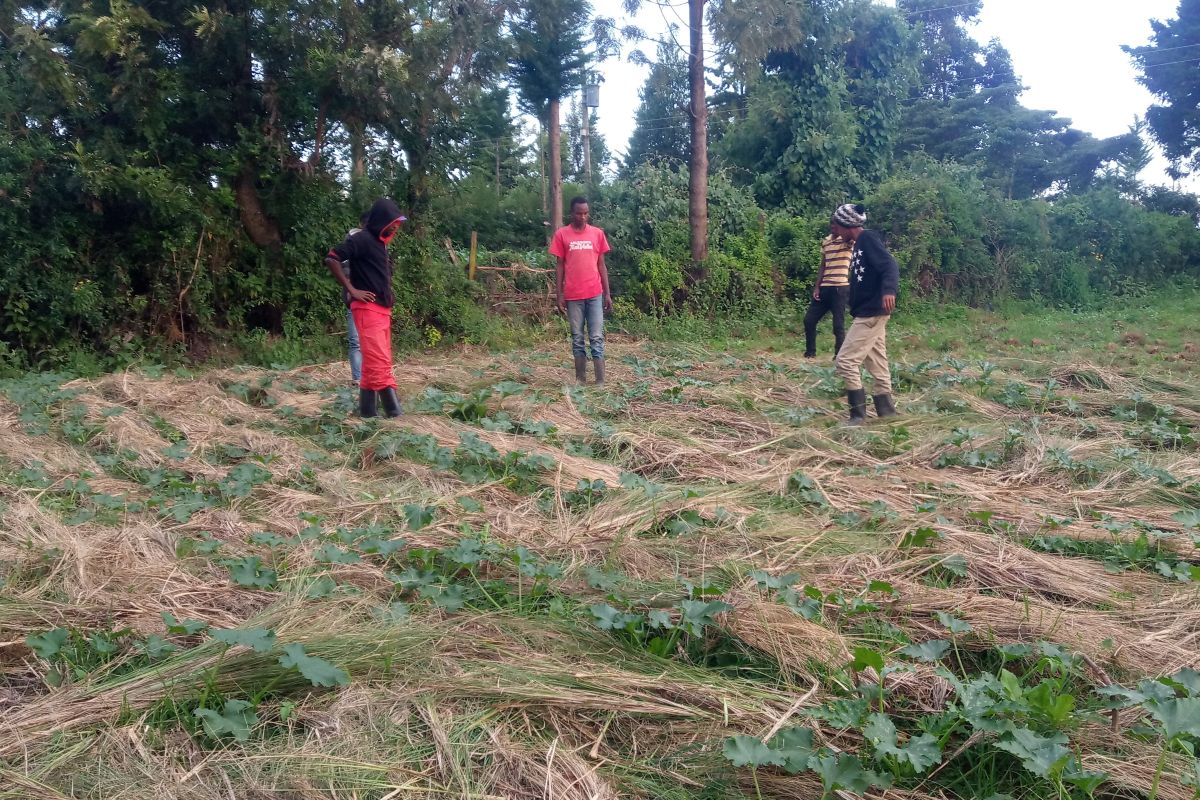
One early project involved church youth starting a tree and flower nursery. The parish priest provided land and seedlings. The youth contributed labour. The seedlings sold—and today, the parish compound is partly fenced thanks to the project.
In another case, village youth gained access to idle land through a local administrator. A politician contributed manure. The landowner provided water and sprinklers.
"No one started with capital; we started with relationships. Seeing young people make something out of nothing—it changed how the community viewed youth farming," he says.
More recently, he negotiated access to a disused greenhouse for two seasons so young farmers could grow cucumbers at zero entry cost.
"We don't ask of young people what they don't have," he explains. "We look at what already exists around them."
Hard lessons in agribusiness
While mentoring youth, Mwongera also began personal farming partnerships in 2018. The journey hasn't been without its challenges.
A greenhouse bell pepper project collapsed when a partner responsible for sales ran off with the proceeds. "I realized the numbers just didn't add up, and he wasn't being transparent. He kept it all for himself," he recalls.
A later mushroom-farming venture in 2022 ended when a partner unexpectedly walked away, abandoning months of hard work.
The setbacks were painful—but instructive. "I learned a rule I now live by: do not invest where you don't have control."
Today, Mwongera has temporarily paused his own farming operations to strategize his approach. He insists it is not permanent. "This is a pause, not an exit," he says. "I haven't quit farming, I just need the right structure. I plan to return," including plans for poultry production once oversight and management challenges are resolved.
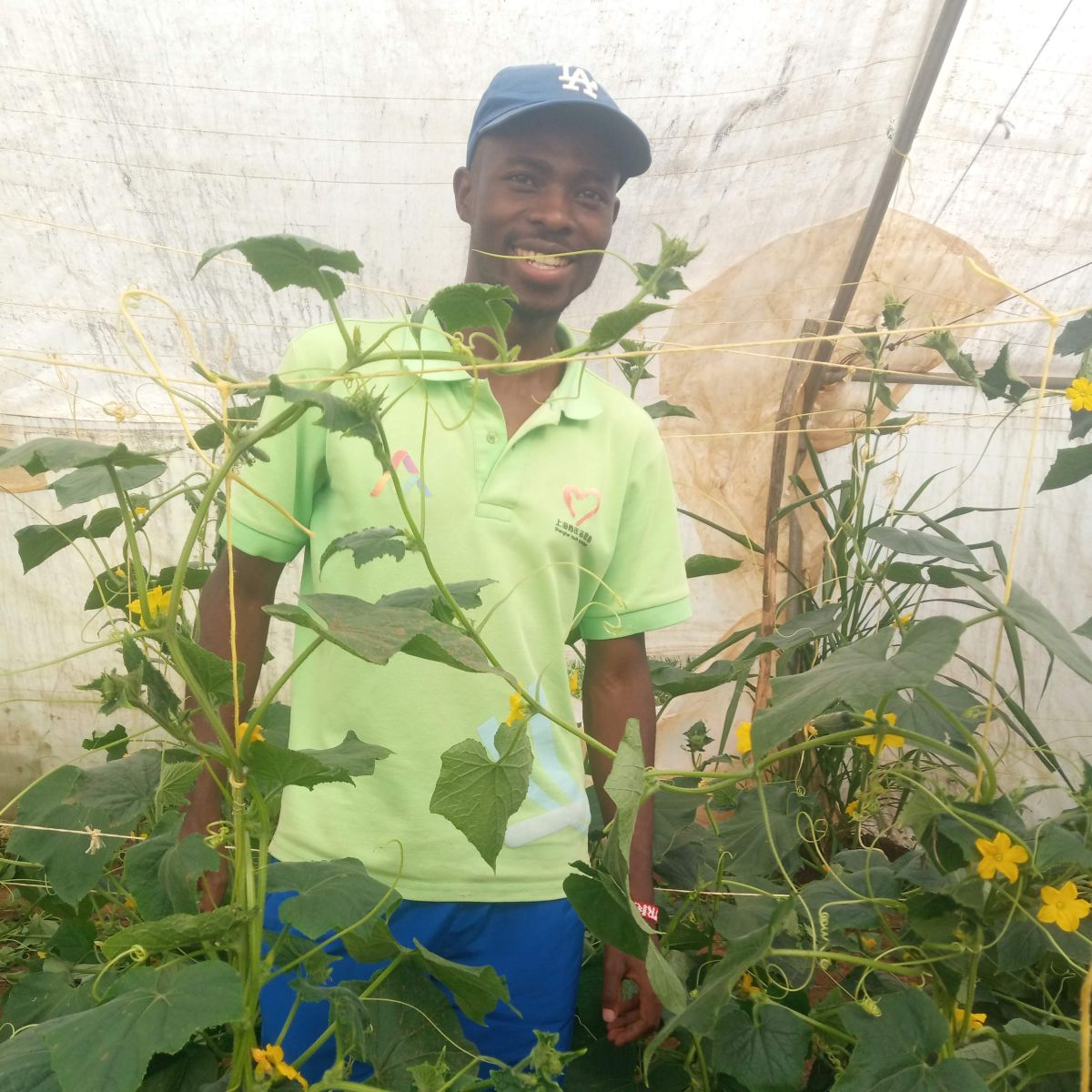
Farming as therapy—and business
For Mwongera, agriculture is both personal and practical. "It's peaceful, meditative, and therapeutic," he says. "Having crops and animals around you, watching something grow because of your effort—it grounds you."
But sentiment alone isn't enough. Farming must be approached with discipline. "Farming should make sense on paper," he says. "You must plan every step. If you don't see the end, don't start."
He champions the importance of recordkeeping, noting that many farms still neglect it. Through Upcountry Success, he introduced shared Google Sheets to track planting schedules, labour inputs, irrigation, and sales—not just for his own projects, but also for his parents' farm. In doing so, he teaches participants the value of data, organization, and careful planning.
To prevent financial mismanagement, Mwongera designed a system in which access to project funds requires multiple people: one holds the SIM card, another the password, and a third the device. "It forces accountability and prevents theft," he explains. “Everyone has a role, and no one acts alone.”
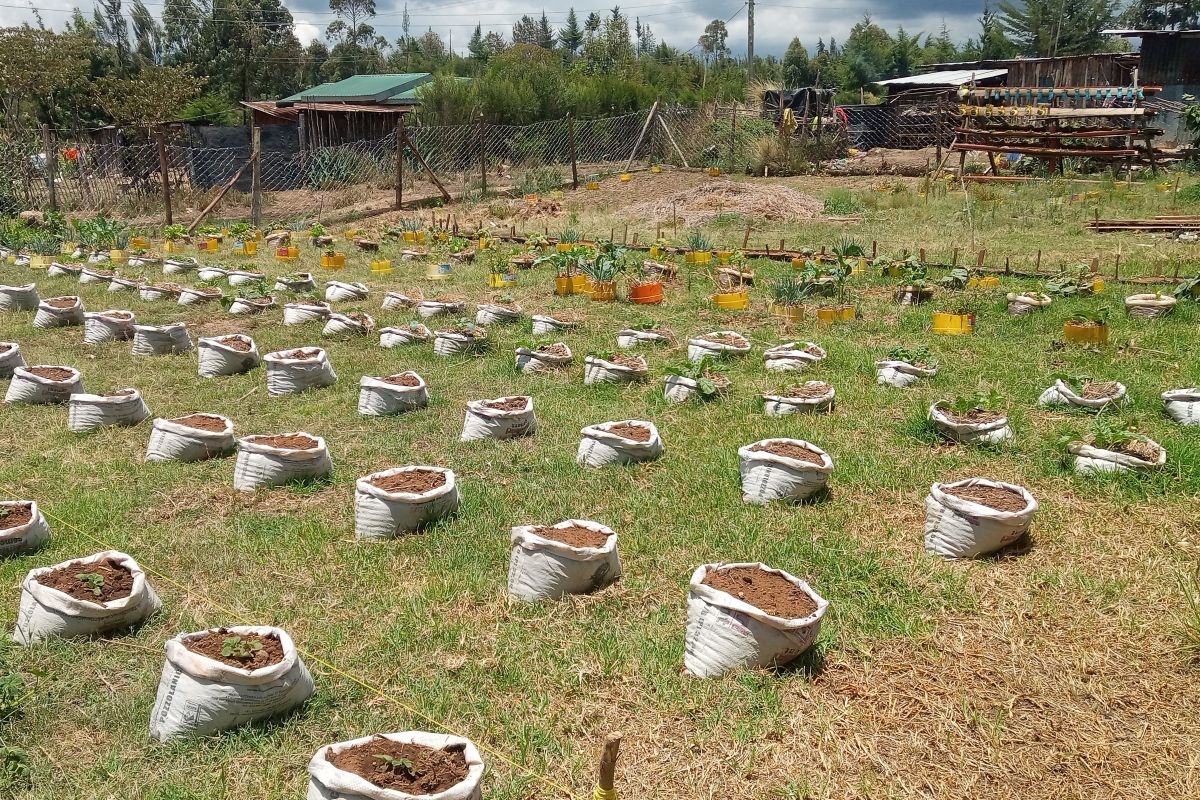
The vision for smart, sustainable agriculture
Mwongera believes the future of Kenyan agriculture lies at the intersection of sustainability and technology. He advocates conservation agriculture, intercropping for natural pest control, organic solutions, and mulching to retain water—practices that protect the soil while boosting yields.
He also envisions smart farms where irrigation, soil moisture, and crop health can be monitored remotely via mobile phones. "You shouldn't have to sit on the farm all day to farm," he says. "Smart farming is the future." For him, technology is a tool to make agriculture efficient, scalable, and professional.
Central to his mission is changing the perception of farming. "Kenyan agriculture must be dignified," he explains. "That's how you attract educated youth." He imagines a generation of tech-enabled farmers who see agriculture as profitable, respected, and innovative rather than dirty or backward.
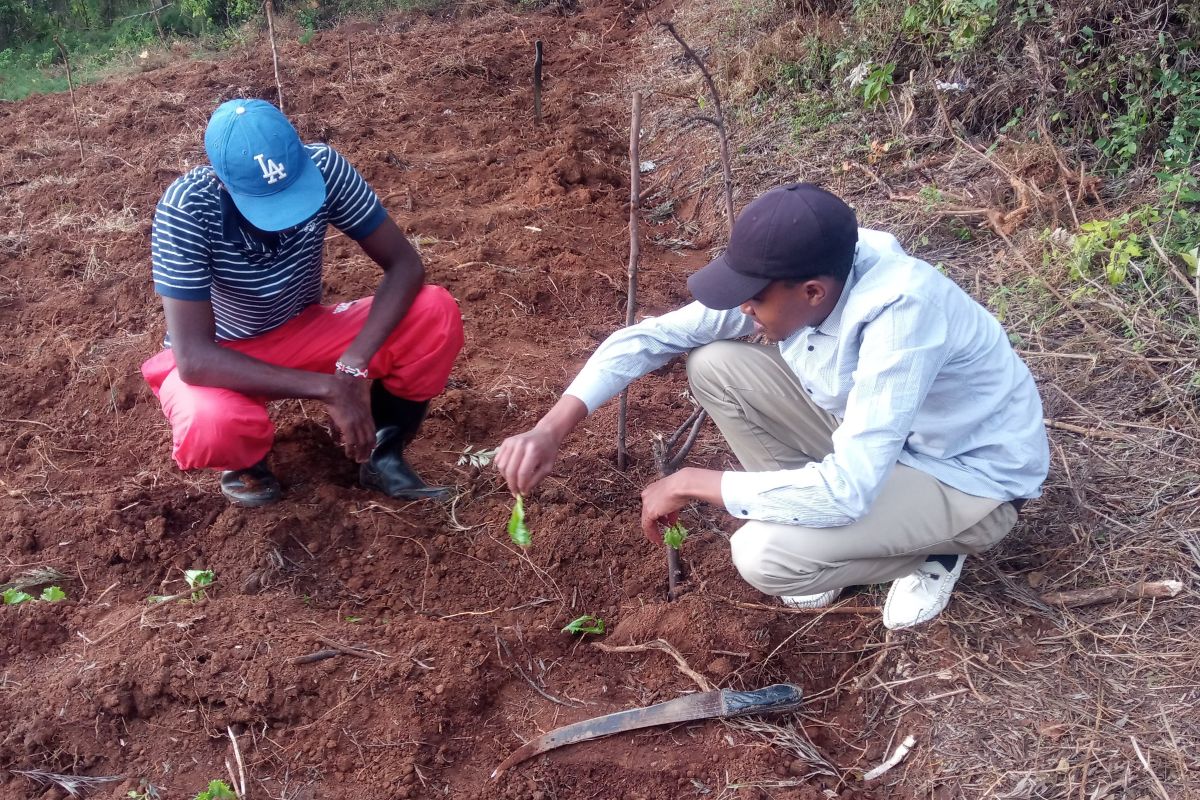
Recognition and ripple effects
In 2017, the Meru County government asked Mwongera to organize a youth entrepreneurship training course. Several participants later received startup capital to launch their own ventures. "It showed me that volunteer efforts can truly influence policy," he reflects.
Yet the greatest measure of success for Mwongera is mindset change. His friend and former project partner, Jeff, remains a reminder of that impact. "Through our work together, Jeff now approaches farming not as subsistence but as a business," he says. "That shift in mindset is everything."
For Mwongera, these quiet transformations carry more weight than any award. They are the ripple effects of his efforts—small actions that can reshape how a generation sees agriculture and entrepreneurship.
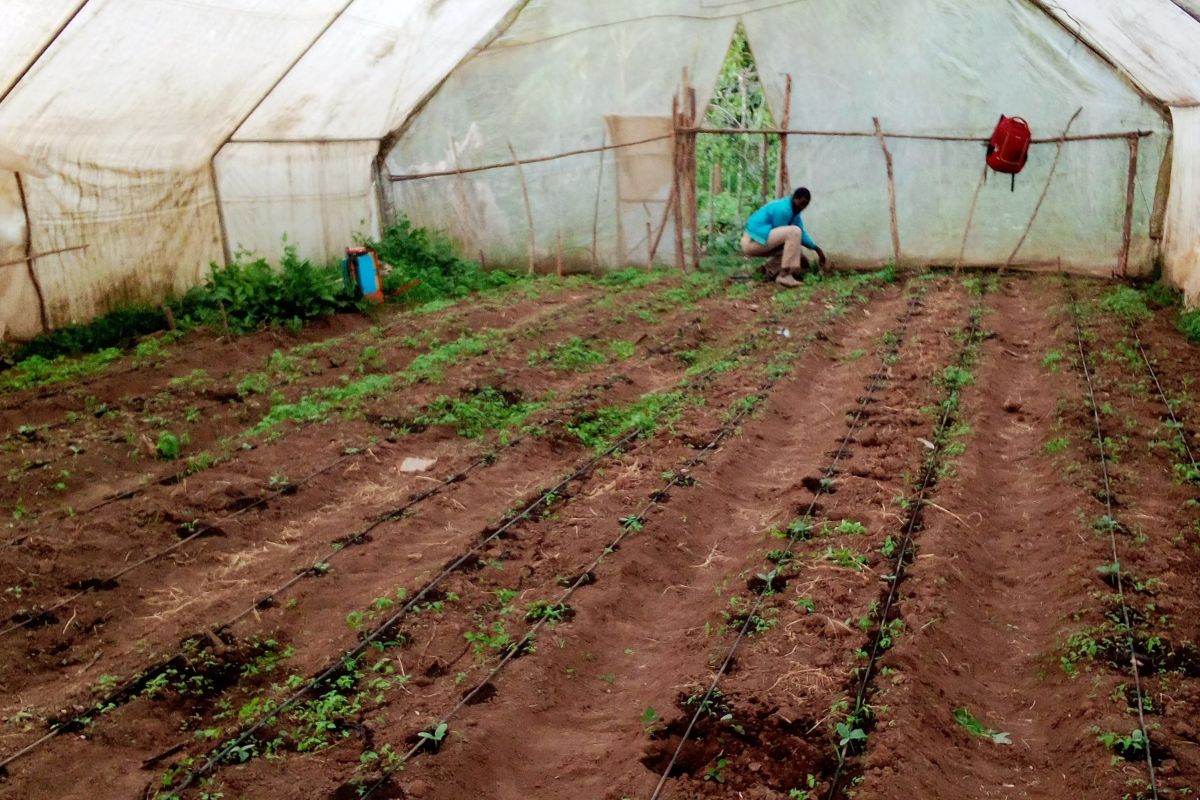
Redefining success
Today, Upcountry Success is evolving into a legally registered, self-sustaining organization focused on linking youth to land, digital tools, and agricultural opportunity.
In a country where agriculture employs the majority yet struggles to inspire young professionals, Mwongera represents a new generation reshaping the sector—strategic, tech-aware, and community-driven.
"My life goal is simple," he says. "To be actively engaged in farming and community transformation."
And his advice to aspiring farmers? "Plan all the way," he says. "See the end before you begin."