


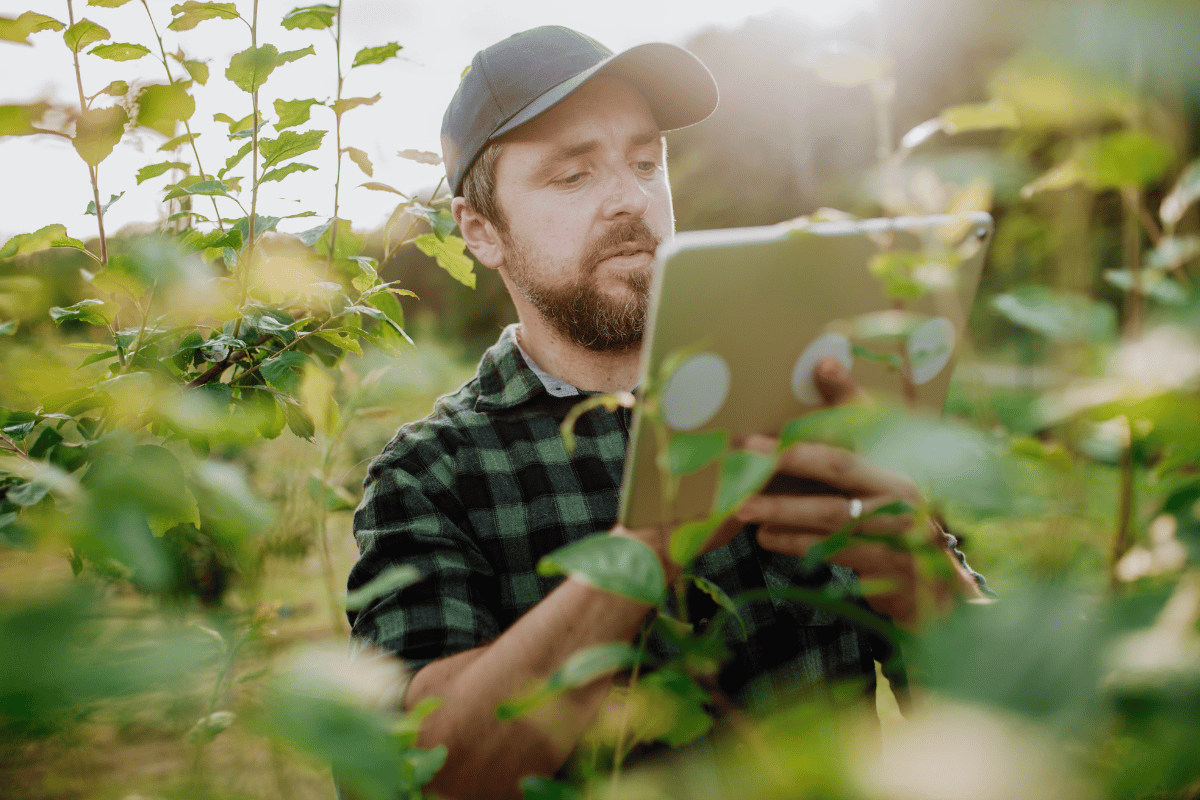
The smart revolution in small farms
Precision agriculture, once a concept reserved for large, high-tech operations, is now transforming the way smallholder farmers grow food. Smallholders around the world, who often rely on limited land and resources, are discovering that technology can help them do more with less. With access to affordable sensors, mobile apps, and digital data, even small plots can become information-rich, where every input is managed with precision.
This revolution is not just about machines, but it's about mindset. It represents a shift from empirical decision-making to data-informed farming, where farmers utilize technology to observe, measure, and respond to field variability in real time. As climate change and market fluctuations intensify, precision agriculture provides small farmers with the means to adapt quickly, utilize resources efficiently, and build resilience.
Through data, sensors, and smart tools, even the smallest farms can boost productivity, save resources, and thrive. But how do small farmers make this leap from traditional practices to technology-driven precision? Let's explore the tools, barriers, and steps that can help turn challenges into success stories.
Why precision agriculture matters for smallholders
Across much of the world, smallholder farmers face a perfect storm of rising costs, unpredictable weather, and soil degradation. Precision agriculture, through data-driven solutions that receive information from satellite imagery, drones, and camera-based ground sensors, like Viewer from EdenCore, offers targeted solutions to these issues.
Efficient input use through targeted applications
Identifying different productivity zones allows farmers to apply fertilizers, water, pesticides and other agricultural practices, such as defoliation and thinning, only where and when needed. By understanding what each section of their land requires, farmers can make the most of every drop, every seed, and every hand. This targeted approach connects directly to improved soil health management and resource conservation.
Higher yields with early problem detection
Growers are now capable of detecting nutrient deficiencies, pest infestations, or abiotic stress early. Acting on this information in real time allows them to prevent losses, improve plant health, achieve more consistent harvest, and eventually increase profitability.
Environmental protection through reduced chemical use
Smart farming practices reduce excessive chemical use, cutting runoff that pollutes nearby water sources, and spray drift that causes air pollution. Precision agriculture supports biodiversity, improves soil structure, and decreases greenhouse gas and other PPP emissions. When technology aligns with local needs, it can transform agriculture from subsistence to success.
Barriers holding back adoption
Despite its promise, several interconnected barriers continue to slow down the widespread adoption of precision agriculture among small-scale farmers. These challenges can be grouped into three main pillars.
Financial limitations
High equipment costs and limited financing options remain the most significant hurdles. Many growers simply cannot afford technologies such as drones, sensors, or software subscriptions. Even when low-cost options exist, access to credit or insurance is often limited.
Digital and technical capacity
Precision agriculture is built on information, collecting, interpreting, and acting on data. Farmers are already skilled observers of their land and crops, and digital tools can strengthen these abilities by adding new layers of insight. The challenge often lies not in understanding farming, but in becoming familiar with new devices and data platforms.
Design mismatch with smallholder needs
Most solutions have been designed for large, uniform fields and are not easily adaptable to the smaller, fragmented plots typical of smallholders. When these key barriers are addressed through inclusive design, financial innovation, and strong institutional support, farmers can fully harness the potential of precision agriculture and evolve from conventional to smart farming.
Practical steps for integration
Transitioning to precision agriculture doesn't need to happen overnight. For many growers, success comes from taking gradual, practical steps that fit their specific needs, budgets, and capacities. A structured yet flexible approach can make the shift smoother and more rewarding.
Start with awareness and exploration
The first step is understanding what precision agriculture can do for a specific farm. Farmers can begin by attending workshops, engaging with local cooperatives, or observing pilot projects nearby. Seeing smart farming technologies in action can make its benefits tangible and relatable.
Begin small and experiment
Adoption works best when it starts with one manageable tool or practice. Starting small reduces risk, allows learning through doing, and helps build confidence before scaling up. For example, implementing simple soil moisture sensors or basic weather monitoring apps can provide immediate value without overwhelming investment.
Collect and interpret data
Once farmers begin using digital tools, they can start collecting valuable insights on soil, water, or crop health. The key is not just gathering information, but learning how to interpret it for practical decisions—like adjusting planting dates, irrigation schedules, daily farming operations, or fertilizer and chemical applications. In other words, they need to translate data into action. After all, "data is only useful when you can use it."
Integrate and expand
As experience grows, smallholders can combine multiple capabilities to create a more holistic farm management approach. For example, linking weather forecasts with soil data can improve irrigation planning, while combining vigor with productivity maps can optimize nutrient application. Drip irrigation systems paired with soil sensors exemplify this integrated approach. The goal is to build an integrated system that aligns with farm goals and resources.
Maintain and sustain
The long-term success of precision agriculture depends on maintenance, learning, and collaboration. Regularly servicing equipment and updating software ensures tools remain effective. Continuous learning—through training programs, peer exchanges, and online communities, helps farmers stay updated on evolving techniques and opportunities.
By moving step by step, smallholders can gradually transform their farms into smarter, more resilient systems, proving that precision agriculture is not just for the few but for everyone committed to a sustainable agricultural future.
Making it work — policy, partnerships, and training
The journey requires more than technology, it demands collaboration, innovation, and practical support. Financial limitations can be addressed through cooperative ownership models, equipment-sharing services, and microfinance tailored to agriculture.
Digital and technical challenges, such as the need for farmers to learn to use new devices and data platforms, can be overcome by providing hands-on training, peer learning opportunities, and practical demonstrations that integrate digital tools with traditional knowledge. Community workshops, local extension services, and farmer-to-farmer learning sessions play an important supporting role.
Governments and NGOs can drive progress by investing in infrastructure, connectivity, and digital training, while financial institutions can support farmers with microcredit and insurance solutions designed for smart agriculture. Farmer cooperatives amplify impact by sharing costs, negotiating better deals, and fostering knowledge exchange, and private-sector partners provide accessible services and localized support.
Together, these coordinated efforts create a robust, connected ecosystem in which technology, collaboration, and practical solutions turn potential into meaningful results.
Planting the path forward
Precision agriculture is not just about sensors and satellites—it's about empowering people. When farmers gain access to knowledge, tools, and trust, they can produce more food, earn higher incomes, and protect the planet. By blending traditional wisdom with modern technology, small farmers truly can go from zero to hero in the digital age of farming.
Conclusion
The transformation from traditional farming methods to precision agriculture represents more than a technological shift—it's a pathway to resilience, profitability, and sustainability for smallholder farmers worldwide. While barriers exist, they are far from insurmountable. Through gradual adoption, community support, and inclusive design, even the smallest farms can harness the power of data-driven decision-making.
Success stories are already emerging from farmers who started with a single sensor or mobile app and gradually built comprehensive smart farming systems. These pioneers demonstrate that with the right support structures—from cooperative ownership models to government initiatives, precision agriculture can democratize agricultural success.
The future of food security depends on empowering the millions of smallholder farmers who feed much of the world. By making smart farming accessible, affordable, and adaptable to local contexts, we invest not just in technology, but in the people who will cultivate a more sustainable and productive agricultural future.