- Flax (Linum usitatissimum) is one of the oldest cultivated crops, dating back over 6,000 years.
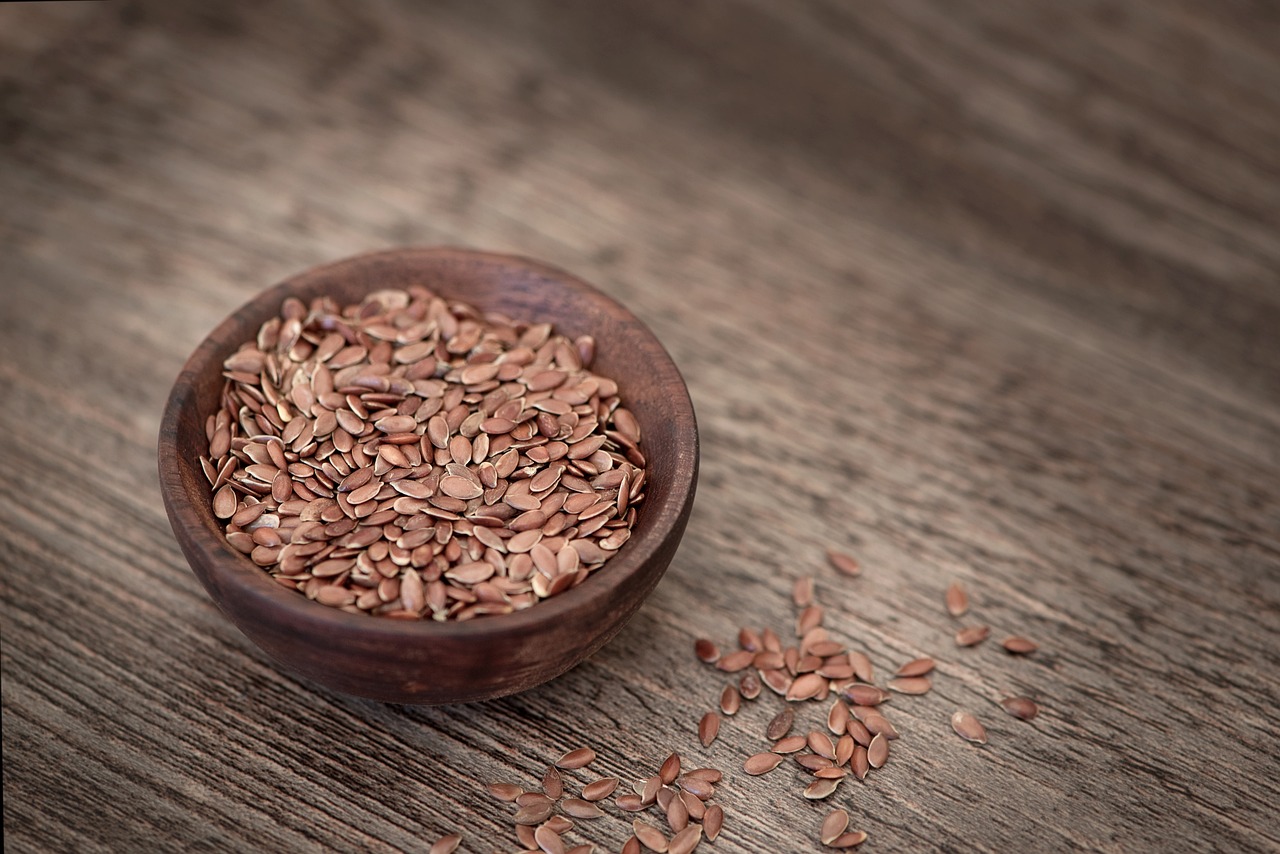
- It is primarily grown for its seeds (flaxseed or linseed) and fiber, used to make linen.
- Flax is rich in omega-3 fatty acids, particularly alpha-linolenic acid (ALA), which supports heart health.
- The plant is a member of the Linaceae family and grows well in cool, temperate climates.
- Flax seeds are an excellent source of dietary fiber, containing about 27 grams of fiber per 100 grams of seeds.
- Canada, Russia, and Kazakhstan are among the largest producers of flax globally.
- The seeds can be consumed whole, ground, or used to extract flaxseed oil, which is popular in cooking and health supplements.
- Flax contains lignans, which have antioxidant properties and may support hormone balance.
- Flax fibers are strong and flexible, making them ideal for producing linen, a durable textile.
- Flax seeds are commonly used in baked goods, smoothies, and cereals due to their nutritional benefits.
- Flax seeds are also used to produce plant-based milk alternatives. Flaxseed milk is a nutrient-rich beverage that offers omega-3 fatty acids crucial for heart health, blood pressure, brain function, and overall well-being.
- Flax fiber is used to manufacture linen cloth and thread, canvas and writing paper, strong twine, carpets, fish lines, cigarette paper, and insulating materials.
- The oil extracted from flaxseed is highly valued in industrial products like paints, varnishes, and linoleum.
 LIBRARY
Other Solutions

Change language
Sofi AI
Get instant answers to all your farming questions
Facts about Flax

Library
1 min read