


Food recall notifications in Europe | Week 6, February 2–8, 2026
A shift that is hard to ignore
While the total number of recalls last week remained within the normal range, the difference lay in where the issues occurred rather than in how many there were.
Belgium recorded five notifications, the same number as India and just behind Turkey. That alone would not be remarkable if one of those cases had not involved heptachlor in Belgian-grown Hokkaido pumpkins, a pesticide banned in the EU since 2007.
This was not an import that slipped through border checks. It was produce grown inside the EU, nearly two decades after the ban. For anyone trading fresh produce, this matters because it challenges a long-standing comfort zone: the idea that EU origin automatically means lower compliance risk.
Stay up-to-date with our weekly food recall tracker
What stood out in the notifications
In total, 82 notifications were issued across food, feed, and food contact materials.
Fresh fruit and vegetables remained the most affected category with 14 cases, followed by nuts and seeds, cereals and bakery products, and poultry. At first glance, this looks like a familiar pattern. On closer inspection, it shows something else.
Mycotoxins were the most frequent hazard, driven mainly by aflatoxins and ochratoxin A. Pathogenic microorganisms and pesticide residues followed closely. This combination points more to storage conditions, post-harvest handling, and control discipline than to field-level surprises.
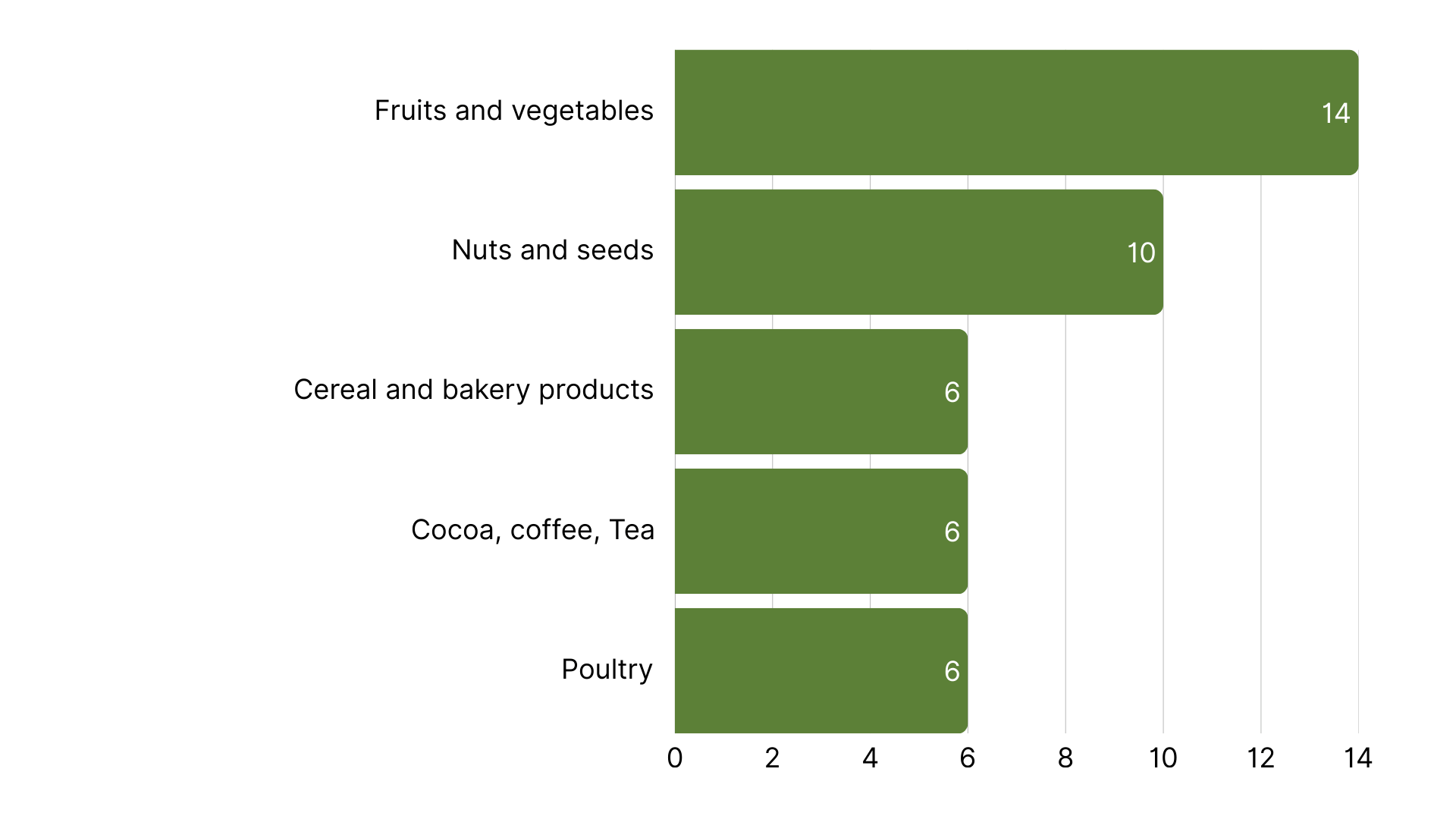
Graph 1: Top 5 Product Categories with the Most RASFF Alerts (Week 6)
Belgium and the questions raised by the multiple recalls
Belgium’s notifications last week covered a wide range of failures:
- a banned pesticide in vegetables
- Salmonella in poultry
- Listeria in a ready-made dish
- contamination during food manufacturing
- undeclared substances in a supplement
When one country appears across such different categories in the same week, it suggests more than isolated mistakes. It raises questions about how consistently controls are applied across the chain.
For buyers, the takeaway is practical rather than political: origin alone is no longer enough as a shortcut to risk. EU suppliers are increasingly being treated like any other supplier, with the same requests for testing, documentation, and traceability.
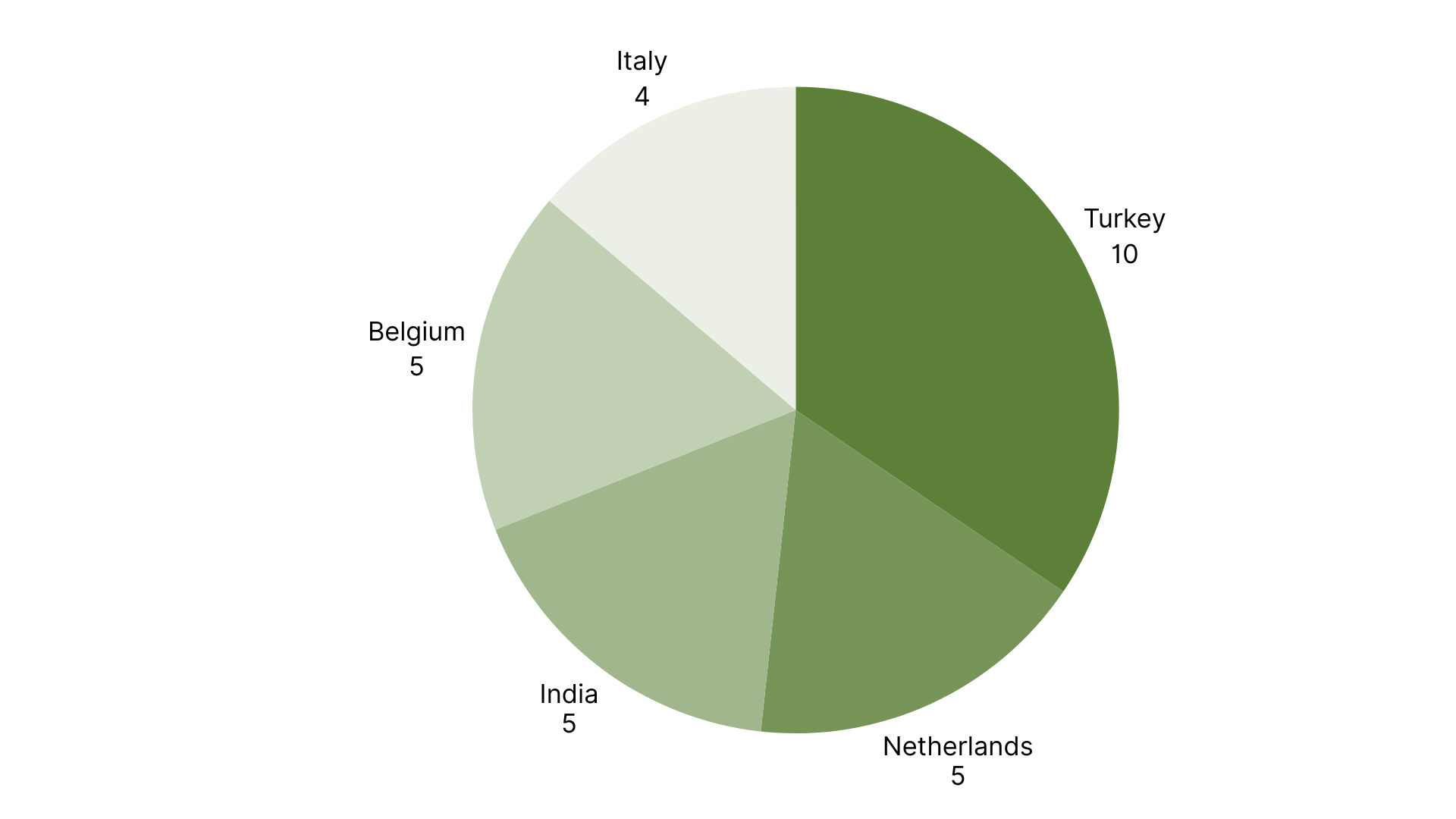
Graph 2: Top 5 Countries with the Most RASFF Alerts (Week 6)
Fresh produce: Fewer cases, same underlying risks
There were fewer fresh produce alerts than in January. This should not be mistaken for improvement.
February is a quieter month for imports. Volumes fall, inspections continue, and fewer detections are expected simply because fewer consignments move. What did not change was the nature of the findings.
Pesticide residues remained prominent, including chlorpyrifos in oranges from Egypt and aubergines from Burkina Faso, despite the substance being banned in the EU for years. Norovirus in Moroccan raspberries again highlighted hygiene and water management issues in berry production. Turkish tomatoes were flagged for indoxacarb, adding to a broader pattern seen in recent weeks.
The pattern of issues remains consistent and uncorrected.
Dried fruit keeps appearing in the recall lists
If there was one area where repetition became the story, it was dried fruit.
Multiple notifications were issued for dried figs and dried mulberries from Turkey, all linked to ochratoxin A. At this point, this is no longer about single shipments. It reflects structural pressure points around drying practices, storage humidity, and lot segregation.
In commercial terms, repetition changes behaviour. Buyers respond by slowing intake, increasing sampling, and tightening specifications. That does not always reduce volumes immediately, but it raises costs and delays trade, especially for smaller exporters.
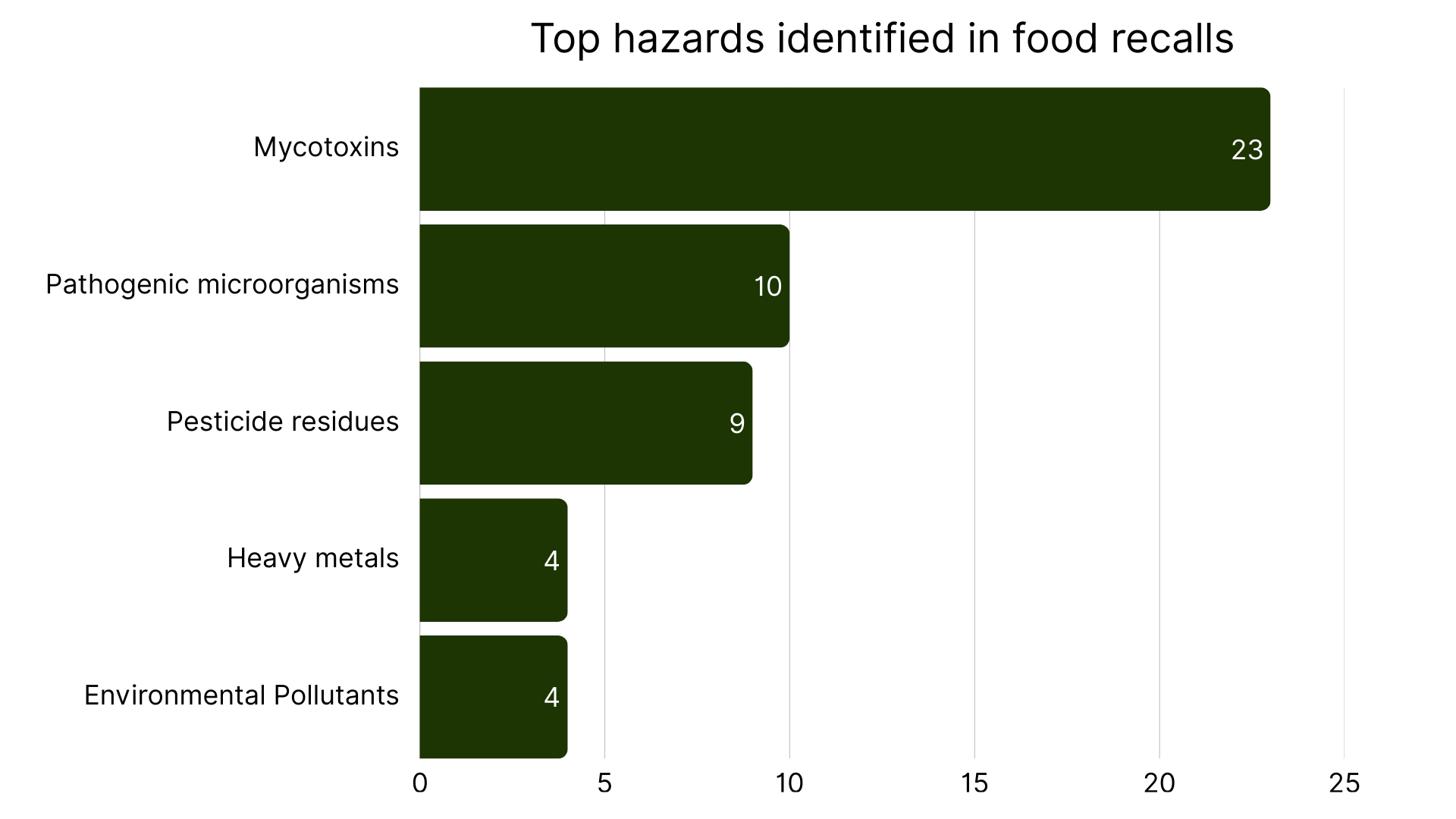
Graph 3: Top 5 food hazards in Europe, week 6, 2026
Nuts and cereals: Aflatoxin pressure is not easing
The nuts and seeds category showed a high share of aflatoxin-related alerts, affecting groundnuts, hazelnuts, pistachios, sunflower seeds, and basmati rice from a wide range of origins.
What is notable is the spread. No single country dominates. This suggests that testing intensity is rising across the board rather than a single origin experiencing a unique problem. For exporters, this means aflatoxin testing is no longer a competitive advantage. It is becoming a basic requirement for market access.
What this means for the market
In the short term, consumers are unlikely to notice dramatic shortages. What they may see instead are quiet substitutions: different origins on shelves, short gaps for specific products, or minor price adjustments that reflect higher compliance costs.
The market is moving away from origin-based trust and toward supplier-level proof. Documentation, residue discipline, and post-harvest control matter more than flags or geography.
Last week did not introduce new risks. It confirmed that the rules of confidence are changing. Those who adapt early will find trade smoother. Those who rely on old assumptions may find that inspections, delays, and rejections are becoming part of the cost of doing business.
Fruit and vegetable recalls in Europe
All fresh produce recalls from last week in Europe
Fruits and vegetables
- Amaranthus (Togo): acetamiprid
- Hokkaido pumpkins (Belgium): heptachlor (prohibited substance)
- Dried figs (Turkey): ochratoxin A
- Raspberries (Morocco): norovirus
- Fresh chilli (Kenya): carbendazim
- Fresh tomatoes (Turkey): indoxacarb
- Hot peppers (Morocco): fenazaquin, formetanate, flonicamid
- Dried organic mulberries (Turkey): ochratoxin A
- Aubergines (Burkina Faso): chlorpyrifos (unauthorised substance)
- Oranges (Egypt): chlorpyrifos (unauthorised substance)
Cereals and bakery
- Rice (Pakistan): mineral oil aromatic hydrocarbons (MOAH)
- Basmati rice (India): aflatoxin B1
- Basmati brown rice (Pakistan): aflatoxin B1, total aflatoxins
- Sunflower kernels (Bulgaria): nickel
Herbs and spices
- Oregano (Turkey): pyrrolizidine alkaloids
Nuts, nut products and seeds
- Basmati rice (India): aflatoxin B1 (flagged under nuts/seeds category in the dataset)
- Groundnuts (Argentina): aflatoxin B1
- Groundnuts (Brazil): aflatoxin B1, total aflatoxins
- Hazelnut (Georgia): aflatoxins B1, total aflatoxins
- Sesame seeds (Sudan): absence of health certificate(s)