What is avocado oil?
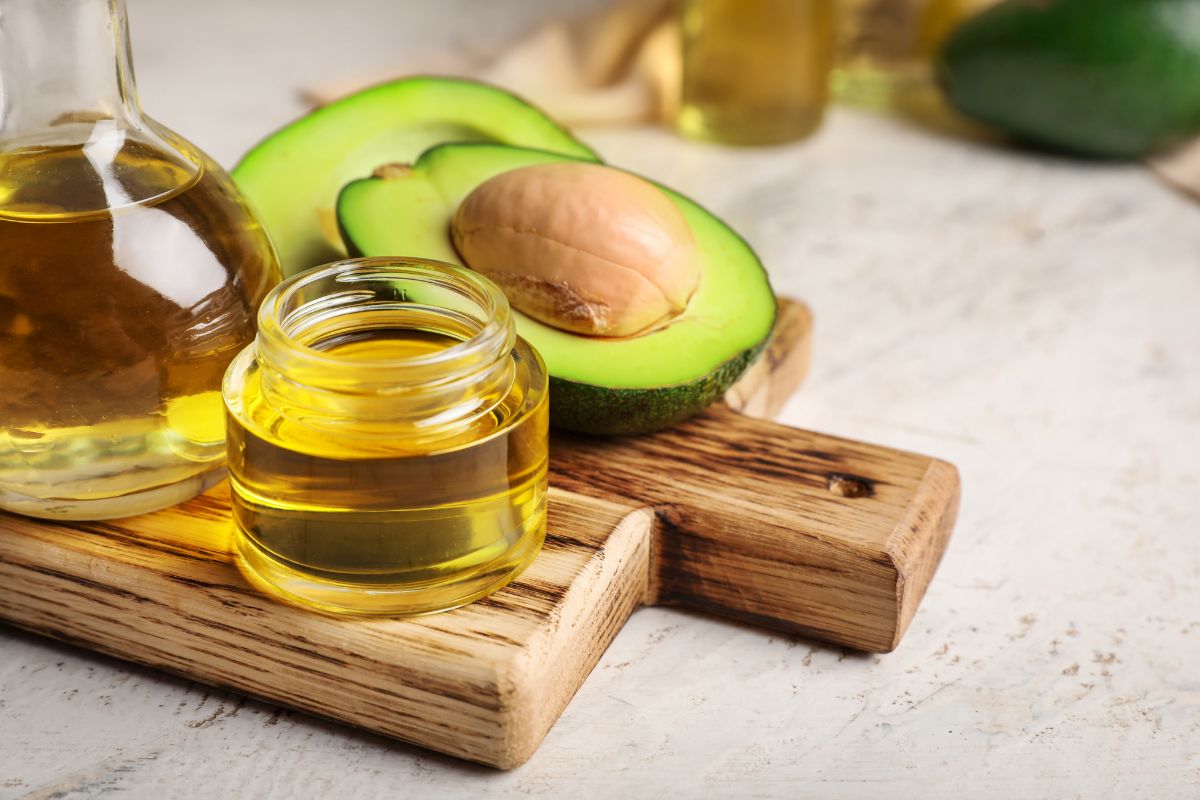
Avocado oil is an edible oil pressed from the pulp of avocados. Unlike most cooking oils, which come from seeds, this one comes from a fruit. It is popularly used in cooking and skincare products. Avocado oil is about 70% monounsaturated fat, mainly oleic acid, a heart-healthy fatty acid. Taste-wise, it has a milder, neutral flavour than other oils, such as olive oil, and a bit of buttery flavour.
Avocado oil nutrition and health benefits
One tablespoon (15 ml) of avocado oil contains about 120 calories and 14 grams of fat, most of which is monounsaturated fat. Most of the fat in avocado oil is oleic acid, a monounsaturated omega-9 fatty acid. The remainder consists of smaller amounts of saturated and polyunsaturated fat, making its nutritional profile very similar to that of extra-virgin olive oil. Replacing saturated fats with monounsaturated fats, such as avocado oil, can help improve blood cholesterol levels and support cardiovascular health.
Avocado oil also contains antioxidants, including vitamin E and carotenoids. Antioxidants help protect cell membranes from damage and reduce inflammation.
Types of avocado oil
- Unrefined (Extra virgin): Oil from cold-pressed avocados that is minimally processed and retains nutrients, flavour, and green colour. It has a lower smoke point of about 375–400°F (190–205°C). It has a slightly nutty, buttery flavour and is best used for raw applications, such as salad dressings, dips, mayonnaise, and finishing.
- Refined: Oil that is filtered and processed using heat, which removes impurities, chlorophyll, and much of the flavour. It has a neutral, mild taste, a pale yellow colour, and one of the highest smoke points of any edible oil. It has a high smoke point of about 480–520°F (250–270°C). It is better for high-heat cooking, such as frying, deep-frying, searing, and roasting.
Is greener avocado oil of better quality?
The green colour comes from chlorophyll and carotenoids in unrefined, cold-pressed oil. Refined oil is lighter and more yellow in colour. The colour comes from the processing type rather than being a simple quality grade in itself. But greener avocado oil does retain more of the avocado fruit’s natural vitamins and antioxidants.
What does avocado oil cost
Avocado oil is usually more expensive than other neutral edible oils, such as rapeseed/canola, sunflower, or soybean oil. It is on the premium end of the edible oils complex, which is why it’s often reserved for dressings, marinades, and finishing, rather than for frying. To maintain a balanced diet and budget, one may use an inexpensive neutral edible oil for high-volume cooking and use avocado oil for flavour or high-heat applications.
Cooking with avocado oil
Avocado oil has one of the highest smoke points of all cooking oils, especially refined avocado oil, which is around 250–270°C (480–520°F). This makes it safe for high-heat cooking applications. Its high oleic acid content also helps maintain stability when heated. It is important to store the oil properly, keeping it fresh and protected from light and heat, which can degrade it and lower its smoke point.
The problem with adulteration
Avocado oil is a relatively new oil category, and because of this, it is not yet widely regulated. Some markets lack legal restrictions on the composition of supposed avocado oil, complicating trade. International standards defining what can be sold as "avocado oil" are still being developed through Codex Alimentarius, global food standards run by the FAO and the WHO. Until then, the global avocado oil market faces regulatory gaps and inconsistent quality standards.
In the U.S. market, a UC Davis study found that at least 82% of tested avocado oil samples were either stale before their best-by date or mixed with other oils. In some cases, bottles labelled "pure" or "extra virgin" were almost entirely soybean oil, which is much cheaper. Although this research examined avocado oil in the U.S., the lack of enforceable global standards means such risks can exist anywhere.
How do I know if I’m getting real avocado oil?
It is important to watch out for very low-priced avocado oils, which are more likely to be adulterated. However, a high price does not mean it is 100% pure avocado oil. If the bottle says "pure" and "extra virgin", take it with caution, as these terms are not yet legally enforced. Check where it comes from, the producer's reputation, and the ingredient list. If the brand does not clearly show origin and testing, it may be a red flag.
The packaging is important too. Dark glass bottles or tin packaging protect the oil from light, which can accelerate rancidity. And finally, check for a harvest or best-before date, as the oil's freshness is very important.
How to store avocado oil
Avocado oil, like any cooking oil, can go bad, especially when exposed to light and heat. Store avocado oil in a cool, dark place. Keep it in a dark bottle or container. This slows oxidation and preserves flavour and smoke point. If it smells rancid, discard it.
Is avocado oil healthier than olive oil?
Neither is necessarily healthier; they are just better for different things. Extra virgin olive oil is usually considered superior for cardiovascular health and antioxidant content, while avocado oil is better for high-heat cooking, as it has a higher smoke point. Their nutrition profiles are very similar; both are rich in monounsaturated oleic acid and provide vitamin E.