 Maximizing Canola Yield: Harvesting Techniques, Timing, and Storage Best Practices
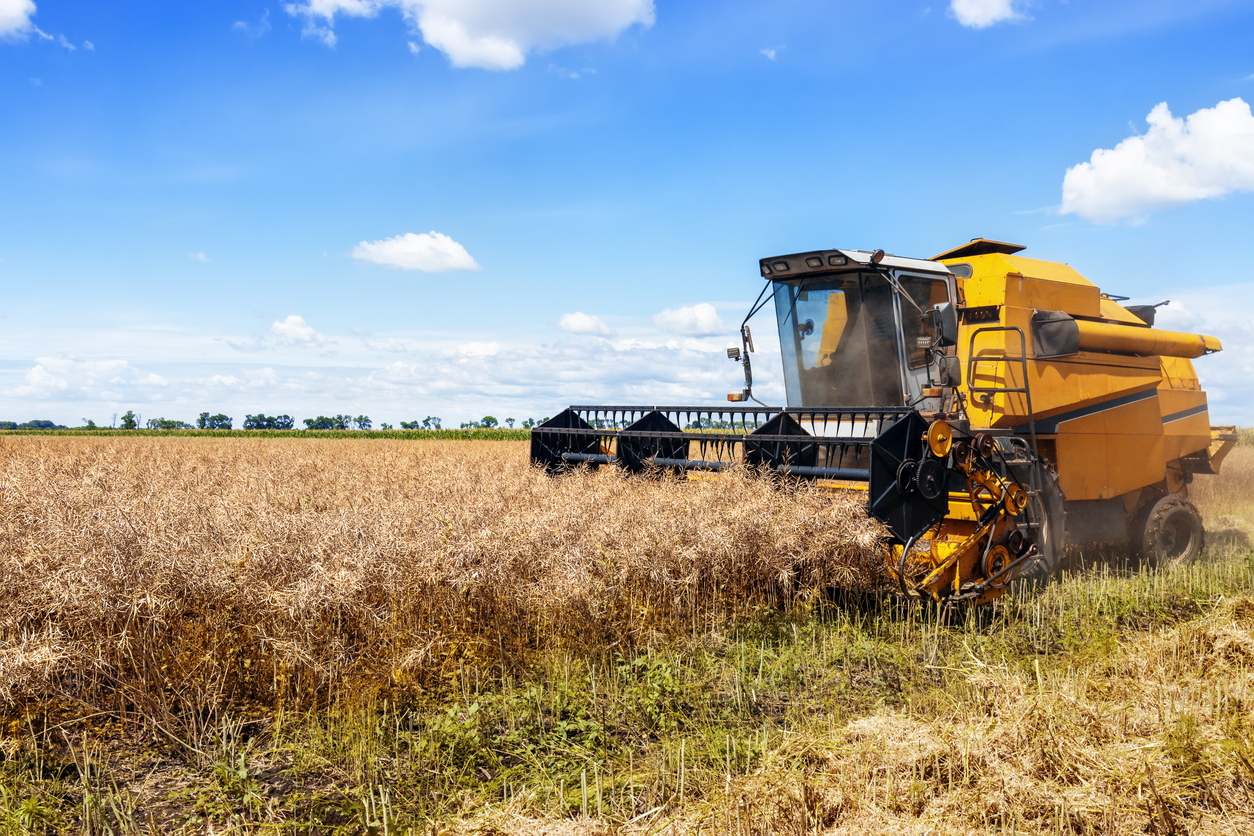
The growing season ends with the harvest of canola from the field. Having applied good agronomic practices, the farmer did everything possible to reach the maximum yield potential of his/her crop. Proper harvest management (timing, method of harvest, etc.) is important to preserve or even increase this good yield and product quality.
What is the average yield of canola?
The crop yield has increased significantly over the past 20 years by improving the canola varieties and the harvesting method/equipment. In some regions, winter canola has a 20-30% higher yield potential depending on the environmental conditions than spring canola (1). Furthermore, the final canola yields are expected to be maximized in areas with favorable environmental conditions and adequate water (irrigation or rainfalls). Globally, the average canola yield ranges between 0.56 – 2,24 tons per hectare (500-2,000 pounds per acre). However, yields higher than 3 tons per hectare (2677 lb/acre) (up to 3.8 t/ha) have been reported in the past decade in Chile, Turkey, and several European countries (2, 3, 4). A world record yield of winter canola has been achieved in Australia with 7.16 tons per hectare (6,388 lb/acre) (5).
Since the main purpose of canola cultivation is oil extraction-production, the farmer should take all necessary measures to maximize this characteristic, too. More specifically, oil accumulates in the seeds during the later stages of the grain-filling period. As a result, preventing any stresses (e.g., drought) during this period is essential. The farmer is advised to choose varieties with a stable (over the years) oil content above 40%. Furthermore, it is interesting to know that hybrids typically have 1-3% more oil content than open-pollinated varieties. However, as mentioned earlier, the oil content is affected by many other factors (1).
Tip: Planting wheat after canola may lead to a 20% yield increase of wheat grains (11).
When and how to harvest canola
Generally, canola matures around 85-110 days after sowing, depending on the variety, planting time, and environmental conditions. It is important not to harvest either too early or too late because it can result in yield losses in both cases (due to incomplete seed ripening and pod drop-shattering, respectively). However, modern improved varieties allow a more delayed swathing, leading to an 8% yield increase. The most precise harvesting moment depends on the harvesting method that the farmer chooses.
There are four harvest methods for winter canola:
- Swathing followed by combining
- Direct combining
- Desiccation
- Pushing followed by combining
The first 2 are the most commonly used by canola farmers.
Swathing (Windrowing) followed by combining
It is advised that you start inspecting your field approximately 10 days after flowering ends. Check the seed color every 4 days. To evaluate the change in seed color, open the pods of the main stem from the base of the plant and move to the top. Even a partly colored seed, with some spots of brown color, is considered ripe. The color change(seed ripening) will be accelerated when the weather is warm and dry. The crop is considered ripe and ready to be swathed when 60% (the older recommendation was 30-40%) of the seeds have changed color from green to brown-black.
At that moment, the seeds have a 30-40% moisture level. The farmer should swath the canola plants in cool evenings or early morning. Swathing the field when the weather is cool and humid could be beneficial and reduce the shattering losses when the seeds have a very low moisture level (overripe). In any case, canola should be left to cure and ripen from 10-14 days in the swath before combining (7, 8, 9).
Swathing vs. Straight-Combining of canola
Nowadays, more and more farmers choose to do direct combining (without swathing), especially in regions with low and medium rainfalls. This is because the new varieties have been improved (low shattering) for this system, and the planting distances have been decreased. As a result, fields with heavy crop canopies are good candidates for direct combining (1). If a farmer chooses to do direct harvesting, then he/she has to wait until the moisture level of the seeds has dropped to 10-12% (70-80% seed color change) and can be stored directly and safely.
Some significant advantages of this method are that:
- the end-product quality is higher (cleaner), as it is the yield and oil content,
- it takes less time and equipment to harvest the seeds and
- the risk of seed rotting is low.
On the other hand, the risk of losses due to shattering is higher than combining swathed canola. Additionally, the farmer has less time available to harvest the seeds from the moment they are ripe. For more information concerning the combine, the settings are available 9.
Canola Storage Recommendation - Optimum Storage Conditions for Canola Seeds
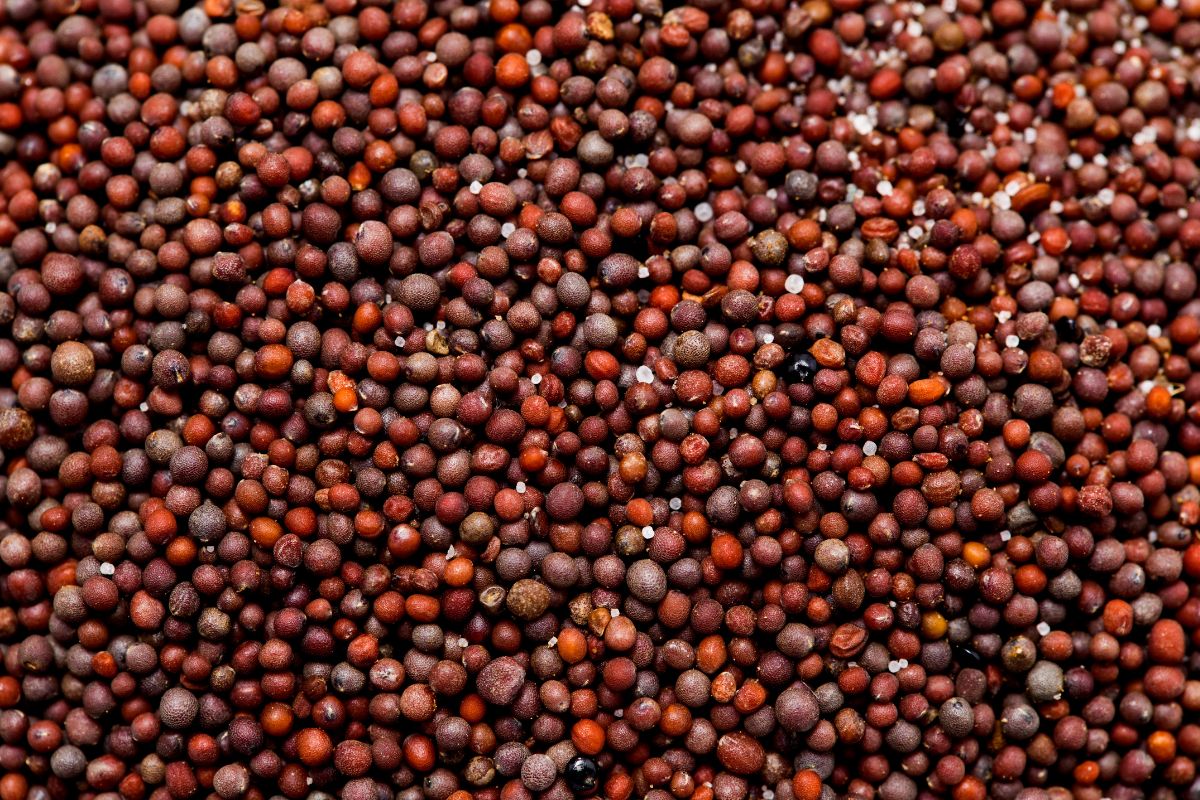
Canola seeds can be marketed at a 10% moisture level. The farmer may sell the seeds directly after harvest or store them for long periods. Similar to small grains, the length of canola storage life is controlled by two main factors: the moisture level of the seeds (and oil content) and the temperature. Canola seeds with an oil content of 35%-45% should have low moisture levels (around 7-10%) to be stored at 21 °C (80 °F) for at least 40 days. As a result, the canola seeds can be dried to reach these levels or cooled down.
By decreasing the storing temperature to 15 °C (60 °F), seeds with 12% moisture content can be stored safely for around 50 days. The storing life is doubled for every 5 °C (10 °F) temperature reduction. To preserve the quality of canola seeds for up to 5 months, it is advised to store them at 12-13 °C (55 °F) temperature and with 7% moisture levels. If drying the seeds is necessary to reach these moisture levels, avoid using temperatures higher than 40 °C (104 °F) because they can compromise the oil composition. The seed moisture level should not drop at 6% or below because this can make them susceptible to damage in handling.
You can avoid storing damaged, infested, and infected seeds. Good aeration is very important when storing canola seeds to reduce the risk of clumping (mold). Finally, some seed treatments and pesticides are available to protect the seeds during storage from disease and pests (contact your local licensed agronomist).
Seeds can be classified into different quality categories (which affect the final price) based on the maximum levels of a series of factors (e.g., the percentage of damaged seeds, sclerotinia, foreign matter, etc.). The maximum limits or grading factors may differ depending on the country/market (7, 1, 10).
References
- Great Plains Canola Production Handbook
- Crop Yields – Our World in Data
- Estimates of Production (PDF) – Government of Manitoba
- Crop Production – Uscanola
- A Golden Record 16t Ha Yield for Canola Crop – com.au
- Growing Canola in Victoria – gov.au
- Canola Production Field Guide – North Dakota State University
- Swathing Canola
- Canola Production: Harvesting — Oklahoma State University
- Harvest and Storage — Great Lakes Canola Association, Purdue University
- Growing Canola in Victoria – gov.au
Further reading
- History, Uses, and Nutritional value of oilseed rape (Canola)
- Canola Planting Guide: Soil Requirements, Seeding Rates, and Best Planting Time
- Plant Information and Variety Selection of Rapeseed
- Canola Irrigation and Water Needs
- Canola Fertilization Guide: Key Nutrients, Rates, and Application Timing
- Canola Pest and Disease Management
- Canola Weed Management
- Yield, Harvest, and Storage of Canola