Peru's export milestone
Peru closed 2025 with agro-exports surpassing USD 15 billion. Non-traditional agricultural exports drove most of that growth, particularly fresh fruits like blueberries, grapes, avocados, and asparagus. Export volumes rose, destination markets expanded, and the agrarian trade balance stayed positive.
There's another story alongside this success: cadmium in agriculture. It's not undermining Peru's export momentum, but it has become critical for protecting access to demanding international markets.
Why cadmium matters now
Cadmium is a naturally occurring heavy metal that accumulates in soils and gets absorbed by crops. The regulatory pressure is what changed. The European Union decreased maximum cadmium limits in food products under Regulation (EU) 2023/915 in 2023, including fresh fruits and vegetables.
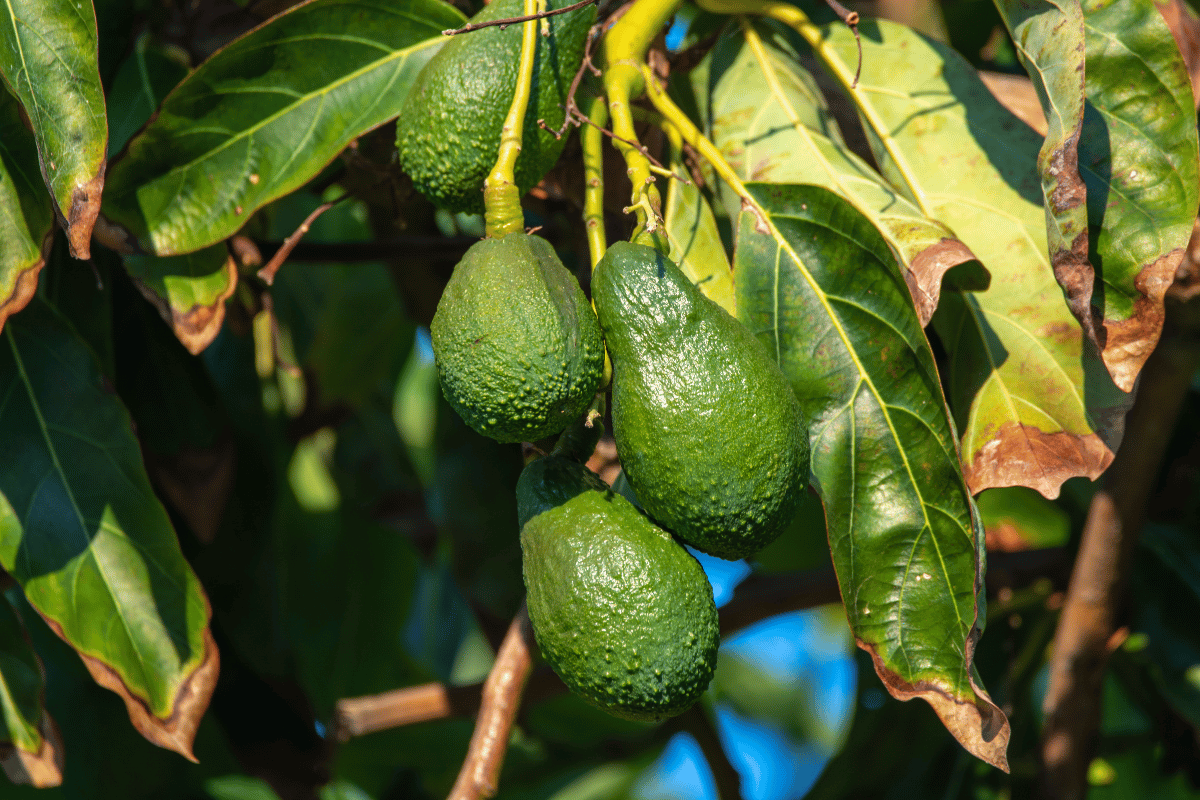
For exporters, even small exceedances now trigger border rejections, alerts, or intensified controls. The EU issued several notifications during 2024 and 2025 for cadmium in imported produce, with avocados and asparagus appearing repeatedly. Both are Peru's flagship products.
The concern isn't theoretical. Avocado cultivation faces particular scrutiny because cadmium in avocado-growing soils varies widely. Some areas have concentrations exceeding 3 mg/kg. Low soil pH makes things worse by increasing both availability and uptake. The global avocado trade now requires a lot of testing, with cadmium contamination incidents jumping 350% between 2020 and 2023.
Peru's response: The National Cadmium Agenda
Peru approved the National Strategic Cadmium Agenda 2025-2030 for avocado and asparagus production in early 2026. The plan coordinates cadmium risk reduction along the entire value chain, from soil management and agricultural practices to monitoring and sanitary controls.
The Ministry of Agrarian Development and Irrigation leads coordination, with technical support from research and plant health authorities. What's notable is that it works within existing institutional budgets rather than requiring emergency spending, focusing on technical guidance, diagnostics, and gradual implementation.
The framework emphasizes practical approaches farmers can implement. Reducing cadmium in crops requires soil testing, pH management, clean fertilizer inputs, and strategic crop placement. Peru's agenda builds on decades of soil science showing that cadmium uptake is predictable and manageable through proper soil chemistry control.
Protecting growth through compliance
Peru's export success now depends as much on meeting strict food safety standards as on expanding volumes. Markets like the EU, the United States, and parts of Asia keep tightening controls. Managing contaminants like cadmium has shifted from a regulatory obligation to export competitiveness.
The cadmium agenda will help protect long-term market access. Peru wants to keep those record agro-export figures sustainable in an environment where compliance and traceability matter as much as production capacity.
The economic stakes are clear. Peru's agro-export sector supports hundreds of thousands of jobs and generates billions in foreign exchange. Losing market access to major destinations because of preventable food safety issues would be catastrophic.
The agenda treats cadmium management as an infrastructure investment. You don't need to remove all cadmium from soil to produce compliant crops. Often, the fastest win comes from reducing the plant-available fraction and blocking uptake pathways.
Conclusion
Peru's agro-export record reflects years of investment in production, logistics, and market access. The cadmium issue shows where the next phase of competitiveness lies. Growth is no longer secured by volume alone, but by consistency and predictability under increasingly strict food safety rules.
What makes cadmium different from many other compliance challenges is that it is rooted in soil conditions, not processing or handling errors. That shifts responsibility upstream, toward land selection, soil management, and input quality. It also means solutions are slower, but more durable when done correctly.
The National Strategic Cadmium Agenda signals a move toward treating soil quality as part of export infrastructure. Fields that are tested, monitored, and managed for cadmium risk become more reliable assets over time. Fields that do not introduce uncertainty into the supply chain, no matter how strong yields look on paper.
For exporters and producers, the message is practical rather than dramatic. Cadmium management is now part of doing business in premium markets. The advantage will go to those who integrate it early into production decisions, not those who react after a shipment is stopped.