A complete guide to where cadmium comes from, high-risk crops, and food safety implications
Cadmium is a naturally occurring heavy metal that persists in farm soils for decades. Unlike organic contaminants, which eventually break down, cadmium remains in the environment. It moves between air, water, and soil, but never degrades into something harmless.
When soil cadmium becomes "plant available," it moves from soil into crops and then into the human diet. This isn't a rare problem limited to industrial zones. Cadmium occurs worldwide at low background levels, but concentrations and risks vary dramatically based on geology, historical pollution, and long-term farm inputs.
For farmers and agronomists, cadmium is increasingly practical rather than theoretical. Export markets demand compliance with strict maximum levels. Testing is routine for high-risk commodities. Cadmium is also a soil stewardship issue. It accumulates slowly and cumulatively, so today's crop results may reflect decades of small annual additions.
What cadmium is and why it matters for food safety
Cadmium (Cd) is a metallic element found naturally in rocks and soils. It can also be introduced or redistributed by mining, metal processing, combustion emissions, and agriculture. It moves through the environment but never breaks down.
In practical agricultural terms, the key risk isn't simply "total cadmium in soil," but the fraction that's phytoavailable. This means it can enter the soil solution and be taken up by roots. When cadmium enters crops, it accumulates in edible tissues. Leaves, grain, seeds, and tubers all concentrate cadmium. This is where food safety and market compliance concerns begin.
Many countries manage cadmium through maximum levels in food commodities. These limits reduce long-term dietary exposure, acknowledging that cadmium accumulates in the body over time.
Health effects and dietary exposure
Cadmium primarily damages the kidney, especially the proximal tubular cells, where it accumulates over time and contributes to renal dysfunction. It also affects bone health, including demineralisation that may occur directly or indirectly through kidney damage. The classic historical example is itai-itai disease, linked to high environmental exposure in Japan through cadmium-contaminated rice, which caused severe bone and kidney damage.
Cadmium food safety is considered a long-term issue due to its bioaccumulation in humans. After absorption, cadmium can remain in tissues with a biological half-life of 10 to 30 years. This long retention explains why monthly or weekly health-based guidance values better reflect lifetime intake than focusing only on short-term exposure.
International hazard assessment matters for regulation. The International Agency for Research on Cancer classifies cadmium and cadmium compounds as carcinogenic to humans (Group 1), including sufficient evidence for lung cancer and positive associations for kidney and prostate cancers in exposed populations.
Health-based guidance values translate toxicity evidence into practical targets:
- EFSA established a tolerable weekly intake (TWI) for cadmium of 2.5 μg/kg body weight per week
- JECFA established a provisional tolerable monthly intake (PTMI) of 25 μg/kg body weight per month, reflecting cadmium's long half-life
These values don't mean a single food "causes harm," but they explain why long-term, low-level exposure from everyday foods is taken seriously by food safety authorities.
How cadmium enters agricultural soils
Cadmium soil contamination comes from both natural and human sources, with the balance varying by region.
Natural geology
Natural geology provides the baseline. Cadmium occurs in Earth's crust and associates with certain rock types, including sulfide minerals and phosphorites. Soils formed from different parent materials start with different background cadmium levels. Weathering of rocks and volcanic emissions are recognised natural pathways for cadmium to move into soils and crops.
Industrial sources
Industrial pathways create localised hotspots or wider regional deposition patterns. Major sources include mining and metal production, atmospheric deposition from combustion emissions, and historical releases that persist in soils. For agriculture, atmospheric deposition matters most near emission sources or in areas with long industrial histories, because deposited cadmium adds to the soil pool and, depending on conditions, becomes phytoavailable.
Agricultural inputs
Agriculture itself can be a long-term contributor through repeated inputs. Cadmium enters agricultural soils via phosphate fertilisers (because cadmium occurs as an impurity in many phosphate rocks), as well as through some manures, sewage sludge, and liming materials. This matters because accumulation is often slow and cumulative. Small annual inputs accumulate over decades if inputs exceed outputs, such as crop removal and leaching.
Soil chemistry then determines whether that cadmium becomes a problem. Cadmium uptake is more strongly influenced by factors controlling bioavailability than by total soil cadmium alone. Key factors repeatedly linked to higher cadmium availability and plant uptake include acidic soil pH and interactions with competing nutrients, such as zinc.
Geography ties this together. For example, research on cacao shows that cadmium levels can be higher in some producing regions, largely due to geogenic sources, with soil properties like pH and organic carbon also explaining differences in bean cadmium levels.
Which crops accumulate cadmium
Different crops produce very different cadmium outcomes on the same soil. That's why knowing which crops accumulate cadmium is central for crop planning, market strategy, and risk management.
High-accumulation crops
Evidence across crop and food-chain research consistently points to several crop groups as higher risk for elevated cadmium in the edible portion, especially when grown on acidic soils or soils with elevated phytoavailable cadmium:
Leafy vegetables accumulate cadmium readily in the tissues we eat. Spinach, lettuce, kale, chard, and arugula all fall into this category. Large leaf surface area, high transpiration rates, and rapid growth all concentrate uptake. Unlike root crops, there's no peeling step to remove some of the contamination. Leafy vegetables are consumed directly, which makes cadmium levels in these crops particularly relevant for dietary exposure.
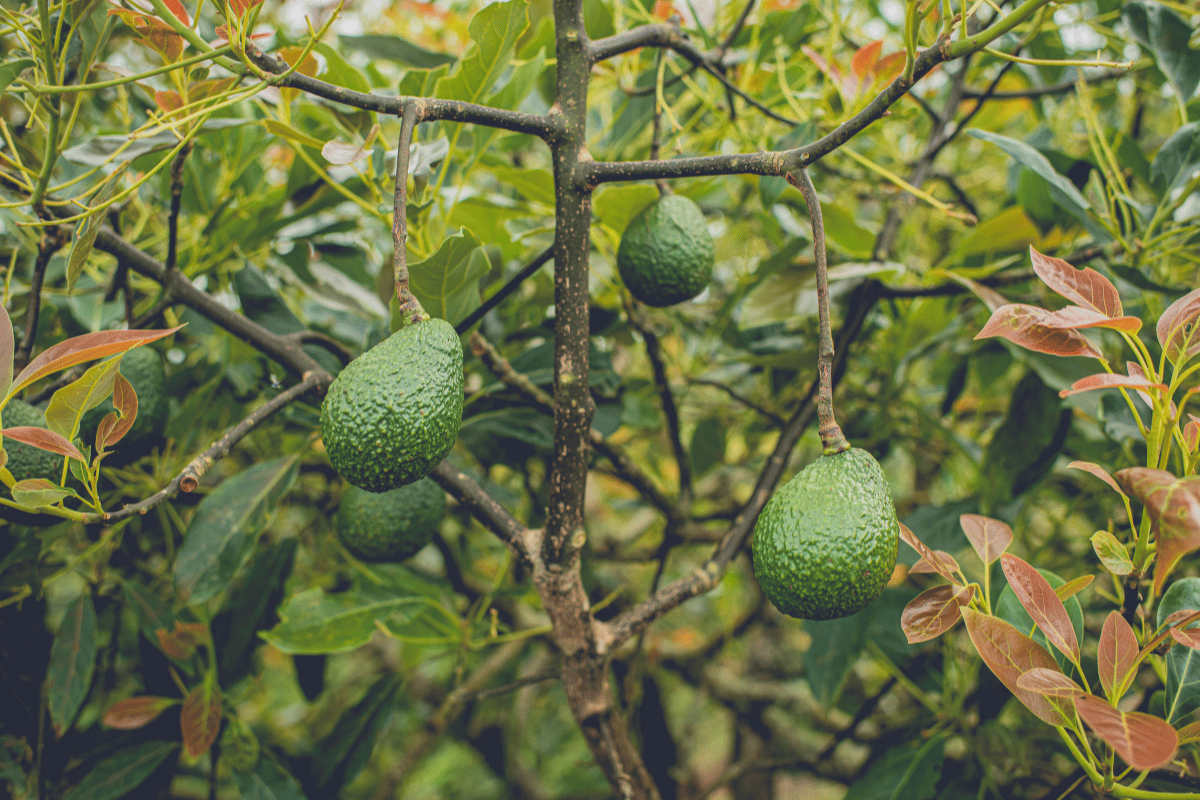
Avocados have emerged as a growing concern in major producing regions, particularly Peru. In 2025, the European Union issued nine notifications for Peruvian avocados exceeding the 0.05 mg/kg maximum level. Research shows cadmium in avocado-growing soils exhibits highly heterogeneous spatial distribution, with concentrations in some areas exceeding 3 mg/kg. Parent material, particularly soils derived from Cretaceous intermediate igneous rocks, shows significantly higher cadmium levels. Low soil pH increases both the availability and the uptake of nutrients. The global avocado trade now requires rigorous testing, and incidents of cadmium contamination increased 350% from 2020 to 2023.
Root and tuber vegetables have direct contact with the soil solution throughout their development. Potatoes, sweet potatoes, and certain other tubers can accumulate cadmium in the edible portions. Potatoes receive particular attention due to high consumption volumes and their status as a dietary staple. Beets and turnips can also accumulate cadmium, though concentration depends heavily on soil conditions and cultivar.
Certain grains present distinct challenges. Durum wheat has well-documented genetic and physiological influences on grain cadmium, making it one of the higher-risk cereals. Rice presents a unique case. When grown under flooded, anaerobic conditions (typical paddy cultivation), cadmium mobility actually decreases because cadmium precipitates as cadmium sulfide under reducing conditions. However, when rice is grown aerobically, or when paddies are drained during critical growth stages, cadmium uptake increases dramatically. This creates a management trade-off: aerobic cultivation reduces arsenic but increases cadmium accumulation in rice grains.
Cacao in certain producing regions concentrates cadmium largely due to geogenic sources. When parent rock materials naturally contain elevated cadmium and soil properties like pH and organic carbon affect its availability, cadmium levels in cacao beans become directly relevant to export compliance for chocolate and cocoa-derived products. The chocolate industry faces maximum level standards that scale with cocoa solids content.
A useful reality check: in Europe, EFSA estimated that potatoes and bread are among the top contributors to overall dietary cadmium exposure, with chocolate products and leafy vegetables also contributing. This doesn't mean these foods are "unsafe" by default, but it shows why these crops receive attention from regulators and buyers.
Moderate-accumulation crops
Moderate-risk crops can accumulate cadmium to meaningful levels but depend more strongly on soil conditions, cultivar choice, and local contamination history:
Legumes and pulses, including soybeans, peanuts, lentils, and peas, show moderate uptake factors with considerable variability by species and growing conditions. These crops have specific maximum levels in Codex standards and may become compliance issues on higher-cadmium soils.
Oilseeds present variable risk. Sunflower seeds and linseed (flax) are repeatedly discussed as of greater concern in scientific literature, with some studies placing them closer to high-accumulation categories. The distinction depends heavily on soil bioavailability and variety selection.
Many vegetables outside the highest-risk leafy groupings still require attention. Carrots, for instance, show complex behaviour. While they're root vegetables with direct soil contact, cadmium concentration patterns vary significantly by cultivar and soil conditions. Maximum levels are generally lower than for leafy vegetables but remain enforceable in trade.
Many cereals, beyond the known higher-risk cases, can still accumulate meaningful cadmium levels. Wheat (other than durum), barley, and rye may concentrate more cadmium in straw than grain, but grain levels remain relevant for both compliance and dietary exposure calculations.
Lower-accumulation crops
Lower-risk crops, in many farming systems, include fruiting vegetables and many fruits:
Cucurbits such as melons, squash, cucumbers, and pumpkins typically exhibit lower cadmium uptake in their fruit. Concentration remains mostly in roots and vegetative tissues rather than the edible fruit.
Fruiting vegetables, including tomatoes, peppers, and eggplant, generally accumulate less cadmium in the edible fruit compared with leafy vegetables or tubers. Most cadmium taken up by the plant is sequestered in roots and leaves rather than translocated to fruit.
Tree fruits, including apples, citrus, and stone fruits, generally show lower accumulation in fruit tissue. The perennial woody structure and the physiology of tree fruit development result in less cadmium reaching the edible portions.
Sweet corn and snap beans are recognised as lower cadmium accumulators compared with leafy vegetables or certain tubers.
Important caveat: "lower accumulator" doesn't mean "immune." On highly contaminated or highly bioavailable soils, even crops that usually stay low can exceed maximum levels. Site-specific factors always matter.
Why do these differences exist
Cadmium enters roots mainly as Cd²⁺ in the soil solution. Plants often take it up unintentionally through transport systems meant for essential nutrients. Iron, manganese, and zinc transporters can't always distinguish cadmium from the elements they're supposed to move, so cadmium enters the plant as a "mistaken identity" problem.
Once inside the plant, much of the cadmium can be sequestered in the roots. Some species are particularly good at this, binding cadmium in root cells and preventing upward movement. Other species readily transport cadmium with transpiration flow to shoots, leaves, and sometimes to seeds or fruits via phloem movement.
Specific factors driving crop differences include:
- Root system architecture affects uptake surface area. Fibrous root systems in grasses and leafy greens provide extensive contact with the soil solution. Tap root systems interact differently with the soil profile.
- Transpiration rates determine how much water and dissolved cadmium move from roots to shoots. Fast-growing leafy vegetables with high transpiration rates concentrate more cadmium in edible tissues.
- Internal transport efficiency varies by species. Xylem transport proteins show different affinities for cadmium. Some crops efficiently transport cadmium to aerial parts, while others restrict its movement at the root-shoot interface.
- Growth rate and biomass dilution affect final concentrations. Fast-growing crops accumulate nutrients and contaminants before dilution can occur. Slower-growing perennials may dilute cadmium across larger biomass.
- Compartmentalisation strategies differ among species. Some plants sequester cadmium in vacuoles in specific tissues. Others lack effective sequestration and distribute cadmium throughout the plant.
- Mycorrhizal associations can affect metal uptake patterns, though the relationship is complex and depends on fungal species, plant species, and soil conditions.
Cadmium regulations for farmers
Regulation is where cadmium shifts from "soil science" to "market access." Maximum levels are typically set in mg/kg for specific foods and are commodity-specific because cadmium concentrates differently across edible tissues and processing fractions.
European Union limits
In the European Union, maximum levels for cadmium in foods are consolidated in Commission Regulation (EU) 2023/915. The regulation specifies that for many plant foods, sampling and compliance are based on the edible part after washing and separation, with limits generally expressed on a wet-weight basis. Selected examples that often matter directly to farmers and supply chains:
Cereals: 0.10 mg/kg for many cereals, with specific values like 0.05 mg/kg for barley and rye, 0.15 mg/kg for rice and quinoa, and 0.18 mg/kg for durum wheat
Oilseeds: 0.50 mg/kg for linseeds and sunflower seeds, 0.20 mg/kg for peanuts and soybeans
Root and tuber vegetables: 0.10 mg/kg for many categories, with a specific note that for potatoes, the maximum level applies to peeled potatoes
Leaf vegetables: 0.10 mg/kg for many leaf vegetables, and 0.20 mg/kg for spinach and similar leaves, mustard seedlings, and fresh herbs
Chocolate and cocoa products: limits scale with cocoa solids. 0.10 mg/kg for milk chocolate with <30% cocoa solids, 0.30 mg/kg for certain higher-cocoa categories, 0.80 mg/kg for chocolate with ≥50% cocoa solids; cocoa powder for final consumers is listed at 0.60 mg/kg
Codex standards for export
Codex standards are highly relevant, especially for exporters working across multiple destination markets. The Codex General Standard for Contaminants and Toxins in Food and Feed (CXS 193-1995) includes commodity-specific maximum levels for cadmium: 0.2 mg/kg for leafy vegetables, 0.1 mg/kg for root and tuber vegetables (with potatoes specified as peeled), 0.4 mg/kg for polished rice, and 0.2 mg/kg for wheat. The Codex also lists cadmium maximum levels for cocoa and chocolate categories, recognising cadmium's tendency to concentrate in cocoa solids.
What this means in practice
Regulatory landscapes aren't only about food. Some jurisdictions also regulate cadmium in inputs. The European Union Fertilising Products Regulation sets a cadmium limit for phosphate fertilisers placed on the EU market (expressed as mg Cd/kg P₂O₅). This connects back to farm-level reality: cadmium risk is often driven by long-term balances between input sources and removal pathways.
Implementing effective, sustainable nutrient management practices helps reduce long-term risks of cadmium accumulation.
Conclusion
If you sell to multiple markets, you often need to meet the strictest applicable standards for product and destination. Knowing which of your crops are higher risk is the first step toward choosing the right monitoring plan and the right mitigation approach.
Cadmium accumulation in agricultural soils is a long-term issue that requires attention now. Small inputs compound over decades. Soil chemistry, particularly pH, dramatically affects whether that accumulated cadmium becomes available to crops. Different crops respond very differently, so crop choice matters.
The good news? Cadmium accumulation is slow enough that informed management decisions today can protect soil quality and market access for decades to come. Understanding your risks, knowing your regulations, and planning accordingly aren't optional extras; they're essential parts of modern farm management.
Sources
- Cadmium in soils and groundwater: A review
- Breeding for low cadmium accumulation cereals
- Scientific Opinion of the Panel on Contaminants in the Food Chain
- COMMISSION REGULATION (EU) 2023/915 on maximum levels for certain contaminants in food and repealing Regulation (EC) No 1881/2006
- Revisiting and updating the effect of phosphate fertilizers to cadmium accumulation in European agricultural soils
- Cadmium, osteoporosis and calcium metabolism