









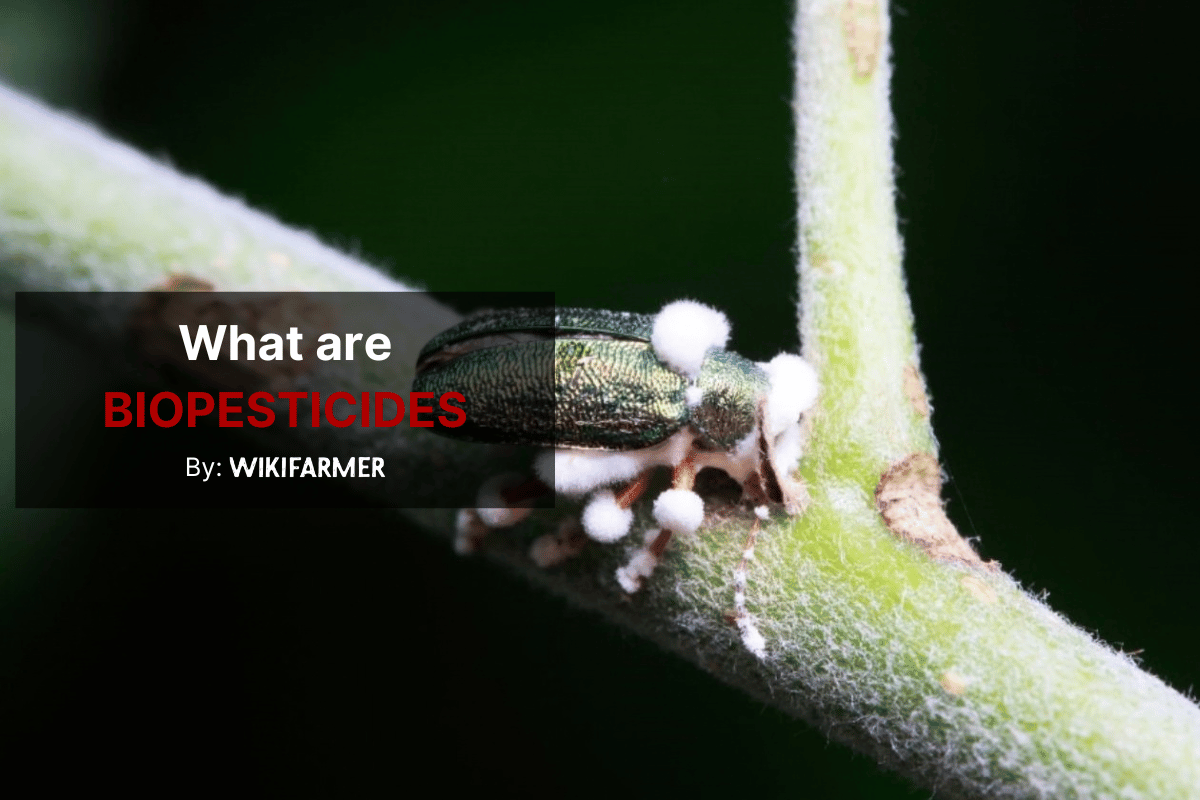
Biopesticides are pest control agents derived from natural materials such as microorganisms, plant extracts, and naturally occurring biochemicals. They target specific pests through biological mechanisms rather than broad chemical toxicity, which makes them a lower-risk alternative to conventional synthetic pesticides for many applications.
The global biopesticides market was valued at approximately $7.8 to $8.5 billion in 2024, depending on the source, and is growing at roughly 15% per year, far outpacing the conventional pesticide market (Fortune Business Insights, 2025; Precedence Research, 2025). This growth is driven by tightening restrictions on synthetic chemicals (the EU's Farm to Fork Strategy targets a 50% reduction in chemical pesticide use by 2030), increasing consumer demand for organic produce, and the growing problem of pest resistance to conventional products. Biopesticides are used most effectively as part of an integrated pest management (IPM) program rather than as standalone replacements for synthetic chemicals.
What is a biopesticide?
A biopesticide is a pesticide derived from natural materials, including animals, plants, bacteria, fungi, viruses, and certain minerals. The US Environmental Protection Agency (EPA) defines biopesticides as pesticides derived from natural materials that generally have a specific mode of action against target pests and pose lower risks to human health and the environment than conventional alternatives.
The EPA currently has over 390 registered biopesticide active ingredients. These products are used to control insects, mites, plant diseases, weeds, and nematodes across a range of crops. Biopesticides represent about 5% of the total pesticide market by value, but their share is expanding rapidly as registration and adoption accelerate.
What distinguishes biopesticides from broad-spectrum pesticides is their specificity. A conventional insecticide may kill both the target pest and beneficial insects, including pollinators (a problem covered in Wikifarmer's article on bee poisoning from pesticides). A biopesticide typically affects only the target organism or a narrow group of related species, leaving beneficial insects, soil organisms, and non-target wildlife unharmed.
What are the three types of biopesticides?
Biopesticides fall into three main categories recognized by the EPA and most regulatory agencies worldwide.
Microbial pesticides contain microorganisms (bacteria, fungi, viruses, or protozoa) as the active ingredient. The most widely used is Bacillus thuringiensis (Bt), a soil bacterium that produces proteins toxic to specific insect larvae but harmless to humans, other animals, and most non-target insects. Other common microbial agents include Trichoderma species (fungal biocontrol of soil pathogens), Beauveria bassiana (entomopathogenic fungus targeting insects), and Metarhizium anisopliae (used against beetles and soil-dwelling pests). Wikifarmer covers Bacillus species for sustainable crop production and microbial biopesticides for pest management in detail.
Biochemical pesticides are naturally occurring substances that control pests through non-toxic mechanisms. Examples include insect pheromones used for mating disruption (confusing males so they cannot locate females), plant extracts such as neem oil and pyrethrum, and substances like canola oil and baking soda used as fungicides. Unlike conventional pesticides that kill pests through direct chemical toxicity, biochemicals interfere with pest behavior, growth, or reproduction.
Plant-Incorporated-Protectants (PIPs) are pesticidal substances produced by plants through genetic modification. The most common example is Bt corn, where the gene encoding the insecticidal Bt protein has been inserted into the corn plant's DNA, allowing the plant itself to produce the pest-killing compound. PIPs are regulated differently from microbial and biochemical biopesticides, and their classification as "biopesticides" is sometimes debated because they involve genetic engineering.
How do biopesticides compare to synthetic pesticides?
Biopesticides and synthetic pesticides each have strengths and limitations. The choice between them depends on the pest, crop, farming system, and regulatory context.
Biopesticides offer targeted action against specific pests with minimal impact on non-target organisms, lower toxicity to humans, faster environmental degradation (meaning shorter pre-harvest intervals and lower residue risks), and reduced likelihood of pest resistance development due to their complex modes of action. They are also compatible with biological control agents and pollinator conservation programs.
The main limitations are slower speed of action (biopesticides may take days rather than hours to produce visible effects), shorter persistence in the field (requiring more frequent applications), higher sensitivity to environmental conditions (UV light, temperature, humidity), narrower pest spectrum (a product effective against one caterpillar species may not work against another), and per-hectare treatment costs that remain two to three times higher than conventional products in many cases. These factors mean biopesticides work best when integrated into IPM programs alongside cultural practices, biological control, and, when necessary, selective synthetic products.
How are biopesticides regulated?
Biopesticide regulation varies by jurisdiction but is generally faster and less costly than for conventional pesticides, reflecting their lower risk profile.
In the US, the EPA's Biopesticides and Pollution Prevention Division reviews biopesticide registrations on a shortened timeline (typically 18 months or less, compared to several years for conventional products). Registration fees are substantially lower than for synthetic chemicals.
In the EU, biopesticides are evaluated under Regulation (EC) No 1107/2009, the same framework as conventional pesticides, but the European Commission has introduced streamlined procedures for low-risk active substances. The EU's Farm to Fork Strategy explicitly promotes biopesticide adoption as part of its 50% chemical pesticide reduction target by 2030. Brazil's Law 15.070/2024 formalized guidelines for bioinputs and shortened approval timelines, pushing the country's biopesticide market to approximately $780 million in 2024 (Mordor Intelligence, 2025).
Emerging technologies including AI-assisted formulation and predictive efficacy modeling are accelerating product development. Wikifarmer covers how biopesticides and AI in crop protection are converging.
Are all biopesticides approved for organic farming?
No. This is a common misconception that leads to compliance problems. While biopesticides are derived from natural sources, not all of them are permitted under organic certification standards.
Organic farming regulations maintain specific lists of allowed inputs. In the EU, organic production is governed by Regulation (EU) 2018/848, which lists approved plant protection products in its implementing acts. In the US, the USDA National Organic Program (NOP) maintains the National List of Allowed and Prohibited Substances. A biopesticide must appear on the relevant approved list or meet the criteria set by the certification body to be used in organic production.
Plant-Incorporated-Protectants (PIPs), for example, are classified as biopesticides by the EPA but are not permitted in organic farming because they involve genetic modification. Some biochemical products may also be excluded if they contain synthetic adjuvants or if their production process involves non-organic methods. Farmers pursuing organic certification should verify each product's status with their certifying body before application.
How should farmers use biopesticides in practice?
Biopesticides deliver the best results when applied preventively or at early stages of pest infestation rather than as a rescue treatment for heavy pest pressure. Because most biopesticides act more slowly than synthetic alternatives, timing and coverage are critical.
Practical recommendations for effective use include applying microbial products in the evening or on overcast days to reduce UV degradation of live organisms, ensuring thorough spray coverage because contact with the target pest is often necessary, storing products according to label instructions (many microbial products require cool storage to maintain viability), rotating biopesticide modes of action to prevent resistance even though resistance risk is lower than with synthetic chemicals, and monitoring pest populations regularly to time applications when pest density is still manageable.
Combining biopesticides with other IPM components (habitat management for natural enemies, crop rotation, resistant varieties, physical barriers) produces better outcomes than relying on any single control method. For greenhouse growers, biopesticides are particularly effective because the controlled environment reduces the environmental variability that limits field performance.
Frequently asked questions
What is the most common biopesticide? Bacillus thuringiensis (Bt) is the most widely used biopesticide globally. It is a soil bacterium that produces insecticidal proteins effective against specific caterpillar, beetle, and mosquito larvae while being non-toxic to humans and most beneficial insects.
Do biopesticides work as well as chemical pesticides? For the target pests they are designed to control, many biopesticides match synthetic products in efficacy, particularly when applied correctly and at the right timing. They are less effective as broad-spectrum emergency treatments for heavy infestations.
Can biopesticides and synthetic pesticides be used together? Yes. Tank-mixing or alternating biopesticides with compatible synthetic products is a common IPM strategy. This can reduce overall synthetic pesticide use while maintaining pest control. Always check label compatibility before mixing.
Are biopesticides safe for bees? Most biopesticides pose significantly lower risk to pollinators than conventional insecticides. However, some products (e.g., spinosad, derived from a soil bacterium) are toxic to bees on direct contact. Always read the label for pollinator precautions and avoid applying during active foraging periods.
References
- US Environmental Protection Agency. (2025). What are Biopesticides?. EPA.
- Fortune Business Insights. (2025). Biopesticides Market Report. Fortune Business Insights.
- Precedence Research. (2025). Biopesticides Market Size. Precedence Research.
- Mordor Intelligence. (2025). Biopesticides Market Analysis. Mordor Intelligence.