

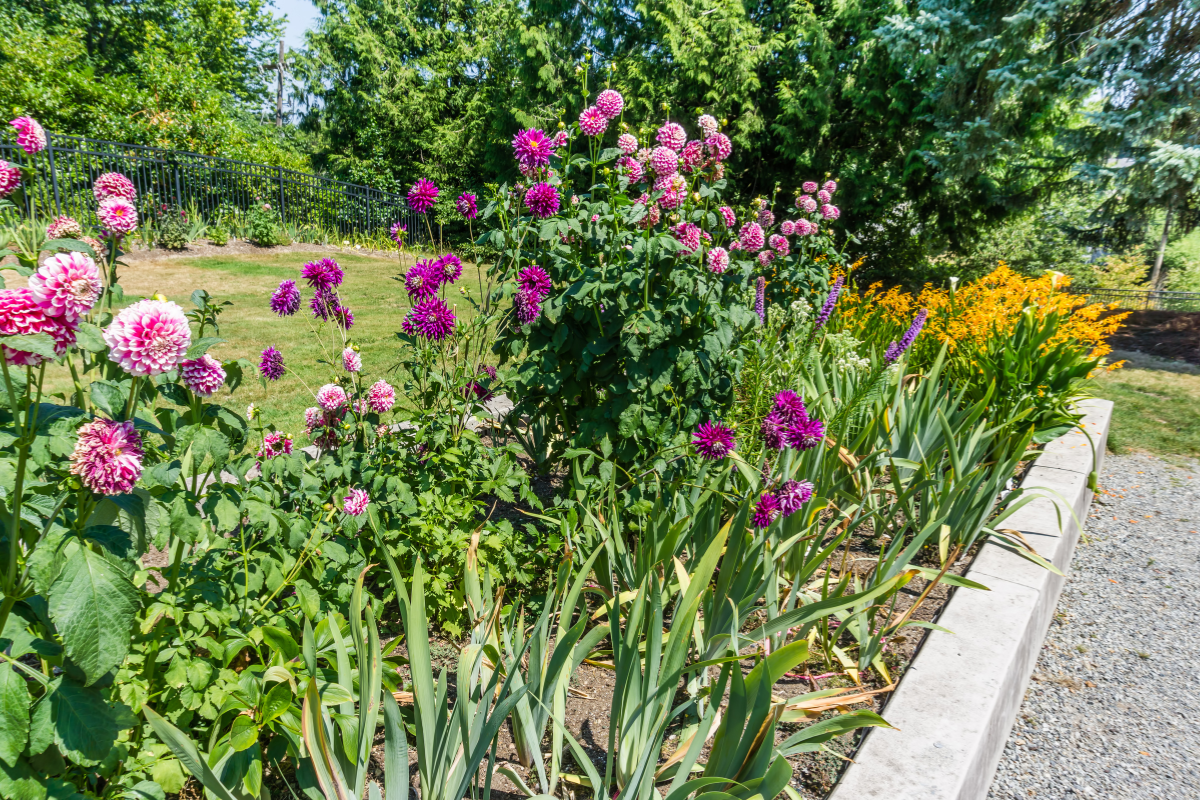
As global temperatures rise and droughts become more frequent, choosing the right plants isn't just a matter of aesthetics but rather an essential strategy for sustainable gardening. In this new climate reality, heat-tolerant flowers thrive where others wilt, delivering vibrant colors and resilience throughout the hottest months.
The USDA National Institute of Food and Agriculture emphasizes “future-proofing plants” in response to climate change. This guide highlights how gardeners can contribute to that vision by selecting flowers adapted to sun-scorched balconies, patios, or garden beds.
Understanding heat resilience in plants
Heat-tolerant flowers have evolved sophisticated traits to cope with high temperatures and scarce water:
- Reflective blooms: Many have bright, light-colored petals that reflect sunlight and reduce heat stress. Carotenoid pigments in species like zinnia serve both beauty and protection.
- Waxy or hairy leaves: Black-Eyed Susans and other drought-tolerant plants often feature rough or hairy leaves that minimize water loss through transpiration.
- Succulent tissues: Species such as moss rose store water in their fleshy leaves and stems, helping them endure long dry spells.
- Deep roots: Plants like daylilies grow extensive root systems, tapping into deeper soil moisture and enhancing drought survival.
Understanding these adaptations helps gardeners make informed choices. For instance, knowing a flower has waxy leaves might explain why it requires less watering or why overhead irrigation could lead to fungal issues.
10 top-performing flowers for hot conditions
Below is a carefully selected group of flowers that not only tolerate heat but thrive in it. These choices are backed by extension services and research from universities and agriculture departments, ensuring gardeners get reliable results.
1. Zinnia (Zinnia spp.)
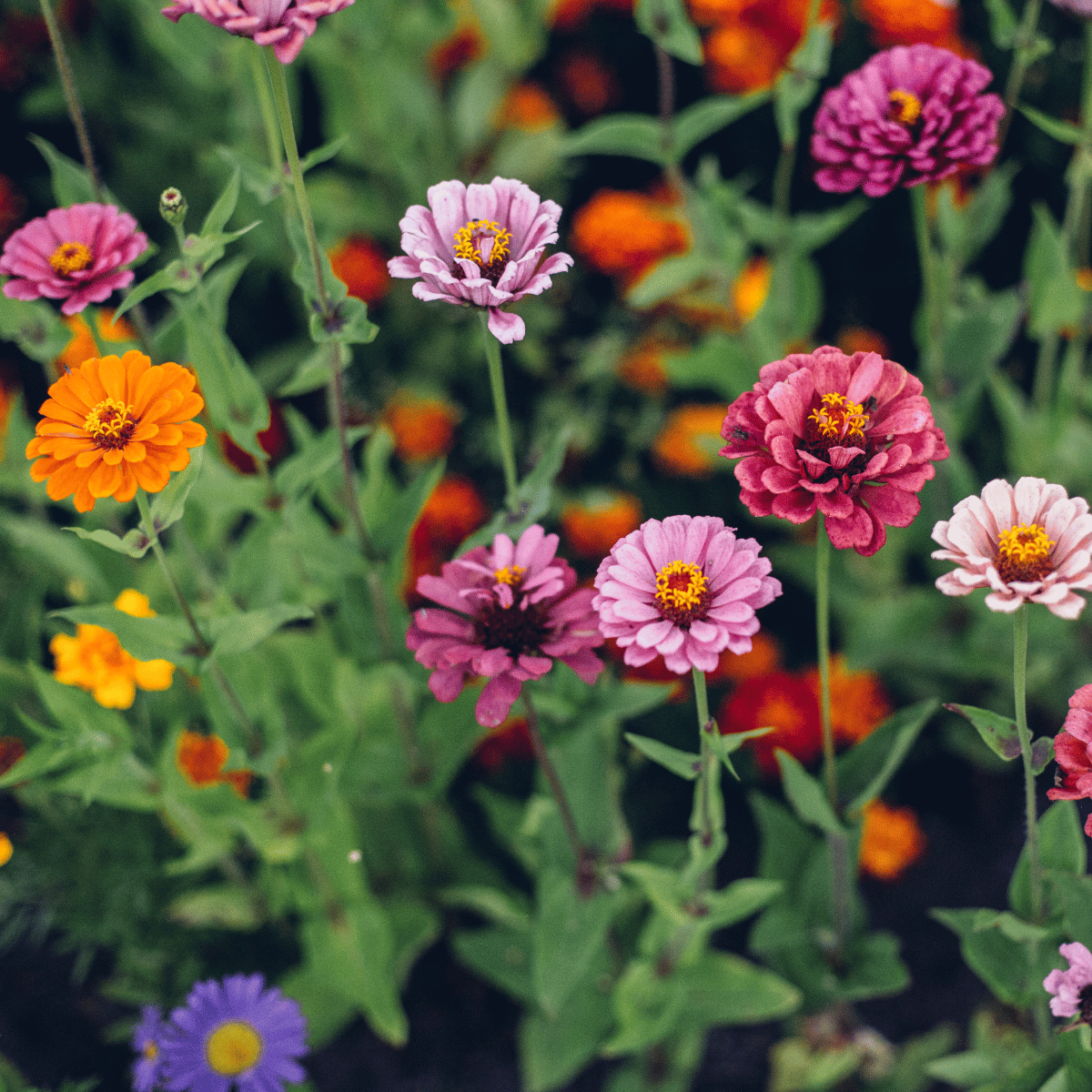
Zinnias are a classic summer annual, loved for their vivid colors and tolerance to dry, hot conditions. With many sizes and forms, they're perfect for garden beds and containers.
- Best growing conditions: Full sun, well-drained soil, minimal fertilizer.
- Care tip: Avoid overhead watering to prevent powdery mildew; deadhead regularly to extend blooming.
2. Lantana (Lantana camara)
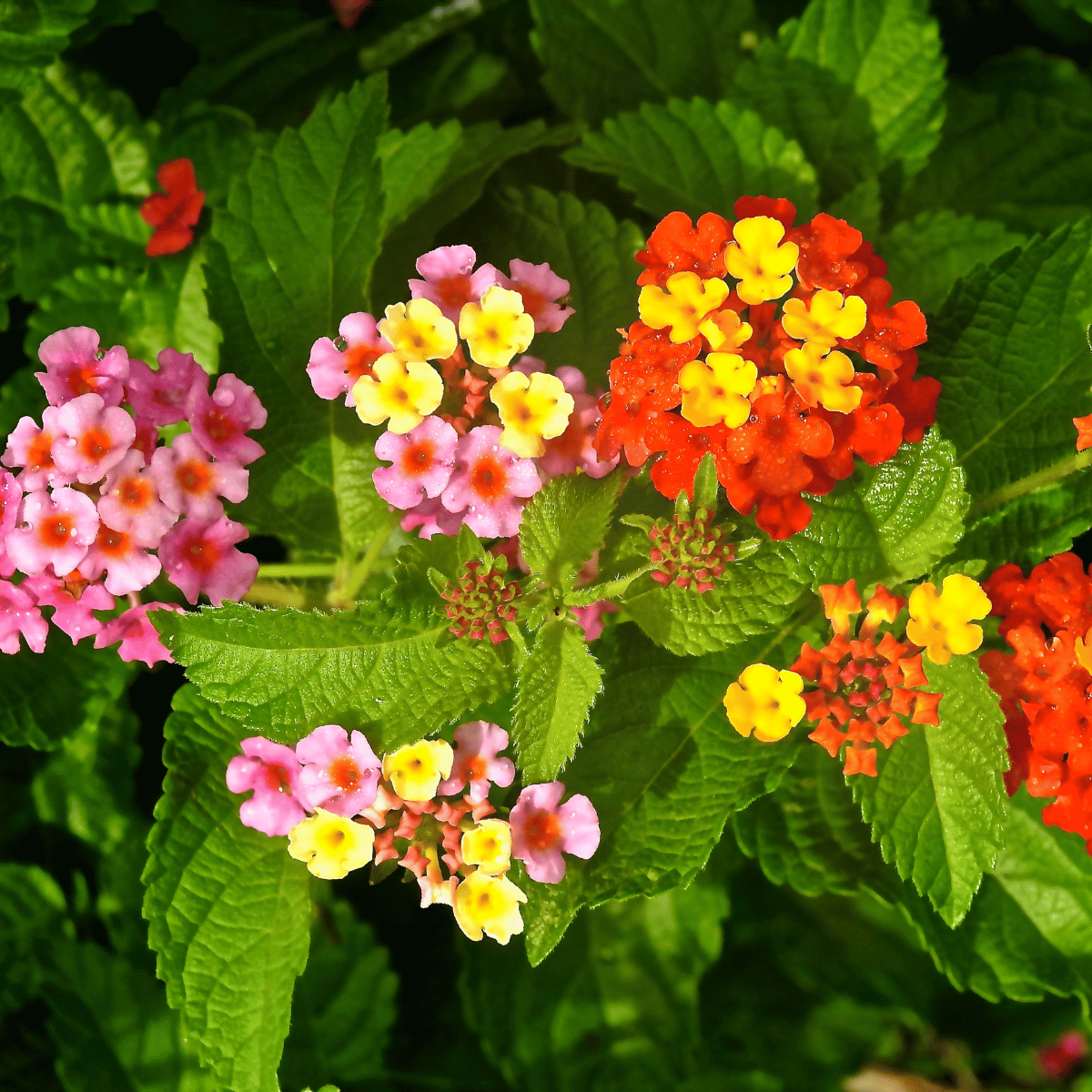
Lantana is a low-maintenance shrub with brilliant, multi-colored flower clusters. Its reputation for thriving in intense heat and drought makes it ideal for hot climates.
- Best growing conditions: Full sun, well-drained soil, light fertilization.
- Care tip: Too much water or fertilizer can reduce flowering. Deadhead regularly and protect from frost in colder zones.
3. Moss rose (Portulaca grandiflora)
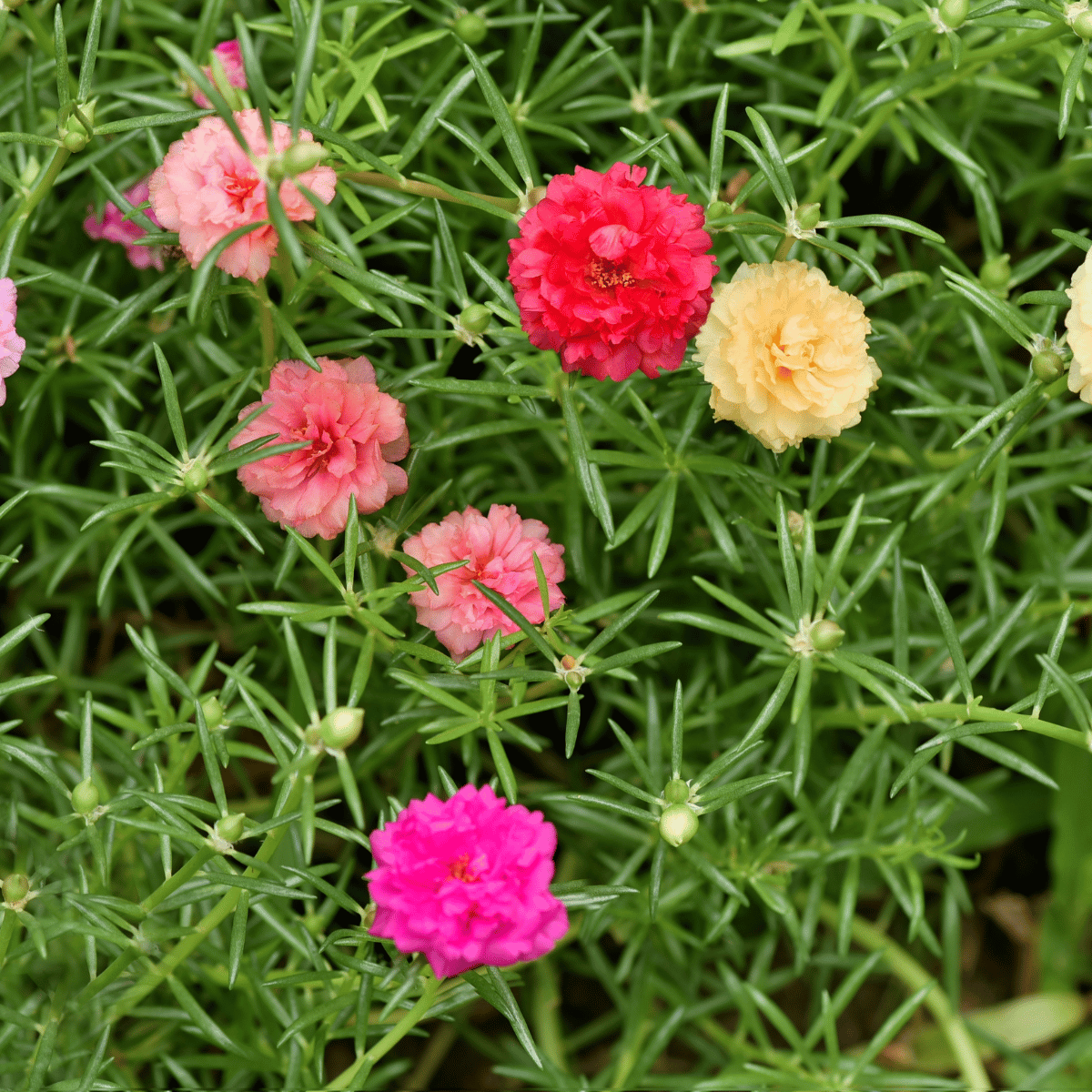
This low-growing succulent produces colorful, rose-like blooms that open in sunlight. Its fleshy stems store water, making it perfect for dry, sandy soils.
- Best growing conditions: Full sun, very well-drained soil (even sandy), minimal watering.
- Care tip: Don’t cover seeds when sowing since they need light to germinate. Remove spent flowers to control self-seeding.
4. Petunia (Petunia spp.)
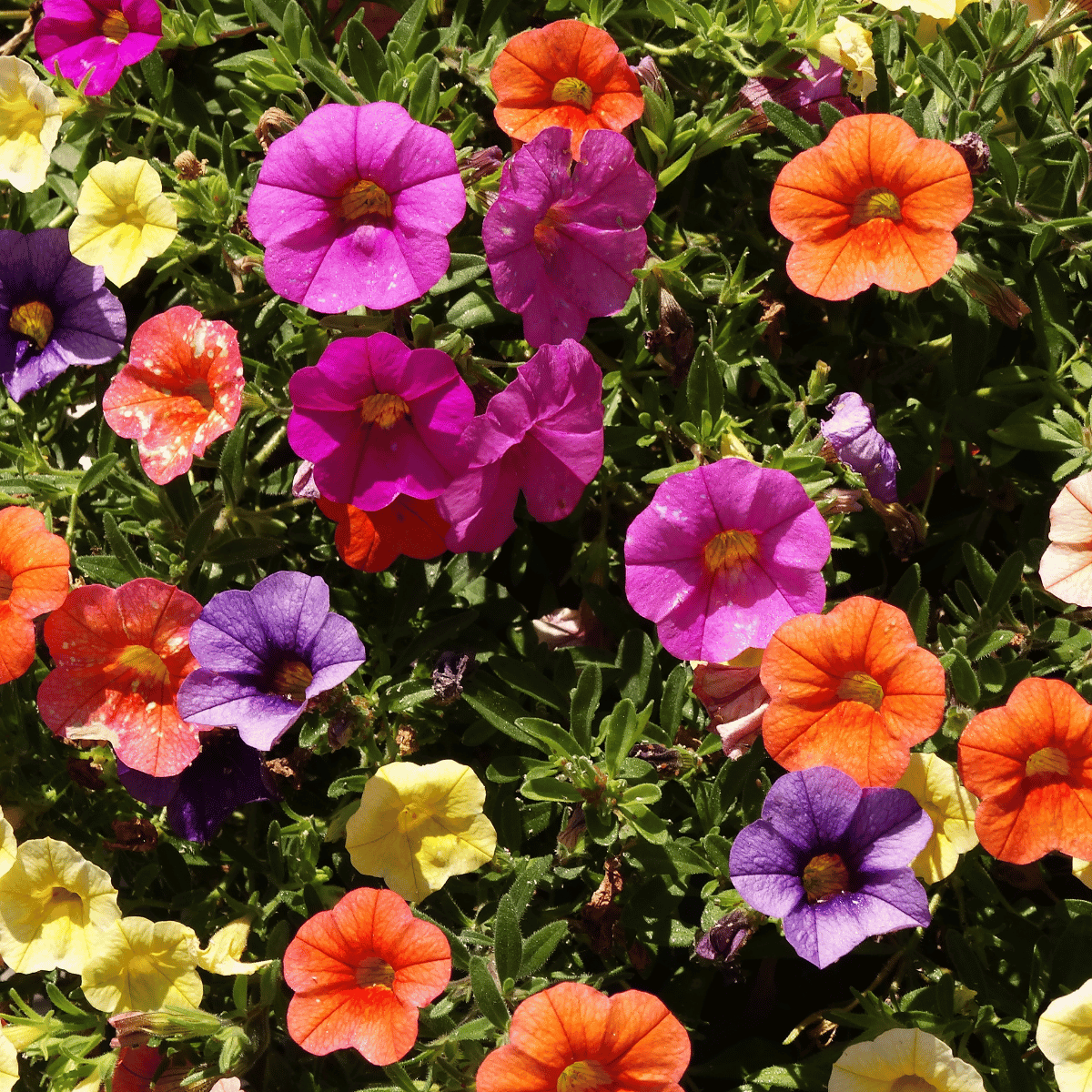
Modern petunia hybrids are bred for heat tolerance and long-lasting blooms. Their color diversity and trailing varieties make them excellent for hanging baskets and containers.
- Best growing conditions: Full sun, enriched but well-drained soil.
- Care tip: Use slow-release fertilizer at planting and supplement every two weeks. Deadhead and pinch to promote business.
5. Salvia (Salvia spp.)
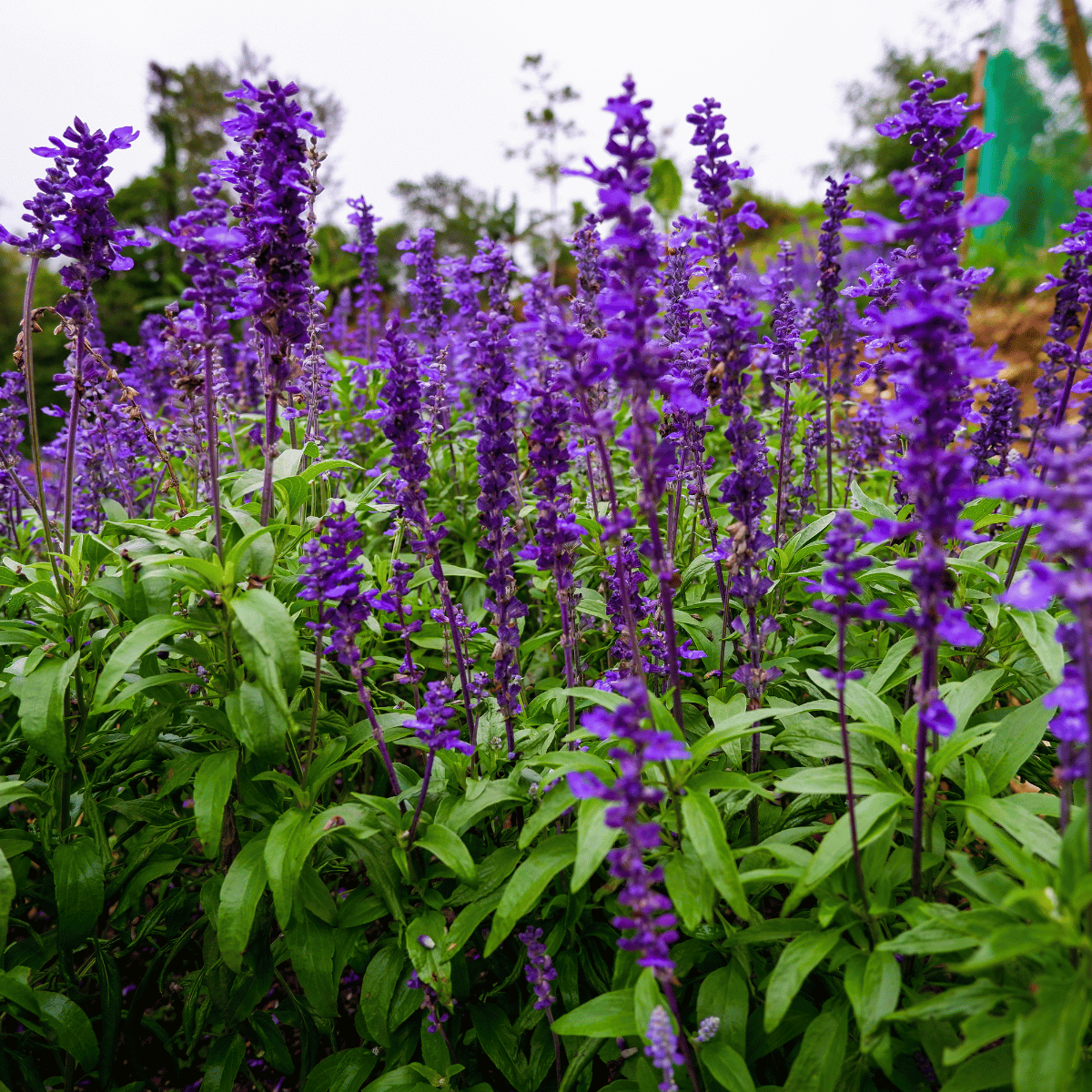
Salvias, or sages, offer long-lasting blooms in shades of blue, red, and violet. Many are drought-tolerant and pollinator-friendly, attracting bees, butterflies, and hummingbirds.
- Best growing conditions: Full sun, slightly acidic, well-drained soil.
- Care tip: Avoid overwatering or over-fertilizing. Deadhead faded spikes to encourage reblooming.
6. Sunflower (Helianthus annuus)
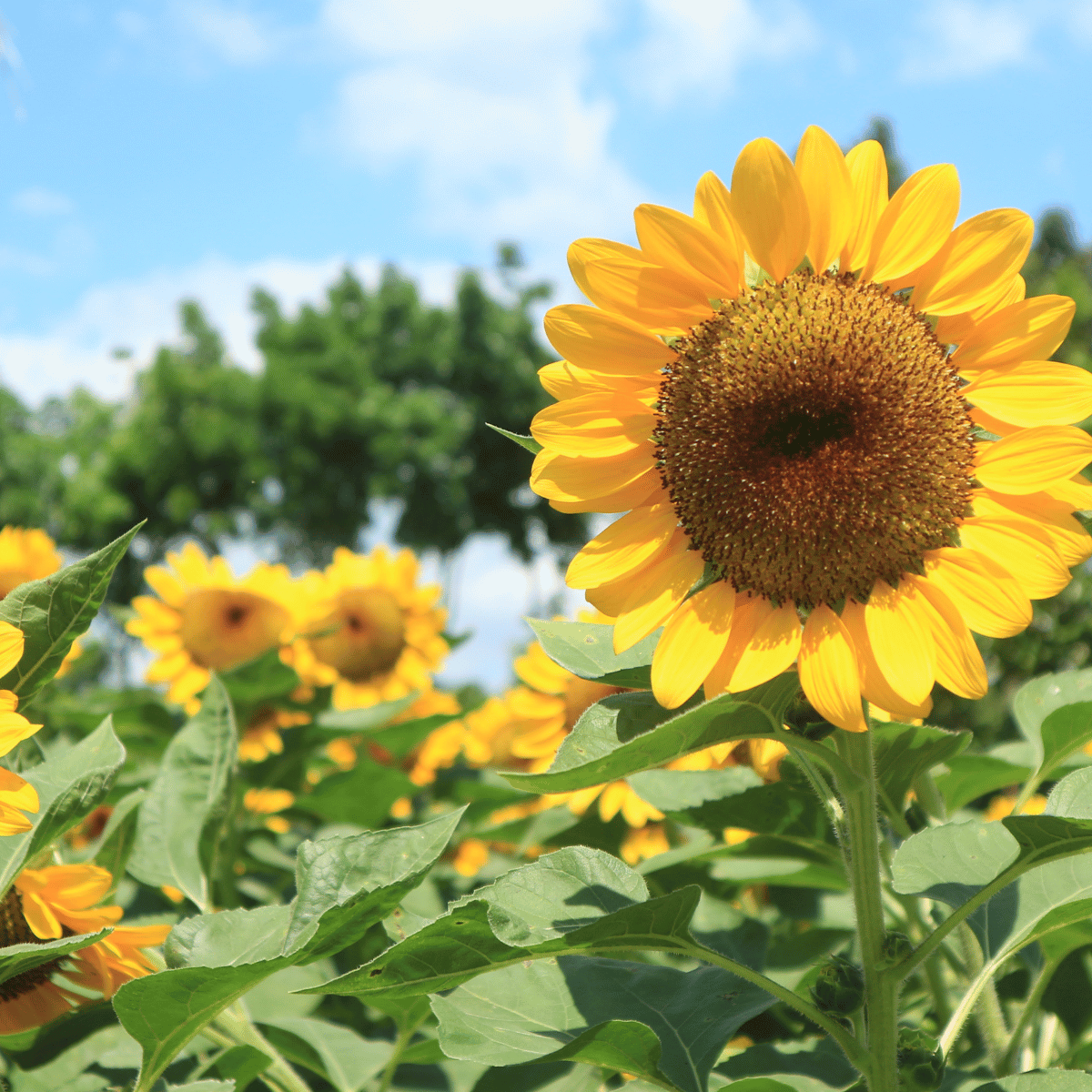
True sun-lovers, sunflowers thrive in heat and full sun. They now come in compact varieties suitable even for balcony pots.
- Best growing conditions: Full sun, deep soil, good drainage.
- Care tip: Choose dwarf varieties for containers. Taller types need sturdy support and large pots to avoid tipping.
Find more information on "Pollinator-Friendly Gardening: A Beginner’s Guide"
7. Coreopsis (Coreopsis spp.)
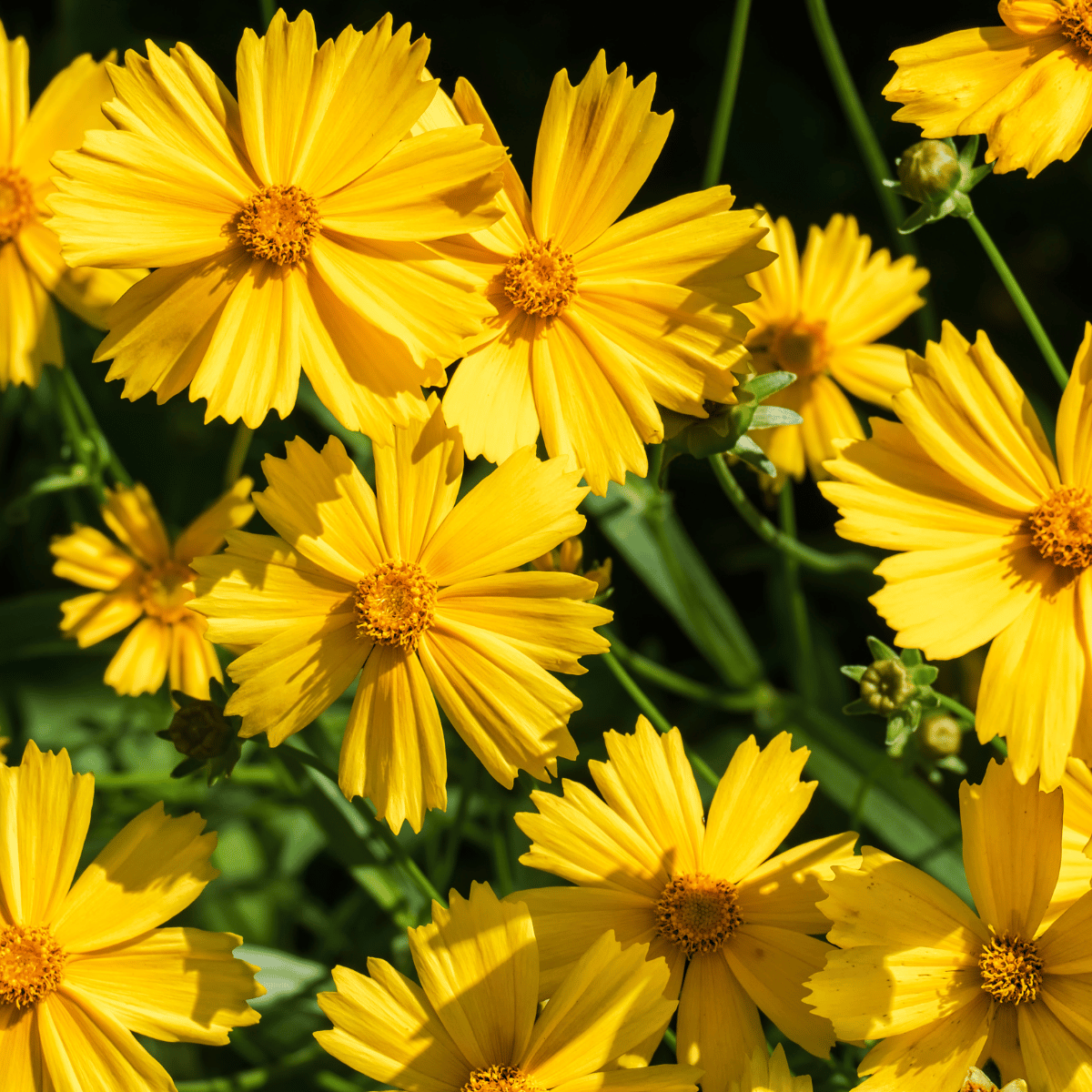
Known for their cheerful daisy-like flowers, coreopsis thrives in tough conditions and blooms profusely in summer.
- Best growing conditions: Full sun, well-drained soil.
- Care tip: Shear back after the first bloom flush to encourage repeat flowering. A bit of afternoon shade can help during extreme heat waves.
8. Coneflower (Echinacea spp.)
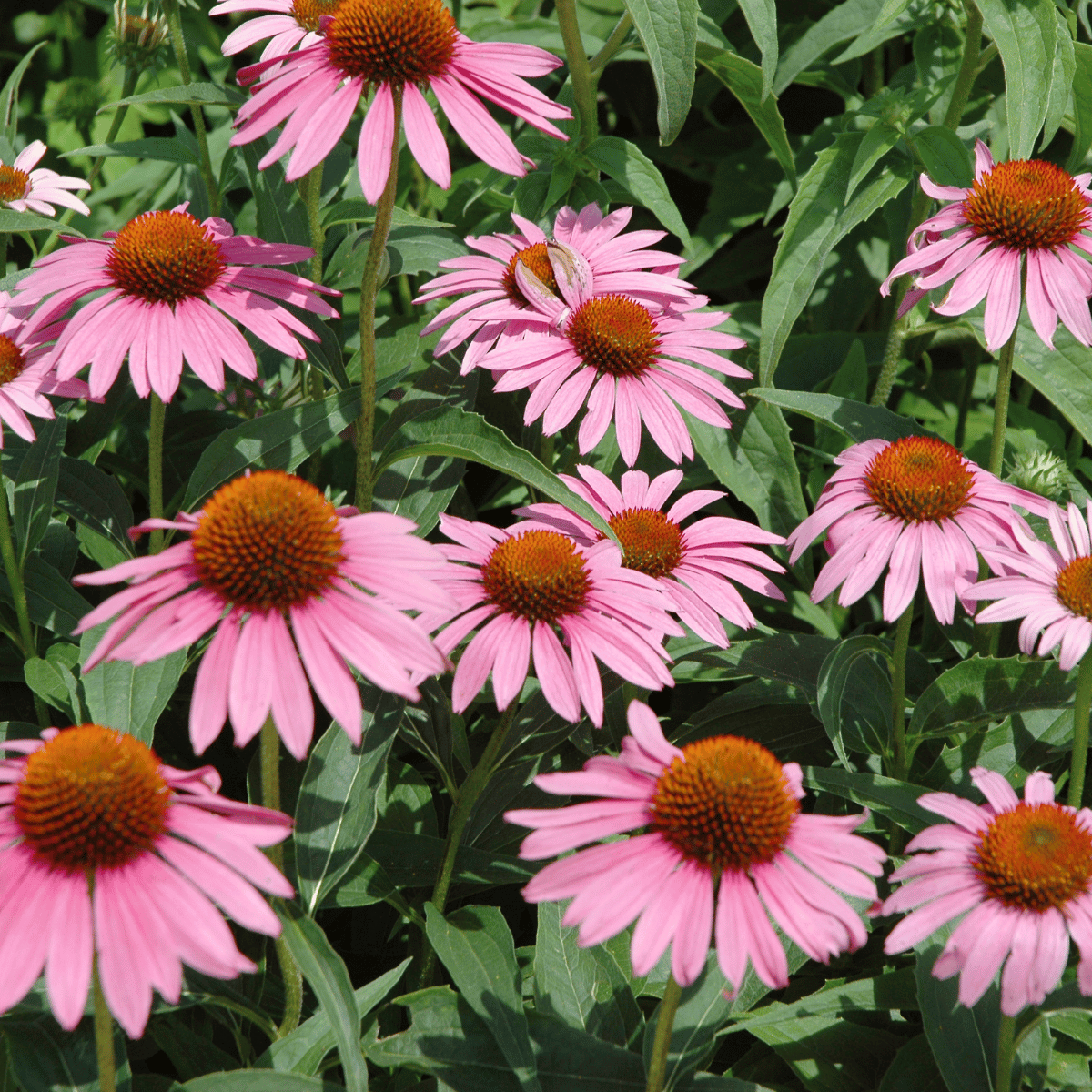
These hardy perennials tolerate drought, heat, and poor soils. Their daisy-like blooms attract pollinators and add late-summer color to beds.
- Best growing conditions: Full sun to partial shade, dry to medium soil.
- Care tip: Deadhead regularly and divide clumps every few years to maintain vigor.
9. Marigold (Tagetes spp.)
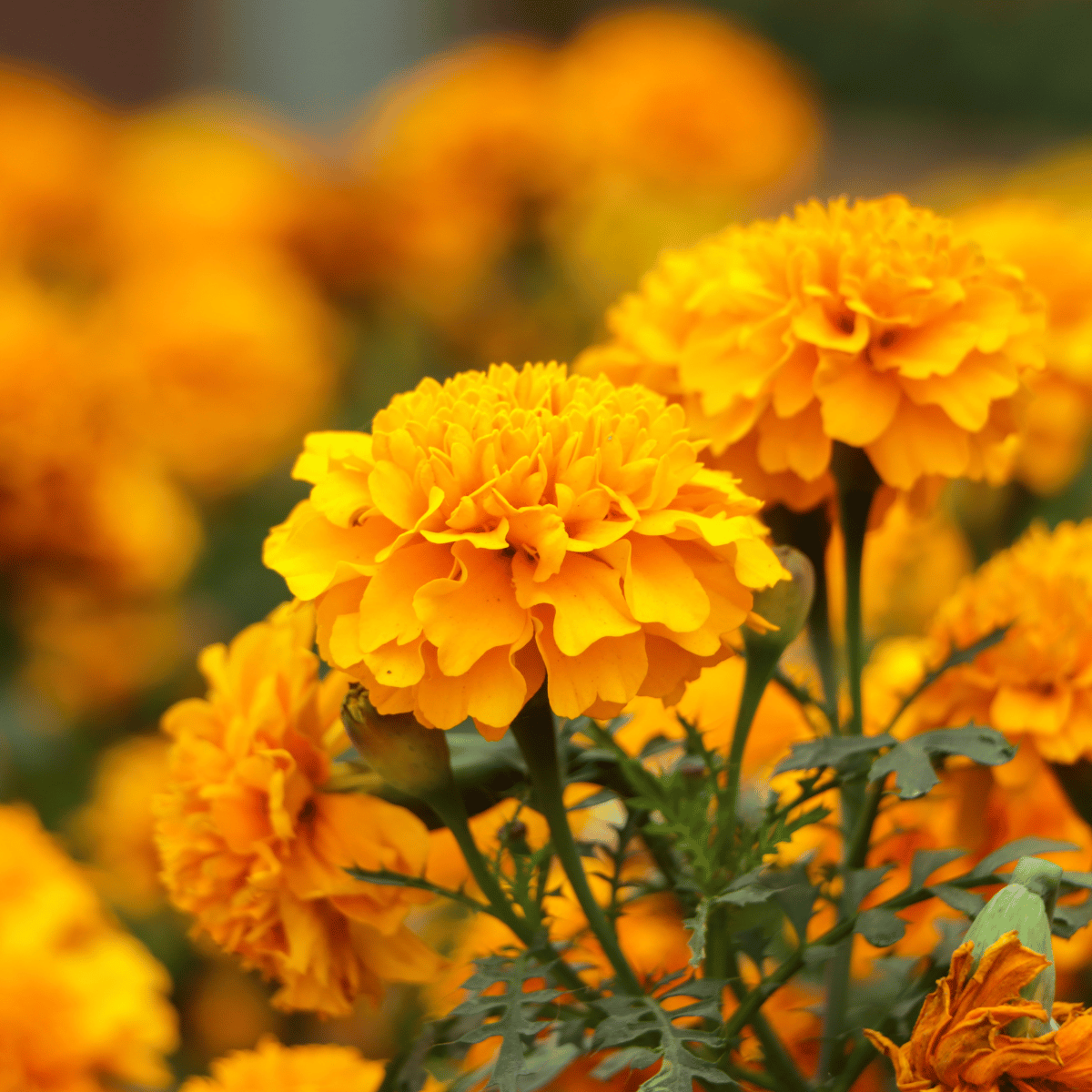
Marigolds are summer standbys that flourish in sun-soaked conditions and deter garden pests with their scented foliage.
- Best growing conditions: Full sun, well-drained soil, moderate watering.
- Care tip: Deadheading prolongs bloom time. Pinch young plants for bushier growth. Avoid over-fertilization, which can reduce flower production.
10. Daylily (Hemerocallis spp.)
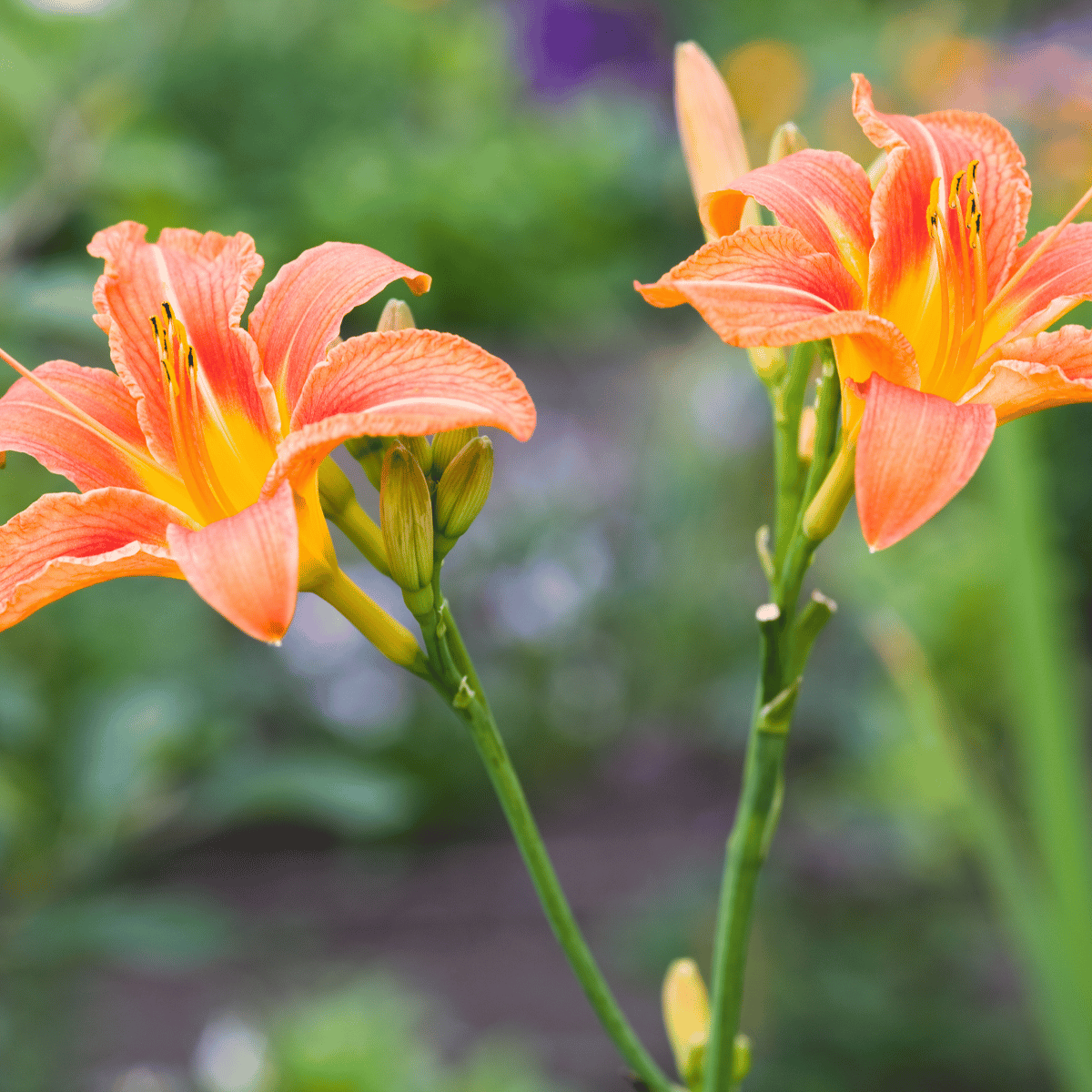
Daylilies are perennials that return reliably each year. They withstand heat, drought, and poor soils, blooming in nearly every color but blue.
- Best growing conditions: Full sun or light shade, moist but well-drained soil rich in organic matter.
- Care tip: Water regularly during flowering for best results. Divide every 3–5 years for healthy growth.
Choosing and caring for heat-tolerant flowers
While these plants are resilient, proper care ensures they perform their best:
- Sunlight: Most heat-tolerant flowers require at least 6 hours of full sun daily. Some may appreciate afternoon shade in extreme climates.
- Soil: Drainage is critical. Consider amending heavy soils with compost or sand.
- Water: While drought-tolerant, even these plants need consistent moisture until established. Deep, infrequent watering is generally better than frequent, shallow watering.
- Fertilizer: Avoid overfeeding. Many of these plants evolved in lean soils and can suffer from excess nitrogen, which encourages leafy growth at the expense of flowers.
- Container gardening: Use pots with drainage holes. Container plants dry out faster and often require daily watering in summer.
Conclusion: gardening smarter in a warming world
Choosing heat-resistant flowers is a climate-smart approach that promotes resource conservation, pollinator support, and long-term garden success. Whether you’re planting in beds or balcony containers, these ten heat-tolerant stars can help you create a thriving, colorful garden even under the harshest sun.