


Do Mars and the Moon have soil?
Not quite. While both have dust and rock on their surfaces, true soil — which sustains life — exists only on Earth. That's because real soil isn't just broken rock. It's a rich mixture of minerals, organic matter, water, and air — the essential ingredients for supporting plant growth and underground life. Mars lacks clay minerals, and the Moon has no organic matter. Without these, there's no real soil. Only Earth offers this rare combination — making soil one of our planet's most unique and life-enabling features.
Soil is built from elements that fuel life.
A closer look at soil reveals a mix of key elements: silicon (Si) and iron (Fe) form the mineral framework, while carbon (C), nitrogen (N), and oxygen (O) support the chemical and biological processes within it. These elements cycle constantly, feeding plants, nourishing microorganisms, and storing energy in organic forms. Soil is not a passive material — it's an active engine of life beneath our feet.
But where does soil come from?
Soil is formed over long periods through a natural process called weathering. It begins with solid rock breaking down under the influence of wind, water, temperature changes, and even biological activity. As rocks gradually become smaller particles, minerals like clay are created. At the same time, organic matter from decaying plants and animals mixes in, bringing the soil to life. Over time, layers form — from raw parent material at the bottom to rich, fertile topsoil at the surface.
What seems like simple "dirt" is actually the result of thousands of years of transformation. And once it's lost — through erosion, pollution, or overuse — it takes centuries to rebuild.

Soil is more than ground. It's a living system.
From growing our food to storing carbon, from filtering water to supporting biodiversity, soil is essential to our survival. And yet, it's often ignored, paved over, or treated like waste. Raising awareness of what soil truly is — a dynamic, irreplaceable layer of life — is the first step toward protecting it.
So, next time you walk outside, take a moment to think about what lies beneath your feet. Soil is Earth's skin — thin, fragile, and vital. Let's take care of it.
The Diversity of Soils Around the World
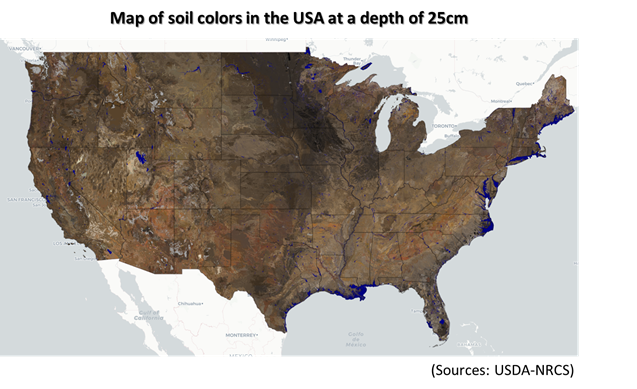
Soil is not the same everywhere. In fact, there are thousands of different soil types across the globe, each with its own unique properties and abilities. Some soils, like the rich black earths of Ukraine or the American Midwest, are famous for their fertility and ability to grow abundant crops. Others, like the red laterites of tropical regions, are less fertile due to heavy rainfall washing away nutrients. Sandy soils drain water quickly but struggle to retain nutrients, while clay soils hold onto water and nutrients but can be hard for roots to penetrate. This diversity is shaped by climate, underlying rock, vegetation, and even time — making soil a fascinating record of a region’s natural history.
The Hidden World Beneath Our Feet
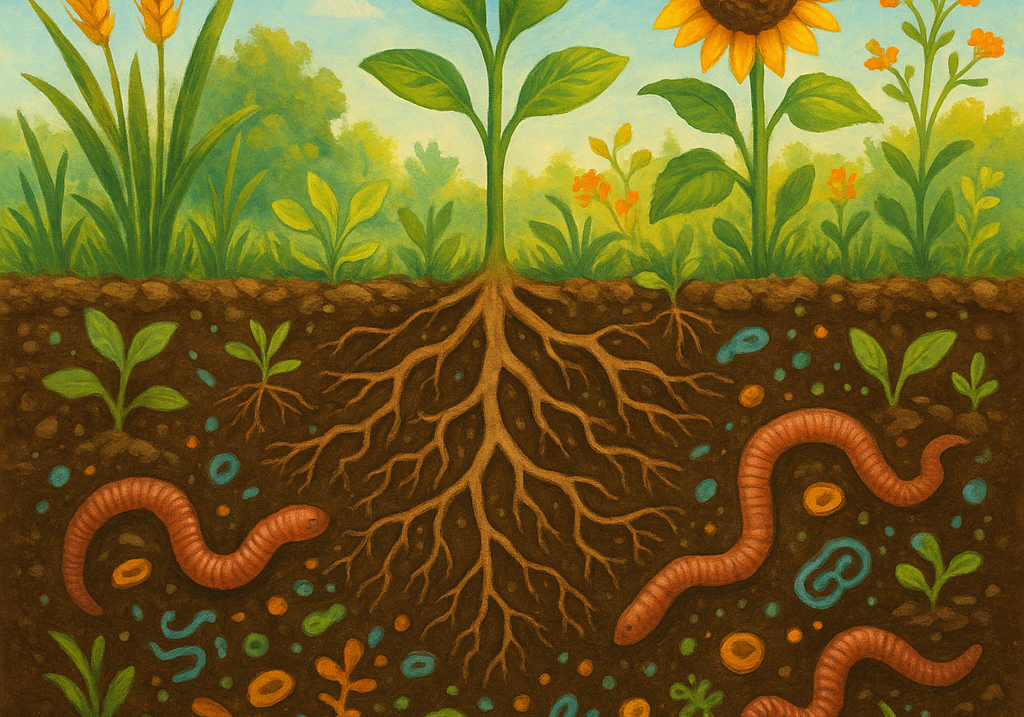
What most people don’t realize is that the soil is teeming with life. A single teaspoon of healthy soil can contain billions of microorganisms — bacteria, fungi, protozoa, and tiny animals like nematodes. These invisible workers break down organic matter, recycle nutrients, and even help plants resist disease. Earthworms, often called "nature's plows," tunnel through the soil, improving its structure and allowing air and water to reach plant roots. Mycorrhizal fungi form partnerships with plant roots, extending their reach and helping them absorb water and minerals. This underground ecosystem is as complex and vital as any rainforest or coral reef.
Soil and the Climate Connection
Soil plays a crucial role in regulating Earth's climate. It acts as a giant carbon sink, storing more carbon than the atmosphere and all the world's plants combined. When plants grow, they absorb carbon dioxide from the air and store it in their tissues. As plants die and decompose, some of this carbon becomes part of the soil's organic matter. Healthy soils can lock away carbon for centuries, helping to slow climate change. However, when soils are disturbed by deforestation, overgrazing, or intensive farming, they can release this stored carbon back into the atmosphere, contributing to global warming. Protecting and restoring soils is, therefore, a key part of fighting climate change.
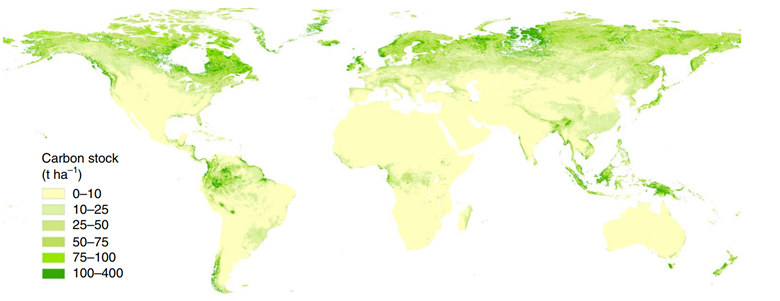
(Sources: Kramer and Chadwick, 2018. Nature Climate Change)
The Threats Facing Our Soils
Despite its importance, soil is under threat worldwide. Erosion from wind and water strips away fertile topsoil at an alarming rate — sometimes faster than it can be replaced. Pollution from chemicals, heavy metals, and plastics can poison soils and the creatures that live in them. Urban development covers soils with concrete and asphalt, cutting them off from air and water. Overuse of fertilizers and pesticides can disrupt the delicate balance of soil life, reducing fertility over time. According to the United Nations, a third of the world's soils are already degraded, putting future food security at risk.
How We Can Protect and Restore Soil
Fortunately, there are many ways to care for the soil and ensure it remains healthy for generations to come. Farmers are adopting practices like crop rotation, cover cropping, and reduced tillage to build soil fertility and prevent erosion. Planting trees and restoring native vegetation can stabilize soils and bring back lost biodiversity. Composting food and yard waste returns valuable organic matter to the soil, improving its structure and fertility. Even in cities, community gardens and green spaces help keep the soil alive and productive. By making conscious choices, everyone can play a role in protecting this precious resource.
Conclusion
Soil may seem ordinary, but it is nothing short of miraculous. It connects the rocks beneath us to the plants above, supports countless forms of life, and helps regulate the planet’s climate. By understanding and respecting soil, we take an important step toward a healthier, more sustainable future for all life on Earth.
Further reading
Innovative Solutions for Farmers: Combating Desertification and Drought in 2025
Healthy Soil, Healthy Gut: How Microbes Link Food, Farm & Wellness
Soil Biodiversity: The Key to Regenerative and Sustainable Farming
Digital Soil Mapping: Boosting West Africa’s Agriculture
The Role of Soil Microbiome in Sustainable Farming
Land Degradation Neutrality through Carbon Farming Practices