Simple Summary
Insect frass, the waste produced by insects like mealworms and black soldier flies, is gaining attention as a natural fertilizer. Studies show it improves soil quality by adding nutrients like nitrogen, phosphorus, and potassium. It also helps plants grow stronger roots and shoots, though too much can harm seed germination. Farmers can use frass to replace chemical fertilizers, and this practice could reduce costs and environmental harm. Some research suggests frass can boost soil microbes that fight plant diseases. However, results vary based on the insect's diet and how the frass is processed. For example, heat treatment of frass (to kill germs) might reduce its benefits. Frass works well for crops like tomatoes and sunflowers, but high doses can make the soil too salty. Overall, insect frass is a promising, eco-friendly option for farming, but farmers need to use the right amounts and methods to avoid problems.
Introduction
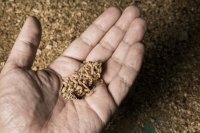
As global farming faces challenges like soil degradation and climate change, finding sustainable alternatives to synthetic fertilizers is critical. Insect farming for protein production or waste recycling generates a byproduct called insect frass (Gadzama, 2024; Mostafaie et al., 2025; Gadzama, 2025). This is a mixture of insect excrement, undigested feed, and shed exoskeletons (Figure 1). Insect frass is rich in nutrients and organic matter and is emerging as a "green" fertilizer that supports soil health, plant growth, and even pest resistance (Barragán-Fonseca et al., 2022).
Recent studies highlight its potential. For example, Malheiro et al. (2024) found that black soldier fly (BSF) frass increased soil potassium and phosphorus levels, while Nurfikari et al. (2024) showed it enriches soil with beneficial microbes. However, high frass concentrations can harm seed germination (Foscari et al., 2024), and its nutrient content depends on the insects' diet (Hénault-Ethier et al., 2024). This article explores how insect frass impacts agriculture, comparing findings across crops, soil types, and farming systems. The article also discusses its benefits, limitations, and practical tips for farmers to use it effectively.
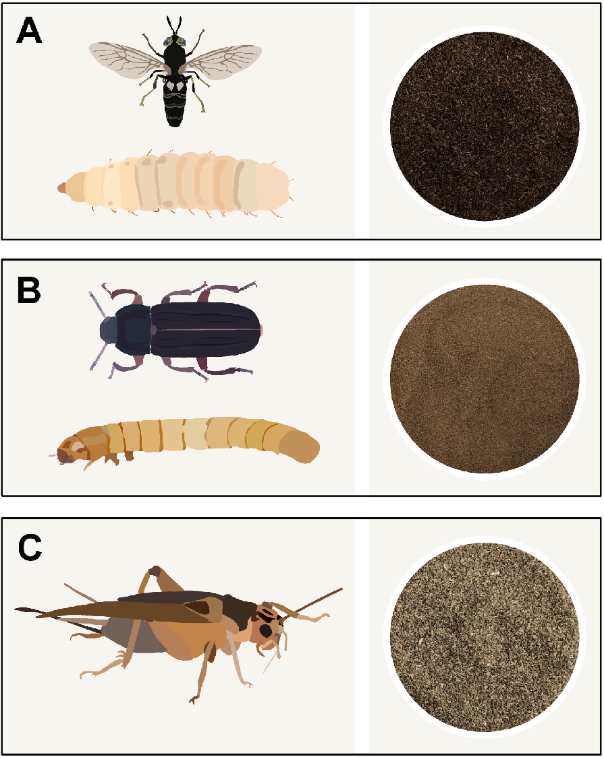
Figure 1. Insect species approved in the EU for food, feed, and frass applications.
Adapted from Praeg & Klammsteiner (2024).
1. Boosting Soil Nutrients and Structure
Insect frass significantly improves soil fertility. Malheiro et al. (2024) reported that BSF frass increased soil organic matter by 83.7% and raised pH levels, making nutrients more available to plants. Similarly, Karkanis et al. (2024) found that mealworm (MW) frass boosted phosphorus and potassium in soil by 15–20%. However, results vary by insect species. House cricket frass has higher nitrogen (6.97%) compared to mealworms (3.3%) (Hénault-Ethier et al., 2024). Frass also enhances soil structure by promoting microbial activity, which helps break down organic matter (Nurfikari et al., 2024). Farmers should note that frass from herbivorous insects (e.g., crickets) tends to have balanced nutrients, while frass from waste-fed larvae (e.g., black soldier flies) may contain heavy metals if the feedstock is contaminated (Mostafaie et al., 2025).
2. Enhancing Plant Growth and Crop Yields
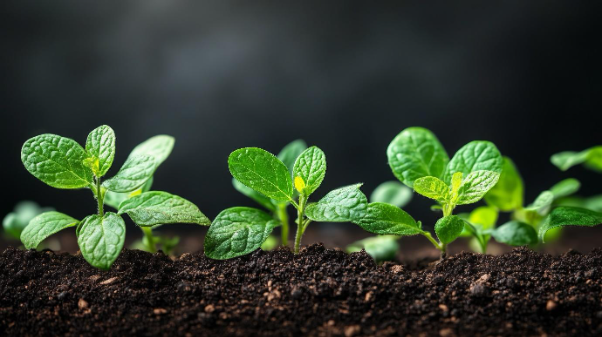
Studies show frass can replace synthetic fertilizers for many crops. For sunflowers, Foscari et al. (2024) found that 3% mealworm frass increased root growth by 25%, matching conventional fertilizers. In broccoli, frass improved shoot length by 18% at lower doses but stunted growth at 9.6% concentrations (Mostafaie et al., 2025). Tomato plants treated with frass had higher fruit yields and protein content (Steinrücken et al., 2024). However, overuse risks nutrient imbalances. High potassium in frass can inhibit calcium uptake in leafy greens (Karkanis et al., 2024). Farmers are advised to test the soil before applying frass and follow recommended rates (0.5–2% of soil weight).
Source: Vecteezy
3. Supporting Soil Microbes and Pest Resistance
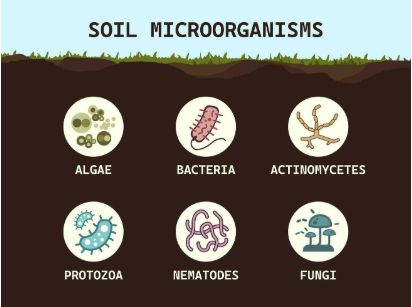
Frass promotes beneficial soil bacteria and fungi. Nurfikari et al. (2024) observed a 90% increase in fungal biomass in soils amended with BSF frass, including Mortierella, a genus known to suppress root diseases. Chitin in insect exoskeletons also triggers plant defenses. Barragán-Fonseca et al. (2022) found that frass reduced aphid infestations in lettuce by 40% by activating plant immune responses. However, heat-treated frass (required for pathogen safety) may lose some microbial benefits. For example, sterilization reduced Bacillus populations in mealworm frass by 50% (Hénault-Ethier et al., 2024). Farmers using frass for pest control should prioritize fresh, non-sterilized frass or combine it with compost to restore microbes.
Source: Vecteezy
4. Challenges: Salinity and Germination Risks
Insect frass has many benefits, but high application rates can harm crops. Adams et al. (2024) reported that 5% frass reduced onion germination by 60% due to elevated soil salinity. Similarly, Foscari et al. (2024) found that 2% mealworm frass increased soil electrical conductivity by 30%, stressing young plants. To avoid this, farmers should:
- Mix frass with compost to dilute salts.
- Apply frass 2–3 weeks before planting.
- Use drip irrigation to flush excess salts from the root zone (Malheiro et al., 2024).
5. Future Opportunities: Biogas and Circular Farming
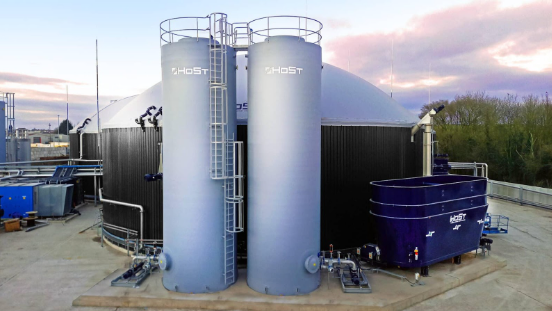
Beyond fertilizers, frass can produce biogas. Dal Magro et al. (2024) found that BSF frass generates 150–200 m³ of methane per ton, comparable to cow manure. Integrating frass into biogas systems allows farmers to produce renewable energy while recycling waste. Furthermore, frass-fed algae (e.g., Chlorella) yield 40% more protein than conventional feeds (Steinrücken et al., 2024). These innovations support circular farming, where insect waste becomes energy, fertilizer, and feed—closing the loop on resource use.
Source: Organic Waste Biogas Plants
6. Implications for Farmers
Insect frass offers a low-cost, sustainable alternative to synthetic fertilizers, but success depends on proper use. Farmers are advised to take the following precautionary measures:
- Test Soil First: Check pH and nutrient levels to avoid over-application.
- Start Small: Use 0.5–1% frass for seedlings and 1–2% for mature crops.
- Combine with Compost: Enhances microbial diversity and reduces salinity.
- Explore New Markets: Sell excess frass to biogas plants or algae farms.
References
- Adams, D. S., & Koutsos, E. A. (2024). Applied research note: Black Soldier Fly Larvae Frass is an effective feed ingredient for broiler diets. Journal of Applied Poultry Research, 33(2), 100493. Applied research note: Black Soldier Fly Larvae Frass is an effective feed ingredient for broiler diets — Journal of Applied Poultry Research
- Barragán-Fonseca, K. Y., Nurfikari, A., van de Zande, E. M., Wantulla, M., van Loon, J. J. A., de Boer, W., & Dicke, M. (2022). Insect frass and exuviae to promote plant growth and health. Trends in Plant Science, 27(7), 646–656.
- Dal Magro, A., Lovarelli, D., Bacenetti, J., & Guarino, M. (2024). The potential of insect frass for sustainable biogas and biomethane production: A review. Bioresource Technology, 412, 131384.
- Foscari, A., Dalla Costa, L., Tulli, F., Uboni, C., Fellet, G. (2024). Frass from Tenebrio molitor as alternative to NPK-mineral fertilization: Results from a germination test and pot experiment on sunflower. Italian Journal of Agronomy, 19, 100010.
- Gadzama, I. U. (2025). Nutritional and bioactive benefits of black soldier fly larvae for poultry. NL Journal of Veterinary and Animal Nutrition, 1(1), 1-4.
- Gadzama, I. U. (2024). Influence of Rearing Substrate on Black Soldier Fly Larvae Nutritional Value for Animal Feed. Wikifarmer. Influence of Rearing Substrate on Black Soldier Fly Larvae Nutritional Value for Animal Feed — ResearchGate
- Hénault-Ethier, L., Quinche, M., Reid, B., Hotte, N., Fortin, A., Normandin, É., & Vandenberg, G. (2024). Opportunities and challenges in upcycling agri-food byproducts to generate insect manure (frass): A literature review. Waste Management, 176, 169–191.
- Karkanis, A., Asprogeraka, A. C., Paouris, E., Ntanasi, T., Karavidas, I., Rumbos, C. I., Athanassiou, C. G., & Ntatsi, G. (2024). Yellow mealworm frass: A promising organic fertilizer for common sowthistle and bristly oxtongue cultivation. Heliyon, 10(16), e35508.
- Malheiro, C., Prodana, M., Patinha, C., Morgado, R. G., & Loureiro, S. (2024). Insect frass from upcycling vegetable by-products with cereals: Effects on soil properties, plant development, and soil invertebrate fitness. Journal of Environmental Management, 372, 123234.
- Mostafaie, A., Silva, A. R. R., Pinto, J. N., Prodana, M., Lopes, I. G., Murta, D., Brooks, B. W., Loureiro, S., & Cardoso, D. N. (2025). Towards circularity for agro-waste: Minimal soil hazards of olive pomace bioconverted frass by insect larvae as an organic fertilizer. Journal of Environmental Management, 375, 124151.
- Nurfikari, A., Leite, M. F. A., Kuramae, E. E., & de Boer, W. (2024). Microbial community dynamics during decomposition of insect exuviae and frass in soil. Soil Biology and Biochemistry, 194, 109426.
- Steinrücken, P., Müller, O., Böpple, H., & Kleinegris, D. M. M. (2024). Insect frass as a fertilizer for the cultivation of protein-rich Chlorella vulgaris. Bioresource Technology Reports, 25, 101686.