Vineyards in Crete are between berry development and the start of veraison, with the Sultana variety spanning different stages across the ripening zones. Grapevine moth activity has risen in the late zone and the weather keeps powdery mildew pressure high, so protecting the bunches is the priority this period.
Grapevine moth and the timing of the repeat spray
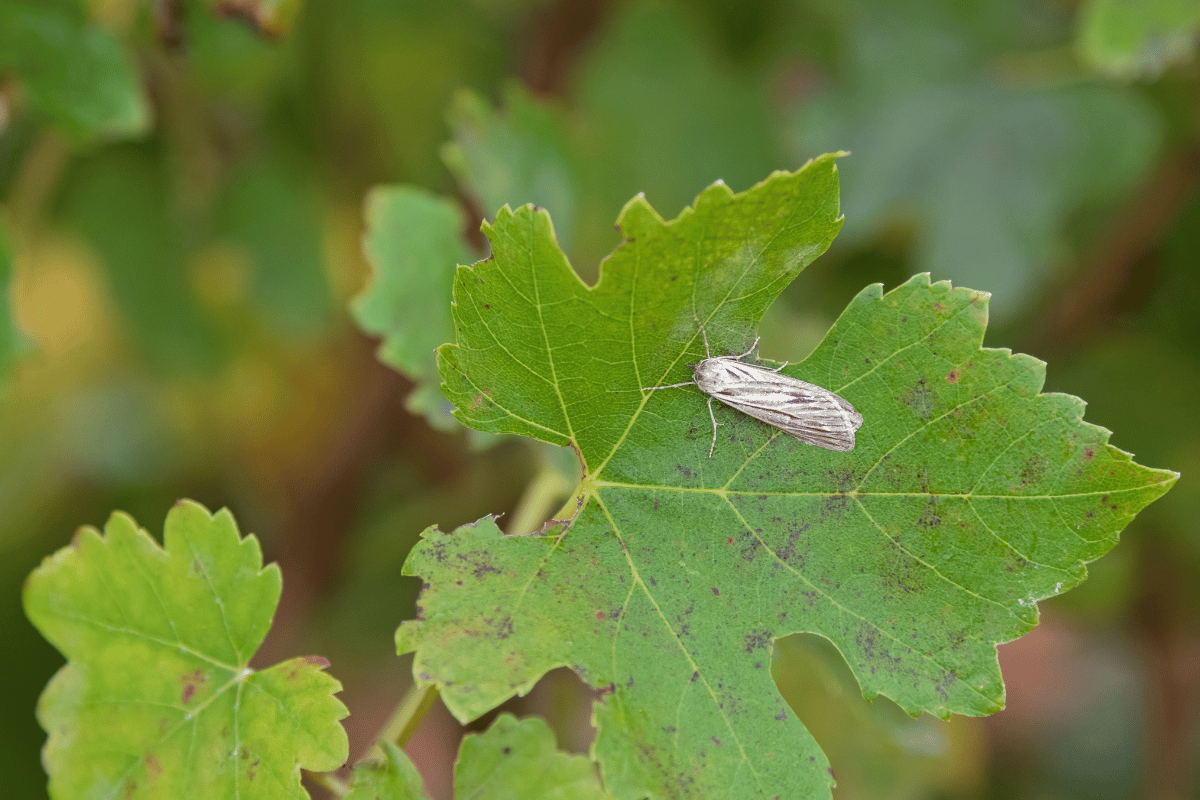
Activity of the European grapevine moth (Lobesia botrana) has increased markedly in the late zone, with more catches and egg laying. Sprays target the bunches and must cover them well during application. In the early and intermediate zones the second flight is almost complete, while in the earliest areas the third flight is expected to begin. How the fruit generation develops and when treatment is justified is covered in our guide on the European grapevine moth fruit generation.
| Zone and region | Situation | Recommendation |
|---|---|---|
| Late zone, Heraklion and Lasithi Bulletin 3 July |
Increased grapevine moth activity | Repeat spray 4-6 July, targeting the bunches |
| Late zone, Chania and Rethymno | Increased grapevine moth activity | Repeat spray 6-8 July |
| Early and intermediate zone | Second flight is almost complete | Monitor and prepare for the third flight in the earliest areas |
Powdery and downy mildew on the bunches
Temperature, humidity, and wind favour successive short cycles of powdery mildew (Erysiphe necator), with new infections appearing continuously on bunches and foliage. Continuous cover without gaps is needed, with an interval matched to the product and rotation of active ingredients to avoid resistance. Downy mildew (Plasmopara viticola) shows new symptoms where local moisture occurs, so in vineyards with symptoms, protection continues during spells of heavy night dew. How to tell the two diseases apart is covered in our guide on distinguishing downy from powdery mildew in grapevines.
Leafhoppers and cultural measures
Leafhopper populations have risen in places. Scouting is done on 100 random leaves on the underside, with a treatment threshold of 50 to 100 wingless individuals per 100 leaves, and the spray targets the foliage. Dense, overly vigorous growth favours the establishment of insects and fungi and makes them harder to control, so it is managed with shoot removal, topping, and leaf removal to ventilate the interior of the vine and keep humidity low.
Sources
- Regional Agricultural Directorate of Heraklion, bulletin No 16 on grapevine pests and diseases (3 July 2026).