


Your weekly food recall & compliance tracker w42/2025
Week 42 of October 2025 witnessed 117 food safety notifications through the EU's Rapid Alert System for Food and Feed (RASFF), marking a significant period of heightened vigilance across European markets. Fresh produce represented 30.8% of all recalls, with 23 fruit and vegetable alerts, 9 herb and spice notifications, and 4 cereal product warnings dominating the agricultural sector's attention.
Highlights at a Glance
- Turkey emerged as the highest-risk origin country with 11 recalls, particularly for dried figs contaminated with ochratoxin A
- Four separate cases of ochratoxin A contamination in Turkish dried figs highlight a persistent mycotoxin challenge
- Unauthorized pesticides triggered 8 recalls across multiple commodities, emphasizing the growing EU-third country regulatory gap
- Pyrrolizidine alkaloids in herbs created 4 distinct notifications, signaling contamination from PA-producing weeds during harvest
The data reveals critical patterns that wholesale buyers and farmers must understand to navigate increasingly complex food safety requirements and protect their market access.
Top product categories affected by food recalls
The week's notifications spanned diverse food categories, with fruits and vegetables claiming the top position at 23 recalls, representing nearly 20% of all alerts. This concentration in fresh produce underscores the vulnerability of agricultural supply chains to both natural contaminants and chemical residues.
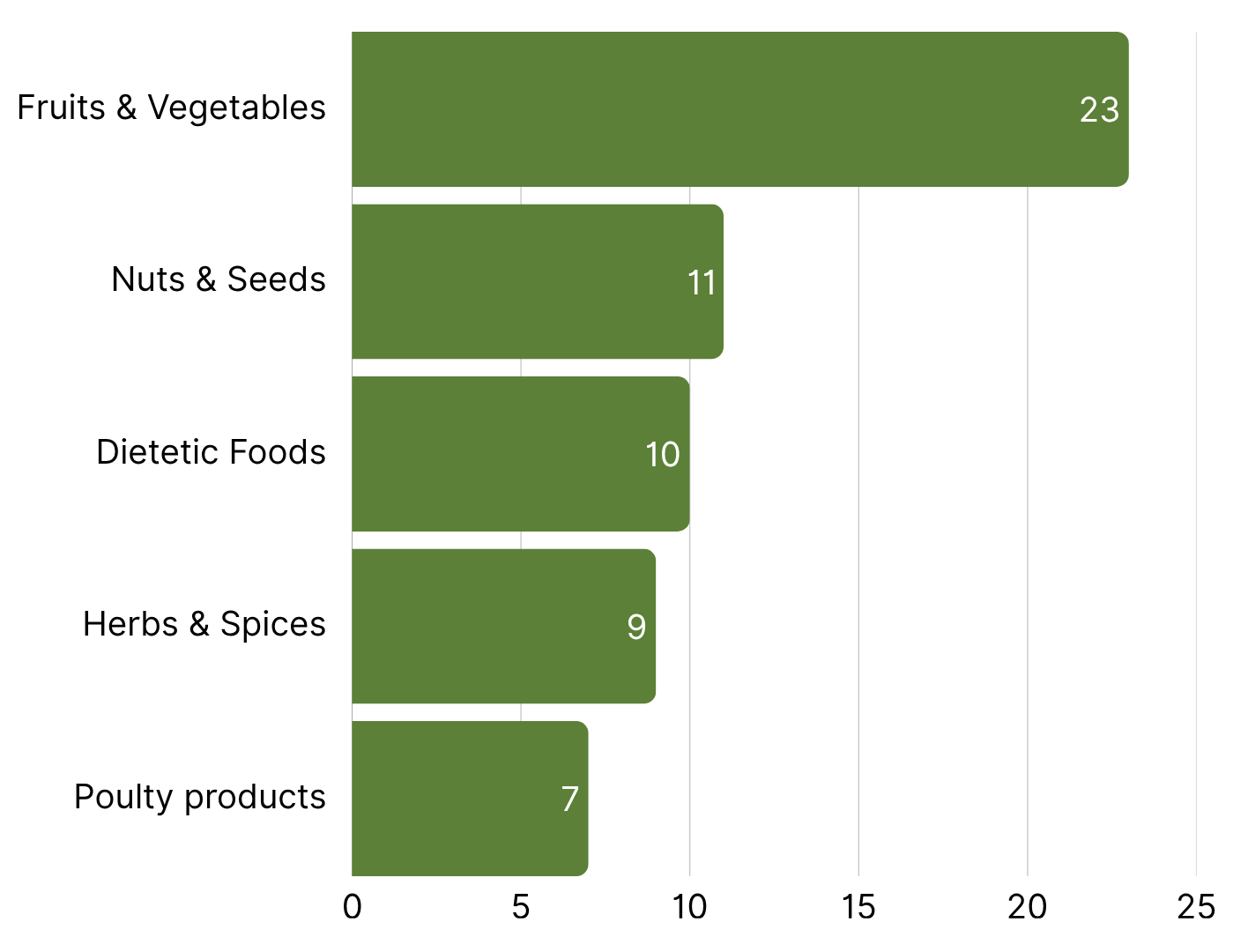
Graph 1: Top 5 Product Categories with the Most RASFF Alerts (Week 42)
Nuts, nut products, and seeds followed with 11 recalls, while dietetic foods and food supplements recorded 10 notifications. Herbs and spices, despite their smaller market volume, generated 9 alerts. This is a disproportionately high number that reflects the persistent challenge of weed contamination during mechanical harvesting.
Among animal products, poultry meat led with 7 recalls, primarily due to Salmonella contamination, while fish and fish products recorded 6 notifications, with mercury in swordfish being a notable concern. The presence of 6 food contact material recalls demonstrates that safety concerns extend beyond the food itself to packaging materials, particularly regarding primary aromatic amine migration in nylon cookware.
The distribution across 104 food recalls, 7 feed alerts, and 6 food contact material notifications illustrates the comprehensive scope of EU food safety monitoring, with agricultural products bearing the greatest vulnerability.
Fresh produce focus
The concentration of fresh produce recalls this week reveals the systemic challenges facing international agricultural trade. Mycotoxin contamination dominated the hazard landscape, with ochratoxin A detected in 5 separate cases and aflatoxins in 2 instances.
Pesticide residues created the second major concern category, with unauthorized substances appearing in products from Honduras, Egypt, Kenya, Pakistan, Thailand, and Uzbekistan. The presence of banned pesticides like chlorpyrifos (found in Egyptian mangoes and Uzbek dill) exemplifies the "double standard" problem, where substances prohibited in EU production remain legal in exporting countries, creating compliance nightmares for importers.
Turkish produce featured prominently with fosthiazate in tomatoes and spirotetramat in fresh peppers, both exceeding maximum residue levels (MRLs). Belgian Savoy cabbage violated flonicamid MRL limits, demonstrating that even EU-origin produce faces compliance challenges. The detection of radioactive contamination in Russian mushrooms added an unusual dimension to the week's alerts, highlighting diverse risk vectors in the fresh produce supply chain.
Dried fruit products emerged as a particularly vulnerable category. Spanish dried mini figs (produced in Slovakia) contained excessive aflatoxin levels, while Turkish dried figs dominated ochratoxin A notifications. The persistence of mycotoxin issues in dried figs from Turkey has prompted EU authorities to include these products in enhanced monitoring programs under Regulation (EU) 2019/1793, requiring 20% of shipments to undergo aflatoxin testing at borders.
Fruit and vegetable recalls in Europe
Fruits and vegetables
- dried figs (Spain): aflatoxin b1, aflatoxin total
- okra (Honduras): oxamyl (unauthorized substance)
- dried figs (Turkey): ochratoxin a [4 separate notifications]
- fresh mushrooms (Russia): excessive radioactivity levels
- sugar apple (Egypt): deltamethrin, methoxychlor
- green beans (Kenya): dimethomorph
- mangoes (Egypt): chlorpyrifos (unauthorized), methomyl
- mangoes (Spain): acetamiprid
- tomatoes (Turkey): fosthiazate
- dried morel mushrooms (Pakistan): e 231 orthophenylphenol (unauthorized), anthraquinone, chlorpyrifos-methyl (unauthorized)
- fresh peppers (Turkey): spirotetramat (unauthorized)
- bell peppers/pepperoni (North Macedonia): excessive nickel content
- peppers (north macedonia): organoleptic changes
- dried mushrooms (China): undeclared sulfur dioxide (E220)
- dried beans (Nigeria): insect infestation
- soft apricots (Turkey): excessive sorbic acid (E200)
- limes (Peru): phenthoate (unauthorized)
- dragon fruit (Vietnam): dithiocarbamates
- savoy cabbage (Belgium): flonicamid MRL exceedance
- dill (Uzbekistan): chlorpyrifos (unauthorized), profenofos (unauthorized)
Herbs and spices
- ajwain/carom Seeds (India): Pyrrolizidine alkaloids
- oregano (Turkey): Pyrrolizidine alkaloids
- oregano (France): Pyrrolizidine alkaloids
- nutmeg (Indonesia): Aflatoxin B1
- ground cayenne pepper (Spain): Ochratoxin A
- sweet basil (Thailand): Diflubenzuron, imidacloprid (unauthorized)
- cumin seeds (Syria): Pyrrolizidine alkaloids
- cumin (India): Tolfenpyrad
- sweet paprika (Spain): Chlorfenapyr, dinotefuran
Cereals and bakery
- Basmati rice (Pakistan): Mineral oil aromatic hydrocarbons (MOAH), mineral oil saturated hydrocarbons (MOSH)
- Basmati rice (India): Ochratoxin A, tricyclazole (unauthorized)
- focaccia (Italy): Undeclared allergens (soy protein, mustard)
Where do the recalled products come from?
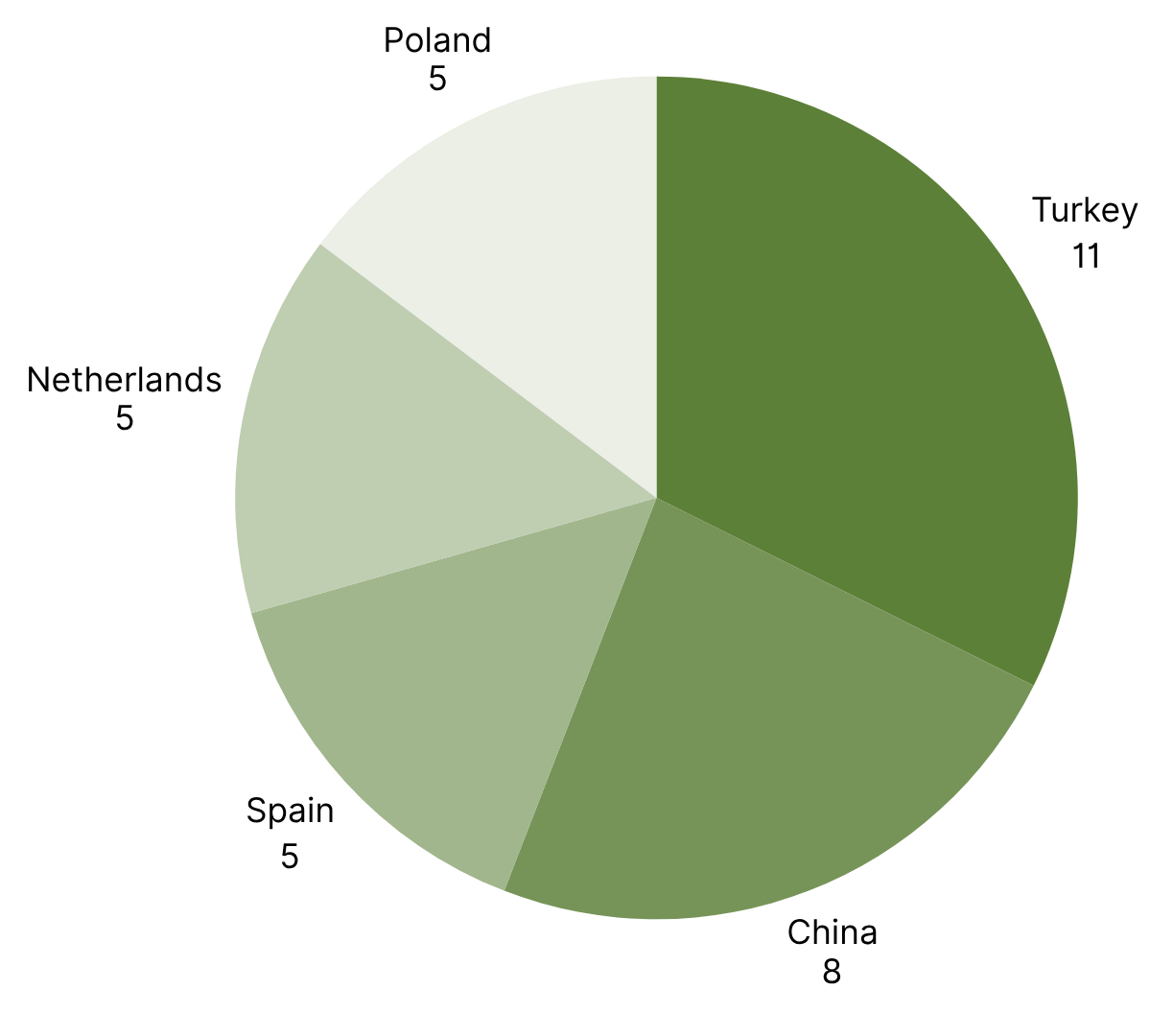
Graph 2: Top 5 Countries with the Most RASFF Alerts (Week 42)
Turkey
With 11 total recalls and 8 fresh produce notifications, Turkey dominated the alert landscape. The country's dried fig industry faced particular scrutiny, with four separate ochratoxin A detections during the single week. Studies confirm that 71.43% to 100% of Turkish dried fig samples exceed EU limits for ochratoxin A (8 μg/kg), with some cases reaching alarming levels of 390 ppb, nearly 50 times the legal threshold.
The persistence of this issue stems from climatic conditions favoring Aspergillus mold growth during fig drying processes, combined with inadequate post-harvest handling. Turkish authorities maintain a 10 μg/kg maximum limit for dried fruits (higher than the EU's 8 μg/kg standard), creating a regulatory misalignment that consistently results in border rejections. Fresh produce from Turkey also faced pesticide residue challenges, with fosthiazate in tomatoes and spirotetramat in peppers reflecting gaps in good agricultural practices (GAP) compliance.
Asia
Asian origins generated 23 recalls across varied product categories. China (8 recalls) faced issues primarily with food contact materials and undeclared additives like sulfur dioxide in dried mushrooms. India contributed 4 notifications, with pyrrolizidine alkaloid contamination in ajwain and cumin, plus ochratoxin A and unauthorized tricyclazole in basmati rice, a growing concern as rice imports from India and Pakistan accounted for 89% of grain-related alerts in 2025.
Pakistan recorded 3 recalls, including MOAH/MOSH contamination in basmati rice and multiple unauthorized pesticides in dried morel mushrooms. Thailand's sweet basil contained unauthorized diflubenzuron and imidacloprid, while Indonesia, Sri Lanka, and Vietnam each contributed notifications for various mycotoxin and pesticide violations.
Middle East and North Africa
The Middle East and North African region generated 16 recalls, heavily concentrated in fresh produce. Egypt appeared in 3 notifications for unauthorized pesticides in sugar apples and mangoes, including banned chlorpyrifos and methoxychlor. Syria faced pyrrolizidine alkaloid issues in cumin.
Europe
Despite stringent regulations, European origins generated 36 recalls, demonstrating that proximity to Brussels offers no immunity from violations. Spain recorded 5 notifications across dried figs, mangoes, and spices, notable given its status as a major EU producer. Belgium and France each contributed 6 recalls, with Belgian Savoy cabbage exceeding flonicamid MRLs and French oregano containing pyrrolizidine alkaloids from weed contamination.
Netherlands (5 recalls) and Poland (5 recalls) faced primarily Salmonella contamination in poultry products, while Italy dealt with allergen labeling failures. The presence of North Macedonia in pepper-related alerts (nickel contamination and organoleptic failures) highlights challenges facing EU candidate countries in meeting food safety standards.
Americas
The Americas region generated 11 recalls, with the United States contributing 7 notifications primarily in nuts and dietary supplements. Honduras appeared once for unauthorized oxamyl in okra, Peru for phenthoate in limes, and Bolivia twice in nut products. The relatively lower recall rate from Western Hemisphere origins partly reflects smaller export volumes to Europe compared to Asian and Middle Eastern suppliers.
What this week's data reveals
The persistent mycotoxin challenge in dried fruits
This week’s data confirms that mycotoxin contamination in dried fruits, particularly Turkish figs, represents a systemic rather than isolated problem. Research published in 2024 found that 71.43% to 100% of Turkish dried fruit samples exceeded EU ochratoxin A limits, with cancer risk assessments indicating a Margin of Exposure (MOE) below the safe threshold of 10,000. The four separate Turkish fig notifications in a single week demonstrate that current prevention measures remain inadequate.
For wholesale buyers, this pattern necessitates enhanced due diligence protocols. Demanding pre-shipment testing certificates, diversifying supplier portfolios to reduce concentration risk, and sourcing dried figs from alternative origins with better compliance records. Farmers in competing regions should recognize this as a market opportunity to capture demand from buyers seeking lower-risk suppliers.
Pyrrolizidine alkaloids
The detection of pyrrolizidine alkaloids (PAs) in four herb notifications (oregano from Türkiye and France, ajwain from India, and cumin from Syria) highlights a contamination pathway that many market participants overlook. PAs are toxic compounds produced by certain weeds as defense mechanisms against herbivores. When these weeds co-mingle with herb crops during mechanical harvesting, their toxic alkaloids contaminate the final product.
EFSA's 2017 assessment concluded that PA exposure, particularly for frequent consumers of herbal teas and culinary herbs, poses a "possible concern for human health" due to their carcinogenic and genotoxic properties. Studies have found PA concentrations up to 24.6 mg/kg in contaminated oregano samples, with Turkish oregano and cumin consistently showing elevated levels.
For herb producers, this demands rigorous field management to eliminate PA-producing weeds like Echium species, Senecio, and Heliotropium before harvest. Post-harvest sorting and advanced analytical screening become essential quality control steps. Buyers should implement supplier audits focusing on weed management practices and require PA testing as a standard specification.
Sources
Pyrrolizidine alkaloids in tea, herbal infusions and food supplements
Pesticides residues in food: what’s the situation in the EU?
FAO: PROPOSAL FOR DISCUSSION PAPER ON OCHRATOXIN A IN DRIED FRUITS AS WELL AS A PROJECT DOCUMENT
Residues of EU-banned pesticides in EU food: What the law really says about double standards
What requirements must fresh fruit and vegetables meet to be allowed on the European market?