



Your weekly food recall & compliance tracker w38/2025
Week 38 marked an active period for European food safety authorities, with 77 RASFF notifications issued across the EU. Fresh produce dominated the alerts, accounting for nearly 25% of all recalls, with Turkey emerging as the primary source of concern. The week saw a troubling concentration of pesticide violations, particularly in Mediterranean produce, while mycotoxin contamination in dried fruits continues to pose significant risks to import chains.
Highlights at a Glance
Key Statistics:
- 77 total food safety alerts across all categories
- 25 fresh produce recalls (19 fruits/vegetables + 6 cereals/herbs)
- Turkey led violations with 10 total recalls, 8 affecting fresh produce
- Pesticide residues represented the most frequent contamination type
Top product categories affected by food recalls
The distribution of recalls across food categories reveals concerning patterns in Europe's food safety landscape:

Graph 1: Top 5 Product Categories with the Most RASFF Alerts (Week 38)
The dominance of fresh produce recalls reflects intensified scrutiny on agricultural imports, particularly from Mediterranean and Middle Eastern suppliers. This trend aligns with the EU's strengthened monitoring protocols following recurring violations in 2024 and early 2025.
Fresh Produce Focus
Pesticide violations as a primary food hazard
The most striking aspect of Week 38 was the prevalence of unauthorized pesticide residues in fresh produce. Spirotetramat, an acaricide not approved for use in the EU, appeared in multiple Turkish pepper shipments, while acetamiprid violations affected tomatoes and cucumbers from various origins.
Critical Pesticide Findings:
- Spirotetramat: Found in 3 separate Turkish pepper consignments
- Acetamiprid: Detected in Turkish tomatoes and Dutch cucumbers
- Flonicamid: Present in Polish tomatoes and French melons
- Formetanate: Identified in Turkish vegetables (2 incidents)
These violations come at a particularly sensitive time, as the EU implemented stricter Maximum Residue Limits (MRLs) for acetamiprid in August 2025, reducing acceptable levels in key crops by up to 80%.
Mycotoxin contamination persists
Ochratoxin A contamination in dried fruits remains a persistent challenge, with three separate incidents affecting Turkish figs and Pakistani raisins. This mycotoxin, classified as "possibly carcinogenic to humans" by IARC, has been an ongoing concern in Mediterranean dried fruit exports.
Fruit and Vegetable Recalls in Europe
Complete recall product list in Europe
- Mushroom (China): Bacillus cereus
- Cucumber (Netherlands): acetamiprid
- Tomato (Poland): flonicamid
- Melon (France): flonicamid
- Guava (Egypt): carbendazim
- Raisin (Pakistan): ochratoxin A
- Lemon (Iran): acephate
- Lettuce (France): Listeria monocytogenes
- Fig (Türkiye): ochratoxin A
- Pepper (Turkey): spirotetramat (3 separate incidents)
- Tomato (Turkey): acetamiprid
- Tomato (Turkey): formetanate
- Pepper (Turkey): formetanate
- Pepper (Turkey): fosthiazate
- Tomato (Spain): abamectin
- Mango (Egypt): acetamiprid
Herbs, Spices, and Cereals
- Turmeric powder (India): chlorpyrifos
- Spice mix (China): irradiation
- Cereal (Pakistan): Aflatoxin B1
- Cereal (Canada): tartrazine
- Cereal product (Ukraine): chlorpyrifos
- Bread (France): gluten
Geographic Risk Patterns
Turkey dominates violations
Turkey continues to lead European food safety violations, accounting for 13% of all alerts in Week 38. This trend continues from 2024, when Turkish products received 488 RASFF notifications, the highest of any exporting country.
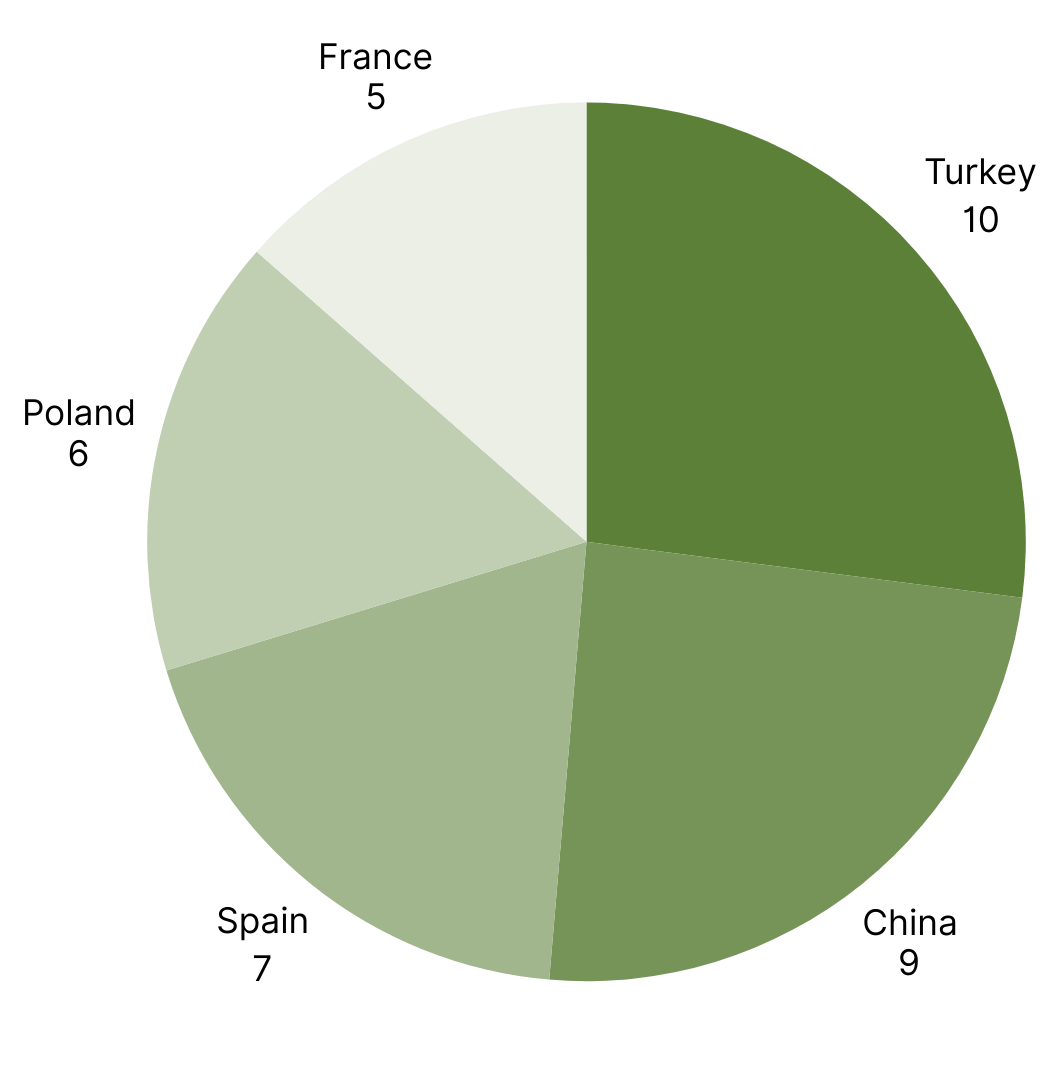
Graph 2: Top 5 Countries with the Most RASFF Alerts (Week 38)
Concerns in the Mediterranean
The concentration of violations in Turkey, particularly affecting peppers and tomatoes, reflects broader challenges in the Mediterranean agricultural corridor. Recent studies by Greenpeace Turkey found that 33% of produce samples in Istanbul markets violated pesticide regulations, with some items containing residues from up to 21 different chemicals.
Eastern European and asian patterns
Pakistan and China showed recurring mycotoxin issues, particularly ochratoxin A in dried fruits and Bacillus cereus in processed vegetables. Iran's lemon exports faced multiple unauthorized pesticide detections, including acephate and other substances not approved for EU markets.
Insights from our team of experts
The spirotetramat surge
The appearance of spirotetramat in multiple Turkish pepper shipments represents a significant regulatory failure. This acaricide, while effective against spider mites, has been under EU restriction since 2020 due to environmental and human health concerns. The repeated violations suggest either inadequate farmer education or insufficient monitoring by Turkish authorities.
Mycotoxin seasonality
The ochratoxin A detections in Turkish figs and Pakistani raisins align with typical seasonal patterns. These mycotoxins develop during the drying process, particularly when moisture levels and temperatures aren't properly controlled.
Supply Chain Implications
For wholesale buyers and importers, Week 38's patterns highlight the need for enhanced supplier verification, particularly for Mediterranean produce during peak harvest seasons. The concentration of violations in specific geographic regions and product categories suggests targeted risk assessment approaches could be more effective than blanket screening. Smart buyers are already shifting their sourcing patterns. We're seeing increased premiums for suppliers with certified traceability systems and third-party residue testing. The cost of compliance failures far exceeds the investment in prevention.