



October 2025 saw a surge in food safety alerts across Europe, with hundreds of products recalled or flagged for various hazards. The EU's Rapid Alert System for Food and Feed (RASFF) registered 531 notifications for the month, averaging about 17 alerts per day. This monthly report breaks down the key trends from October's recalls, focusing on fresh produce issues, major product categories, and geographic risk patterns. It also includes expert commentary on what these patterns mean for farmers and wholesale buyers navigating food safety compliance in an increasingly vigilant market.
Highlights at a glance
- Total recalls: A total of 531 safety notifications were issued in October 2025 (including 483 food alerts, 31 feed alerts, and 17 incidents involving food-contact materials). This reflects an active monitoring period, with recalls ranging from fruits and meats to animal feed and packaging materials.
- Fresh produce leads recalls: Fruits and vegetables were the most affected category with 94 alerts (about 17.7% of all cases), underscoring ongoing challenges in managing contaminants on farm produce. Herbs, spices, nuts, and cereals together also contributed a significant share of alerts, indicating heightened scrutiny of plant-based products.
- Top Risk Countries: China and Türkiye (Turkey) emerged as the highest-risk origin countries, associated with 38 and 35 alerts, respectively, in October. They were closely followed by Poland (32) and the Netherlands (29) as notable sources of recalls. These trends highlight persistent compliance issues in key exporting nations as well as within certain EU member states.
- Pesticide residues dominate hazards: Chemical residues were a leading cause of recalls. Nearly a quarter of all alerts involved unauthorised pesticide substances, with the banned insecticide chlorpyrifos appearing in 22 separate notifications despite its EU ban since 2020. This indicates ongoing gaps in supplier compliance and enforcement, as traces of banned pesticides continue to be found in imported foods.
- Mycotoxins and other contaminants: Mycotoxin contamination triggered dozens of alerts, particularly aflatoxins and ochratoxin A in dried fruits and nuts. For example, multiple shipments of Turkish dried figs exceeded EU toxin limits, reflecting a recurring mould problem. Meanwhile, Salmonella was the most common microbiological hazard, implicated in over 60 recalls (mostly in poultry and meat products), and heavy metals and undeclared allergens accounted for a smaller but notable portion of the alerts.
Top product categories affected
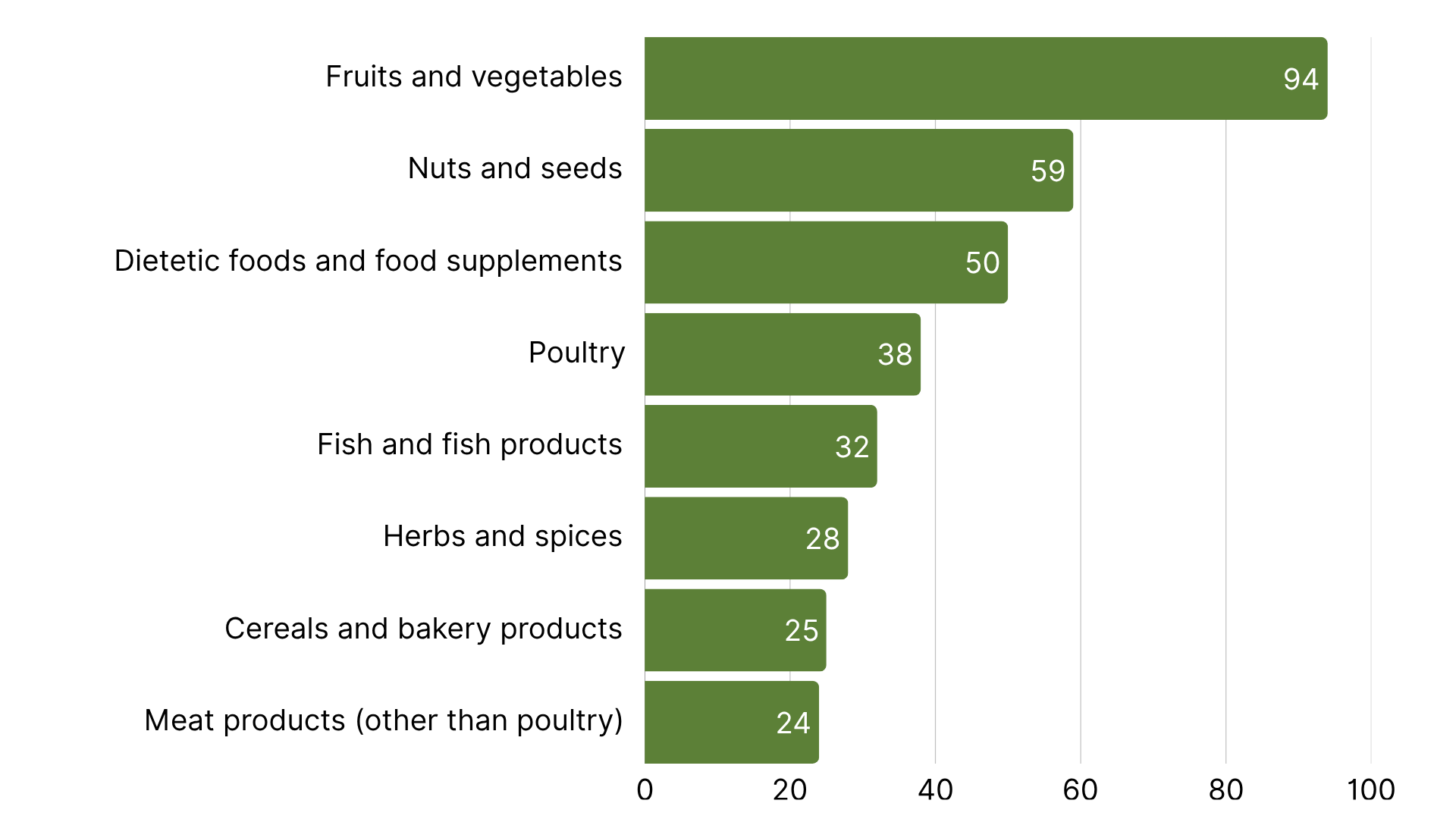
Graph 1: Top product categories in food recalls in the EU in October
Fruits and vegetables topped the list with 94 alerts, accounting for nearly one in five recalls during the month. This dominance highlights the high exposure of fresh produce to chemical and biological hazards, including pesticide residues and moulds.
Nuts and nut products (59 alerts) and dietetic foods & supplements (50 alerts) followed, driven by recurring issues with aflatoxins in nuts and unauthorised ingredients or contaminants in supplements. Poultry meat (38 alerts) and fish and fish products (32 alerts) were the leading animal-based categories, primarily due to contamination with Salmonella and mercury, respectively.
Plant-based goods overall represented the majority of notifications. Beyond fresh produce and nuts, herbs and spices (28) and cereals and bakery items (25) were frequent offenders. Notably, herbs and spices triggered numerous recalls relative to their trade volume, often due to the presence of pyrrolizidine alkaloids or banned fumigants.
Among animal products, poultry stood out for its recurring bacterial contamination, while the fish sector continued to face heavy-metal concerns, particularly excessive mercury in predatory species like swordfish. There were also 17 alerts linked to food contact materials, such as packaging or kitchenware, that leach harmful chemicals, serving as an important reminder that safety oversight extends beyond the food itself.
In summary, October's recalls spanned the entire food chain, but plant-derived commodities, especially fresh produce, bore the greatest burden of safety violations.
Fresh produce focus
Fresh produce faced intense scrutiny in October, revealing persistent weaknesses in global supply chains. Chemical hazards dominated, with pesticide residues accounting for nearly a quarter of all recalls. Substances banned in the EU, such as chlorpyrifos and buprofezin, were detected in imported citrus and grapes from China and South Africa. This reflects the enduring “double standard” challenge: exporters often rely on agrochemicals no longer permitted in Europe, placing extra pressure on EU import checks.
Mycotoxins were another major concern, especially in dried fruits. Turkish dried figs once again topped the list for ochratoxin A and aflatoxin contamination, with some samples exceeding EU limits by large margins. Enhanced border controls remain in place for these products, yet results show the issue persists.
Vegetables and herbs presented a mix of chemical and microbiological risks. Examples included Listeria in ready-to-eat lettuce in France, pyrrolizidine alkaloids in oregano and dill shipments, and pesticide residues in peppers from Turkey, Vietnam, and Peru. A few exceptional cases highlighted the diversity of hazards: Salmonella in frozen cassava leaves from Vietnam and radioactivity in wild mushrooms from Russia.
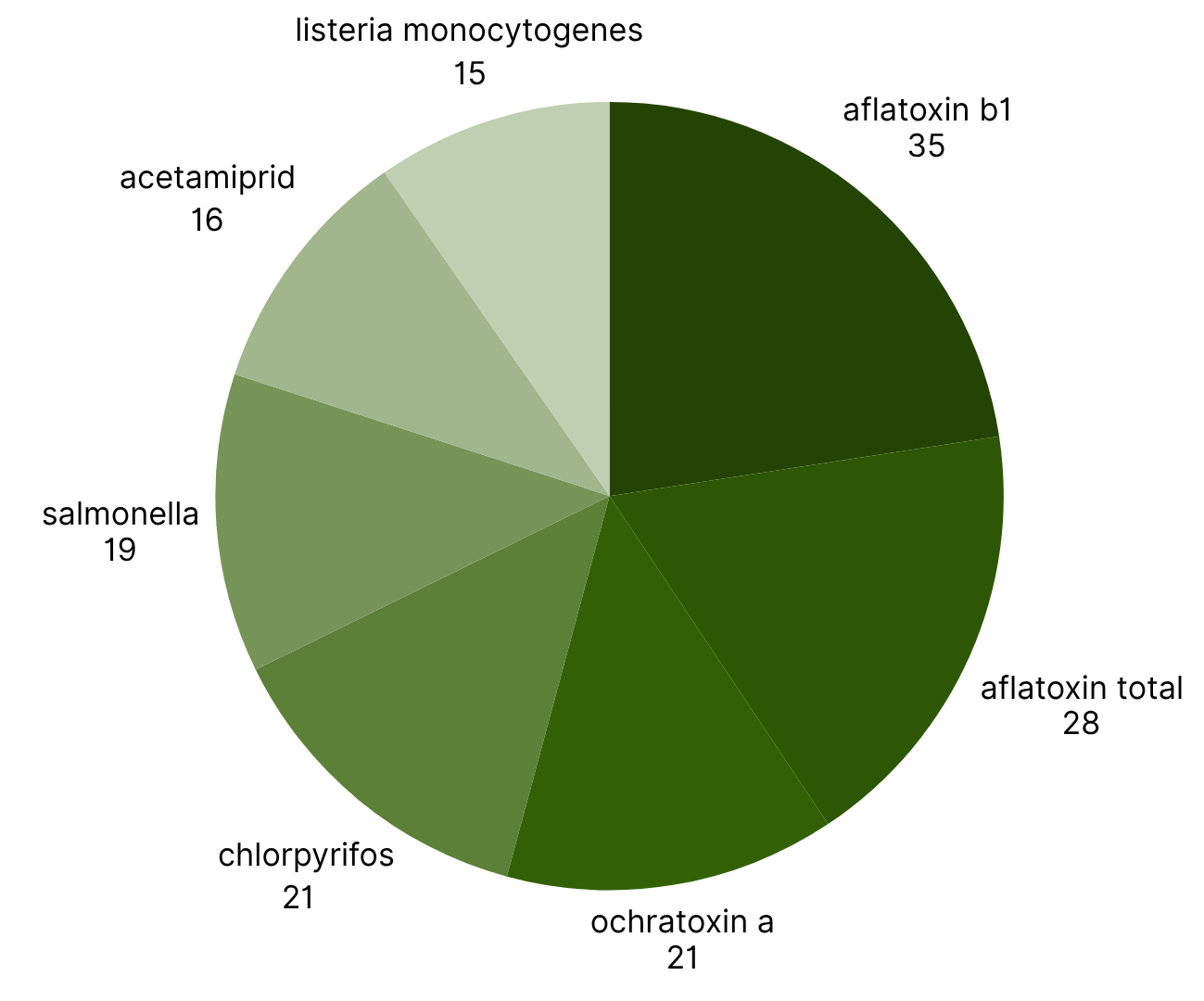
Graph 2: Top hazards related with food recalls in the EU in October
Overall, fresh produce recalls were primarily linked to chemical safety issues, including pesticides and natural toxins, with sporadic occurrences of bacterial or physical contaminants. For farmers and exporters, this emphasises the need to align pest management and post-harvest handling with EU safety rules. For buyers, it reinforces the importance of sourcing from suppliers with verifiable compliance, obtaining lab test results, and diversifying sourcing regions to minimise risk concentration.
Geographic risk patterns
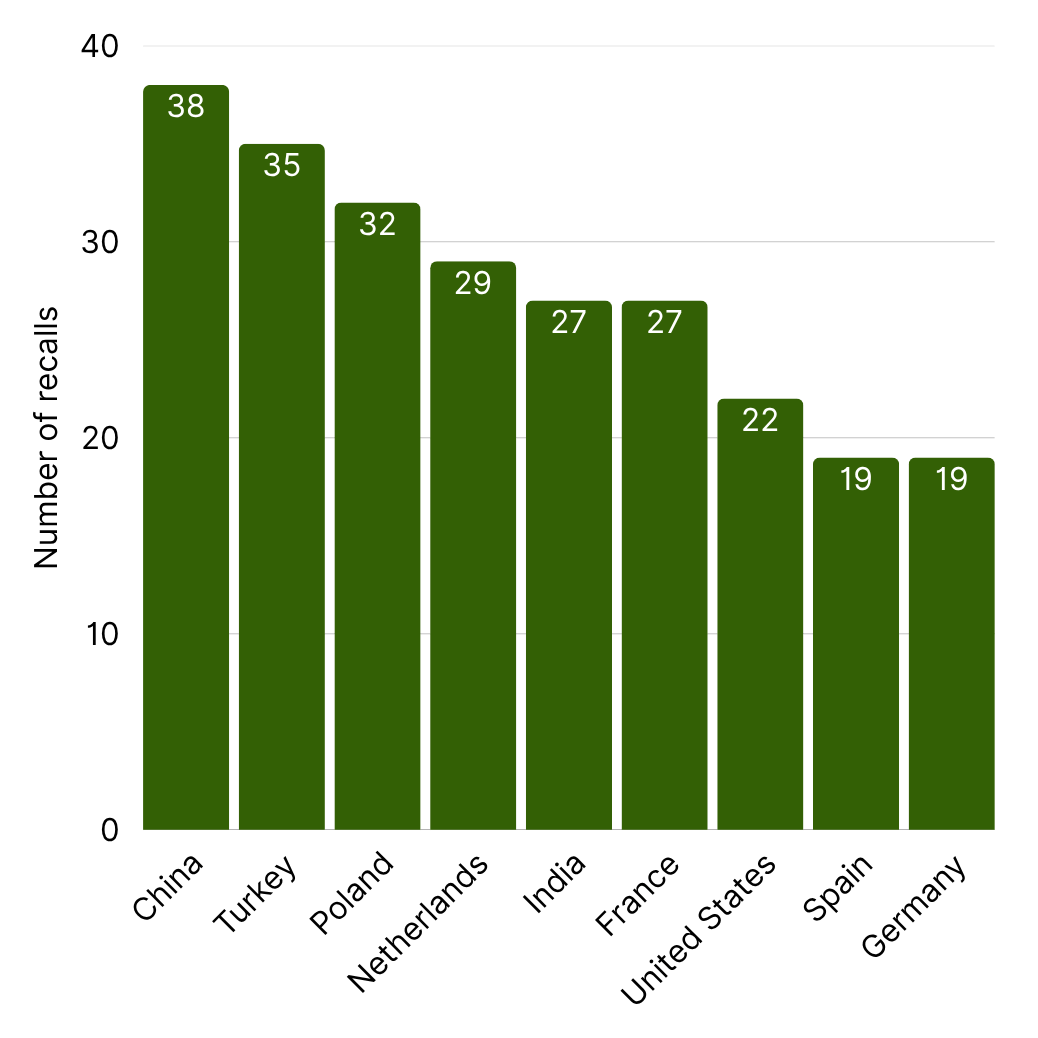
Graph 3: Top countries responsible for food recalls in the EU in October
China's alerts ranged from chemical residues and undeclared additives to unsafe food contact materials, including plastic utensils with excess aromatic amines. India's alerts focused on spices and rice, mostly for pesticide residues, ethylene oxide fumigation, and mycotoxins.
Turkey again featured prominently due to dried figs contaminated with mycotoxins and produce with banned or excessive pesticide residues (e.g., peppers with spirotetramat). Despite regulatory bans, enforcement gaps persist, keeping Turkey among the most frequently flagged origins for pesticide non-compliance.
Within Europe, Poland and the Netherlands also recorded high alert counts. Poland's recalls were dominated by Salmonella in poultry, while the Netherlands had a mix of meat, dairy, and re-exported products flagged upon entry to other member states. France and Spain followed closely, reflecting issues such as Listeria in cheeses, undeclared allergens, and pesticide exceedances in local produce.
Elsewhere, Egypt and Syria faced alerts for multi-pesticide contamination in fruits, while Kenya and South Africa appeared in isolated cases involving fungicide residues and insecticides. The United States (22 alerts) recorded mostly aflatoxins in nuts and illegal ingredients in supplements, with fewer issues linked to fresh produce.
Overall, roughly 60% of October’s recalls involved non-EU imports, showing that external suppliers remain a major source of risk. However, the remaining 40% originated within the EU, proving that strict regulations do not eliminate food safety lapses. For both producers and buyers, the lesson is clear: risk is global, and vigilance is essential across all supply chains.
What the recall data tells us this month
1. Mycotoxins in dried produce remain a serious threat
Turkish dried figs and other dried fruits continue to test over EU limits for aflatoxins and ochratoxin A, due to poor drying and mould control. EU border checks remain strict. Buyers should demand lab tests and consider diversifying suppliers.
2. Banned pesticides are still reaching EU markets
Despite an EU ban, chlorpyrifos was found in multiple products this October, from grapes to peanuts. This reflects enforcement gaps in some exporting countries. Importers must audit their supply chains and insist on residue testing before shipment.
3. Ethylene oxide in spices is still a problem
ETO, banned in Europe for its toxicity, was again found in spice mixes from India and Vietnam. This shows that some producers still use outdated sterilisation methods. Buyers should ask for proof of ETO-free treatment—steam sterilisation is the safer alternative.
4. New contaminants are emerging
Unusual findings like paracetamol in gherkins and lead in ginger powder highlight rising risks from environmental pollution. These aren't isolated cases; they signal the need for broader contaminant screening and soil/water monitoring at the source.
Closing remark
As food safety expectations evolve, those who stay ahead of the curve, through better sourcing, documentation, and transparency, will not only avoid recalls but also gain a competitive edge.