Asked how this year compared with the last, 45.1% of the farmers who answered the Wikifarmer Global Farmer Survey said their income was worse, and 24.1% said it was much worse. The survey's income model compares farmers with similar farm size, age, region, prices and weather exposure, and it shows which characteristics go with a bad year once the others are taken into account. Price perception carries the largest effect, selling directly online and at farmers' markets is linked to lower odds of a decline, and certification is linked to higher odds.
European farmers report the steepest income decline
In Europe 55.7% of respondents said their income was worse than last year, against 27.1% in Oceania, the lowest of any region. The European figure holds when farms are compared like for like, with European respondents having 42% higher odds of reporting a decline than African respondents with similar farm size, age, prices, sales channels and weather exposure. Poland stands out among countries, with eight in ten respondents reporting a worse year and more than half a much worse one, followed by Afghanistan, where about two in three reported a decline.
Farmers who see their prices as unfair are the most likely to report a worse year
Respondents who call their prices unfair have about 2.5 times the odds of a worse year compared with those who are not sure, the largest single effect in the model. Those who call their prices fair do not differ significantly from the not-sure group, so the effect sits with the half of respondents who feel unfairly paid.
Selling directly online is linked to 35% lower odds of an income decline
Respondents who sell directly to buyers online have 35% lower odds of reporting a worse year than those who do not, the strongest of the sales channels in the model. Selling at farmers' markets is linked to 20% lower odds, while selling through a cooperative shows no significant link either way.
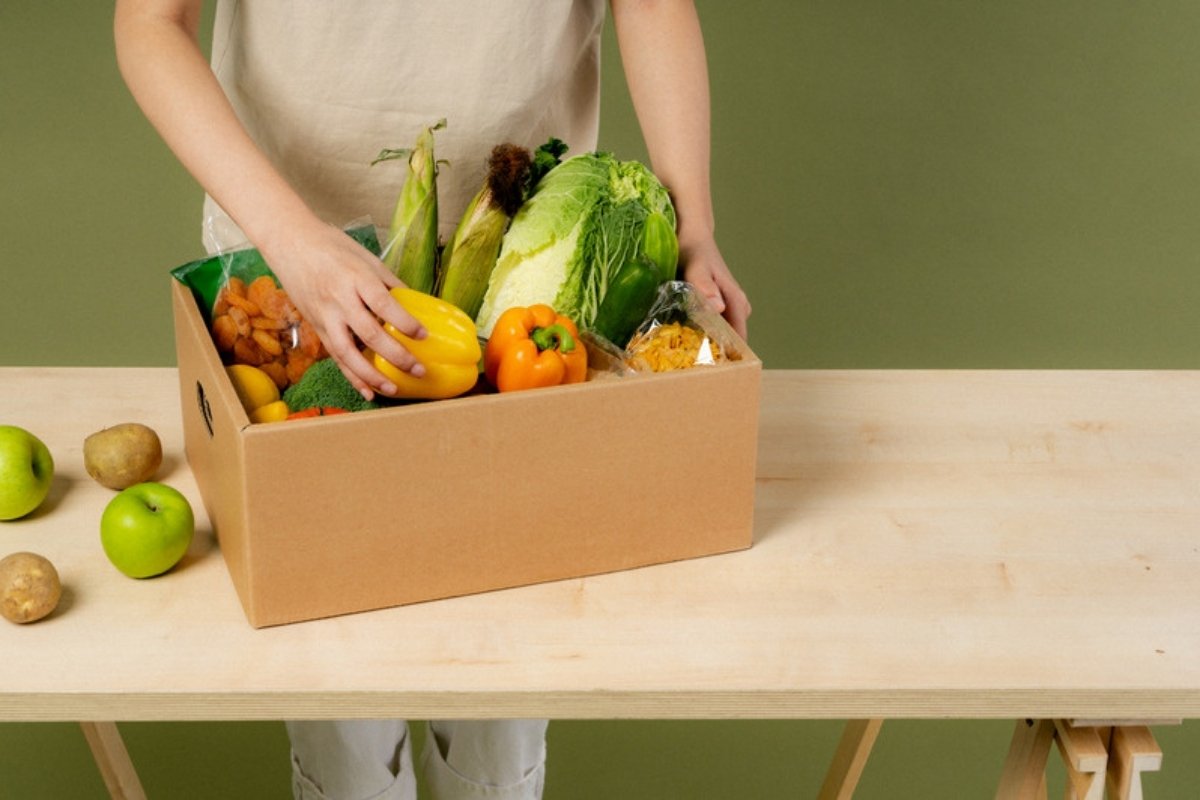
Respondents who sell directly to buyers online were less likely to report a worse year.
Direct online selling is most common among greenhouse, olive and vineyard producers, close to one in five of whom use it, and least common in arable and dairy farming, where fewer than one in ten do. The survey itself was run online and promoted through digital channels, so online sellers are probably better represented among respondents than among farmers in general.
Certified farmers report a decline more often despite fairer prices
Certified respondents are twice as likely as uncertified ones to call their prices fair, yet once region, farm size, age, sales channels, prices and weather exposure are held constant, they have 18% higher odds of reporting a worse year. The survey does not measure what lies behind this, so the result describes the certified farmers who answered and says nothing about whether certification itself costs them income.
Each additional weather hazard raises the odds of a worse year by 9%
Respondents listed the weather hazards that affected their farm, such as drought, heatwaves, floods, storms and frost, and each additional hazard is linked to 9% higher odds of reporting a worse year. Farm size and age work in the other direction, with each step up in farm size band linked to 7% lower odds and each step up in age band to 5% lower odds.
Vineyard and arable farmers report a decline most often
Vineyard growers, at 54.5%, and growers of arable crops such as cereals and pulses, at 51.5%, have the highest shares of respondents reporting a worse year, while sheep and goat farmers have the lowest, at 37.4%. Dairy farmers, who report unfair prices more often than any other sector, sit below the overall share for income decline.
How the survey was run
Farmers chose to answer the survey Wikifarmer launched in November 2025, reaching it through Wikifarmer, partner organisations and online advertising, so the figures describe the farmers who took part rather than all farmers. The odds come from a model that compares each factor with the others held constant, which describes associations at one point in time and cannot show cause and effect. Tables by country, region and sector, along with the full income model, are in the survey's data explorer.
Frequently asked questions
How many farmers in the survey reported lower income?
45.1% of the farmers who answered said their income was worse than last year, and 24.1% said it was much worse.
Which region reported the biggest income decline?
Europe, where 55.7% of respondents reported a worse year, with Poland the highest among countries at eight in ten.
Does selling online help farm income?
Respondents who sell directly online have 35% lower odds of reporting an income decline, although online sellers are likely overrepresented in an online survey.
Does certification protect farm income?
Not in this survey. Certified respondents had 18% higher odds of reporting a worse year once other factors were taken into account, even though they were more likely to call their prices fair.
Sources
- Wikifarmer. (2026). Voice of the Farmer 2026. Wikifarmer Global Farmer Survey 2025 to 2026.
- Wikifarmer. (2026). Wikifarmer Global Farmer Survey 2026, data explorer.