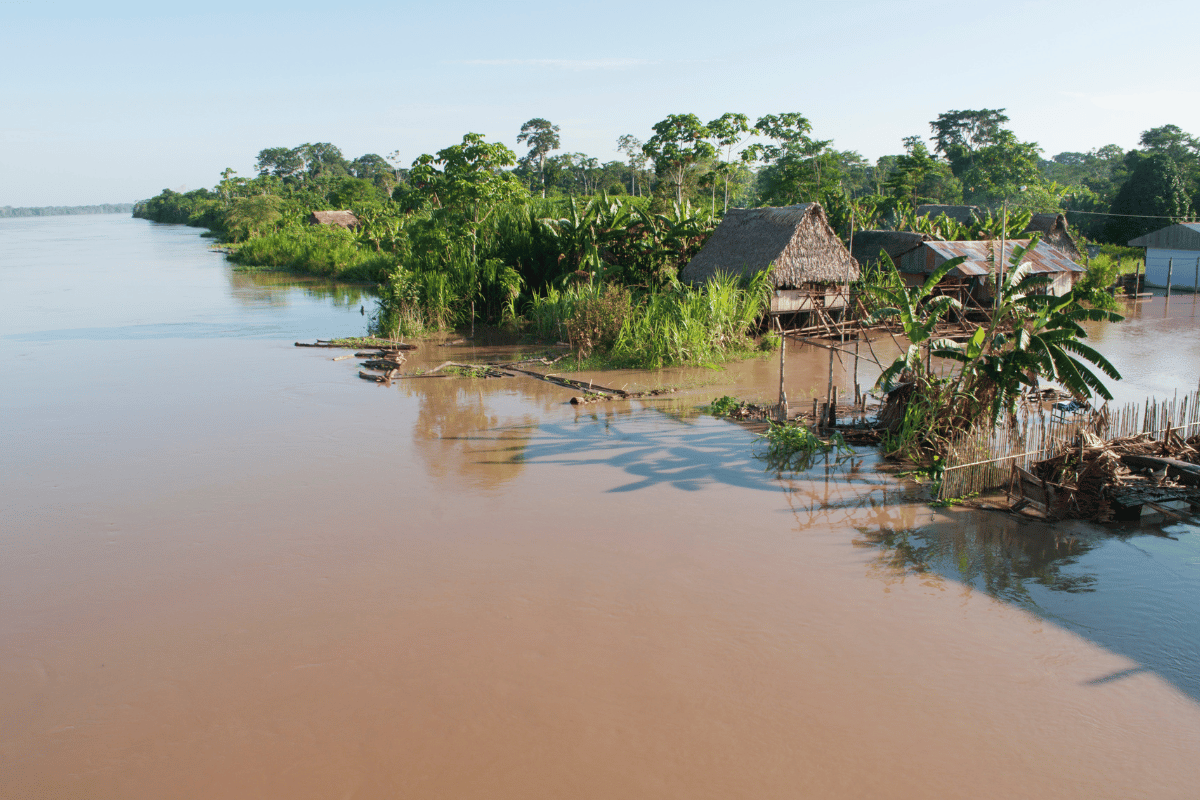
Peru's coastal farmland is facing a familiar but unwelcome visitor. On 13 February 2026, the multi-agency El Niño study commission (ENFEN) issued its Official Communiqué No. 03-2026, activating an "El Niño Costero Alert" and projecting that the event will begin in March, persist until November, and remain mostly weak, with a possibility of reaching moderate intensity around July. Separately, Peru's national weather service (Senamhi) reported that the coastal ocean has been warming steadily since February and considers the initial phase of the event already evident. El Niño Costero is operationally defined by sea surface temperature anomalies exceeding +0.5 °C for three consecutive months, but Senamhi chose to issue warnings ahead of that formal confirmation period.
The stakes for Peru's agricultural sector are high. The country's most valuable export crops grow in the very coastal valleys that El Niño Costero hits hardest.
How El Niño Costero differs from a standard El Niño
The "Costero" label matters. While the global El Niño phenomenon involves warming across the central Pacific (Niño 3.4 region), El Niño Costero is a localized event defined by warming close to Peru's shoreline (Niño 1+2 region). This means a country can experience severe coastal flooding and crop damage even when the rest of the Pacific basin remains in neutral conditions, exactly the scenario ENFEN projects for early 2026.
The mechanism is straightforward. Warmer seas increase evaporation and weaken the cold southerly winds that normally keep Peru's coast dry. Humid, unstable air masses then produce rainfall in areas that receive almost none in a typical year. Grinia Ávalos, director of meteorology at Peru's national weather service (Senamhi), described it as a "tropicalization" of the coast, turning an arid strip into something closer to a tropical wet zone for several months.
What the forecasts say for March through November
ENFEN's outlook for February through April 2026 calls for rainfall ranging from normal to above normal along the northern coast, with episodes of moderate to heavy intensity expected in March and April. River flows on the Pacific slope are projected to run above normal, and sudden flood events cannot be ruled out.
According to Ávalos, sea surface temperatures off Tumbes, Piura, and Lambayeque have already reached 28 to 29 °C. She reported that Tumbes recorded 100 mm of rainfall, while some northern stations logged 160 mm in just three hours, exceeding the entire monthly average. After a possible brief pause around late February, Senamhi expects another strong pulse of precipitation from early March onward.
Conditions are forecast to remain warm-to-weak through most of the year, with a potential upgrade to moderate intensity around July. Even after the rainy season ends, meteorologists expect a warmer-than-usual autumn and winter on the coast, extending the period of elevated agricultural risk.
Crops in the firing line
Peru's export agriculture depends on crops that respond sharply to climate stress. Blueberries, mangoes, table grapes, and avocados grow along the northern and central coast, precisely where El Niño Costero delivers its heaviest rainfall and highest temperatures. Agricultural analysts and former government officials have warned that if sea temperatures continue climbing beyond weak levels, the impacts on both farming and fisheries could be severe.
The risks break down into three overlapping categories, each well documented from previous El Niño Costero episodes.
Disrupted biological cycles. Export crops such as blueberries and mangoes rely on predictable temperature cues for flowering, fruit set, and maturation. Sustained warmth above normal ranges can delay or compress these stages, reducing both yield and fruit quality. Avocado trees, known among growers for their poor tolerance of waterlogged soils, face additional root stress when fields remain saturated for days at a time.
Explosive disease pressure. The combination of high humidity, warm nights, and standing water creates ideal conditions for fungal pathogens. Botrytis (grey mold) in grapes and berries, and downy mildew in grapevines, can move from low-level presence to full-blown outbreaks within days under these conditions. Preventive fungicide applications need to go on before symptoms appear, not after.
Physical damage to infrastructure. Roads, irrigation canals, and packing sheds sit in valleys that double as floodways during heavy rainfall. By late February 2026, Peru's transport ministry reported 931 km (580 miles) of damaged roads nationwide, and the government declared a state of emergency across more than 700 districts. For farmers, a washed-out road can mean the difference between fruit reaching the port and rotting in a warehouse.
What farmers can do right now
Growers who experienced the 2017 and 2023 El Niño Costero events know that preparation windows close fast. Several practical steps can reduce losses.
Drainage systems need to be cleared and tested before the heavy rains arrive. Fields in flood-prone areas benefit from raised beds or berms that keep root zones above standing water. Where possible, diverting irrigation channel overflow before it reaches the crop is cheaper than replanting.
A preventive crop-protection programme is essential. Growers should shift from scheduled integrated pest management scouting to daily monitoring during high-humidity periods, applying fungicides ahead of predicted rain events rather than waiting for infection to establish. In grapes and berries, canopy management to improve air circulation helps reduce leaf wetness duration.
Weather and soil monitoring tools, even basic rain gauges paired with Senamhi's free forecast bulletins, allow growers to time field operations around the worst conditions. Those with access to soil moisture sensors can avoid over-irrigating during rainy spells and prevent the root-zone saturation that weakens plants and invites disease.
For the longer view, cover cropping on fallow land and maintaining vegetated buffer strips along waterways helps slow runoff and protect topsoil during the heaviest rainfall.
Looking ahead
El Niño Costero 2026 is not a surprise. Peru's monitoring network flagged the warming signal early, and the timeline through November gives growers months to prepare. Those who invest in drainage, disease prevention, and real-time monitoring now will protect far more of their harvest than those who wait for the first flooded field.
References
- ENFEN. (2026). Comunicado Oficial ENFEN N° 03-2026. Comisión Multisectorial ENFEN.
- Associated Press. (2026). Peru declares a state of emergency for hundreds of districts after severe rains and flooding. AP News.
- Senamhi. (2026). Pronóstico climático febrero-abril 2026. Servicio Nacional de Meteorología e Hidrología del Perú.