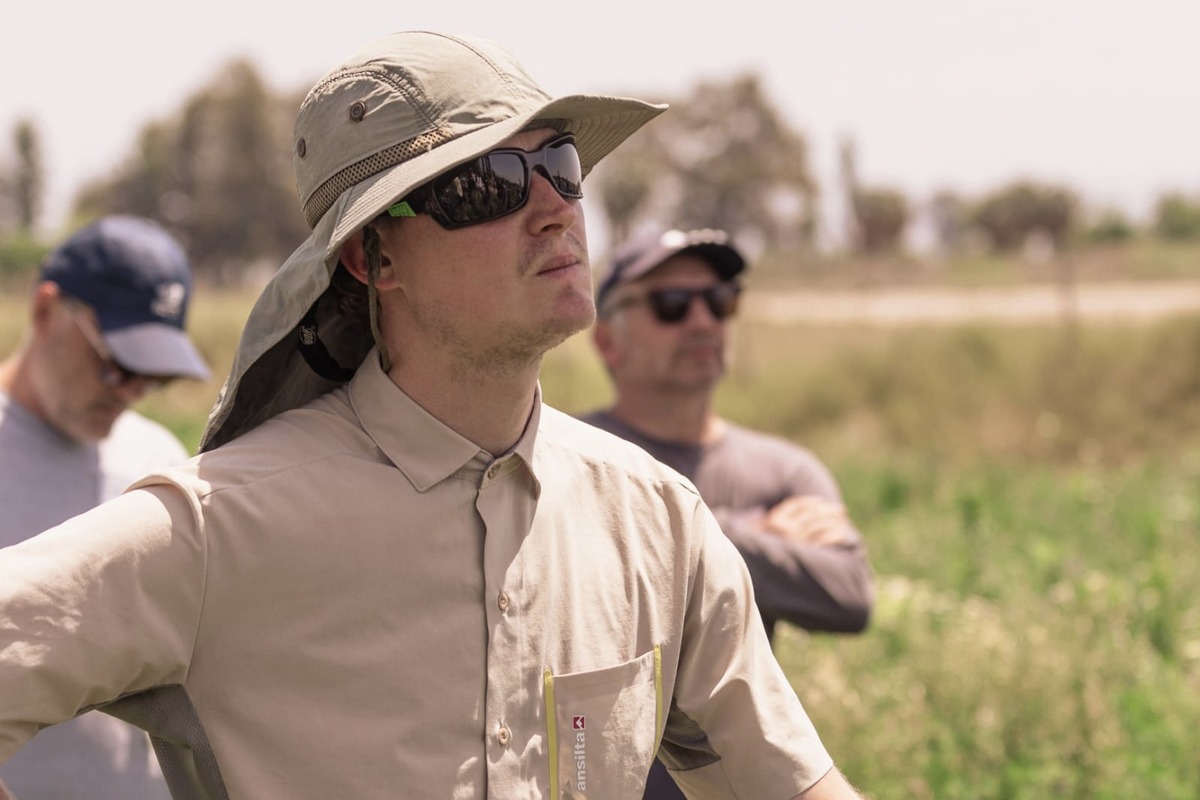
Bruno Vasquetto's journey from debt to becoming a Latin American pioneer in regenerative livestock farming proves that sustainability and profitability can go hand in hand
In the semi-arid plains of La Pampa, Argentina, what began as a financial crisis has become one of Latin America's most inspiring regenerative agriculture success stories. Bruno Vasquetto, co-director of El Mate, transformed his family's industrial farm—from degraded cropland on the brink of collapse—into a thriving, debt-free regenerative livestock operation that now educates other farmers globally.
From industrial monoculture to financial crisis
For decades, El Mate followed Argentina's dominant agricultural model of soy and corn monoculture. However, by the late 2000s, both the land and the family's finances reached a breaking point. They were trapped in what Vasquetto describes as a "cycle of stress and debt."
"We had two consecutive years of bad yields, which coincided with low international cereal prices. We ended up heavily, heavily in debt, to the point that the company almost went bust," recalls Vasquetto.
The environmental situation was just as dire. Water erosion had stripped away fertile topsoil, and organic matter levels had dropped to barely 2%, drastically reducing productivity.
"When it rained, the runoff caused a lot of problems. It would start dragging away huge amounts of soil," Vasquetto says.
This story mirrors a broader pattern in Argentina. Traditionally, most farms combined livestock grazing and crop rotation, naturally maintaining healthy soil. By the late 20th century, however, the Green Revolution, government incentives, and global demand drove a process Vasquetto calls "soya-fication"—the shift from mixed farms to industrial-scale soy and corn monoculture. While initially profitable, this model depleted nutrients, increased erosion, and left farms both ecologically and economically vulnerable.
The combined crises of debt and soil collapse forced the family to completely rethink their way of farming.
A new beginning: Discovering regenerative agriculture
A visit to a regenerative livestock farm changed everything. What struck Vasquetto most wasn't the productivity, but the farmer's quality of life.
"We were living super stressed at the time—covering cheques, loans—and this farmer had much less land, fewer animals, and less hassle than we had, but lived much better," Vasquetto recalls.
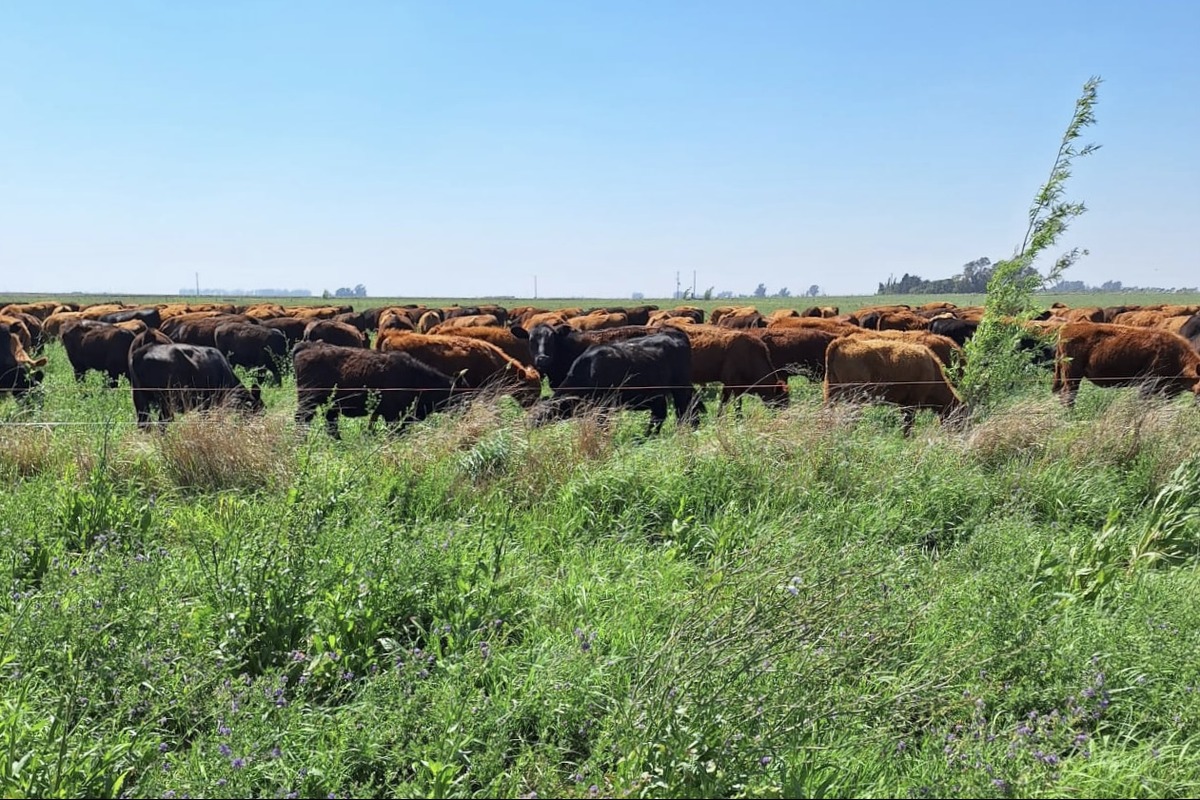
Driven by desperation, El Mate decided to give regenerative grazing a shot—a "biomimicry of natural processes," as Vasquetto calls it. By using electric fencing to move large herds intensively over short periods, the farm mimics natural grazing cycles. Livestock trample biomass and fertilize the soil, while rested pastures recover, rebuild organic matter, and capture carbon.
Healing the soil
The transition was not easy. With degraded soil, the first years were the hardest.
"When you start on degraded soils, all the bad plants appear first—plants that are unpalatable for the livestock and aggressive," says Vasquetto. "The soil makes you pay for all the years of bad management, and it charges you in time."
Their soil had become dependent on synthetic fertilizers, resulting in low productivity when these chemical inputs were eliminated. It took four to five years for the soil to "detox." Gradually, forage species that had vanished during decades of herbicide use began to reappear.
The results are remarkable. Water infiltration has improved from just 10–12 mm per hour to over 100 mm per hour—a tenfold increase that prevents runoff and boosts drought resilience.
"Now, even after heavy rains, it's very rare to see puddles or water running off. All the water is absorbed by the soil and is used to produce biomass—grass," says Vasquetto.
Organic matter—the backbone of soil health—has also recovered to around 3%, and the farm's soils now teem with life—up to 600 kg of earthworms per hectare.
"It's more important for us to feed the earthworms below than the cows above," Vasquetto says. "If we feed the soil, it will feed the cows."
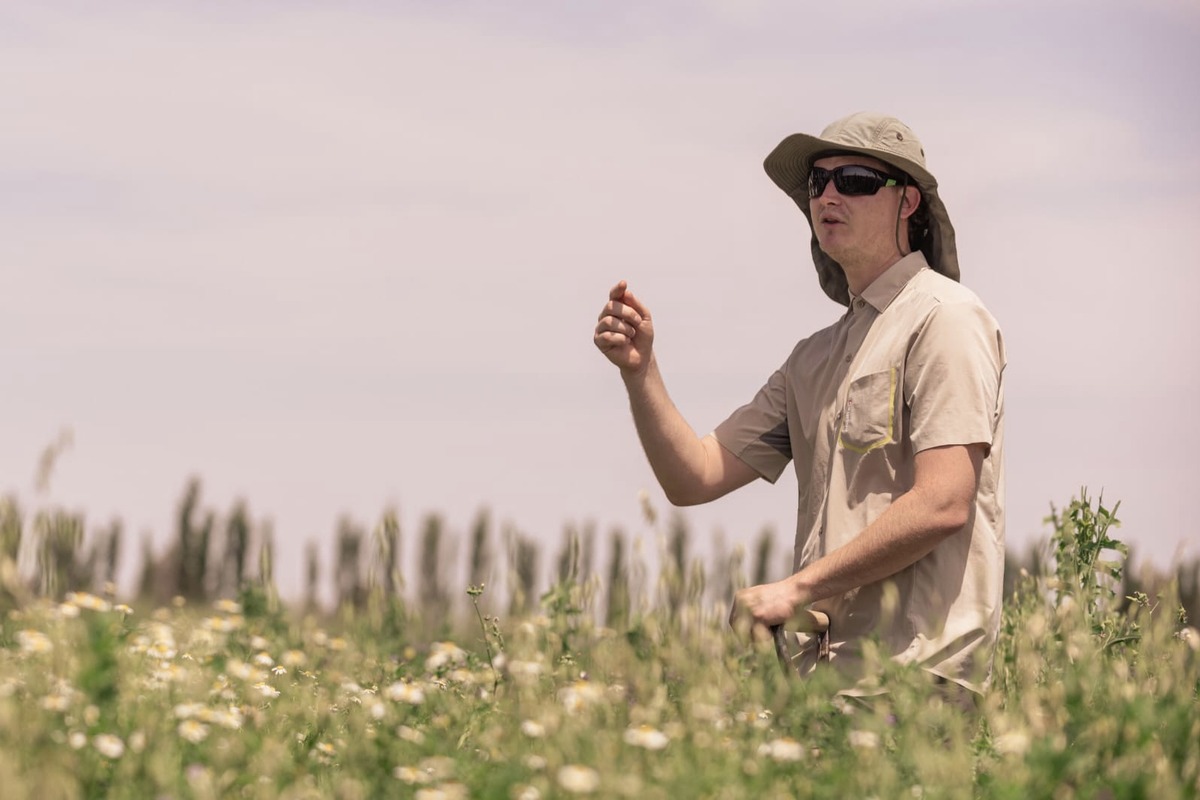
A thriving regenerative ecosystem
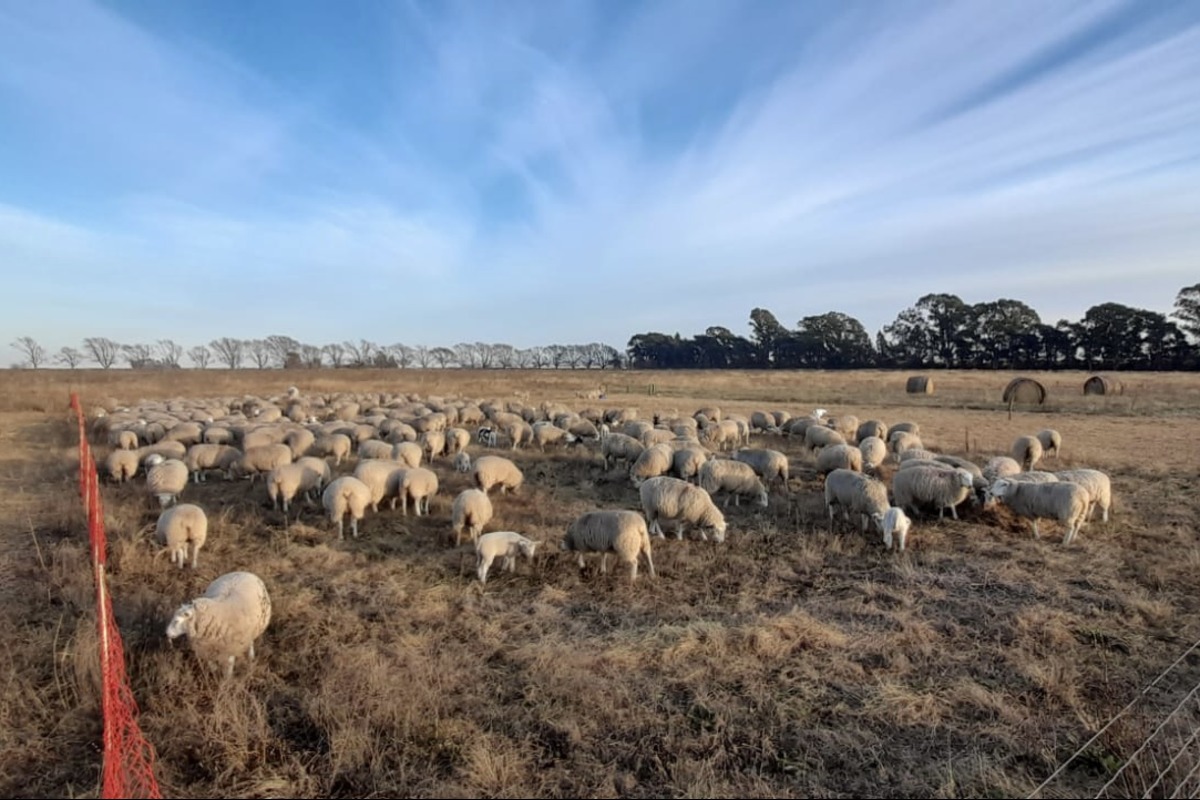
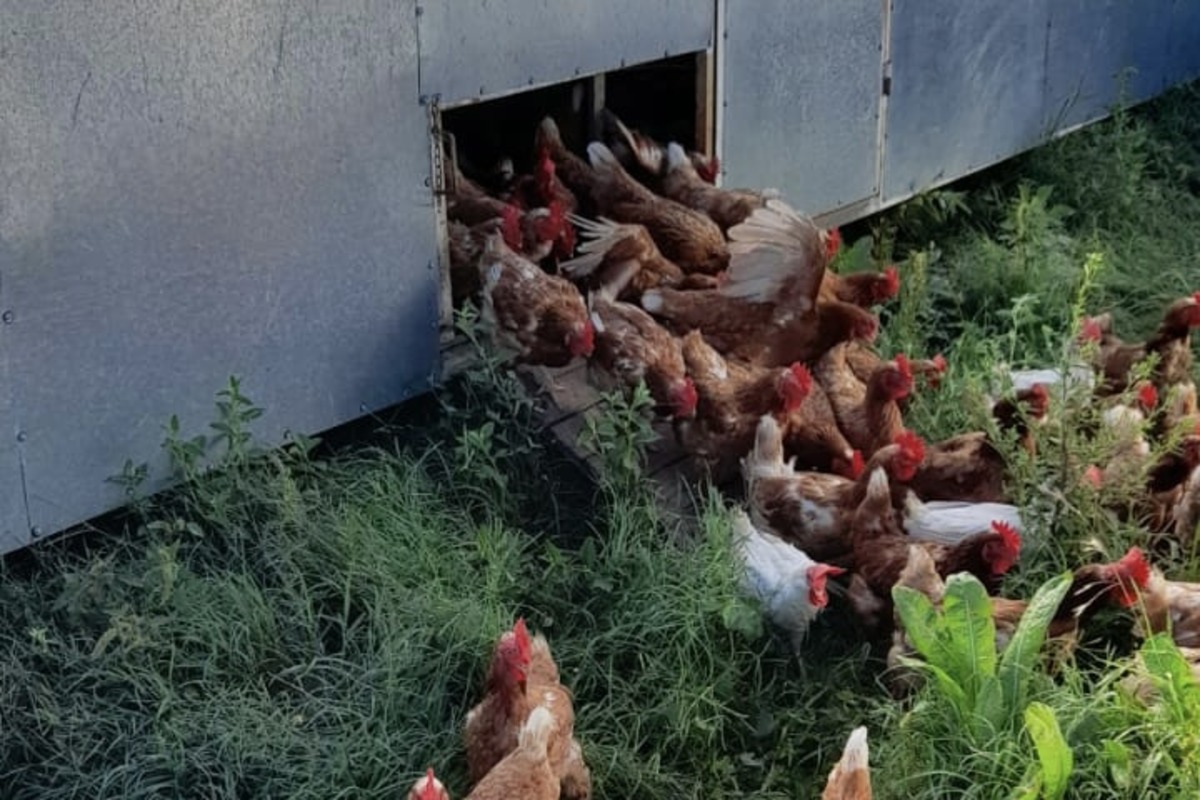
Today, El Mate produces around 1,000 grass-fed cattle per year, as well as sheep and free-range poultry. Cattle are mainly exported, while poultry and eggs supply local and regional markets. The regenerated ecosystem supports a diverse array of biodiversity, including birds, amphibians, and small mammals.
Overcoming skepticism
Initially, the family was met with significant criticism. "Regenerative agriculture was made out to be a hippie thing that could only be done on small areas," recalls Vasquetto. Once, a university professor told him that his family's idea had "no possibility of working in the long term."
The farm's resilience was tested during the 2019–2022 drought. While conventional operations suffered, El Mate was able to withstand the crisis and even remained productive. "That was a turning point, when people started looking at us differently and realizing maybe we weren't so crazy after all," laughed Vasquetto.
Today, approximately 80 farmers in the region have adopted similar practices, and the initial resistance has largely given way to respect.
Sharing knowledge globally
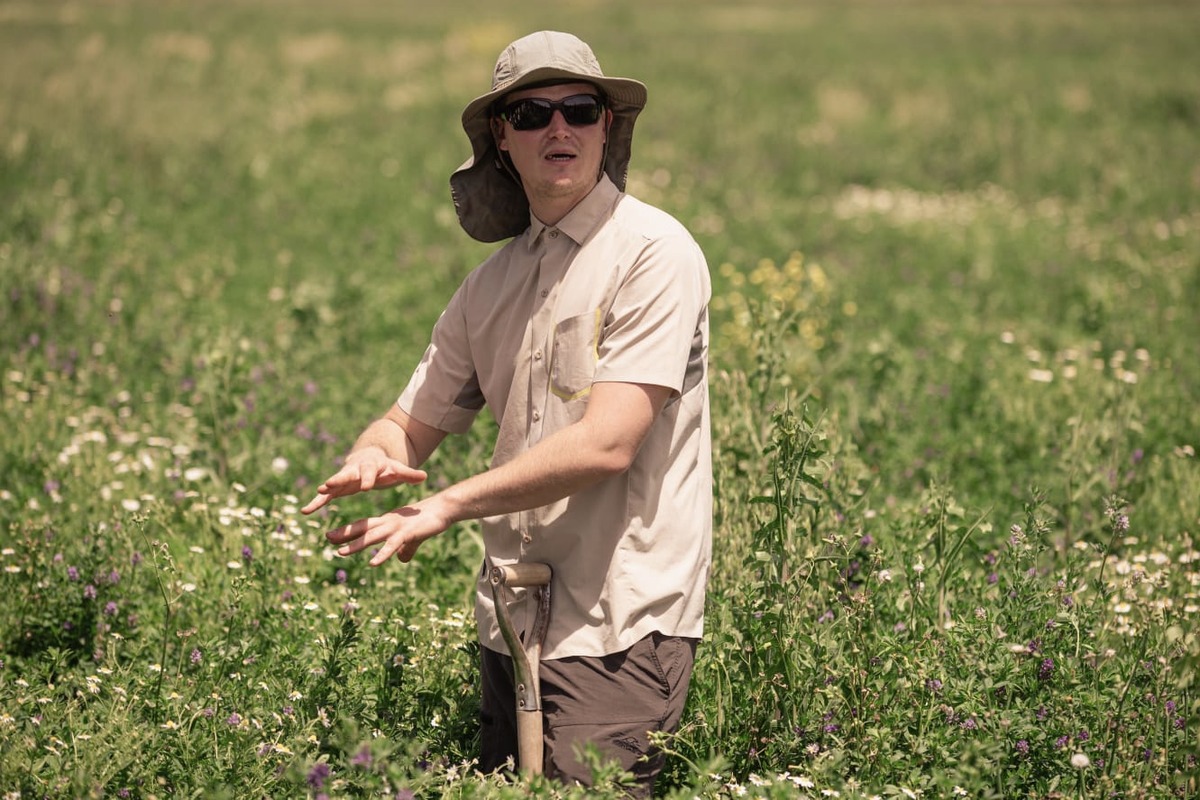
What began as an experiment has turned into a movement. Vasquetto now teaches and consults across Latin America and Europe, helping others transition without repeating his mistakes.
His social media presence, originally launched to promote local products, has grown to nearly 300,000 followers across platforms. He has led workshops in Uruguay, Paraguay, Brazil, Bolivia, Ecuador, Colombia, Mexico, Chile, Spain, and more, advising projects ranging from one hectare to 60,000 hectares.
At home, El Mate welcomes visitors for day-long educational tours. The family even built a small hotel in their town of Adelia María to host guests eager to learn firsthand. They recently expanded into processing, adding value through burgers made from their grass-fed beef and lamb.
Hard-earned advice
For farmers interested in following a similar path, Vasquetto offers grounded advice:
- Embrace change: "Don't wait for a crisis to make the shift.”
- Visit working systems: Seeing successful operations firsthand builds confidence.
- Start small: Experiment first and scale up gradually.
- Be patient: "Soil recovery takes years of proper management."
- Stay committed: Resist the temptation to revert when challenges arise.
What began as one family's survival story has become a beacon for sustainable farming worldwide—a model demonstrating that when farmers work with nature, not against it, both land and livelihoods can flourish.
To explore more stories of change-makers in agriculture, visit Farmers who Inspire