

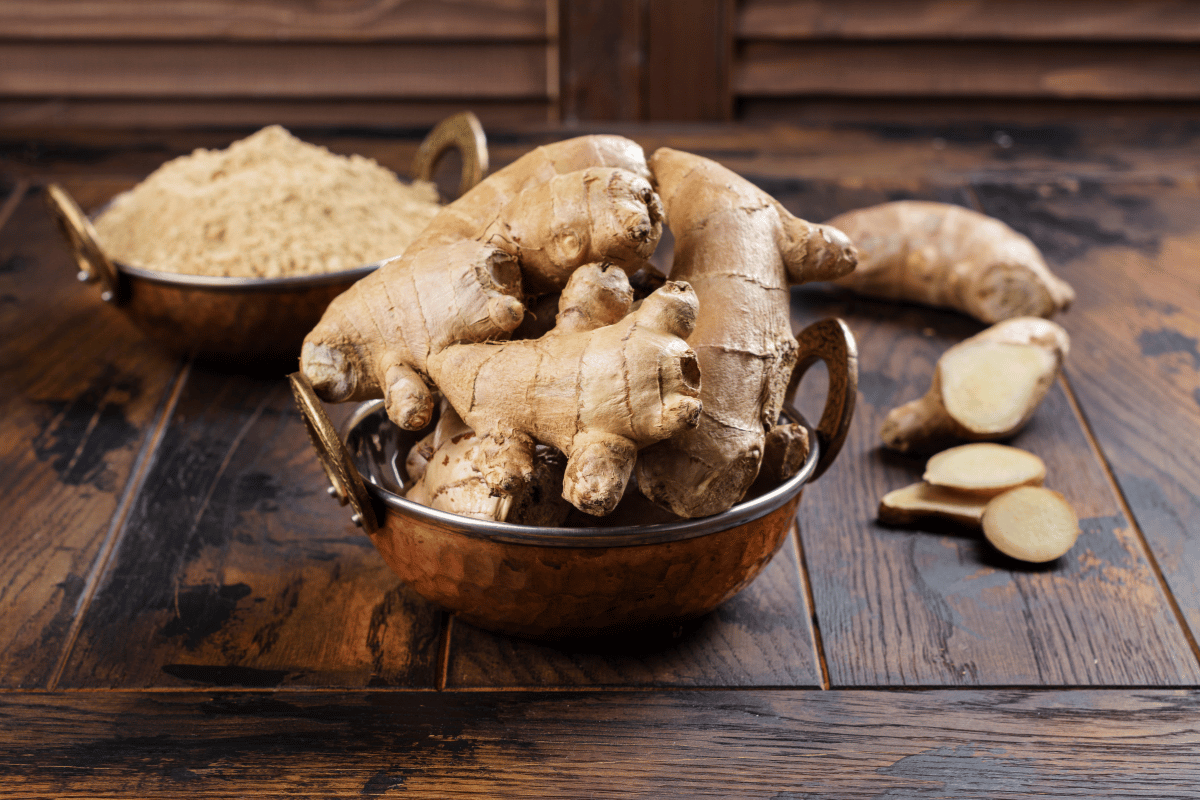
Ginger (Zingiber officinale) is a perennial plant whose edible underground stem (rhizome) is used worldwide as a spice and herbal remedy. Originally native to Southeast Asia, it is now cultivated in over 40 tropical countries – India is the largest producer, followed by China. Ginger is prized for its warm, pungent flavor and its bioactive compounds, such as gingerol, which supports digestion by accelerating gastric emptying. In this comprehensive guide, we explore the nutritional and health benefits of ginger, as well as practical tips on how to store it for maximum freshness.
Health benefits of ginger
Relieves nausea and digestive discomfort
Ginger has a long history of use as a remedy for upset stomach, with extensive clinical validation. A comprehensive systematic review of 109 randomized controlled trials found that ginger consistently reduces nausea and vomiting in pregnant women and those undergoing chemotherapy. The compound gingerol helps speed the movement of food through the stomach and intestines by boosting the rate at which food exits the stomach and moves through the digestive process, easing bloating and indigestion.
Clinical evidence shows ginger is particularly effective for pregnancy-induced nausea and vomiting, with optimal doses ranging from 250mg to 500mg taken 2-4 times daily for 3-4 days. Studies have consistently demonstrated ginger's effectiveness compared to both placebo and vitamin B6 treatments, with minimal adverse effects reported.
Reduces inflammation and pain
Ginger’s anti-inflammatory properties help relieve various pains. Studies found that ginger intake or topical application can alleviate muscle soreness after exercise, knee osteoarthritis pain, and migraine headaches. It also reduces menstrual cramps. In some trials, its pain relief rivaled that of common NSAIDs, like mefenamic acid and ibuprofen.
Supports heart and metabolic health
Ginger may benefit cardiovascular risk factors. Clinical reviews show that ginger supplementation can improve cholesterol profiles (lowering triglycerides, total and LDL cholesterol, and raising HDL). In people with type 2 diabetes, taking 1–3 grams of ginger daily for several weeks helped improve both blood sugar and cholesterol levels. Ginger may also help moderate high blood pressure.
Rich in antioxidants
Ginger is loaded with bioactive antioxidants (like gingerols and shogaols) that combat oxidative stress. This contributes to immune support and may help the body fight infections. Indeed, ginger has antimicrobial activity against certain bacteria and viruses, which makes it a traditional remedy for easing cold and flu symptoms.
Potential cognitive and anti-cancer effects
Emerging research suggests ginger might protect brain cells from oxidative damage, potentially lowering the risk of neurodegenerative diseases. Laboratory studies also indicate that ginger compounds can slow the growth of some cancer cells, and gingerols are under investigation for anticancer properties.
Clinical trials examining colorectal cancer biomarkers found that 2 grams of ginger extract daily (containing 5% gingerols) for 28 days showed promise in reducing inflammation markers in both normal-risk and high-risk individuals. However, these benefits require further investigation in larger clinical populations.
How to store ginger
- Short-term (room temperature or refrigerated): Fresh, unpeeled ginger can stay fresh about 1–2 weeks at room temperature. For longer freshness, store it in the refrigerator, ideally wrapped in a paper towel and sealed in a plastic bag or container. Ginger can remain crisp in the fridge for several weeks (typically 3–6 weeks).
- Freezing: For longer storage, peel and slice or grate ginger, then freeze it. Place pieces or ice-cube-tray portions in a freezer bag. Frozen ginger maintains its best quality for about 3 months (and is safe for consumption indefinitely if kept frozen). You can grate frozen ginger directly into dishes without thawing.
Ginger adds flavor and health benefits to many foods. Proper storage helps preserve both its taste and medicinal qualities. By including ginger in your diet and keeping it fresh, you can maximize the many benefits of ginger for your well-being.
Sources
Ginger on Human Health: A Comprehensive Systematic Review of 109 Randomized Controlled Trials
Clinical trials on pain lowering effect of ginger: A narrative review
Ginger Update: Potential Health Benefits
Health benefits of ginger and simple ways to incorporate this zesty root into your diet