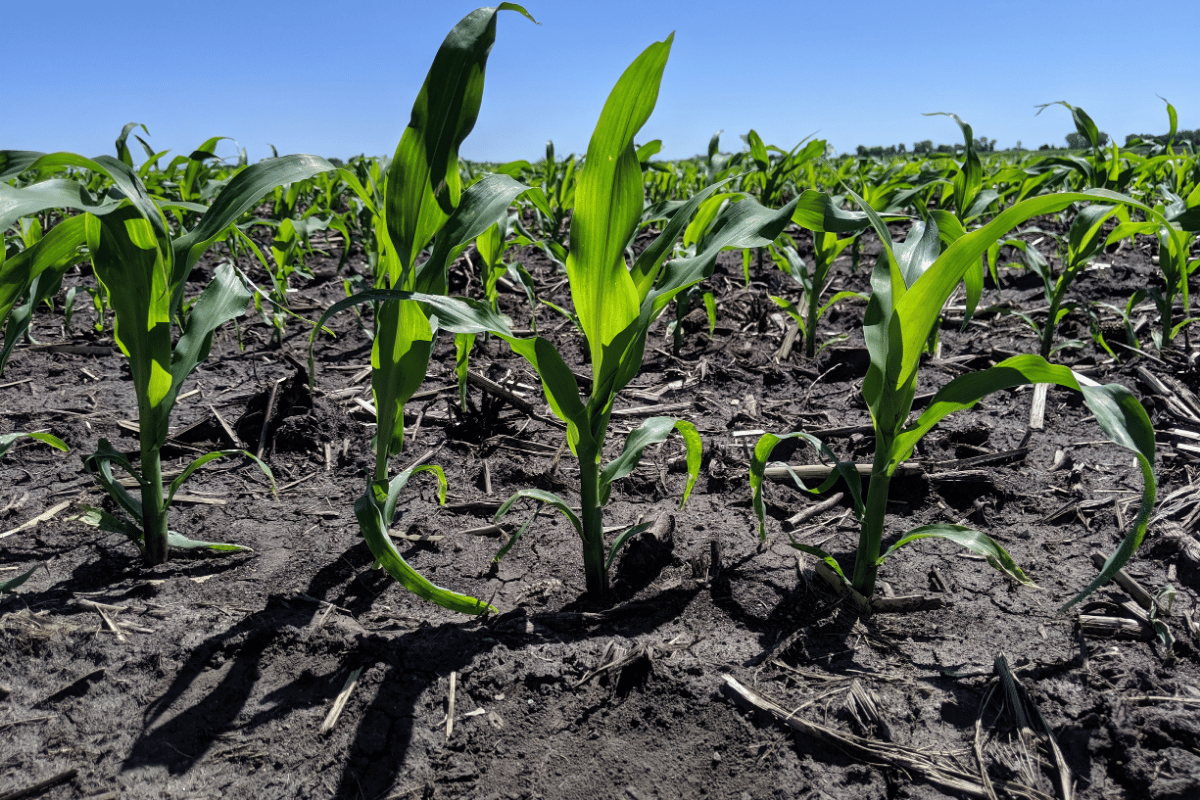
Under heat, drought, or after frost, a plant directs a large share of its energy into synthesising amino acids to repair its tissues and keep its functions running. Amino acid products, also known as protein hydrolysates, supply these molecules ready-made and spare the plant an energy-demanding step.
What protein hydrolysates contain
Protein hydrolysates are a mixture of soluble peptides and amino acids obtained from the chemical or enzymatic hydrolysis of proteins of plant or animal origin. Plant raw materials are usually legume seeds and agro-industrial by-products, while animal sources include by-products such as collagen and blood meal.
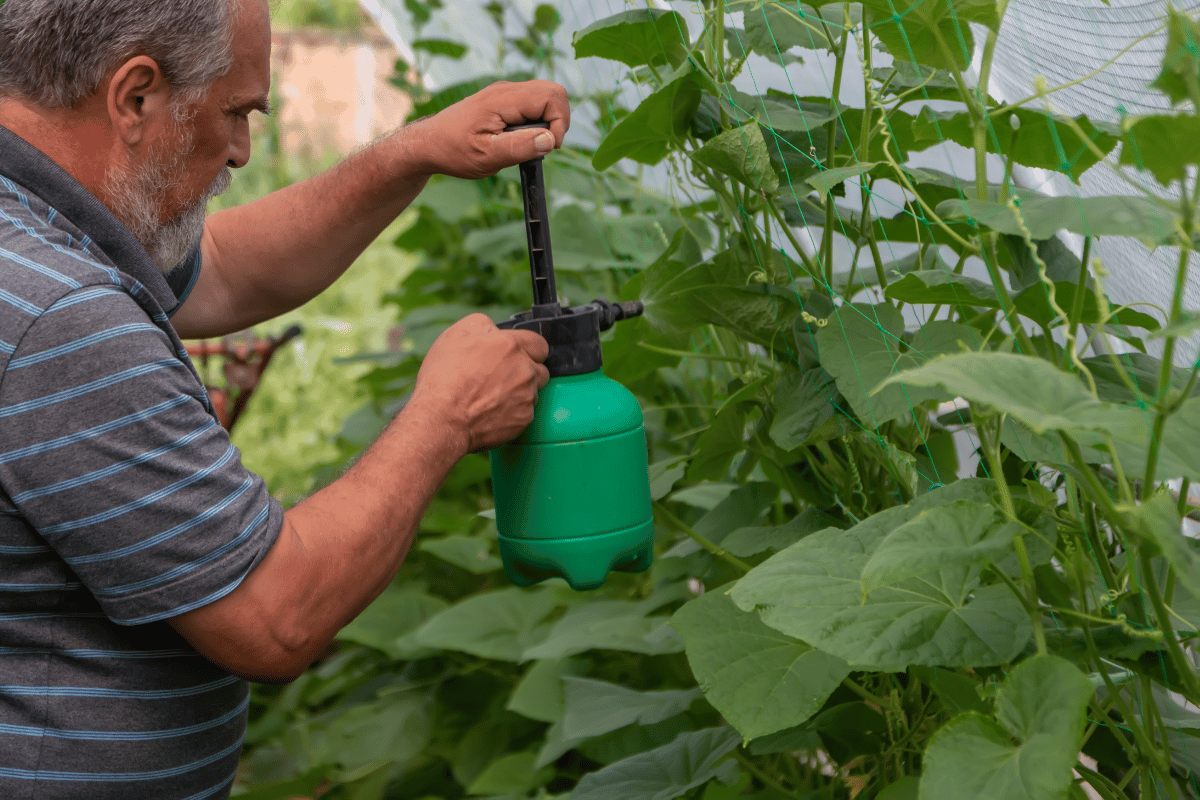
Foliar application allows the plant to rapidly take up amino acids.
How they work in the plant
Amino acids are the building blocks of proteins and take part in the synthesis of chlorophyll, enzymes, and hormones. Beyond this nutritional role, they enhance nutrient uptake and abiotic stress tolerance. A plant-derived hydrolysate rich in tryptophan shows auxin-like activity, since tryptophan is a precursor for its biosynthesis, while at the same time root growth and nitrogen uptake increase. Some amino acids, such as proline, act as osmoprotectants and help the cell hold water under drought.
Why the L-form and production method matter
Biological activity depends on the form of the amino acids. During acid hydrolysis, some amino acids are destroyed and others are converted from the L-form to the D-form, which loses its biological activity. Enzymatic hydrolysis, carried out with proteolytic enzymes at temperatures below 60°C, keeps a higher proportion of peptides and L-amino acids. For this reason, plant-derived hydrolysates produced enzymatically are considered higher in quality, while the application of animal-derived hydrolysates on the edible parts of organic crops is prohibited under Regulation 354/2014.
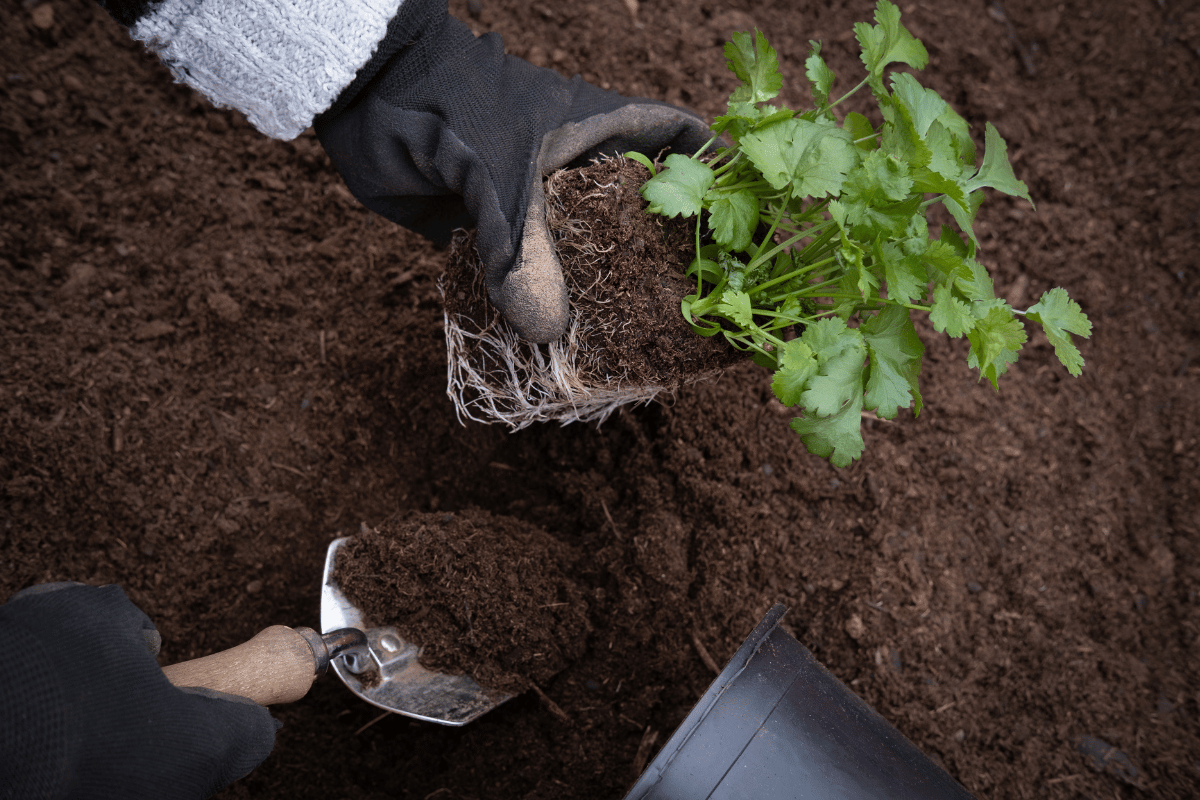
At transplanting, amino acids support faster establishment of the plant.
When and how to apply them
They are applied during periods of stress, at transplanting, and at demanding phenological stages such as flowering and fruit set. Application is foliar for rapid uptake or through the irrigation system, often combined with seaweed extracts.
| Application stage | What we aim for |
|---|---|
| Transplanting | Faster establishment and root growth |
| Flowering and fruit set | Better fertilisation and fruit setting |
| Periods of heat or drought | Less stress and maintained growth |
| After frost or hail | A faster recovery of the plant |
Which product suits each crop and stage is covered in our guide on choosing a biostimulant for your crop, and the combination with seaweed in our guide on how seaweed biostimulants build stress tolerance.
Sources
- Colla, G. et al. (2015), Protein hydrolysates as biostimulants in horticulture, Scientia Horticulturae.
- Colla, G. et al. (2014), Biostimulant action of a plant-derived protein hydrolysate produced through enzymatic hydrolysis, Frontiers in Plant Science.
- Colla, G. et al. (2017), Biostimulant action of protein hydrolysates: unraveling their effects on plant physiology and microbiome, Frontiers in Plant Science.