The next generation of crop and climate challenges in farming
We already know the climate is changing, and we already know it is reshaping agriculture. Global temperatures have climbed to record levels, and 2023 was about 1.45 to 1.48°C above the “pre-industrial” baseline. Farmers are feeling the shift in real time. more brutal heat, longer dry spells, heavier downpours, and pest pressure appearing in places and seasons where it was once rare. And we can’t talk about a “bad year” story anymore.
The big question is not whether agriculture is affected, but which crops are already in the danger zone, and what kind of climate stress is driving the damage first.
So which crops are taking the hardest hit already, and why are they so exposed?
Why is climate change reducing wheat yields worldwide?
Wheat, a staple for 35% of the world’s population, thrives within a narrow climate comfort zone. In recent years that zone has been breached. Farmers across Asia, Australia, Europe, and the Americas report that yields are no longer climbing as expected, as climate change has slowed the rise in wheat yields in many regions. The reason becomes clear each summer: wheat is extremely sensitive to heat, especially during its flowering period. Scientists have found that around flowering time, 31°C is a critical threshold – beyond that, pollen can become sterile and grains fail to form. In practice, this means a brief heatwave at the wrong moment can decimate a wheat field.
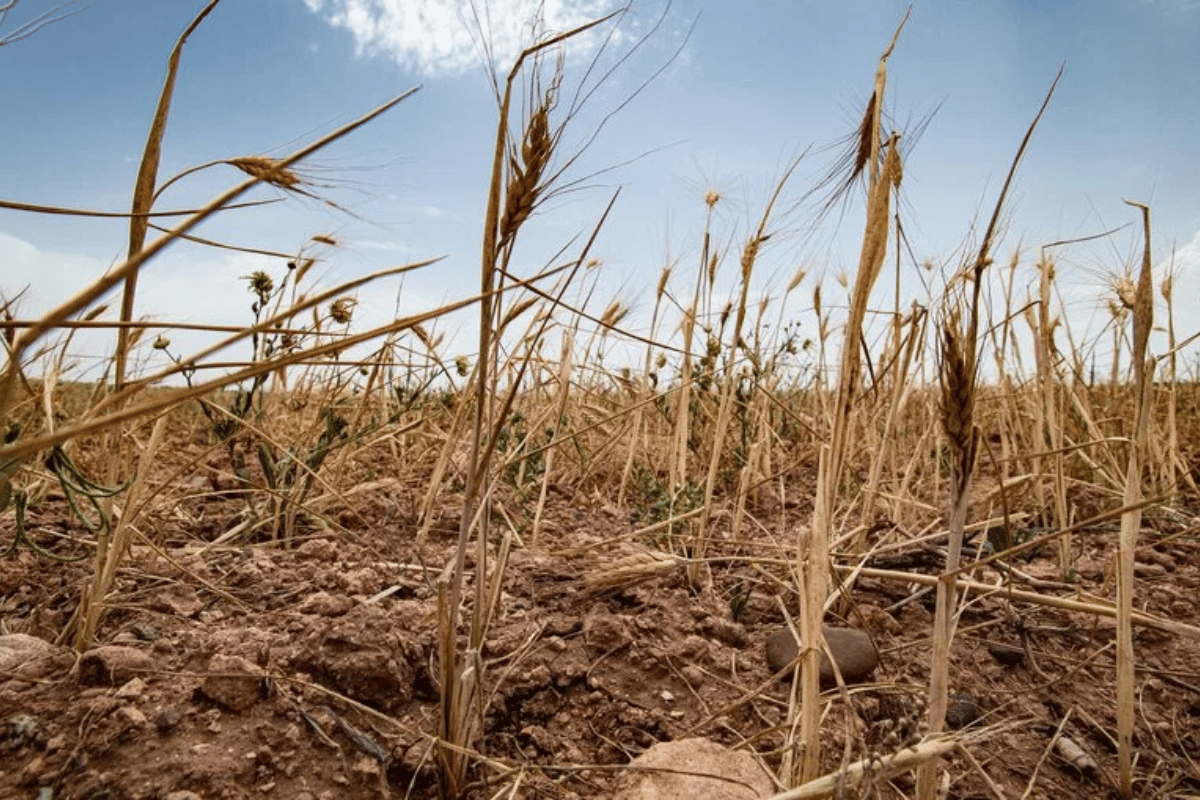
A failed wheat crop due to a heatwave
For example, a record-breaking spring heat wave in India in 2022 sent temperatures soaring above 40°C and shriveled the wheat crop. Yields fell so sharply (by roughly 10% from initial projections) that India cut its harvest estimates by millions of tonnes and banned wheat exports to secure its own food supply. Such episodes of “flash droughts” and extreme heat are becoming more frequent, posing a next-generation challenge for wheat farmers globally.
How do heat and drought affect maize (corn) yields?
Maize (or corn) is the world’s most-produced crop, but it is also highly vulnerable to climate swings. Its biggest weakness is drought coupled with high heat during the growing season.
Corn is especially vulnerable to heat at pollination. If temperatures spike when the corn is tasseling, the plant may abort kernels, leaving empty cobs. Unlike wheat and rice, corn also gains little benefit from higher CO₂ in the air, so it can’t offset heat stress by growing faster In fact, for each 1°C rise in global temperature, maize yields are projected to decline by about 7% on average.
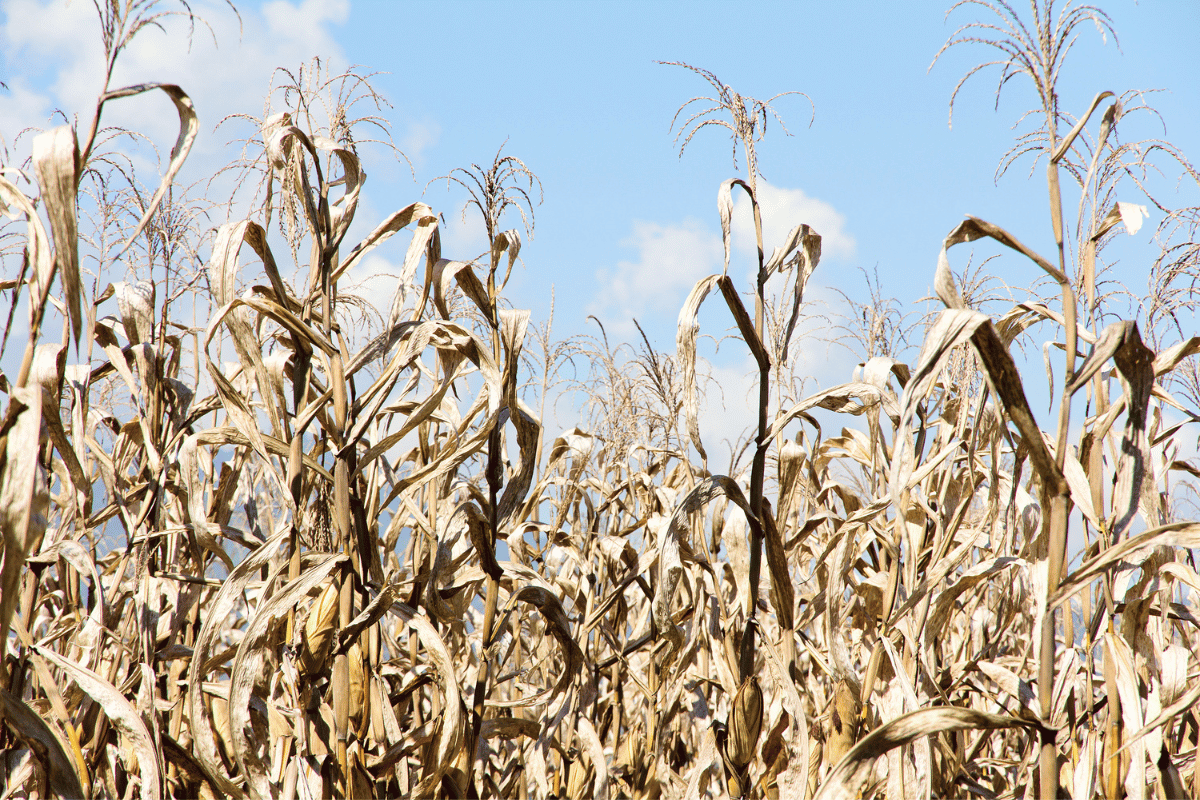
Drought in a corn field
For instance, a severe drought tied to an El Niño pattern in early 2024 desiccated soils across Southern Africa, causing widespread wilting of maize fields. Malawi, Zambia, Zimbabwe and neighboring countries declared disasters as the rains failed; in some areas a 30+ day dry spell during critical growing stages led to permanent crop losses. Even South Africa, the region’s maize basket, saw yields fall an estimated 17% below expectations due to the heat and lack of rain.
At the same time, warming temperatures are turbocharging pests that feast on maize. Perhaps the most notorious is the fall armyworm, an invasive caterpillar that has spread from the Americas to devastate crops across Africa and Asia in the past decade. Climate change is “fuelling the spread” of this pest, where warmer, erratic weather creates ideal breeding conditions. The fall armyworm chews through maize fields with alarming speed – it can reduce maize yields by up to 73%, causing an estimated $9.4 billion in losses annually in Africa alone.
Can rice survive extreme floods, droughts, and hotter nights?
Rice is the lifeblood of food security for over half the globe, yet rice cultivation sits on a climate knife-edge. Traditionally grown in warm, waterlogged paddies, rice can handle humidity – but today’s climate extremes are testing its limits. In South Asia, farmers have noticed an unsettling new pattern: the monsoon rains that rice depends on have become erratic and extreme. Some seasons bring downpours so intense they flood and submerge rice fields; others bring dry spells that parch them.
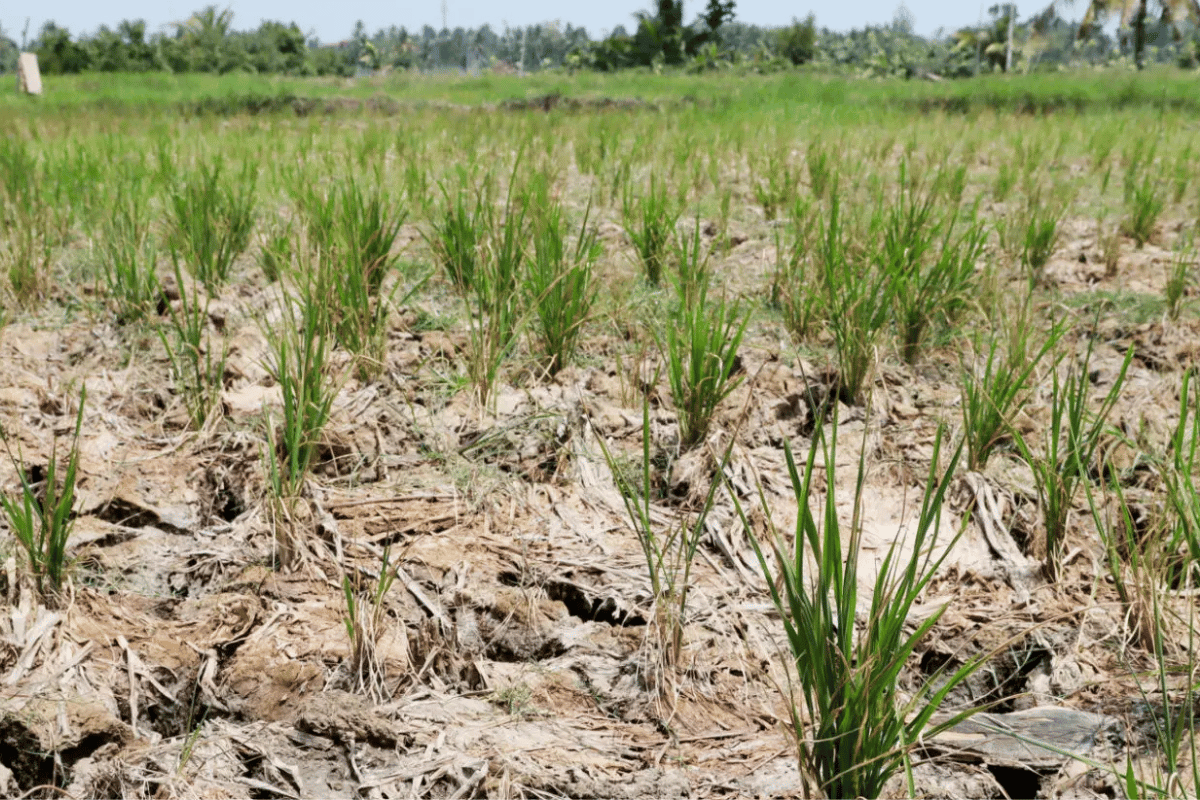
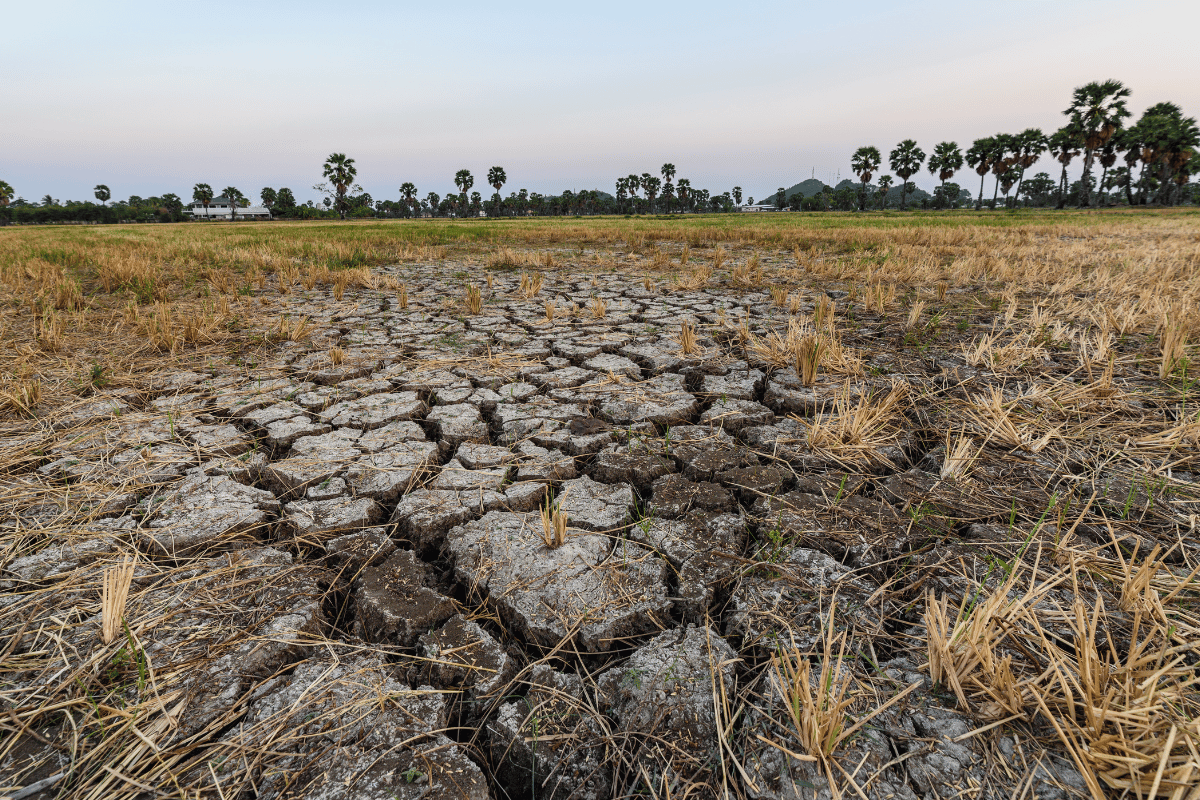
Dry and cracked rice farmland
In 2022, Pakistan experienced unprecedented monsoon flooding, with parts of Sindh Province receiving 450% more rain than normal. Nearly four-fifths of the province’s crops were damaged as floodwaters drowned over 4 million acres of farmland. Such flooding not only destroys the current rice crop but also leaves behind silted fields and often a lingering layer of salt or sand that can hamper the next planting. On the flip side, in years when the rains falter, rice yields suffer from drought stress – a major issue in rainfed paddies across Africa and Southeast Asia.
Beyond water issues, heat is an emerging threat to rice, particularly warmer nights. Rice plants, like many crops, need cooler nights to respire and fill grain properly. For each 1°C increase in nighttime temperature above the optimum (around 22°C), rice grain yields can drop by about 7%. Farmers in tropical regions have begun observing this firsthand: nights that remain hot and muggy lead to poorer grain fill and lighter rice kernels at harvest. Over time, this trend could quietly chip away at rice productivity. Indeed, global studies indicate rice yields decline by roughly 3% per degree of warming even when daytime heat is manageable. From unseasonal floods to the stealthier stress of hot nights, the world’s rice bowls are under climatic pressure. The next generation of rice farming will require innovations to cope with both too much and too little water, often in the same season.
Is climate change making it harder to grow coffee?
Coffee, the beloved morning brew for millions, is one of the crops most sensitive to climate disruptions. The arabica coffee plant thrives only within narrow temperature and humidity ranges, mostly in tropical highlands. Rising temperatures and shifting rainfall are reducing the areas suitable for coffee cultivation at an alarming rate.
Without adaptation, climate change could cut the land fit for growing coffee by up to 50% by 2050. This isn’t a distant projection; the impacts are being felt now. In the highlands of Ethiopia (the birthplace of Arabica coffee), farmers have seen yields decline as average temperatures inch upward. Some have had to move their coffee trees upslope in search of cooler conditions, or even switch to other crops. A recent global study underscored coffee’s vulnerability: in all modeled climate scenarios, the number of regions highly suited to coffee could drop by half by 2050, primarily due to rising heat in top producers like Brazil, Vietnam, and Colombia.
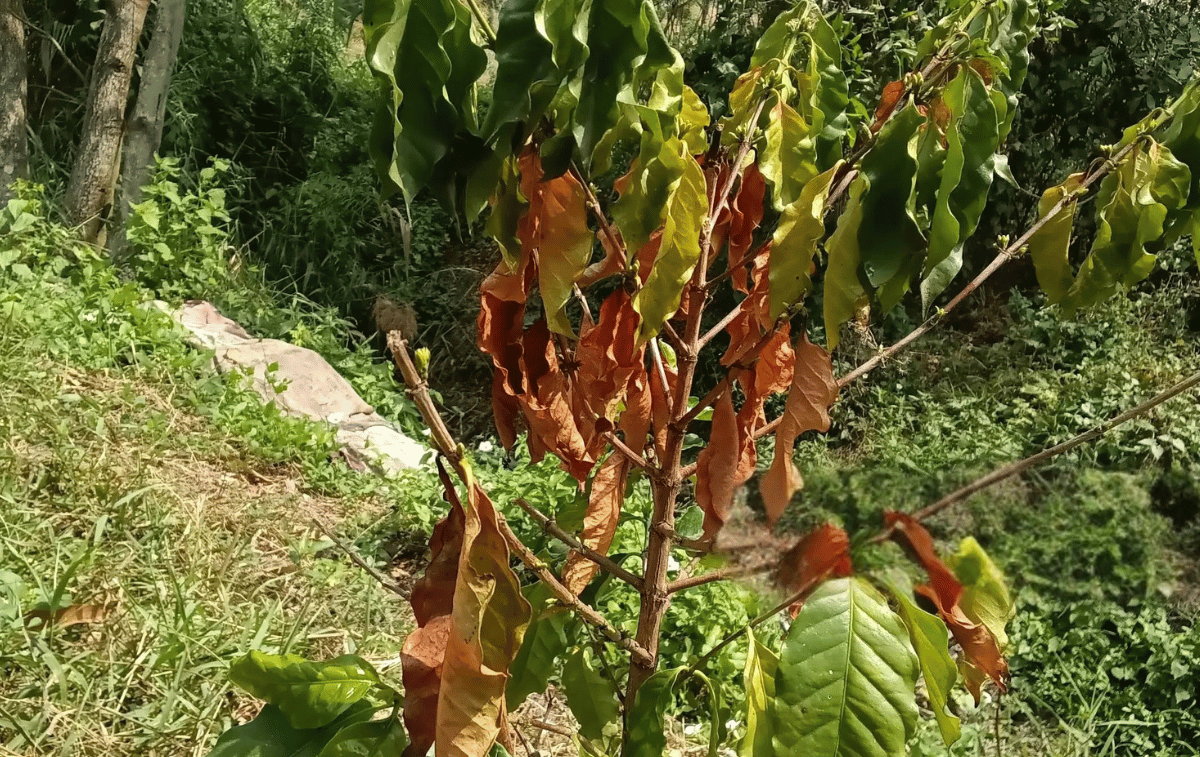
Coffee plants affected by drought
It’s not just the heat and erratic rains; pests and diseases are making a bad situation worse. Warmer climates enable these threats to thrive. Take the coffee berry borer, a destructive beetle once confined to a few African locales, which has now spread to virtually every coffee-growing country as temperatures have climbed. This tiny pest bores into coffee cherries, and research shows that each 1.8°F (1°C) rise in temperature boosts the borer’s reproduction and damage by about 8.5%. Likewise, coffee leaf rust – a fungal disease – has exploded in prevalence, with a notable outbreak in Central America last decade partly attributed to unusually warm, wet conditions.
For coffee farmers, these converging challenges feel like a perfect storm. One year it’s a drought stunting their coffee cherries; the next, excess rain brings fungus and bugs. The result is a bitter brew of lower yields and lower incomes. By the time a warming world hits the bottom of your coffee cup, it may already have devastated the small farmers who grow it.
Why is climate change threatening cocoa and chocolate supply?
The future of chocolate is growing uncertain as the cocoa crop faces the harsh realities of climate change. Cocoa trees flourish in a very specific environment, the humid, shaded tropics near the equator, and that environment is becoming less predictable. West Africa, which produces over 60% of the world’s cocoa, has been hit by erratic weather swings that leave farmers reeling. In Côte d’Ivoire (Ivory Coast) and Ghana, cocoa farmers are seeing once-reliable rainy seasons turn into wildcards.
For instance, in 2024 Ivory Coast experienced 40% more rainfall than normal in July, flooding cocoa plantations, only to be followed by an abnormally dry spell by December that withered the cocoa pods on the trees. Such back-to-back extremes are extremely challenging for a crop that “likes it just right” – steady warmth, consistent moisture, and shade.
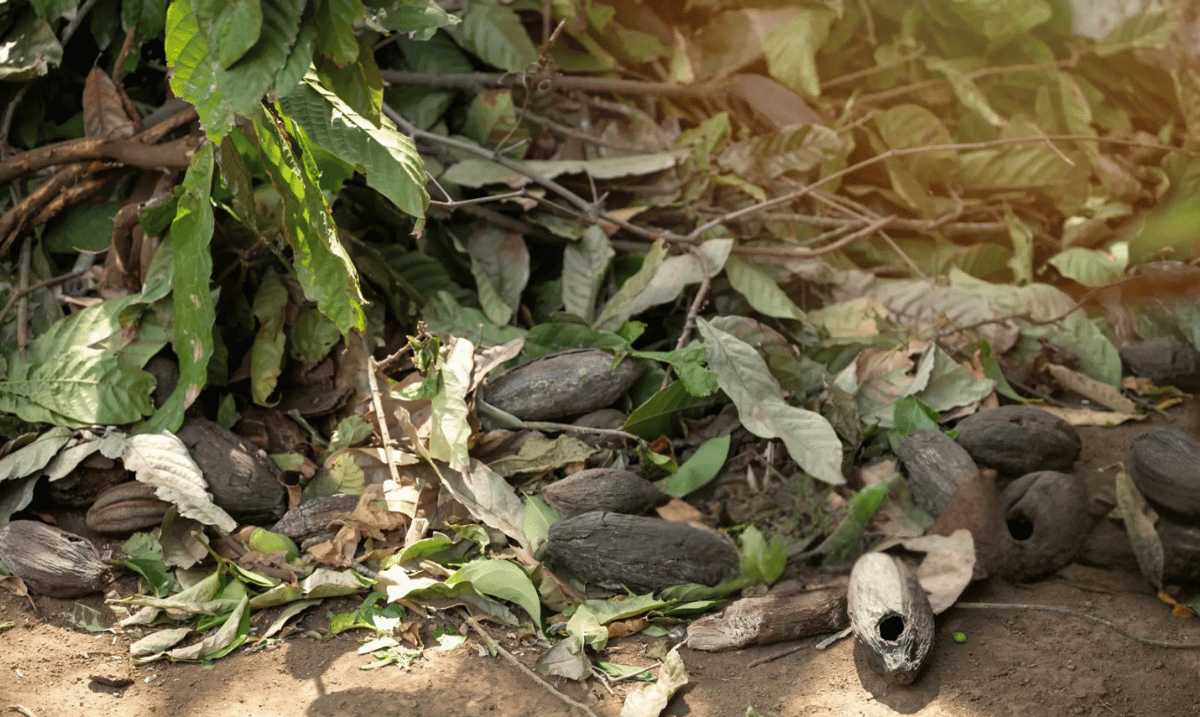
Rotten cacao pods in a farm field
Without serious intervention, many of today’s cocoa-growing zones may become unsuitable by mid-century. Climate models project a possible 50% reduction in West Africa’s suitable cocoa area by 2050 as temperatures rise and rainfall patterns shift. This could push the cocoa belt upslope or into new regions, but moving cocoa is not simple. The varieties grown in West Africa are chosen for their high yield under current conditions, and those conditions are changing. Farmers are already noticing declining yields and more pest outbreaks. Black pod disease (a fungal rot) and other cocoa diseases flourish in the humidity of excessive rains, while pests like mirids (cocoa capsid bugs) can proliferate when drought weakens the trees.
The impacts are rippling down the supply chain: in 2024, cocoa prices spiked by 400%, partly due to weather-hit harvests in Africa. For the millions of smallholder farmers who depend on cocoa, these climate challenges are not abstract – they threaten daily incomes and a cherished way of life. The world’s sweet tooth may soon taste the bitterness of climate change if cocoa’s climate crisis continues unaddressed.
Facing the Future
Across these five crops – wheat, maize, rice, coffee, and cocoa – the story is the same: the climate we expected is not the climate we are getting. Each crop has its own “breaking point,” whether it’s a heat threshold, a rainfall regime, or a pest dynamic that has kept in balance until now.
What they all have in common is that real farmers in real places are already witnessing these changes. Their stories – of wheat fields shriveled in India, rice paddies submerged in Pakistan, corn devoured in Africa, coffee frostbitten in Brazil, and cocoa blighted in Ghana – show that climate change is not a distant threat but a present-day crisis for agriculture. Recognizing these challenges is the first step toward building resilience. In the next article, we will explore how farmers and communities are responding and what solutions can help safeguard the future of these crops. For now, it’s clear that the next generation of farming challenges has arrived, and it is being written in the language of climate extremes.
Yet, knowledge is power. By understanding these crop-specific challenges, farmers and policymakers can start planning responses (which we will explore in a separate article). The climate may be changing, but with foresight and action, agriculture can change too – rising to meet the climatic trials of the 21st century and beyond