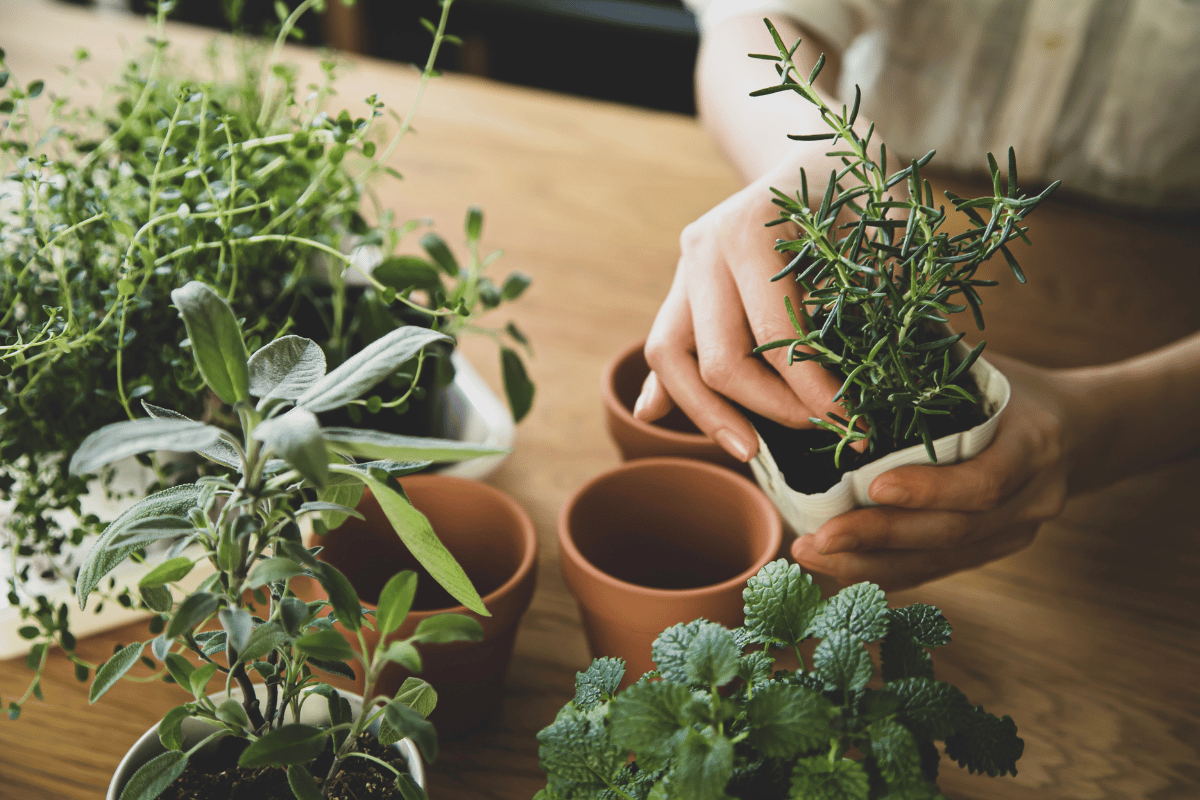
Container gardening is a fantastic solution for home gardening, especially in Mediterranean climates with limited rainfall, mild winters, and hot summers. Yet many common gardening myths persist that can mislead both beginner and experienced gardeners. Misinformation about soil, watering, and plant needs often leads to gardening mistakes that harm your potted plants. In this article, we’ll debunk five popular myths about container gardening in Mediterranean conditions.
Myth 1: "You should add gravel or pottery shards to the bottom of containers for drainage."
Myth: Many gardening guides and old tips suggest placing coarse material (gravel, stones, broken terracotta) at the bottom of planters to improve drainage. The belief is that a layer of rocks will help excess water escape and prevent soggy soil in the pot.
Why it’s wrong: In reality, this practice backfires and can cause worse drainage issues. Water does not easily move from a fine-textured potting soil down into a coarse gravel layer. Instead, the water tends to “perch” above the gravel until the soil is completely saturated. Studies have shown that a coarse layer underneath actually retains more water in the soil above, encouraging the very waterlogging you wanted to avoid. Gravel can also reduce the effective depth of soil and even block drainage holes if pieces settle against them. The science-based consensus is clear: adding a gravel layer does not help drainage in containers; it harms it.
Practical solution: Use a high-quality potting mix throughout the entire container, and make sure your pot has sufficient drainage holes at the bottom. If your container only has one small hole, consider drilling a few more. Plant roots need space and consistent soil; by filling the whole pot with a proper mix, you allow water to spread evenly and drain out the holes. To further aid drainage, you can slightly elevate the pot off the ground (for example, with pottery feet or a small block) so water can flow out freely. This way, excess water can exit, and air can circulate, keeping roots healthier. In summary, skip the gravel and trust the potting soil and drainage holes to do their job.
Myth 2: "It's fine to use garden soil or topsoil in containers.”
Myth: Why buy special potting mix when you have perfectly good soil in your yard? A common misconception is that you can shovel garden soil or use cheap topsoil from the store to fill your containers. After all, soil is soil – your plants don’t care, right?
Why it’s wrong: Garden soil is too heavy and dense for containers. In the confined space of a pot, regular soil compacts tightly, which prevents proper drainage and aeration. Unlike the ground, where roots can spread out, and worms and microbes improve soil structure, a container traps the soil in a small volume. The result is often waterlogged, oxygen-poor soil, which leads to root rot and stunted plant growth. Additionally, soil from the yard can introduce pests, diseases, or weed seeds into your pots.
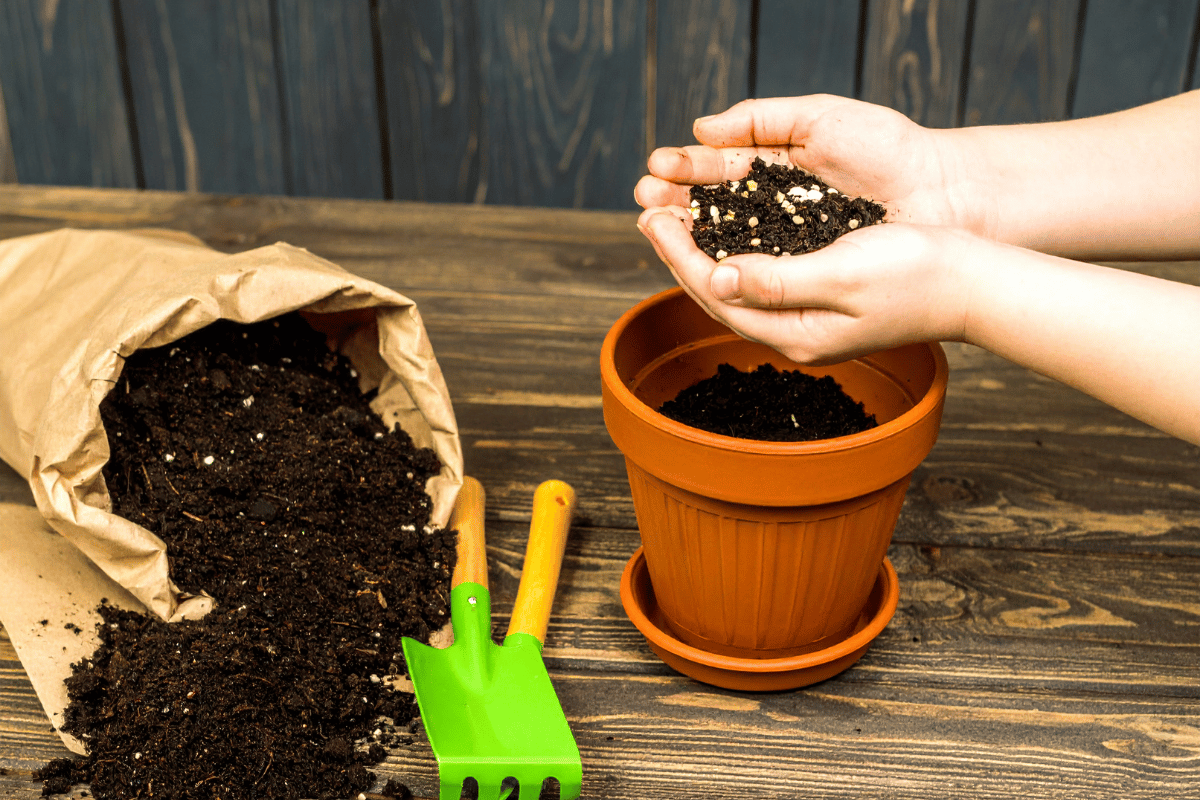
Practical solution: Always plant in a potting mix (also called potting soil) that is formulated for containers. A good potting mix is lightweight and well-draining, often containing ingredients like peat or coir (for moisture retention), and perlite or vermiculite (for aeration). This creates a soil environment that retains moisture without suffocating roots, and it efficiently drains excess water. Potting mixes are usually sterilized or soilless, which helps avoid pests and diseases. If cost is a concern for large containers, you can mix in some finished compost or a bit of coarse sand, but avoid using heavy garden dirt.
Myth 3: "Water your container plants just once a week, no matter what.”
Myth: Some folks believe potted plants only require minimal watering. For example, a good soak once a week can be maintained year-round. This myth may stem from a desire to simplify care or from gardening advice intended for cooler climates. In a Mediterranean climate garden, one might also assume that because native plants are drought-tolerant, containers won't require daily attention.
Why it’s wrong: Rigidly watering on a weekly schedule can be a recipe for disaster in hot, dry summer conditions. Mediterranean climates are characterized by scorching, rainless summers, and containers can dry out far more quickly than ground soil. In midsummer heat, especially with low humidity and some wind, it’s common for potting mix to become bone-dry within a day or two. University horticulture experts note that container gardens often need watering every day in hot weather. In fact, during heatwaves or windy hot days, you might need to water twice a day for small pots or very thirsty plants. The truth is, there is no one-size schedule. You should check your plants' soil moisture regularly.
It’s also worth dispelling a related myth: that watering in midday sun will burn plant leaves. In reality, water droplets on leaves do not cause leaf scorch. The real reason to avoid watering at high noon is efficiency (less evaporation) and plant comfort.
Practical solution: In Mediterranean container gardening, monitor soil moisture daily. A simple way is the finger test: stick your finger about 2–3 cm (1 inch) into the soil. If it feels dry at that depth, it’s time to water. Water deeply and thoroughly until you see water exit the drainage holes.
Be attentive to pot size: small pots dry out much faster than large ones, so they will require more frequent watering. Grouping pots together can provide a bit of shade and humidity for each other, slowing evaporation. Using mulch on top of the potting soil is another excellent tip – a layer of organic mulch (straw, wood chips, etc.) helps keep the soil cool and moist longer. Consider self-watering containers or drip irrigation for an easier watering routine if you have many pots. Finally, remember that the rule is flexibility: water as much as needed, not as much as some fixed schedule dictates. Consistent checking and deep watering will keep your container plants happy through the Mediterranean summer.
Myth 4: “Drought-tolerant container plants (succulents, Mediterranean herbs, etc.) don’t ever need watering.”
Myth: This myth comes in a couple of forms. One is the idea that “native Mediterranean plants never need water” because they’re adapted to dry summers. Another is assuming succulents and cacti can be neglected entirely since they store water.
Why it’s wrong: Drought-tolerant does not mean water-proof. Even the toughest dry-climate plants require some water to survive. For instance, California or Mediterranean native shrubs have deep roots in the ground and can access moisture, but in a container, their roots are restricted and cannot seek water elsewhere. In fact, the first year is crucial for establishing their roots. If you never water a potted “drought-tolerant” plant, it will simply wither.
Practical solution: Water your drought-tolerant plants in pots, but on a modified schedule. Instead of frequent watering, give them a thorough soak when needed, then let the soil dry out well. For example, a potted lavender or rosemary in summer might need a deep watering every 4–7 days, depending on heat. Always ensure these plants have excellent drainage (they hate sitting in puddles). Use a fast-draining cactus or potting mix for succulents, and pots with drainage holes.
Observe your plants: wilting or wrinkling leaves can indicate it’s time for water, whereas rich green and firm leaves mean they’re content.
Myth 5: “All container plants need full sun all day (especially in Mediterranean climates).”
Myth: It’s often assumed that more sun equals better growth, and that to get strong, productive plants you should place your containers in the brightest, sunniest spot all day long. This advice sometimes leads gardeners to put even shade-tolerant herbs or vegetables in direct sun, thinking Mediterranean sun is what every plant craves. In a climate blessed with abundant sunshine, one might believe no plant ever wants shade.
Why it’s wrong: Many plants appreciate a break from intense sun, particularly the blazing afternoon sun of Mediterranean summers. While it’s true that sun-loving crops (tomatoes, peppers, eggplants) need plenty of sun to fruit, not every plant wants 8+ hours of it. In fact, a number of common container plants prefer partial sun or morning-only sun. For example, leafy greens (lettuce, spinach), many culinary herbs (parsley, chives, cilantro), and certain flowers do well with about 4–6 hours of direct sun and then some shade. Too much sun in high heat can cause lettuce to bolt (go to seed) or leaves to scorch and dry out.
Practical solution: Know your plants’ sunlight needs and observe how they respond in your environment. Divide your container plants into groups: those that love sun and those that tolerate or prefer some shade. For full-sun lovers (such as tomatoes, peppers, rosemary, and citrus trees), provide them with prime sunny locations that generally receive 6 to 8 hours of direct sunlight. Even then, if you notice leaf wilting every afternoon, consider providing some relief (for example, shade from 2 pm onward during a heatwave).
For plants that prefer partial shade (spinach, lettuce, mint, ferns, certain begonias), place them where they get morning sun and afternoon shade, like the east side of a balcony or under the dappled light of a tree in late day. You can also use the mobility of containers to your advantage: move pots seasonally or daily as needed. In spring, you might have them in full sun, but by mid-July, you might shift some to a less intense spot if they’re struggling.
If moving pots isn’t feasible, consider creating shade: a 30–50% shade cloth draped over a simple frame can reduce sunlight during peak hours and significantly cool the plants. Even grouping taller plants around shorter ones can provide a bit of shade on sensitive plants.
Conclusion
Gardening in a Mediterranean climate with container plants is rewarding and achievable, as long as you base your practices on facts. We've debunked myths about drainage, soil, watering, drought tolerance, and sunlight that commonly trip up home gardeners. To recap: always use proper potting mix and ensure good drainage (no misguided gravel layers needed!), keep a close eye on watering, especially during hot, dry spells, don’t assume “tough” plants need zero care, and remember that even in sunny climates, one size does not fit all for sun exposure.
Sources
Marin Master Gardeners, University of California – Garden Myths Busted
UC ANR (University of California) – Water Tips for Gardening in Very Hot Weather
Caring for Container Plants During Heatwaves (shade and container heat management)