
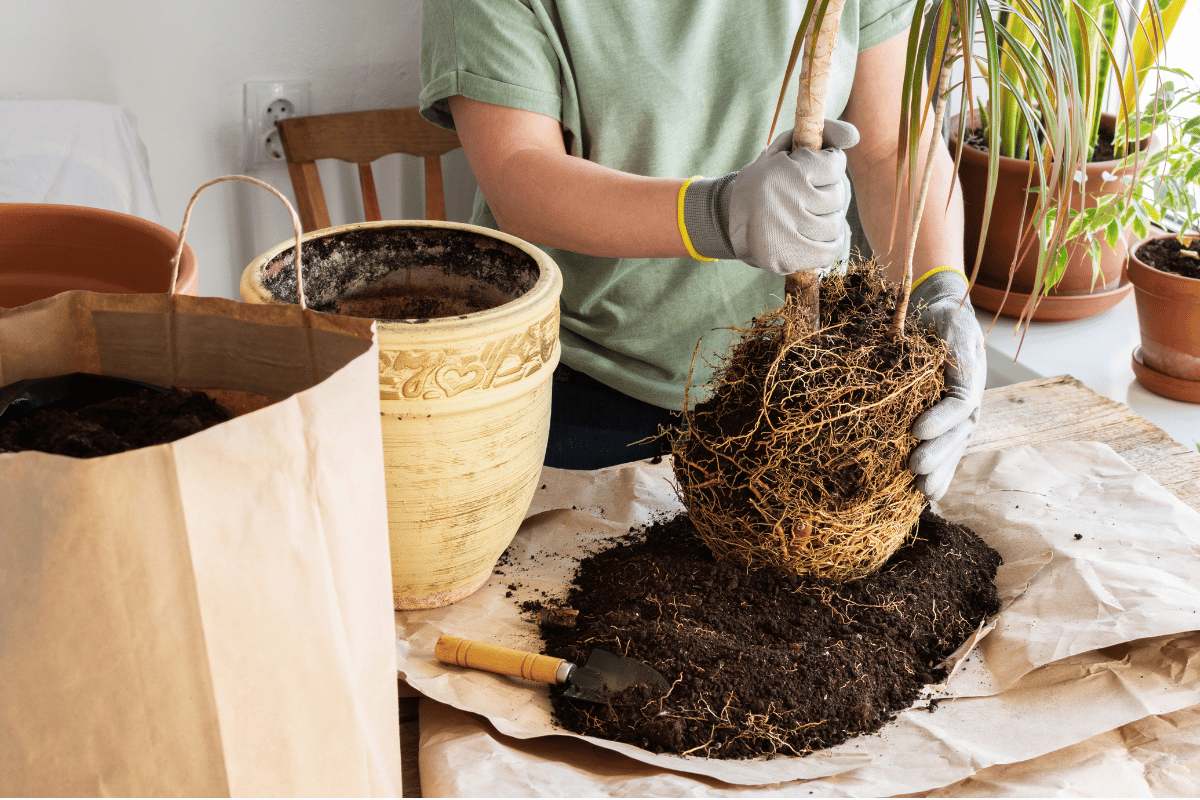
If you've ever prepared a pot for planting, chances are someone told you to "put a layer of gravel at the bottom for drainage." It sounds logical since gravel seems like it should help excess water escape. But modern research shows this popular gardening tip does more harm than good.
It’s a common misconception that adding gravel improves drainage, but in reality, it creates a soggy, oxygen-starved environment for roots, increasing the risk of root rot and stunted growth. It is time now to rethink this common practice and learn more effective ways to pot your plants.
Debunking the myth: Gravel does not improve drainage
For decades, gardeners have believed that adding gravel, stones, or broken pottery to the bottom of pots prevents root rot by allowing water to drain more efficiently. In reality, this practice can create the very problem it's supposed to prevent. Soil scientists explain it like this: water doesn’t flow from fine-textured material (like potting soil) into coarse material (like gravel) until the finer layer becomes fully saturated.
Here's why this happens:
- Soil acts like a sponge, meaning that it holds water until it is completely saturated
- Gravel creates a texture barrier, and water struggles to cross from fine soil to coarse rocks
- Roots drown in the soggy zone where oxygen-starved roots rot, stunting plant growth
This creates a "perched water table", a layer of waterlogged soil that traps moisture above the gravel. If a plant stays in this condition over time, it can suffer from poor aeration, stunted growth, and an increased risk of root rot. Plants in such conditions often develop yellowing leaves or limp stems. Studies comparing pots with and without gravel layers have shown that those with gravel retain 15–25% more moisture in the root zone, further stressing plant health.
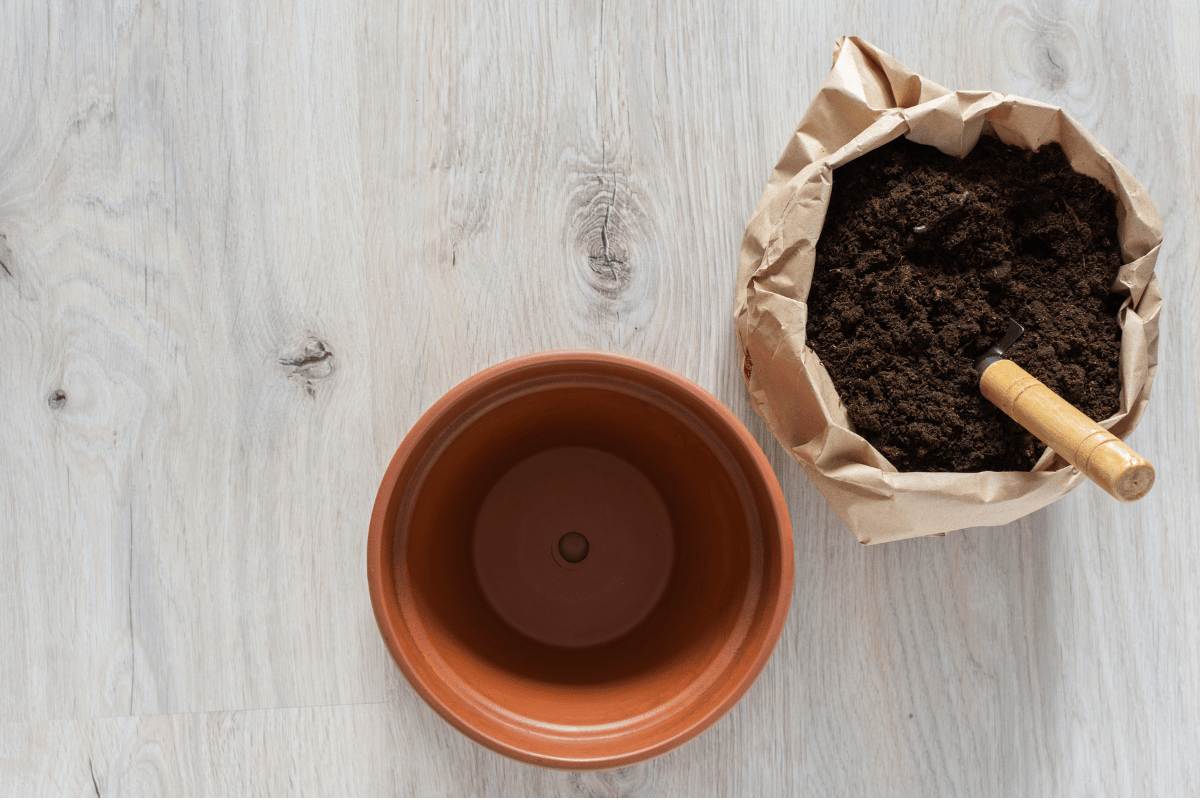
What to do Instead: 3 tips for healthier plants
1. Use quality potting mixes
You should look for soil blends made for container gardening. These mixes usually contain materials like perlite, coarse sand, vermiculite, or pine bark, which are ingredients that keep the entire pot well-aerated and fast-draining.
It is recommended that garden soil be avoided in pots. It's often too dense and holds more water than container plants need, especially in warm summer climates where quick drying is essential.
2. Ensure drainage holes are present and unobstructed
This is crucial. Drainage holes allow excess water to escape, preventing it from pooling at the bottom. If your container lacks them, drill some in before planting.
Worried about soil falling out? Place a coffee filter, a small piece of mesh, or landscape fabric over the holes. These keep the soil in but let water out freely, without interfering with drainage like gravel does.
3. Water wisely
Overwatering is one of the biggest risks to container plants. To check if your plant needs water, stick your finger a few centimeters into the soil. If it feels dry, it's time to water. If it's still moist, hold off. Water thoroughly, letting it drain out the bottom, and then let the plant rest until the topsoil dries out again.
But doesn't gravel make pots more stable?
It’s true that gravel can make containers heavier, which some gardeners use to prevent top-heavy plants from tipping over. But there are better options. Choose wide-based containers or heavier materials like ceramic, terracotta, or concrete if stability is a concern. That way, you don't sacrifice valuable root space for unnecessary ballast.
The bottom line
Putting gravel at the bottom of your pots may seem helpful, but it reduces root space and increases water retention where it's least wanted. For healthier plants, better yields, and fewer headaches:
- It is recommended to fill the whole pot with quality potting mix
- You should ensure pots have proper drainage holes
- It is best to avoid "drainage layers" and manage water with care
Gardening is full of tips passed down through generations, but not all of them stand the test of science. Choosing the proper practices can make all the difference as we move toward more innovative, more efficient growing, whether on balconies, in home gardens, or small urban farms.
References
- Gardening in Containers
- Investigation of drainage and plant growth from nursery container substrate
- Container Drainage (PDF) – wsu.edu
- Drainage Containers – UC ANR
You may also find interesting
- Transform Your Balcony into a Mediterranean Oasis: Best Summer Plants for Color & Fragrance
- How to Keep Your Balcony Plants Alive During Summer: Care Tips for Everyday Gardeners