By organic fertilisers we mean nutrition products that come from organic matter, such as manure, compost, seaweed extracts, or vermicompost. The terminology on the market is confusing, because the same word is used sometimes for the origin of the raw material and sometimes for the suitability of the product in certified organic farming. The European regulation on fertilising products and the rules of organic production bring order, and below we look at what they mean in practice.
What an organic fertiliser is
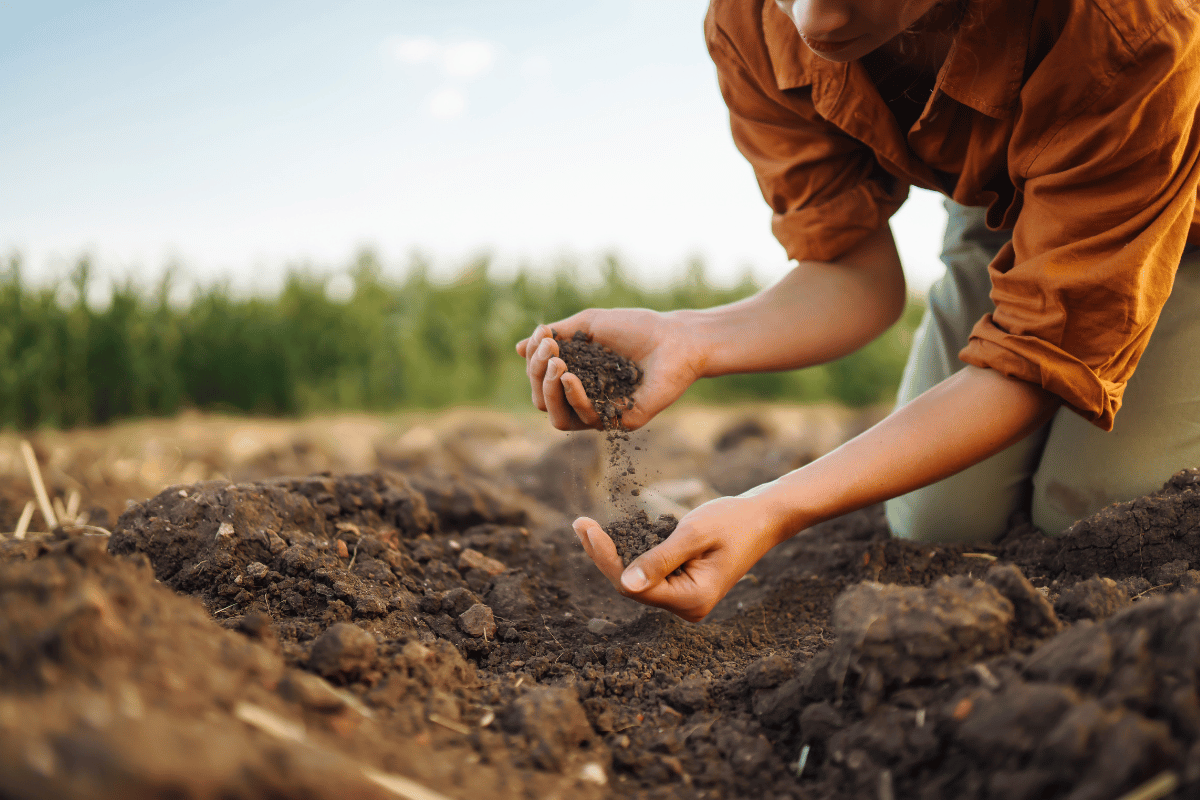
An organic fertiliser releases its nutrients gradually, as the organic matter is mineralised by the soil microorganisms. Compared with inorganic ones, it has a lower and more variable content of nitrogen, phosphorus, and potassium, but it feeds the biological life of the soil and builds up organic matter. The category includes composted manure, compost, vermicompost, bone meal, and seaweed extracts.
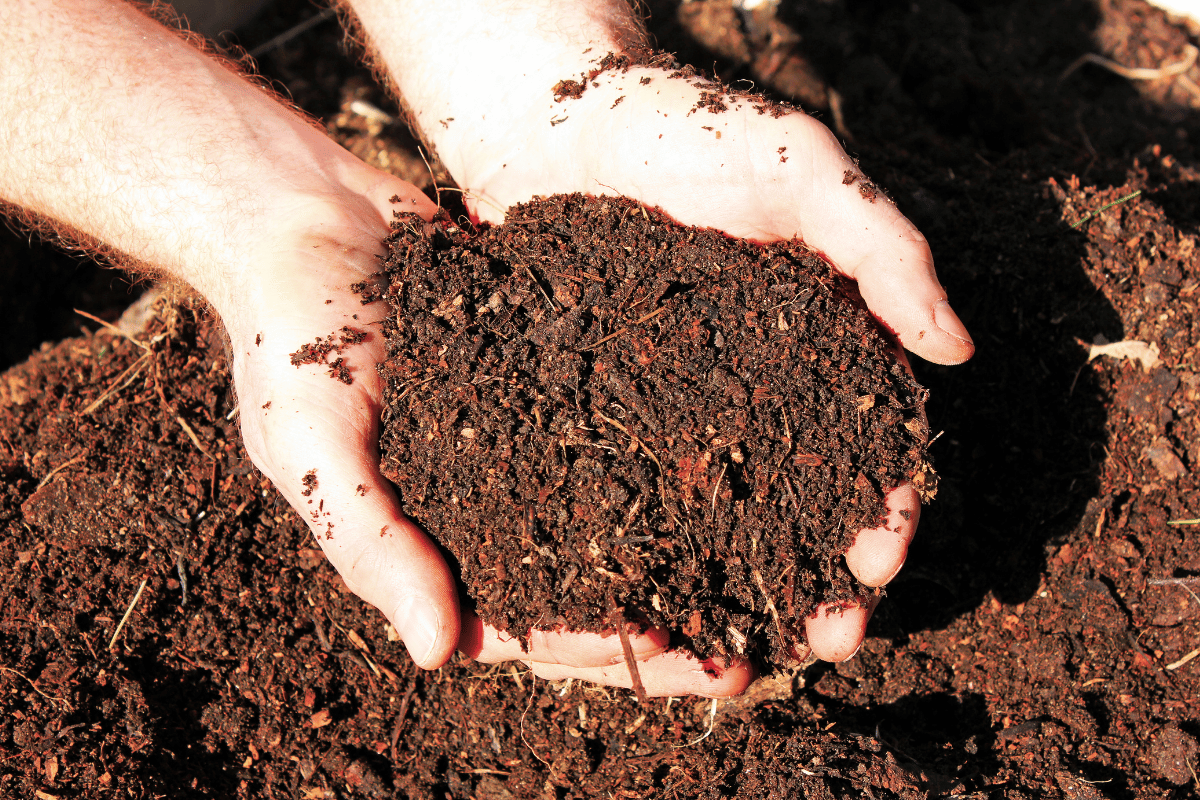
Composted manure and compost are basic organic fertilisers.
Regulation 2019/1009 and the CE mark
Since 16 July 2022, Regulation (EU) 2019/1009 has replaced the old Regulation 2003/2003 and set harmonised rules for fertilising products. Those that meet the requirements carry the CE mark and circulate freely across the EU. The regulation classifies products into seven product function categories, the PFCs, where the fertiliser, the soil improver, and the biostimulant are separate categories, and it defines eleven component material categories with strict limits on heavy metals, pathogens, and other contaminants. For the first time, organic fertilisers, soil improvers, and biostimulants are brought into a common European framework.
Organic does not mean approved for organic farming
This is where the most common misunderstanding lies. An organic fertiliser with a CE mark meets the requirements for composition and safety, but that does not automatically make it suitable for certified organic farming. To be used in organic farming, the product must be included in the list of authorised fertilisers and soil conditioners of Implementing Regulation 2021/1165, in line with Article 24 of Regulation (EU) 2018/848 on organic production. Only then may it bear a reference that it is approved for use in organic farming, with suitability certified by recognized control bodies.
How to read the label
| What to check | Why it matters |
|---|---|
| Product function category (PFC) | Shows whether it is a fertiliser, a soil improver, or a biostimulant |
| CE mark or national approval | Legal placing on the market and a safety and heavy-metal check |
| Organic matter and NPK content | Shows the real nutritional value and the raw material |
| Certification for organic farming | Applies only if listed under 2021/1165 and certified by a control body |
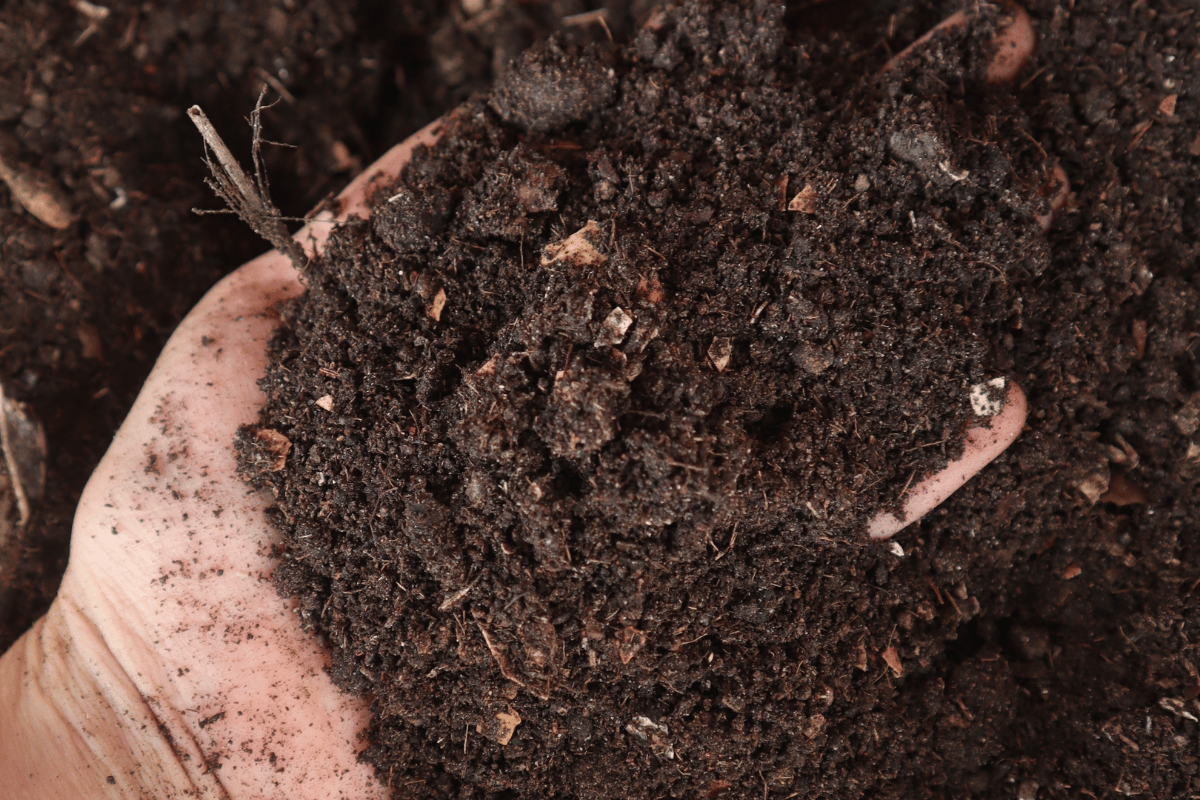
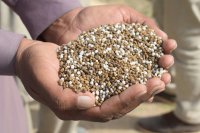
Vermicompost is among the organic fertilisers richest in microbial life.
The choice of an organic fertiliser is not decided by price alone but by the composition, the raw material, and the certification, together with a soil analysis that shows what the crop actually needs. How organic nutrition fits into a complete programme alongside the main nutrients is covered in our guide on choosing NPK fertilisers by crop.
Sources
- European Union, Regulation (EU) 2019/1009 on fertilising products, EUR-Lex.
- European Commission, Fertilising products.
- European Union, Regulation (EU) 2018/848 on organic production, EUR-Lex.
- European Union, Implementing Regulation (EU) 2021/1165, Annex II, EUR-Lex.