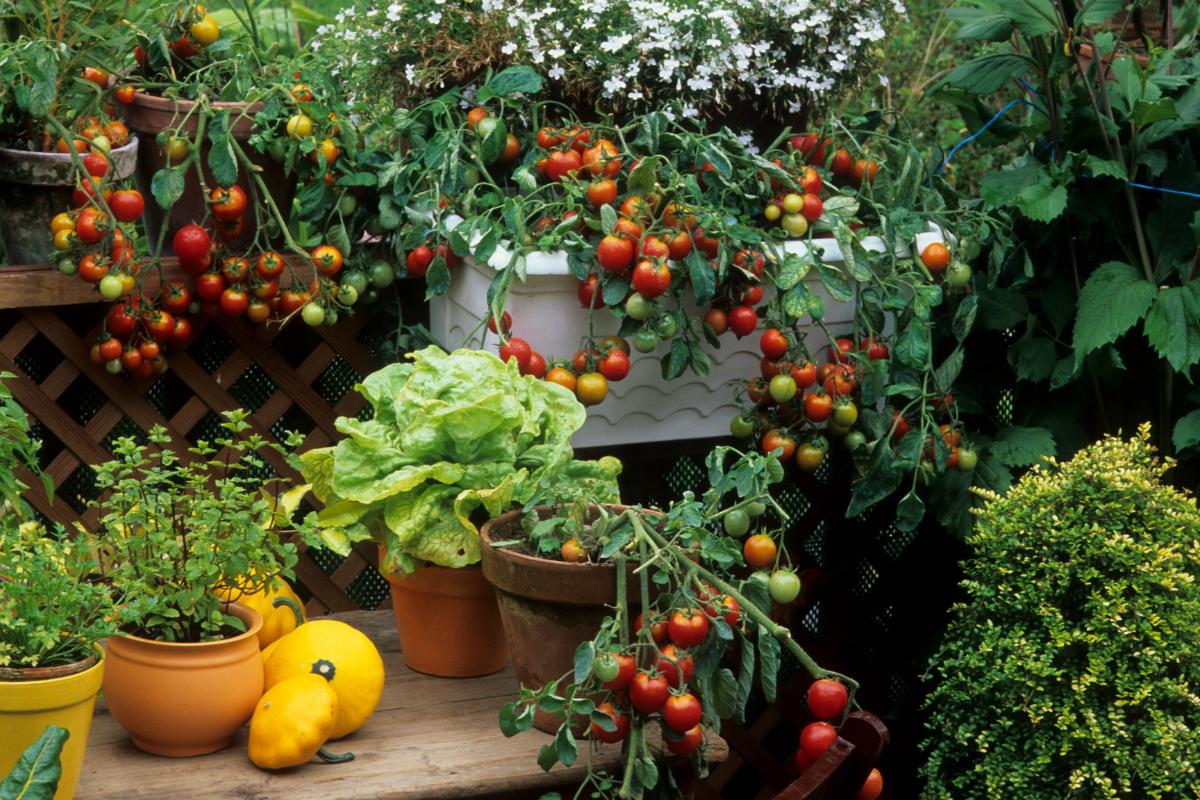
The summer season offers a wonderful selection of fresh fruits and vegetables, prompting many to desire fresh produce on their balconies. This season, why not turn your balcony into a vibrant, edible oasis? Whether you're new to gardening or an experienced plant enthusiast, growing your own food in pots is simpler than you might imagine. Even if summer has just begun, you can find seedlings at your local plant nursery to add to your balcony pots. We've selected a list of 10 beginner-friendly crops that flourish in small spaces, making them perfect for your gardening journey.
Start by understanding your balcony's conditions
Sunlight requirements
The majority of fruits and vegetables that thrive in the spring and summer require 6 to 8 hours of direct sunlight each day. It’s essential to assess the sunlight conditions of your balcony before choosing your plants. South-facing balconies are perfect for sun-loving varieties such as tomatoes and peppers. However, be cautious, as the intense afternoon sun on west-facing balconies can harm your plants if adequate shading measures are not implemented.
Space-Saving Solutions
If you're concerned about having a small patio, rest assured that you don't need a large balcony to grow your fruits and vegetables. Even tiny balconies can be quite productive. There are many clever space-saving solutions available. Consider using vertical planters by attaching pots to walls or railings for strawberries or climbing beans. Hanging baskets are also a great option for cherry tomatoes or herbs like thyme. Additionally, you can utilize rail-mounted containers to make the most of your balcony railings for shallow-rooted greens or flowers.
Choosing the right pots for your plants
For large fruiting vegetables such as tomatoes, peppers, eggplants, and cucumbers, it is best to use containers that hold at least 19 liters (five gallons). Smaller edible plants, like basil, can grow well in 11-liter containers. When it comes to root vegetables, pay special attention to container depth, as they need enough soil volume for healthy root growth.
Material selection also impacts plant performance and practical considerations. While ceramic and terracotta containers offer aesthetic appeal, plastic containers provide better moisture retention and are less likely to crack during freeze-thaw cycles. Plus, they are easier to move. In addition, consider self-watering containers as an advanced option that simplifies irrigation management, which is particularly important given that your plants may require daily watering during hot summer weather.
Find more tips on how to keep your plants alive during the hot summer days.
Pro Tip: Ensure containers have drainage holes, and add a layer of gravel at the bottom to prevent soggy roots.
Top 10 edible plants for balcony gardens for beginners
1. Cherry Tomatoes

Why grow them? These fruits are incredibly sweet, making them ideal for salads or enjoying fresh from the vine. They thrive in containers, so you can easily grow them even in limited spaces.
Care tips:
- Container: Use a 19-liter container (5-gallon) with drainage holes.
- Soil: Use rich, well-draining loam with a pH of 6.2–6.5.
- Water: Water deeply when the top 5–8 cm of soil is dry; avoid frequent light watering.
- Fertilizer: Start with compost or aged manure; after a month, feed with a fertilizer higher in phosphorus (like 10-20-10).
- Pruning: Pinch off the small shoots at leaf junctions to encourage fruit production and reduce tangling.
2. Bell Peppers
Why grow them? Add vibrant color to your balcony and crunch to your summer grill gatherings! They thrive in warm, sunny pots and produce well in containers.
Care tips:
- Container: Plant in 11–19-liter pots (3–5 gallons).
- Soil: Use sandy or loamy, well-drained soil with a pH of 6.0–6.8.
- Water: Deep watering 1–2 times per week; more often in hot weather.
- Support: Stake plants to keep fruit off the ground and prevent sun scald.
- Pests: Check for aphids and flea beetles; use organic controls if needed.
- Pruning: Remove lower leaves to improve airflow and reduce disease risk.
Fertilizer tip: Apply a 5-10-10 fertilizer every two weeks. Container-grown peppers require 40% more magnesium, so be sure to include Epsom salt sprays.
3. Cucumbers
Why grow them? It is a fast-growing, refreshing, and productive plant with compact bush varieties that are ideal for pots.
Care tips:
- Container: Use a 19-liter container (5-gallon) with drainage holes.
- Soil: Moist, well-draining soil.
- Water: Water regularly to keep soil consistently moist; mulch helps retain moisture.
- Pruning: Pinch out growing tips to encourage side shoots and more fruit.
Fertilizer tip: Feed weekly with a high-potash fertilizer (like tomato food) once flowering begins.
4. Eggplants
Why grow them? They are beautiful, glossy vegetables for grilling, roasting, and more. Also, they offer attractive foliage and flowers that add ornamental value.
Care tips:
- Container: Use a 19-liter container (5-gallon) with drainage holes.
- Soil: Well-drained, fertile soil enriched with organic matter.
- Water: Keep soil evenly moist (not soggy) throughout the growing season.
- Harvest: Pick when the skin is glossy and the fruit is plump.
Fertilizer tip: Use a tomato, vegetable, and herb fertilizer for best results
5. Zucchini
Why grow them? They produce abundant, quick-growing, delicious fruits ideal for summer dishes.
Care tips:
- Container: Use a 19-liter container (5-gallon) with drainage holes.
- Soil: Fertile, moisture-retentive soil.
- Water: Keep soil constantly moist; water at the base, not over foliage.
- Harvest: Pick when 10–12 cm long for the best flavor.
Fertilizer tip: Feed every 10–14 days with a high-potash liquid fertilizer once fruits start to swell.
6. Basil

Why grow it? Transform your pasta and pizza summer dinners with homegrown aroma. It grows quickly and thrives in pots.
Care tips:
- Container: Plant in a 4-liter pot (1-gallon) and pinch off flower buds.
- Soil: Well-drained, fertile soil; mulch helps retain moisture.
- Water: Water regularly, especially in containers; avoid letting soil dry out completely.
- Pruning: Pinch off flower buds to prolong leaf production.
Fertilizer tip: Cuttings grow 70% faster than seeds. Use a balanced liquid fertilizer to encourage leafy growth; avoid high-potassium feeds.
Extra tip: The best basil variety for making classic pesto is Genovese basil (also known as sweet basil). Genovese basil has large, tender, aromatic leaves with a sweet and slightly spicy flavor.
7. Melon (Cantaloupe/Muskmelon)
Why grow them? One of the sweetest, fragrant fruits for summer treats. Compact varieties can be grown in large pots with support.
Care tips:
- Container: Use a 25-liter container with drainage holes.
- Soil: Sandy, well-drained soil with a pH of 6.0–6.8.
- Water: Deep, consistent watering, especially during fruit setting.
- Support: Provide a trellis for climbing varieties.
Fertilizer tip: Use balanced fertilizer; side-dress with high-potassium feed during fruiting.
8. Watermelon
Why grow them? Mini or bush varieties are perfect for containers and provide a refreshing touch on hot days.
Care tips:
- Container: Use a 25-liter container with drainage holes.
- Soil: Sandy, well-drained soil, pH 6.0–6.8.
- Water: Deep, regular watering; keep soil moist but not soggy.
- Pruning: Prune vines to focus energy on fewer, larger fruits.
Fertilizer tip: Start with balanced fertilizer, then switch to high-potassium during fruiting.
9. Spearmint

Why grow it? Harvest its refreshing leaves for drinks and desserts right from your balcony. It is a vigorous and easy plant to grow—best kept in pots to contain its spread.
Care tips:
- Container: Use a 6 to 8-liter pot with drainage holes.
- Soil: Moist, well-draining soil.
- Water: Water when the top inch of soil dries out; pots dry out faster, so check often.
10. Rosemary
Why grow it? This aromatic and tasty herb is perfect for cooking. Once established, it is resilient and can withstand dry conditions.
Care tips:
- Container: Use a 6 to 8-liter pot with drainage holes.
- Soil: Sandy or loamy, well-drained soil; slightly acidic to neutral pH.
- Water: Allow the top few inches of soil to dry out before watering; avoid overwatering.
- Air Circulation: Make sure that your plant gets good airflow to prevent fungal issues.
Fertilizer tip: Not a heavy feeder—mix compost into soil at planting, then use a balanced liquid fertilizer as needed.
Extra Tips
Soil Mix
When it comes to container gardening, it's essential to avoid using traditional garden soil, as it tends to be too heavy and can hinder plant growth. Instead, opt for a high-quality potting mix that includes ingredients like perlite or compost, which are known for enhancing drainage and aeration. Additionally, to ensure that your plants thrive, make it a practice to refresh the soil annually. This will help maintain a balanced nutrient profile, promoting healthier and more vibrant plants throughout the growing season.
Troubleshooting Common Issues
Natural solutions for pests: To manage aphids, spray them with a mixture of water and dish soap or apply neem oil. Choose organic pesticides to ensure your harvest remains safe for consumption. Planting marigolds alongside your crops can help keep pests away.
Wind Protection: If you find that your balcony experiences strong winds, consider utilizing bamboo screens as a protective barrier. Additionally, grouping your potted plants together can create a natural shield, helping to safeguard them from the harsh elements.
Are you noticing that the leaves of your plant are turning a concerning shade of yellow? One of the most prevalent causes of this issue is overwatering. To remedy this, it’s essential to allow the soil to dry out adequately between waterings. Additionally, ensure that your pots are equipped with proper drainage holes to prevent excess water from accumulating, which can lead to root rot.
Final Tips for Success
- Begin with a few plants: Choose 3 to 4 varieties for your first year.
- Select your favorites: Grow the plants you enjoy eating the most.
By following these tips, you can turn your balcony into a vibrant, edible paradise.
Final Thoughts
You don’t need a backyard to savor fresh flavors. With the right plants and a little care, your balcony can transform into a lively edible garden. Imagine snacking on sun-ripened strawberries or adding fresh basil to your meals. The pleasure of growing your own food is just a container away.
Further reading for small space gardening:
How to Grow Strawberries in Your Garden or Balcony
How to Grow Celery in a Pot in your Garden
Basil in pots - Basil in the garden – Everything you need to know
Sources
Container Vegetable Gardening Four Keys to Success – Penn State Extension
Growing Vegetables Containers — University of Maryland ExtensionGrowing Plants in Containers – RHS
Growing Fruit in Containers – Michigan State University Extension
Growing Vegetables Containers – Wisc
Container Gardens – Colostate Extension
Over Garden Fence – University of Illinois Extension
Flowers Fruits and Frass – University of Illinois Extension