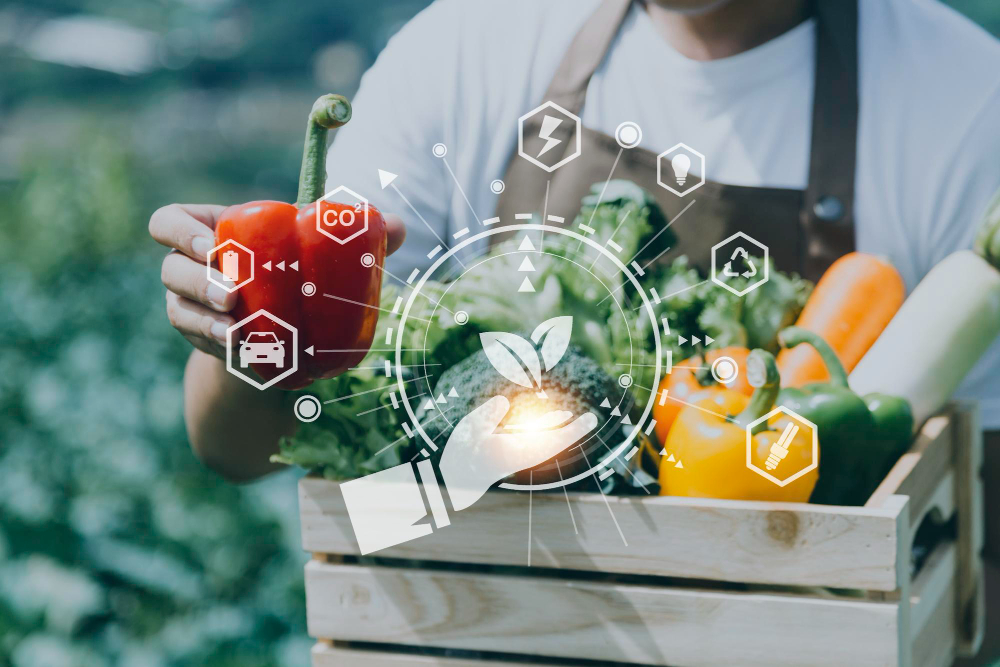
Food security is a growing global concern. In 2022, over 735 million people faced chronic hunger, with around 2.4 billion lacking regular access to adequate food. As climate change, population growth, and shifting geopolitical landscapes place added pressure on food systems, meeting these challenges requires innovation on the ground and in how we manage data.
The United Nations' Sustainable Development Goal 2 (Zero Hunger) aims to end hunger and promote sustainable agriculture by 2030. However, projections suggest that 600 million people may still be undernourished by the end of the decade. Achieving this goal depends on our ability to make better, more informed decisions. Agriculture is changing, and data plays a central role in this transition.
What Agriculture Needs from Data
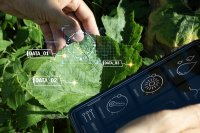
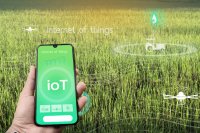
Farming today is increasingly guided by data. Whether through satellite imagery, soil sensors, drones, or automated equipment, technology is generating more information than ever. In theory, this wealth of data can help farmers make smarter decisions: when to irrigate, which inputs to apply, where to plant, and how to respond to emerging threats.
In practice, however, much of this data remains scattered. Different devices and systems produce incompatible formats. Metadata, if present at all, is inconsistent. Raw datasets are rarely ready for machine learning or AI applications without significant pre-processing. This data fragmentation limits the value of the data and slows down innovation.
Precision Farming Needs Precision Data
Initiatives around precision agriculture aim to make farming more efficient and environmentally responsible. By tailoring interventions to specific needs rather than using blanket approaches, farmers can save resources and boost productivity. But data must be discoverable, interoperable, and ready for intelligent use to realize these benefits at scale.
Farmers need access not only to local field data but also to contextual information, such as historical climate trends, crop suitability zones, and market forecasts. Integrating this kind of information requires shared standards and tools that can translate raw data into actionable knowledge. Without a shared metadata framework, these opportunities remain out of reach.
What STELAR Brings to the Table
STELAR is a Horizon Europe-funded project working to improve the description, linking, and sharing of agrifood data. It focuses on turning disconnected datasets into AI-ready knowledge through better metadata, workflows, and discovery systems.
At its core is the development of a Knowledge Lake Management System (KLMS) - a platform for publishing and accessing metadata about agrifood datasets and for connecting these datasets to AI and ML tools. The KLMS is designed to manage and enrich metadata at scale, making tracking data provenance easier, ensuring quality, and supporting downstream use in intelligent applications. STELAR's work goes beyond the technical: it addresses the cultural and institutional barriers to data sharing by promoting interoperability and transparency.
Metadata is not just a technical detail—it is foundational to the entire AI pipeline. Without high-quality, consistent metadata, datasets cannot be reliably interpreted, integrated, or reused. STELAR's platform ensures that metadata follows FAIR principles (Findable, Accessible, Interoperable, Reusable), helping researchers, farmers, and policymakers better understand and use the data they rely on.
From Theory to Practice: Food Safety as a Pilot Case
In addition to developing the infrastructure, STELAR runs several pilots, including one focused on food safety. The project explores how structured metadata and harmonized data pipelines can support faster, more accurate responses to food risks.
The food safety pilot demonstrates how diverse data sources, such as inspection reports, laboratory results, and supply chain information, can be brought together to support traceability and early warning systems.
By using AI to extract relevant patterns from this data, potential risks can be identified before they escalate, enabling quicker interventions and protecting both consumers and producers. This not only improves food safety but also strengthens the foundations of food security, ensuring that food is not just available but also safe and traceable.
Better Data Systems for Food Security and the Sustainable Development Goals
Data contributes to food security in multiple ways:
- It supports yield predictions that help manage supply and reduce waste.
- It helps design crop suitability maps that guide land use decisions.
- It enables traceability and safety checks across supply chains.
- It allows governments and producers to anticipate and respond to disruptions.
These insights matter, especially in regions vulnerable to climate extremes, economic shocks, or geopolitical disruption. And they depend on reliable, structured data.
STELAR enables more efficient and equitable agricultural systems by focusing on data discoverability, standardization, and intelligent linkage. Its efforts build resilience in the agrifood sector and ensure that data, once fragmented and underused, can now inform meaningful, science-based action.
Conclusion
Agriculture already produces a vast amount of data. The challenge is making that data usable. By addressing the technical and semantic hurdles that prevent data from being shared and analyzed effectively, STELAR is helping to lay the groundwork for smarter agricultural systems.
References
- United Nations Sustainable Development Goals – Zero Hunger: Goal 2: Zero Hunger — UN Sustainable Development Goals
- UN SDG Topic: Food Security and Sustainable Agriculture: Food Security and Nutrition and Sustainable Agriculture
- European Parliament Briefing on Food Security (2024): EPRS Briefing 762372 — European Parliament Think Tank
Further reading
Data Annotation in Agriculture: Ensuring Usability for Machine Learning
Agrivoltaics: Harnessing Solar Energy for Sustainable Agriculture and Climate Resilience
When Your Hydroponic Farm Talks Back: AI Tools That Actually Help
How FAIR Principles Are Revolutionizing Agrifood Data Management
How Biopesticides & AI Are Revolutionizing Crop Protection
AI-Ready Agriculture: How Knowledge Data Lakes Transform Farming with Smart Insights
Decision Support Systems in Crop & Weed Management: Benefits for Farmers
Internet of Things (IoT) Solutions for Boosting Efficiency and Sustainability in Agriculture
Agri-data Management: Who Can Benefit from Accessible Agri-data?