Syria's agriculture has changed profoundly over the past decade and a half. A country once recognised as a regional breadbasket, self-sufficient in several strategic crops and exporting modest surpluses, now faces sustained pressure on its food system. Wheat and barley hold national attention and dominate policy discussions, but a quieter vulnerability lies in livestock feed and edible oils, where the country depends heavily on imported soybean products.
Localising soybean cultivation is no longer a peripheral technical option. It is a practical route to stronger food security, a supported poultry industry, better soil fertility through biological nitrogen fixation, and diversified farm income during recovery and the years that follow.
Where production stands now
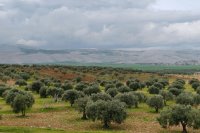
Syrian soybean production is very modest, with annual output in the range of a few thousand tonnes from roughly two thousand hectares. Production is concentrated in the northeast, particularly in Al-Hasakah, Ar-Raqqah, and parts of Aleppo governorate, which together account for the vast majority of what is grown. Elsewhere, cultivation is sporadic and often experimental.
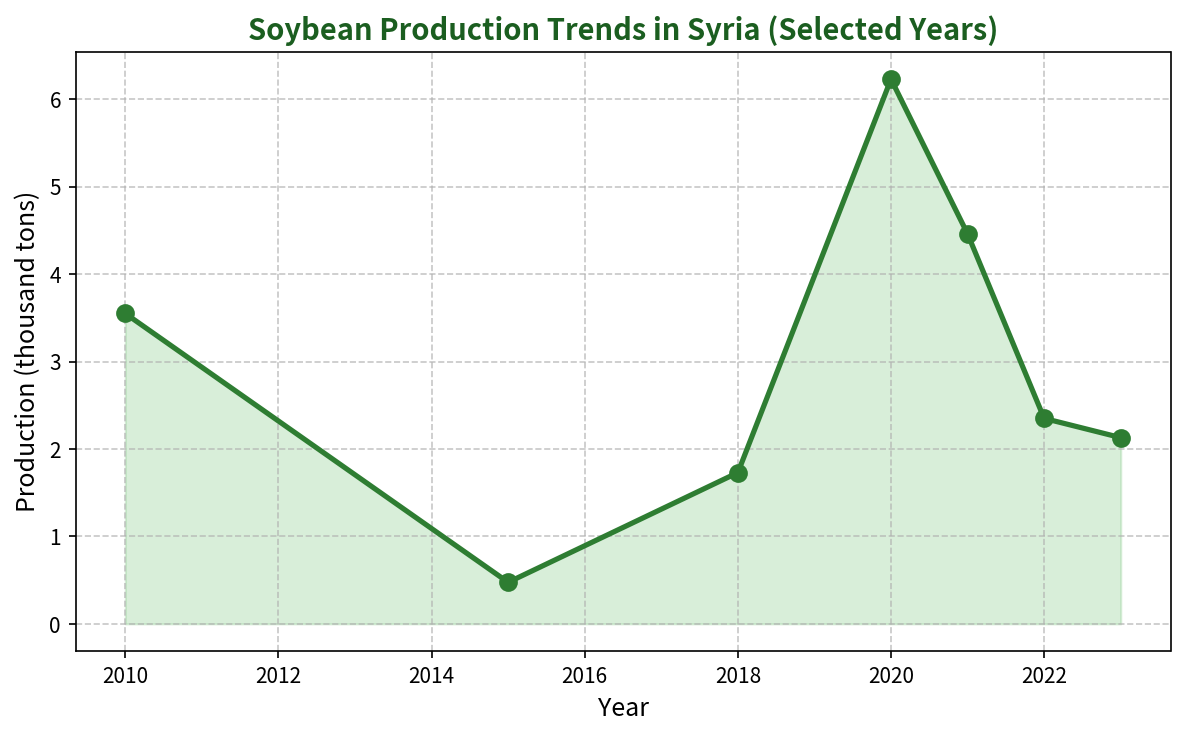
Soybean production in Syria across selected years. SOURCE TO BE CONFIRMED BY AUTHOR
Demand, meanwhile, is substantial. The poultry industry and other livestock systems need high-protein feed, and edible oil requirements add to the import bill. A USDA assessment published in early 2026 put imported animal feed, including soybean meal, barley and maize, at between 50% and 70% of national requirements. The structural pattern is unmistakable and exposes the economy to international price volatility, exchange-rate pressures, and occasional supply disruptions, all of which become costly during reconstruction.
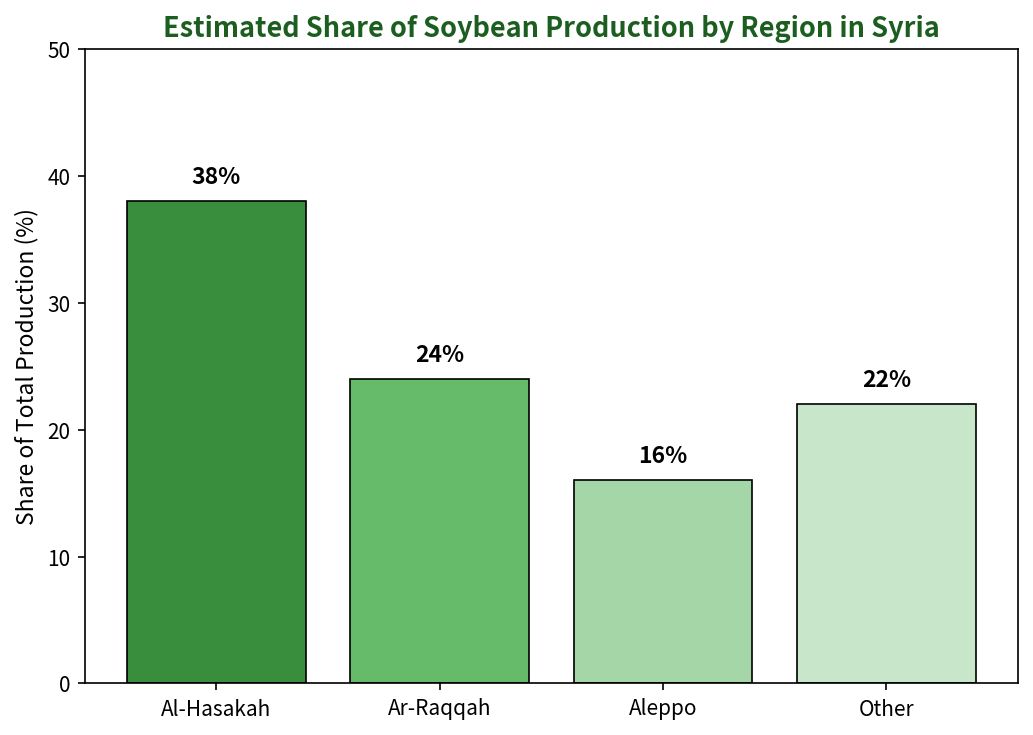
Estimated share of soybean production by region. SOURCE TO BE CONFIRMED BY AUTHOR
Soybean was introduced to Syrian agriculture several decades ago, and research stations once evaluated adapted lines for yield, oil content and maturity. Production never scaled beyond limited commercial or experimental plantings, and the conflict years and subsequent economic difficulties further constrained the crop. The gap between potential and reality remains wide, which is both the problem and the opportunity.
What localisation would deliver
Food and feed security. Soybeans are unusual among field crops in delivering both high-protein meal for animal feed and oil for human consumption. Expanding local production would directly reduce the hard currency needed to supply poultry farms and meet cooking-oil demand. With a large share of the population still food insecure and feed prices sharply higher in recent seasons, even moderate gains in domestic output translate into real relief for producers, processors and consumers.
Soil health. As a legume, soybean forms a symbiosis with nitrogen-fixing Rhizobium bacteria. Properly inoculated, the plant meets a substantial part of its own nitrogen requirement and leaves residual nitrogen for the following cereal. That matters most in systems that have suffered reduced fertiliser availability, high input prices and nutrient depletion. Bringing soybeans into rotation with wheat, barley, or other summer crops improves fertility, reduces dependence on synthetic nitrogen, and supports land productivity over time.
Farm income and risk spreading. Field observations from areas where soybean has been tested or reintroduced, including parts of the Idlib countryside, rural Hama and the northeast, indicate attractive returns where water supply and agronomy are adequate, with yields of two to four tonnes per hectare achievable under favourable conditions. Because the crop fits summer or late-spring planting windows after winter cereals come off, it offers a second income without displacing the main food-grain harvest. For small- and medium-scale farmers, that is a practical buffer against climate variability, price swings, and the uncertainties of recovery.
Where and when soybeans can be grown
Several Syrian agro-climatic zones suit the crop. The northeast plains, combining residual soil moisture with irrigation access in many locations, have already demonstrated capacity. Central and western irrigated areas can support it either as a summer planting after winter cereals or as a main irrigated crop under careful water management.
The planting window runs from late April through early June, depending on location, variety, maturity group and residual soil moisture, with harvest completed before cooler autumn weather arrives.
Earlier Syrian research identified mutant and selected lines with promising combinations of yield, oil content and maturity under local conditions. Building on that genetic material and introducing well-adapted varieties from regional partners would accelerate progress. Early-maturing cultivars are particularly useful where the season is constrained by temperature or limited water. Planting density, row spacing and timely weed control then decide much of the commercial outcome.
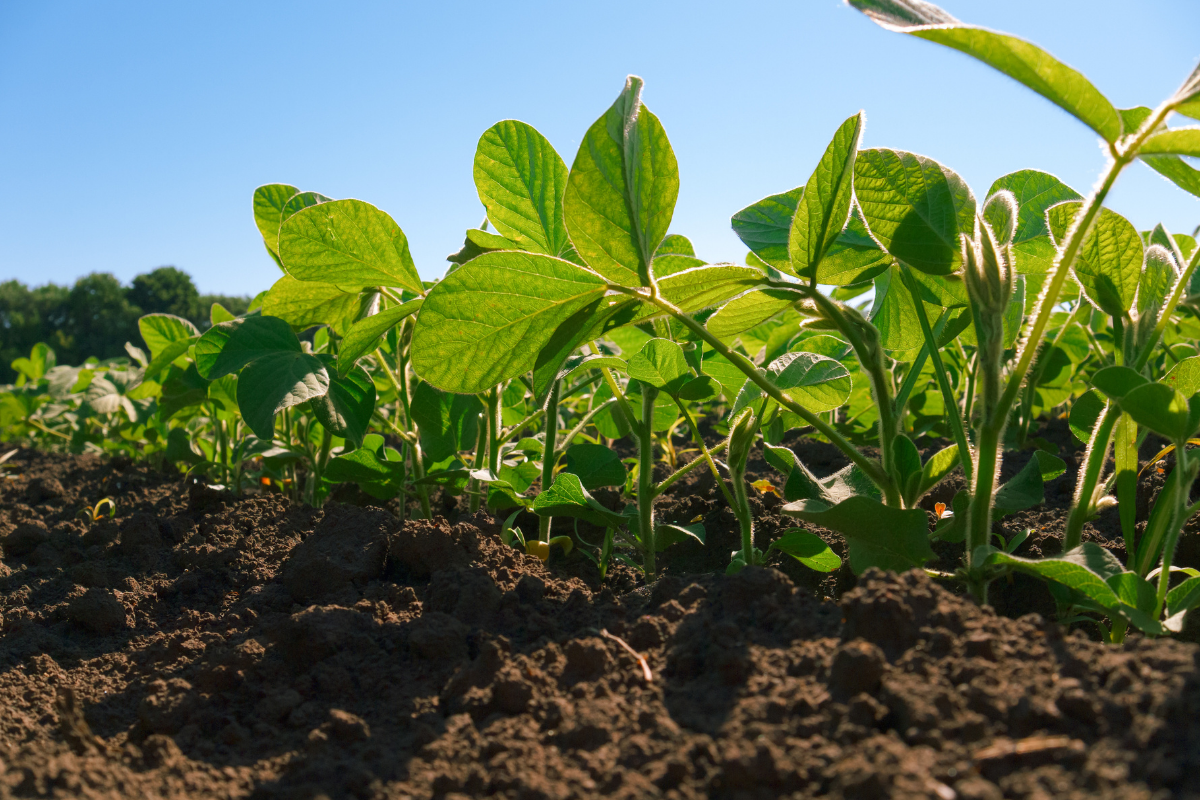
Planting runs from late April through early June, depending on location, maturity group and residual soil moisture.
The obstacles
Localisation will not succeed on enthusiasm. Five constraints need deliberate attention.
Seed systems and inoculants: reliable supplies of quality seed of adapted varieties remain limited, and so does consistent availability of effective Rhizobium inoculant, without which the nitrogen fixation benefit is not realised in the field.
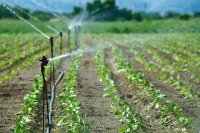
Water management: soybeans are less water-demanding than some competing summer crops, but still require timely irrigation during flowering and pod filling. Any expansion must therefore be tied to irrigation efficiency and to sites with reliable water.
Knowledge and extension: Many farmers have little recent experience with the crop. Structured training on inoculation, planting density, integrated weed management, harvest timing and post-harvest handling is what moves yields and quality to commercial standards.
Markets and processing: without reliable buyers and accessible crushing capacity, farmers carry the price and marketing risk alone. Here, there may be an opening. The same USDA assessment notes that Syrian firms may reopen factories and crushing facilities previously closed or abandoned, suggesting that part of the infrastructure exists and needs restarting rather than being built from scratch.
Policy signals: clear and consistent signals, such as temporary purchase guarantees in the early expansion years, targeted support for quality seed and inoculant, and dedicated research funding, would lower the risk for pioneering farmers and draw private investment along the chain.
A realistic path
Progress can be organised around four pillars.
Revive and expand the national research and seed-multiplication effort for soybean, re-evaluating the existing promising lines under present climatic and management conditions while introducing new material through controlled trials.
Establish well-managed demonstration plots and farmer field schools in priority governorates, so that practical knowledge spreads among producers rather than remaining within institutions.
Support local processing, beginning with simple crushing units serving producer clusters and supplying the poultry and edible-oil markets, and looking first at facilities that already exist and could be brought back into use.
Integrate soybean deliberately into the broader recovery, resilience, and climate-smart programmes that already address irrigation rehabilitation, soil health, and rural livelihoods.
Over five to ten years, a measured and water-conscious expansion guided by agro-climatic suitability, available irrigation and market demand could move the country from near-total import dependence towards a meaningful domestic contribution. Covering even 20% to 30% of current soybean meal requirements would represent substantial foreign-exchange savings and a visibly stronger feed-to-food chain. Success will depend less on any single dramatic intervention than on steady, coordinated progress across research, extension, processing and policy.
Localising soybeans is not a complete answer to Syria's food-system problems. It is among the most logical and highest-impact steps available, because the crop fits existing agro-climatic windows, delivers two products the country currently imports in volume, and offers productive diversification during recovery. The window is open while reconstruction and agricultural revitalisation plans take shape. Acting on it with determination, realism, and attention to water constraints would yield lasting benefits for Syrian agriculture and the households that depend on it.