
Sorrel is a hardy perennial leafy green grown for its sharp, lemony leaves, one of the first crops to appear in spring and among the easiest edibles to keep going year after year. A single clump gives you tangy leaves for soups, sauces and salads from early spring until autumn. This guide covers how to grow and harvest sorrel, which type to choose, and how to keep the leaves tender, along with a note on the oxalic acid that gives sorrel its bite.
Before planting, it is worth clearing up the name, because three quite different plants are all called sorrel and only one of them is this leafy green.
What is sorrel
Sorrel is a leafy green in the genus Rumex, part of the dock family, grown as a culinary herb for its sour, citrus-like leaves. The sourness comes from oxalic acid, the same compound found in spinach and rhubarb. Sorrel is a taste-name as much as a botanical one, so it helps to know what it is not.
The tropical "sorrel drink" of the Caribbean is made from roselle (Hibiscus sabdariffa), an unrelated hibiscus grown for its red calyces, not for leaves. Wood sorrel is a completely separate plant, an Oxalis, a low ornamental groundcover with clover-like leaves that shares only the sour taste and the name. This guide is about the true leafy-green sorrel, Rumex, that you grow to eat.
Types of sorrel
A few types are worth knowing, since they differ in leaf shape, sharpness and how much oxalic acid they carry.
Common or garden sorrel (Rumex acetosa): the classic sorrel, with large, arrow-shaped leaves and a strong, sharp flavour. It is vigorous, productive and hardy.
French sorrel (Rumex scutatus): sometimes called buckler-leaved sorrel, with smaller, rounded, shield-shaped leaves and a milder, less acidic taste that many cooks prefer.
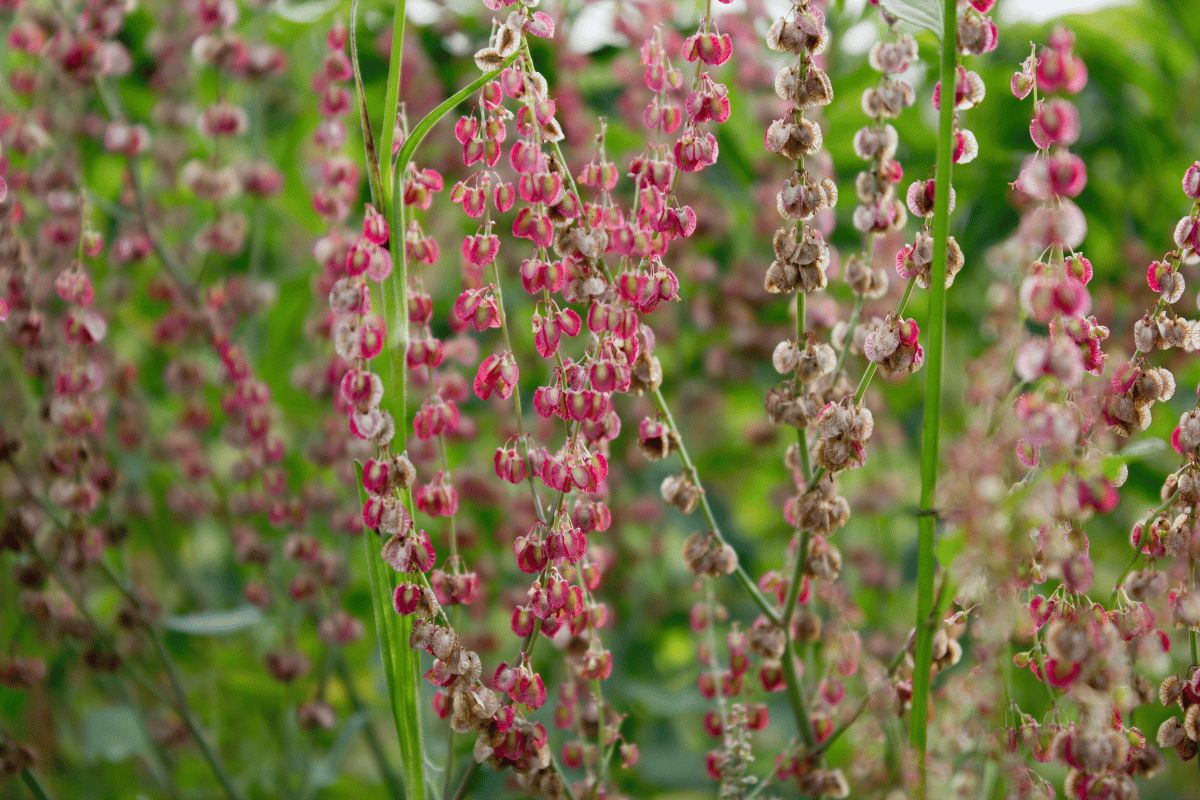
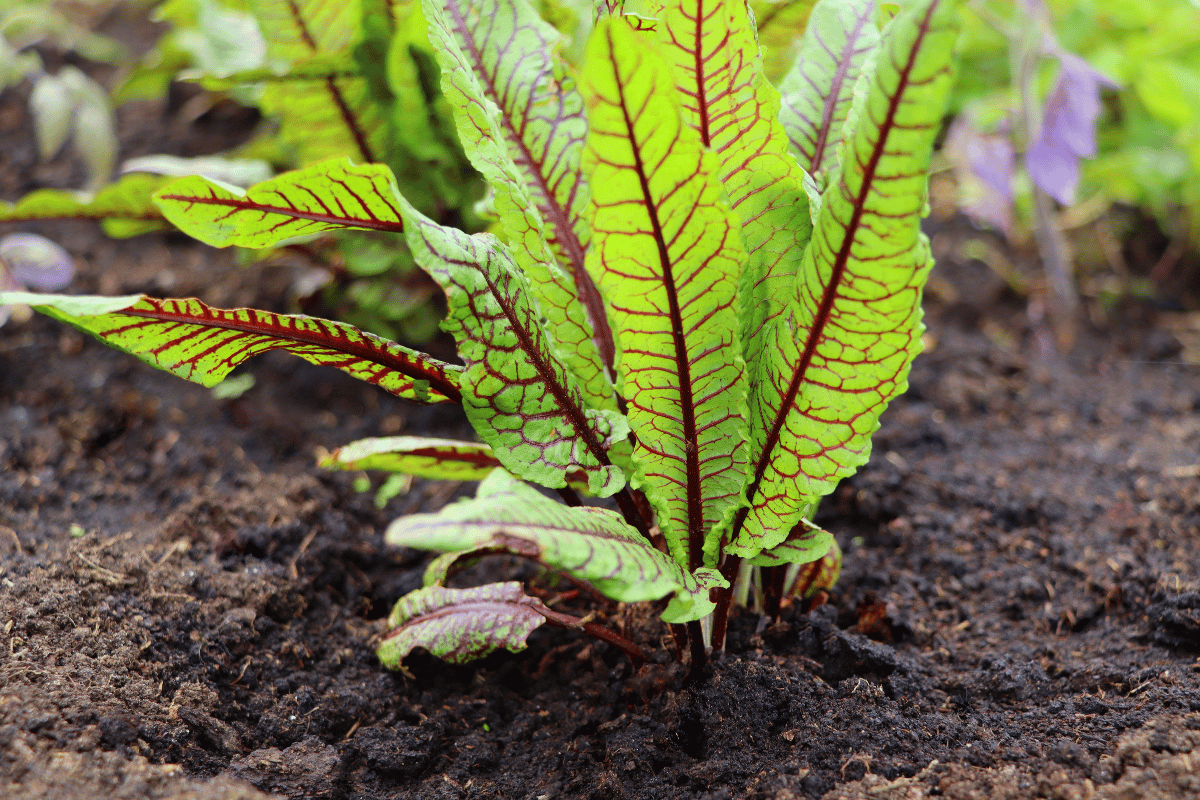
Red-veined sorrel (Rumex sanguineus): grown mainly as an ornamental for its striking red-veined leaves, edible only when very young since older leaves are tough.
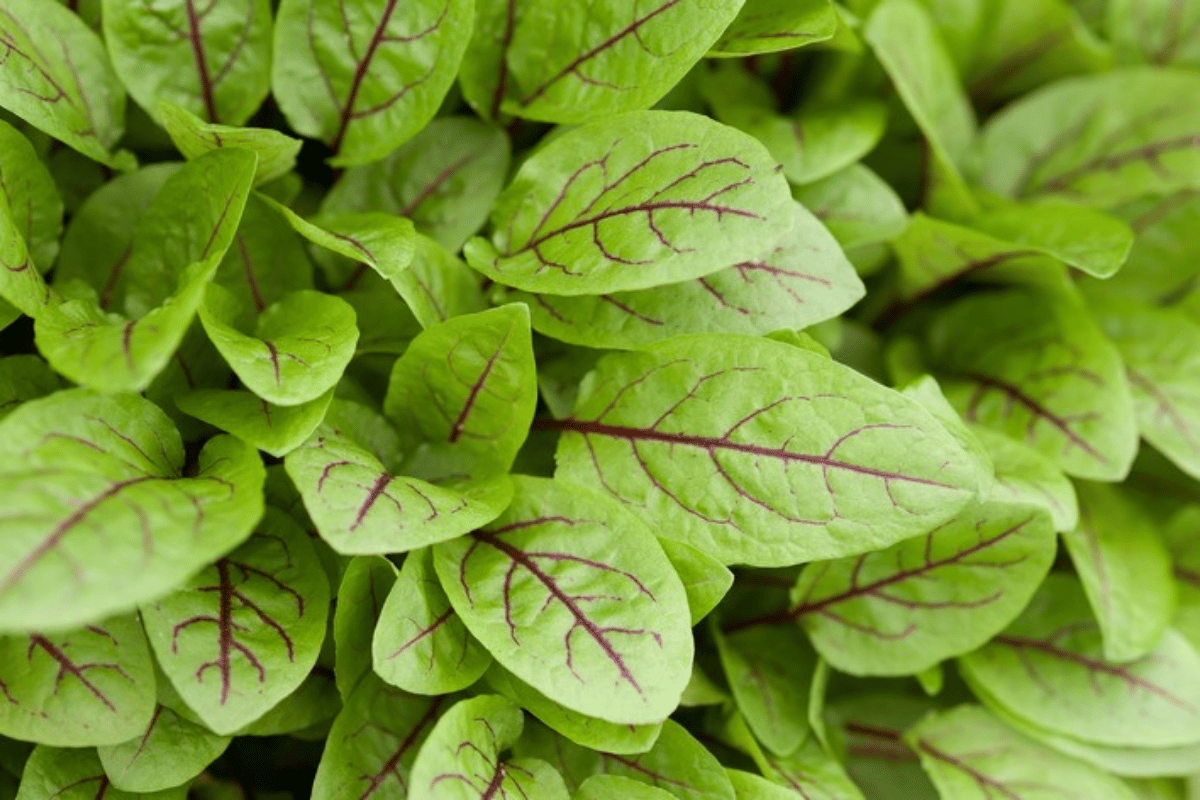
Common and French sorrel are the two to grow for the kitchen, as both have lower oxalic acid than wild types such as sheep sorrel. Look out for non-flowering cultivars such as 'Profusion', which put all their energy into leaves rather than running to seed.
Where and when to plant sorrel
Sorrel grows best in full sun but tolerates part shade, which is actually useful in hot climates because a little shade keeps the leaves tender and slows the plant running to flower. It is a hardy perennial in most temperate gardens and does well in moist, fertile, well-drained soil. Plant in spring or autumn, and once established a clump will crop for several years.
You can grow sorrel from seed or from division. Sow seed in spring about 1 cm deep, then thin the seedlings to around 20 to 30 cm apart once they are large enough to handle. Alternatively, lift and split an existing clump in spring or autumn and replant the divisions, which is the quickest way to a productive plant.
Watering, feeding and keeping the leaves tender
Keep the soil evenly moist, since sorrel that dries out turns tough and bitter and is quicker to bolt. A mulch around the plants helps hold moisture, and an occasional feed keeps the leaves coming, though sorrel is not a hungry plant.
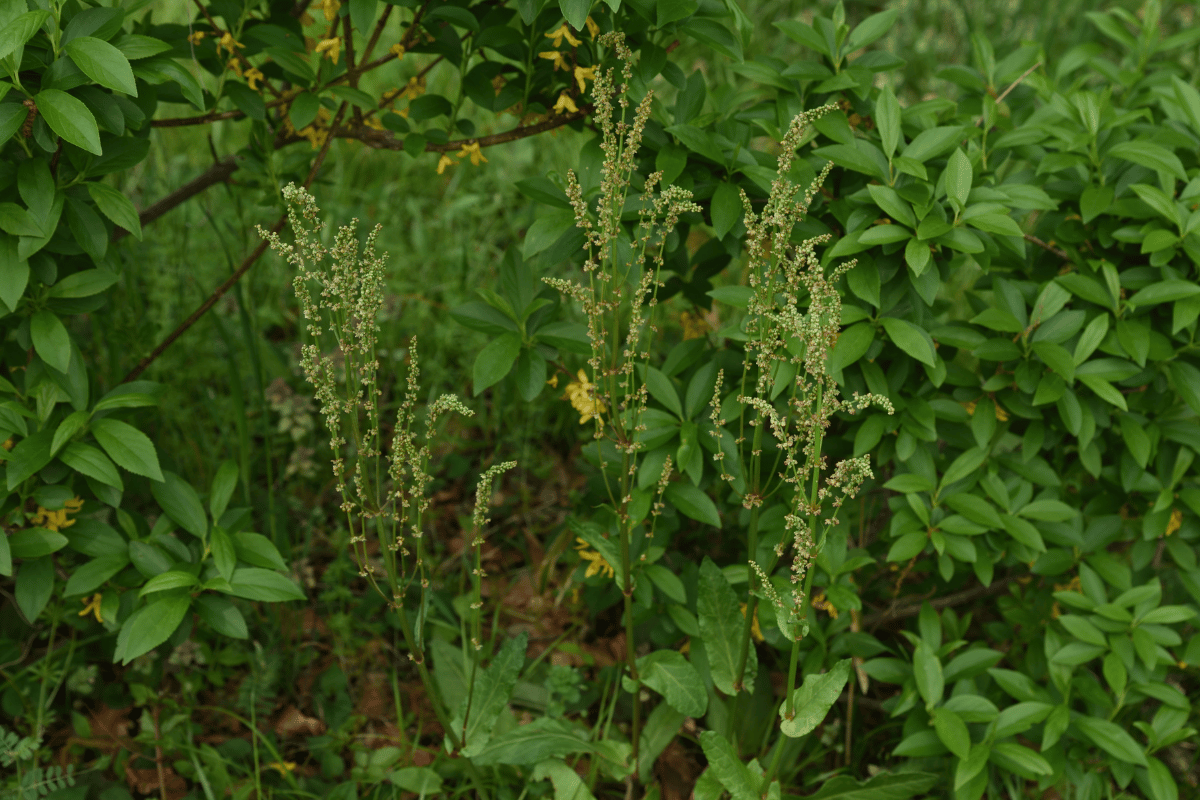
In warm weather and long days sorrel tends to bolt, sending up a tall flower stalk, after which leaf production slows and the leaves toughen. Cutting off the flower stalks as soon as they appear keeps the plant producing tender new leaves for much longer. Removing the flowers also stops the plant self-seeding around the garden.
How to harvest sorrel
Sorrel is a cut-and-come-again crop, so pick the outer leaves regularly and the plant keeps producing from the centre. Young leaves are the best, tender and at their most flavourful, while older leaves become more mellow but tougher. Start harvesting once the plant is established and well-leafed, and harvest little and often through the season rather than stripping the plant.
Using sorrel in the kitchen
Sorrel has a bright, lemony, sour flavour that works where you want a citrus note. It is the classic base for sorrel soup, pairs well with fish, eggs and creamy sauces, and adds a sharp lift to salads when the leaves are young. The leaves collapse quickly when cooked and turn a drab olive colour, so add them at the last minute.
Because sorrel contains oxalic acid, it is best enjoyed in moderation rather than eaten in large quantities, much like spinach and rhubarb. Cooking reduces the effect, and normal culinary amounts are fine for most people, but anyone prone to kidney stones or gout may prefer to go easy on it.
Is sorrel a perennial
Sorrel is a hardy perennial that dies back over winter and regrows from the roots each spring, among the earliest greens to appear. Left alone, a clump gradually loses vigour and the centre becomes woody, so lifting and dividing it every three or four years in spring keeps it productive and gives you extra plants. In milder areas some cultivars crop almost year-round.
Frequently asked questions
What does sorrel taste like? Bright, sour and lemony, a bit like lemon zest, thanks to the oxalic acid in the leaves. Young leaves are the sharpest and most tender.
Is sorrel a perennial? Yes. It is a hardy perennial that returns each spring from the roots and crops for several years, especially if divided every few years.
Is sorrel safe to eat? In normal culinary amounts, yes. It contains oxalic acid, so it is best eaten in moderation rather than in large quantities, and those prone to kidney stones or gout may want to limit it.
How do I stop sorrel bolting? Keep the soil moist, give a little shade in hot weather, and cut off flower stalks as soon as they appear to keep the plant producing tender leaves.
What is the difference between sorrel and wood sorrel? Garden sorrel is a Rumex leafy green grown to eat, while wood sorrel is an unrelated Oxalis groundcover that shares only the sour taste and the name.
Important notes
Every garden is different, and conditions vary with your climate, soil and how much sun the spot gets. The guidance above is a general starting point.
Sorrel's oxalic acid means it is a flavouring green to enjoy in moderation rather than a bulk leaf to eat in quantity. If you are unsure whether it suits your diet, particularly with a history of kidney problems, check with a doctor or dietitian.
References
- Royal Horticultural Society. Sorrel.
- Utah State University Extension. Sorrel in the Garden.