
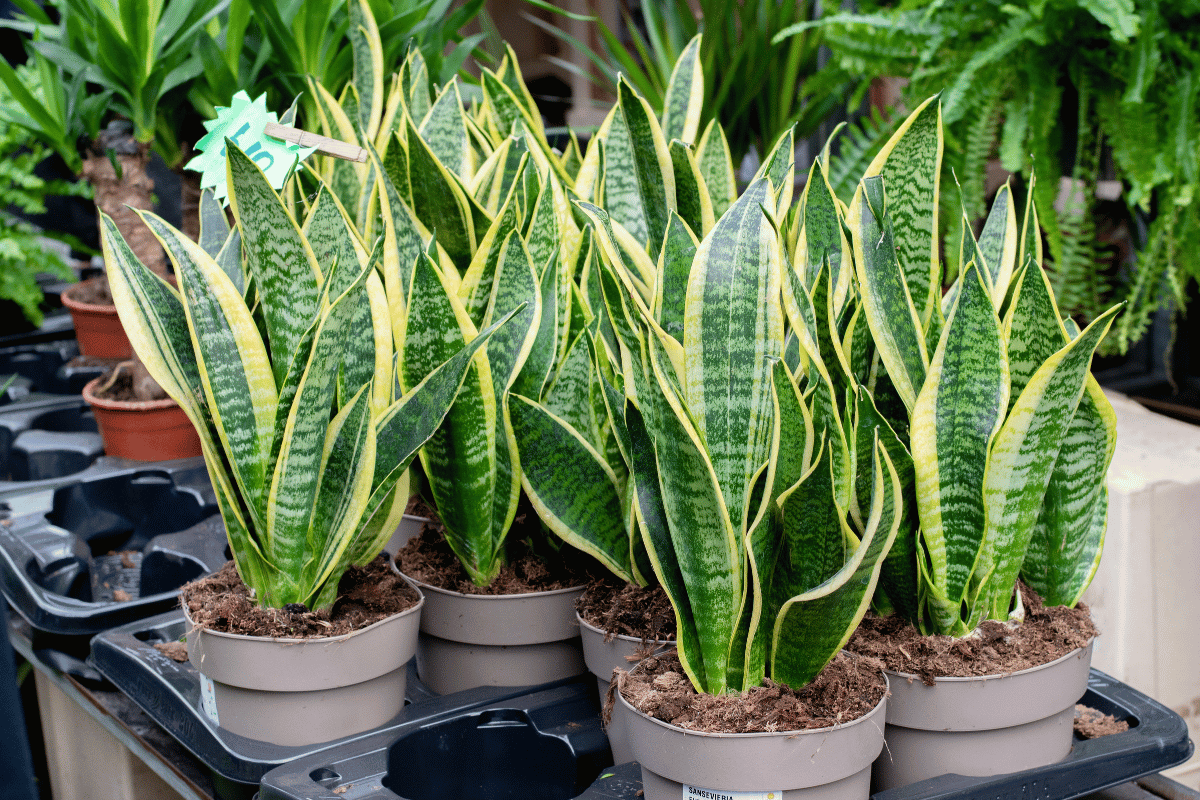
The snake plant is one of the toughest houseplants you can keep. Its stiff, upright, sword-shaped leaves stand out in any room, and the plant puts up with conditions that would defeat most others, from low light to weeks without water. That resilience is why you find it in homes and offices everywhere.
Botanically, it belongs to the family Asparagaceae and is native to the dry, rocky regions of tropical West Africa. For years, it was known as Sansevieria trifasciata. Still, after molecular analysis in 2017, the genus Sansevieria was folded into Dracaena, the same genus as the common dracaena, so its accepted name today is Dracaena trifasciata. Both names refer to the same plant, and you will keep seeing "Sansevieria" on nursery labels for years to come. Its common names, snake plant and mother-in-law's tongue, both refer to the leaves' shape and sharp tips.
This guide covers how to care for a snake plant at home, from light and watering to propagation, along with two points worth knowing: its toxicity to pets and the truth behind its reputation for cleaning the air.
What snake plants symbolize
In several traditions, the snake plant is considered a symbol of luck and protection, and in feng shui, it is often placed near the home's entrance for that reason. These are folk beliefs rather than anything documented, but they partly explain why it remains such a popular decorative plant.
Types and varieties
The genus includes around 70 species, and several varieties are sold with different leaf shapes and colors.
Dracaena trifasciata 'Laurentii': the best known, with yellow margins along the green leaves.
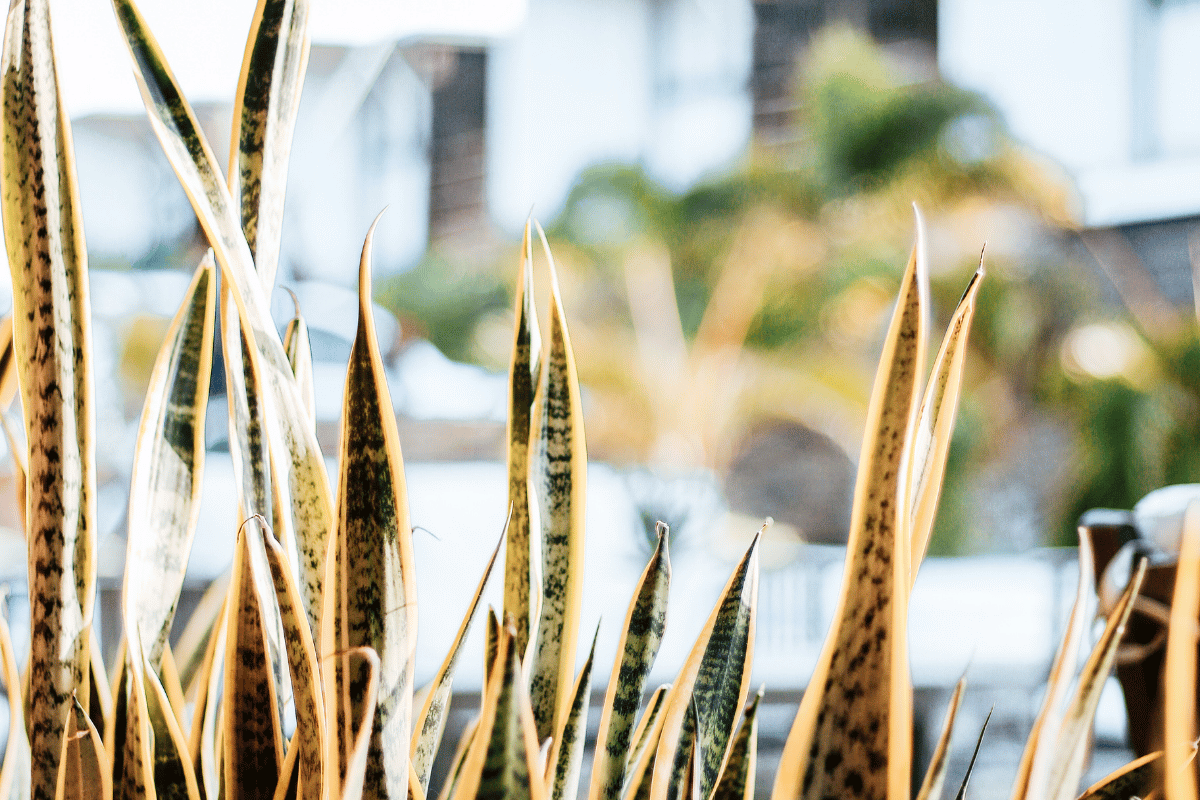
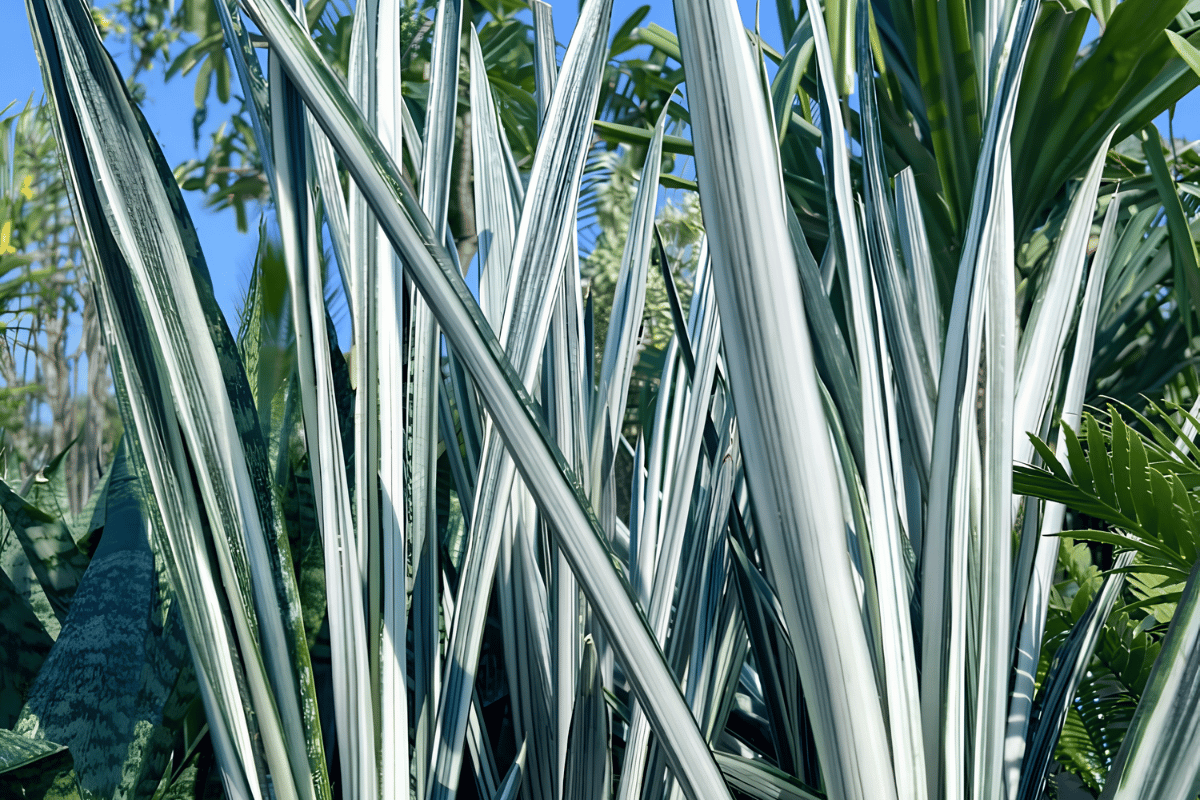
'Bantel's Sensation': narrow leaves with white vertical stripes.
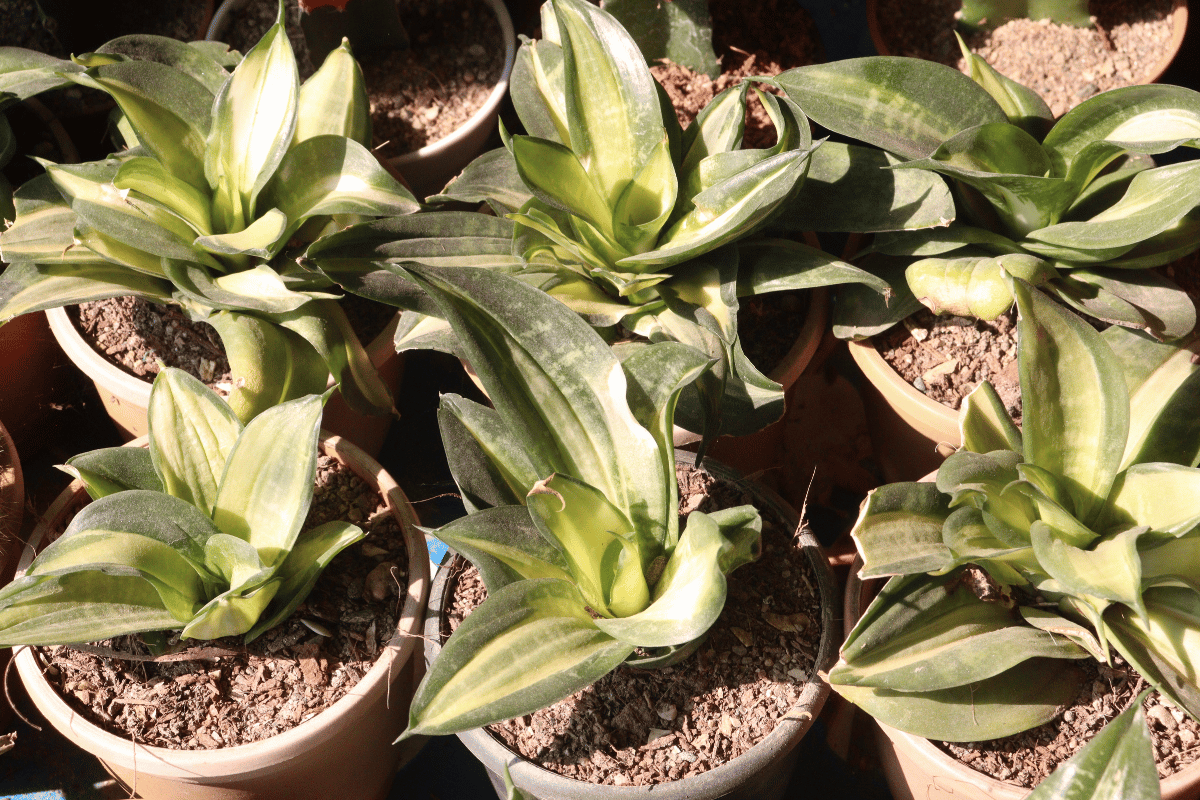
'Hahnii' (bird's nest): a dwarf variety with short leaves in a rosette, ideal for small spaces.
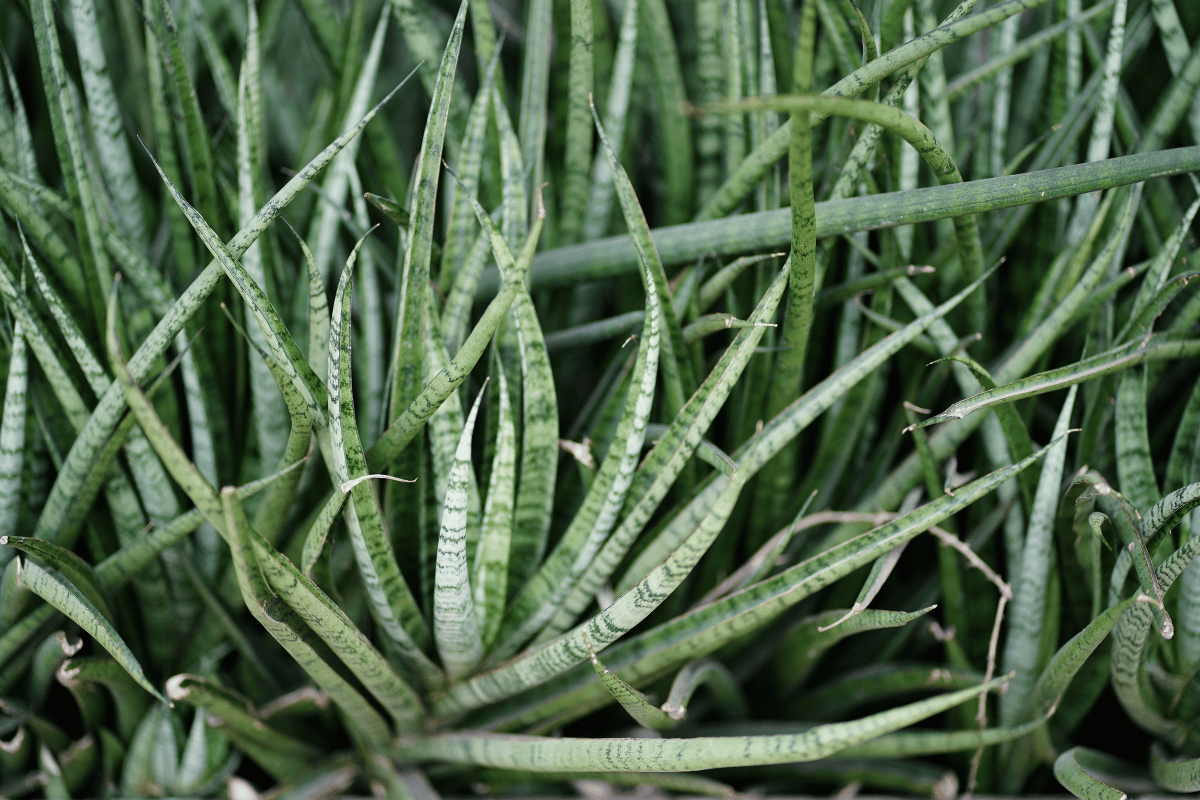
Dracaena angolensis (cylindrical snake plant): with round, rod-like leaves instead of flat ones.
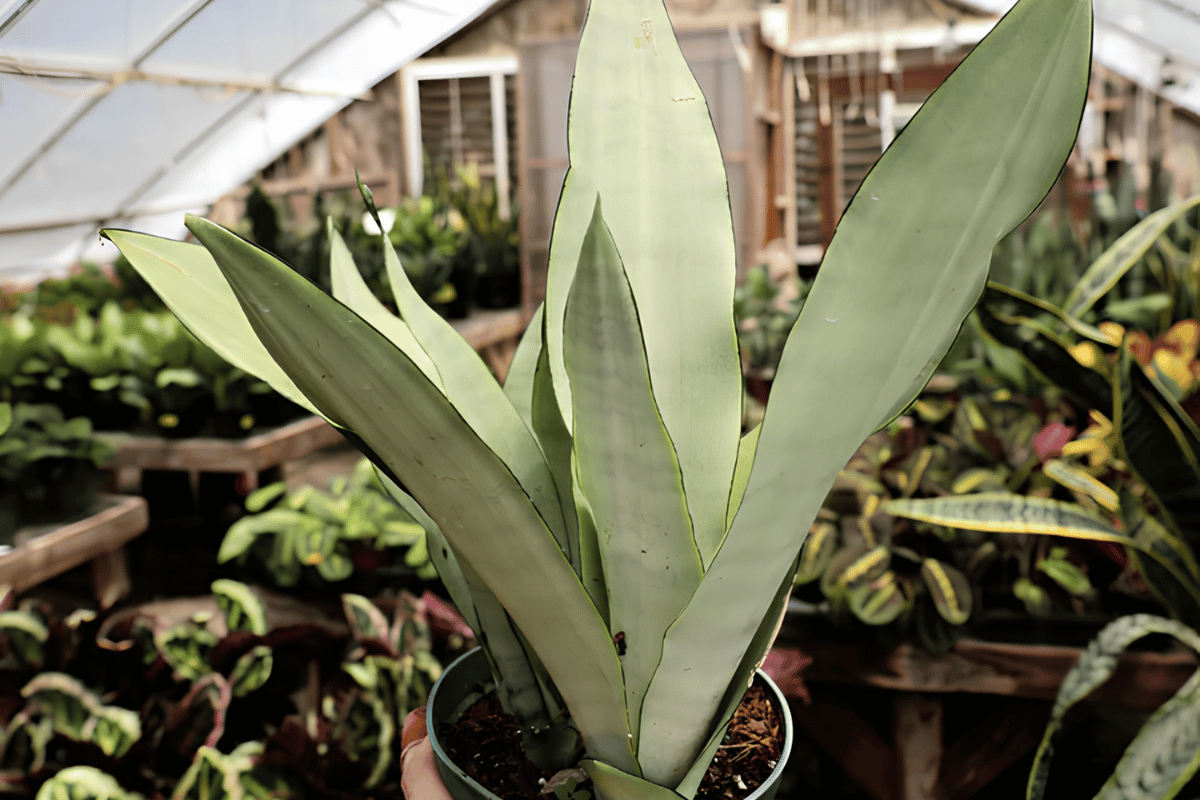
'Moonshine': with broad, silver-green leaves.
Where to put a snake plant
The snake plant adapts to a wide range of light conditions, which is what makes it so forgiving for beginners. It does best in bright but indirect light, near an east- or west-facing window, and tolerates low light in a shadier corner. In low light, it simply grows more slowly, and the leaves grow longer. Avoid strong midday summer sun through glass, which can scorch the leaves.
The snake plant does not tolerate cold. Keep it away from draughts and cold glass in winter, and do not let it sit below 10°C. In mild, frost-free climates (roughly USDA zones 9 to 11), it can grow outdoors year-round in a sheltered spot, and it can spend the warm months on a shaded balcony or terrace as long as it comes back in before the first cold. Everywhere else, it stays a houseplant.
Soil
The most important thing for a snake plant is good drainage. As a drought-adapted plant, it stores water in its thick leaves and in its underground rhizomes, and it rots easily in soil that stays wet. Use a light cactus and succulent mix, or improve a standard potting compost with coarse sand or perlite.
Choose a pot with drainage holes. A heavy, stable pot also helps, since the tall leaves make the plant top-heavy as it grows.
Watering
Overwatering is by far the most common cause of a snake plant dying. Water only once the soil has completely dried out, checking with your finger a few centimeters down.
In spring and summer, this usually means watering every two to three weeks, while in winter, when the plant almost stops growing, once a month or less is enough. When you water, pour until it runs from the drainage holes, then empty the saucer. It is better to let a snake plant go thirsty than to keep it in wet soil.
Feeding
The snake plant has modest feeding needs. A liquid cactus feed, or a balanced fertilizer at half strength, once a month in spring and summer, is plenty. Stop feeding altogether in winter. Overfeeding does nothing useful and builds up soil salts.
Repotting
The snake plant prefers to be a little pot-bound and does not need frequent repotting. Once every two to three years is usually enough, or when the roots and rhizomes fill the pot so tightly that they start to distort it. Spring is the best time. Move it to a slightly larger pot with a fresh, free-draining mix.
How to propagate snake plants
The snake plant can be propagated in two ways.
By division
This is the quickest and most reliable method, and the only one that keeps the yellow margins of varieties like 'Laurentii'.
- Take the plant out of its pot and shake the soil off the rhizomes
- With a sharp, clean knife, cut the clump into sections, each with its own leaves and roots
- Let the cut surfaces dry for a few hours
- Pot each section in its own pot with a cactus mix
- Wait a few days before the first watering so the cuts can heal
From leaf cuttings
Cut a healthy leaf into pieces 5 to 8 cm long, keeping track of which end was the top. Let them dry for a day or two, then plant the lower end in a light mix. Rooting is slow and takes several weeks. A leaf cutting from a variety with yellow margins, like 'Laurentii', produces plants with plain green leaves and no margins, so if you want to keep the variegation, choose division instead.
Common problems
- Soft, yellowing leaves that flop over: almost always from overwatering and root rot. Let the soil dry out, check the roots, and if needed, cut away the rotted parts and repot in a fresh, dry mix
- Wrinkled leaves that curl: a sign of prolonged drought. Water and the plant usually recover
- Brown, dry tips: often from salt build-up or hard water. Flush the soil with plenty of water every few months
- Leaves leaning or falling sideways: usually from too little light or overwatering. Move it to a brighter spot
Pests and diseases
The snake plant is resistant and rarely affected, but you may see the following now and then.
- Root rot: the most serious and common threat, almost always from overwatering. Prevent it with good drainage and careful watering
- Scale insects: small brown bumps on the leaves. Remove them with a cotton bud dipped in alcohol or spray with insecticidal soap
- Mealybugs: white cottony clusters at the leaf bases. Treat with alcohol or insecticidal soap
- Spider mites: rare, in very dry air. Raise the humidity around the plant and clean the leaves
Do snake plants clean the air
The snake plant is often described as an air-purifying plant, and it was indeed included in NASA's well-known 1989 study, which tested plants' ability to remove pollutants such as formaldehyde and benzene. That study, however, was carried out in sealed laboratory chambers. Later research has shown that in a normal, well-ventilated room, the contribution of houseplants to air quality is practically negligible, because natural ventilation clears pollutants much faster. The snake plant is worth having for its looks and for the feel it gives a space, not as a substitute for ventilation.
Are snake plants toxic
The snake plant is toxic to pets. According to the ASPCA, it contains saponins that, if a dog or cat eats them, cause nausea, vomiting, and diarrhea. The toxicity is considered mild to moderate and rarely dangerous, but it is worth keeping in mind.
Keep the plant away from pets and small children who might chew the leaves, ideally up high or somewhere out of reach. In people, the toxicity is low, but the sap can irritate sensitive skin, so it is worth wearing gloves when you divide it. If a pet swallows part of the plant, contact your veterinarian or an animal poison control line.
Frequently asked questions about snake plants
How often should I water a snake plant? Only once the soil has completely dried out. In spring and summer, that usually means every two to three weeks; less often in winter. Overwatering is the worst thing for the plant.
Will it cope in a dark room? It tolerates low light better than most plants, which is why it is popular for offices and shadier corners. In very low light, though, it grows slowly. For better growth, give it bright indirect light.
Why are the leaves going soft and falling over? Almost always from overwatering, which leads to root rot. Cut back on watering and make sure the pot drains well.
Do snake plants flower? Rarely indoors, but it happens. Mature plants with enough light can send up upright spikes of small, fragrant, greenish-white flowers.
Is it dangerous for pets? Yes, it is toxic to dogs and cats because of the saponins. The toxicity is mild to moderate, but it is best to keep it out of their reach.
Important notes
Every home and every plant is different. Conditions vary with the light, temperature, water quality, and how well the room is ventilated.
If your plant shows persistent problems that do not respond to the basic practices, it is worth consulting a professional or your local nursery.
Given the snake plant's toxicity to pets, if you have a dog, a cat, or small children, place it somewhere they cannot reach it easily. For pest control, try non-chemical methods first, such as wiping with alcohol or using insecticidal soap. When a product is needed, use only those approved for indoor plants and follow the label instructions.
References
- Royal Horticultural Society. Sansevieria trifasciata (mother-in-law's tongue).
- ASPCA Animal Poison Control. Toxic and Non-Toxic Plants: Snake Plant.
- NC State Extension. Dracaena trifasciata.
- Wolverton, B. C., et al. (1989). Interior Landscape Plants for Indoor Air Pollution Abatement. NASA.
- Cummings, B. E., & Waring, M. S. (2020). Potted plants do not improve indoor air quality. Journal of Exposure Science & Environmental Epidemiology.