

Olive Oil Prices & Market Digest | Week 6, 2026
Persistent rains across Spain’s main producing regions are disrupting harvest operations, affecting fruit quality and reshaping price dynamics in the global olive oil market — particularly for extra virgin olive oil (EVOO). While total output may remain sufficient, the supply of high-quality EVOO is tightening, increasing upward pressure on prices.
Stay up to date with our Weekly Olive Oil Digest
Spain’s olive oil market
Rain disrupts harvests
Weeks of intense rainfall have slowed harvesting across Spain, creating two major issues:
- Fruit deterioration: Many olives have fallen to the ground, where moisture accelerates spoilage.
- Harvest losses: Some fruit may never be collected, reducing usable output.
Quality is the central concern this season. Reports indicate a growing share of oil will be lampante, with extra virgin production largely finished and limited availability for bottlers.
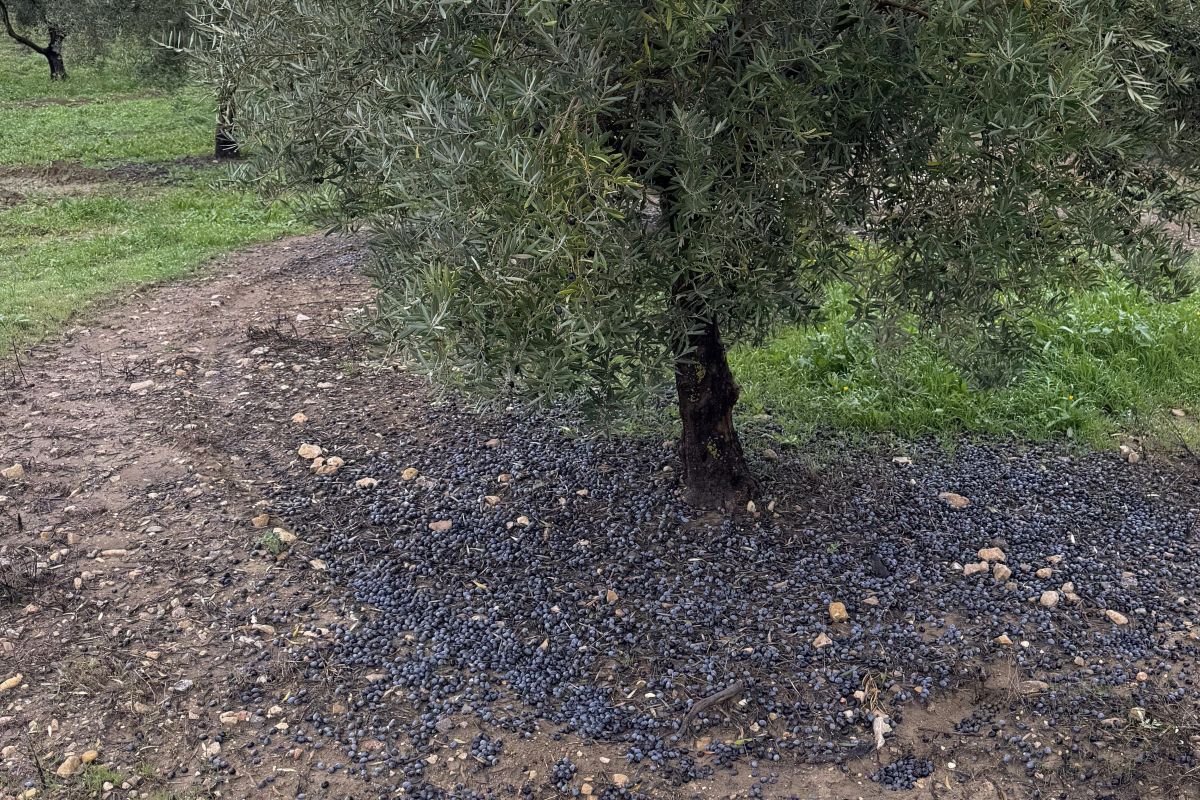
Olives lie on the ground in an olive grove in Jaén, Spain, on Feb. 1, 2026.
Loss estimates
While there are no official figures yet, regional talk points to notable losses:
- Córdoba province reports tens of thousands of tons lost.
- Industry chatter suggests potential six-figure tonnage losses nationally if conditions persist.
Usable EVOO supply is expected to shrink disproportionately compared to total olive oil output.
EVOO prices climb
.jpg)
- Top-quality EVOO: Firm to rising, with traders viewing €5/kg as a short-term ceiling.
- Borderline EVOO: May lag due to competition from large-scale blenders sourcing cheaper fruit.
- Lampante: Under pressure from abundant lower-grade supply
- Refined: Prices around €3.50–3.55/kg.Expert view: Quality segmentation will define this campaign
Expert view: Quality segmentation will define this campaign
 Montse Godoy, CEO of MG Talent, olive oil consultant, and long-time olive oil strategist, says this season highlights a structural issue in Spain’s market position:
“We are the biggest producers, not the biggest marketers. Volume alone does not set international prices — commercialisation does.”
With rain affecting fruit quality, Godoy believes price divergence between top EVOO and lower grades could widen, making quality segmentation more important than total output.
“Farmers must be paid for quality. In a year like this, harvesting at the right moment and working closely with mills is essential to produce oils that can compete at the top end of the market.”
She also notes that emerging producers like Saudi Arabia, Turkey, and South American countries are becoming more export-ready, investing in sustainability standards and regulatory compliance, increasing competitive pressure in premium markets.
“Other producing countries are improving very fast in areas like labelling, traceability, and market positioning.”
Godoy sees the current campaign as a reminder that Spain’s influence depends not only on how much oil it produces, but on how much high-quality oil it can place in premium segments.
International market snapshots
- Italy: Bottlers cautious; EVOO has risen to €6.50–7.20/kg.
- Tunisia: EVOO prices have risen to €3.50–4.00/kg.
- Greece: EVOO price range widened, while VOO and Lampante price range lowered slightly
.jpg)
Short-term outlook
The market is split:
EVOO: Tight, emotional, and weather-sensitive.
- Farmers reluctant to sell early
- Price psychology is trending upward
- Buyers anxious to secure contracted volumes
Refined & Lampante: Complex and potentially oversupplied.
- Damaged fruit could increase lampante availability
- Refiners may stabilise or soften prices
- Logistics and contract fulfilment remain critical
Key factors to watch
Over the coming weeks, keep an eye on:
- Weather through mid-February — further rain could lock in quality damage.
- Harvest recovery — fruit on the ground that can still be processed.
- Bottlers' blending strategies.
- Retail pricing response — will supermarkets absorb or pass on costs?
Source olive oil with confidence on Wikifarmer's Marketplace:
Looking for gold standard EVOO?
Disclaimer: The information provided on this website, including market prices, insights, and projections, is for general informational purposes only. While we strive to ensure accuracy and timeliness, we make no guarantees regarding the completeness, reliability, or suitability of the information presented. Users are solely responsible for independently verifying the data and assessing its relevance to their specific circumstances before making any decisions. Wikifarmer and its operators shall not be held liable for any losses, damages, or consequences arising from the use of the information provided herein.