


As summer harvests finish, fields can be left bare and vulnerable. Without cover, autumn rains and winds can wash away precious topsoil and nutrients. In fact, Eurostat reports that about 23% of EU arable land had no winter cover until 2016, a gap that increases erosion and nutrient runoff. Farmers should act now to protect and restore the soil to prepare for next season's success. Autumn is the ideal time to sow cover crops, apply organic amendments, and adjust soil pH. These steps feed soil organisms, lock in nutrients, and prevent winter losses.
Sowing cover crops and green manures
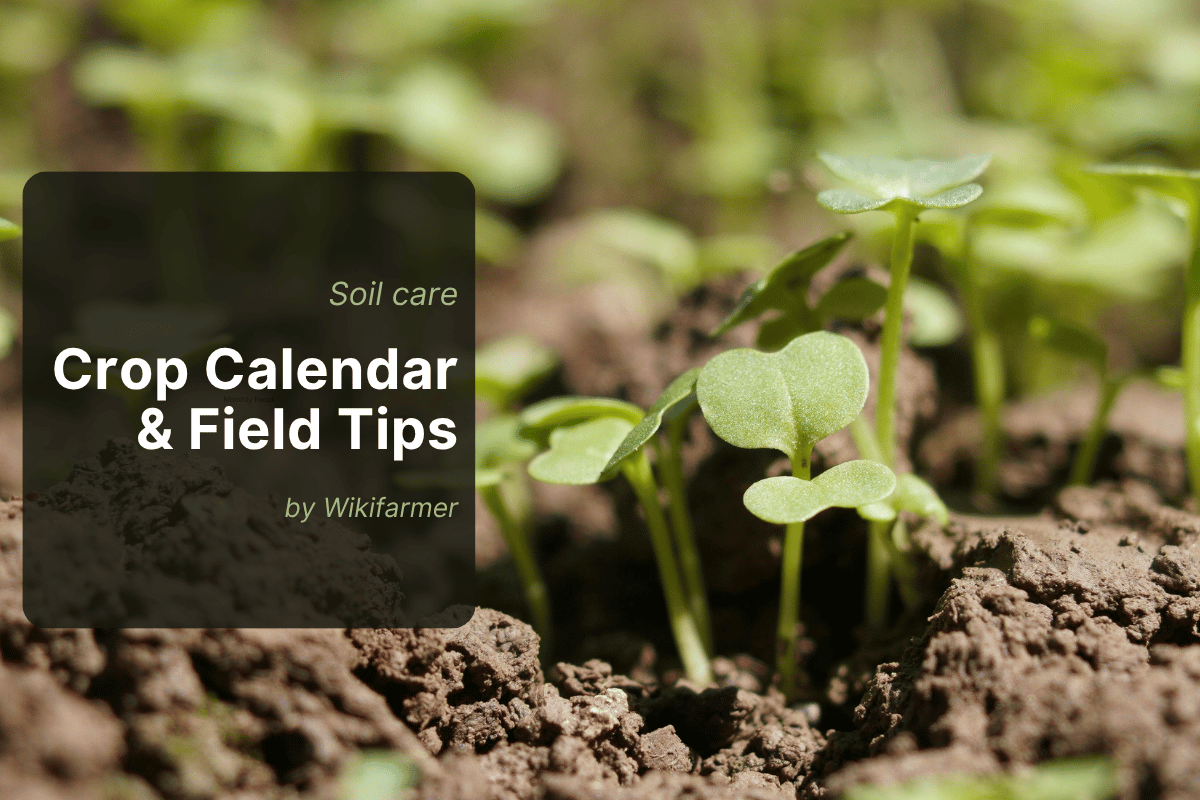
Cover crops (oats, clover, radish mix) are emerging in harvested stubble. Such green plants protect soil and add nutrients. After harvest, planting a cover crop gives fields a protective vegetative cover. Common choices are fast-growing cereals and legumes, which serve complementary roles:
- Cereal covers: Winter rye, oats or triticale establish quickly in autumn. They scavenge leftover nitrogen and other nutrients (preventing leaching) and form a dense canopy that prevents erosion.
- Legume covers: Clovers, vetches, or field peas fix atmospheric nitrogen into the soil, enriching fertility. To survive the winter, they should be sown when the soil is still warm (typically above ~12 °C).
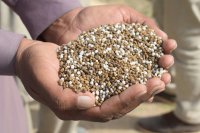
Many farmers mix species for maximum benefit. For example, a common recipe is to broadcast a blend of oats or rye with clover and maybe radish, which is a mix that both protects the soil and feeds it. Agronomists note that more diverse cover-mix roots break up compaction and hold more nutrients than single-species stands. Aim to seed cover crops as soon as possible after harvest (late August–early October in most of Europe ) so they have time to grow before winter. In spring, these green plants are typically terminated (mowed or sprayed) and ploughed in as a green manure. This incorporation releases nutrients and adds organic matter to the soil.
For detailed cover crop selection, establishment protocols, and management strategies specific to European conditions, farmers are encouraged to consult our comprehensive cover crop guide, which provides specific species recommendations, seeding rates, and termination timing for optimal results.
Applying compost and organic amendments
Organic amendments like compost enrich soil health. Alongside cover crops, adding organic matter builds soil fertility. Spread well-rotted farmyard manure or compost in autumn to give soils a head start. Organic matter feeds beneficial microbes, improves soil structure, and slowly releases nutrients for the next crop. For example, a UK study describes an organic farm that applied over 1,400 tonnes of certified green-waste compost ahead of winter cereals. The goal was to boost nitrogen and organic carbon; even though full benefits take time, such compost significantly raised soil fertility.
Practical options include:
- Farmyard manure: Aged cattle or horse manure can be spread (20–30 tonnes/ha) in autumn. This supplies N-P-K and stimulates biology.
- Composted plant waste: Certified garden or green-waste compost adds stable organic carbon plus nutrients. Research notes that adding compost “enhances soil organisms, soil structure, carbon sequestration and plant production.
- Crop residues: Even chopping and leaving straw or cover-crop residues on the surface recycles nutrients and protects the soil.
Apply these amendments when fields are accessible (i.e., when the soil is not frozen) so that rain can help wash them into the ground. Avoid spreading heavy loads on very wet or frozen soil to prevent compaction. Overall, the aim is to enrich the soil organically so that nutrients are in place for spring growth.
Shallow tillage and residue management
Instead of heavy plowing, use light tillage to manage residues. Conservationists define light tillage as any pass that leaves about 80% of the soil surface covered by residue and causes minimal disturbance. In practice, this means running a cultivator, disc harrow or shallow tine (~13 cm or ~5 inches deep) over the field. Such light passes cut cover-crop or residue crowns and mix organic matter into the topsoil without inverting deep layers. For example, a shallow chisel or sweep blade run about ~5 cm (or 2 inches) deep will chop up dead clover or green manure, lightly incorporating it while still keeping most residue on the surface.
Light tillage helps the soil in many ways. It protects soil structure, retains surface cover to prevent erosion, and avoids the fuel/time costs (and carbon losses) of multiple deep passes. Precision-conservation studies even show that reduced tillage can save one ton of topsoil per acre each year compared to intensive tillage. In short, after applying manure or terminating covers, one gentle cultivation pass is usually enough. Keep wheels off fields when wet, and where necessary, work the ground when it is slightly moist, but not waterlogged, to maintain good structure into winter.
Soil testing and pH adjustment
Now is the best time to check soil chemistry. Soil testing in autumn (after harvest) allows you to plan fertilizer, manure, and lime needs for next year. Researchers emphasize that fall sampling can help you set up a successful fertility program for the coming year. Collect samples field by field once residues are cleared, then send them to a laboratory. With results on hand in October/November, you can calculate how much N, P, K, or organic amendment each field needs, and even place orders while supplies are available.
One key output is pH. If the test shows acidic soil (pH below ~6), plan a lime application this autumn or winter. Spreading lime on settled (or even frost-crusted) ground avoids compaction, and the winter months give lime time to react, so pH is higher by spring. Maintaining pH around 6.0–6.5 is vital: research cited by Scotland's Farm Advisory Service shows that raising soil pH from 5.5 to 6.3 can increase nutrient availability dramatically (at pH 5.5, only ~48% of phosphorus is available, versus nearly 100% at 6.3) and even boost yields by ~1 tonne dry matter/ha. In short, use fall test results to apply lime and any needed P/K fertilizer now, so fields are ready when spring comes.
Soil testing should become routine (e.g. every 3–5 years per field). In intensive systems (dairy or repeated cropping), a 3-4 year cycle is common. But even if testing is annual, this autumn test is crucial to make informed decisions. As researchers warn, “without knowing the nutrient levels and soil pH… it is impossible to manage nutrients and lime applications”. Don’t guess and let data guide your inputs. Always consult with a local licensed agronomist before making this kind of decision.
Key takeaways for EU farmers
By taking these steps now, EU farmers can safeguard and rebuild soil fertility. In practice, this means:
- Cover the soil. Seed a quick-cover mix (e.g. rye + clover) by early October to catch residual N and prevent erosion. Mow or incorporate it in spring as green manure.
- Feed the soil. Spread well-rotted manure or compost in autumn, and return any useful residues. These amendments boost organic matter and nutrient reserves.
- Minimal disturbance. Use shallow tillage (such as a disc or cultivator) to lightly mix amendments, leaving most of the residue layer intact. This preserves soil structure and moisture.
- Test and lime. Sample each field this fall. Use the results to apply lime and order fertilizers while conditions are favorable. Aim to maintain a pH level near neutral (around 6) for optimal nutrient uptake.
Farmers will set the stage for a robust, nutrient-rich seedbed in the spring, following this autumn guide. In short, rebuilding your soil now means stronger, more sustainable yields in the year ahead.
Sources
Fall Is the Perfect Time for Soil Sampling
Soil care project EU
Organic matter application (UK) — Interreg North-West Europe