



EU Food Safety Alert: July 2025 Recall Analysis for Fresh Produce Markets
July 2025 marked a particularly challenging month for EU food safety, with 481 food recalls recorded across the European market. For farmers and wholesale wholesale buyers of fresh produce, this comprehensive analysis reveals critical trends and risk patterns that demand immediate attention and strategic planning.
Highlights at a glance
The numbers that matter:
- 481 total food safety alerts in July 2025
- 269 fresh produce recalls (56% of all cases)
- 214 cases classified as serious risk requiring immediate action
- 117 products stopped at EU borders before reaching consumers
- Weekly peak of 117 recalls in the fourth week of July
Key takeaways for market players:
- Fresh produce accounts for over half of all food safety incidents
- Salmonella and aflatoxin contamination dominate the threat landscape
- Asian and South American origins face heightened scrutiny
- Border controls effectively prevent 24% of unsafe products from entering the EU market
Fresh produce recalls by category in the EU during July 2025, showing fruits & vegetables and nuts & seeds as the most affected sectors
Fresh produce focus
The fresh produce sector continues to be the most vulnerable category in EU food safety monitoring. Fruits and vegetables led with 76 recalls, followed closely by nuts and seeds with 66 cases, establishing these categories as the primary concern areas for wholesale buyers and farmers alike.
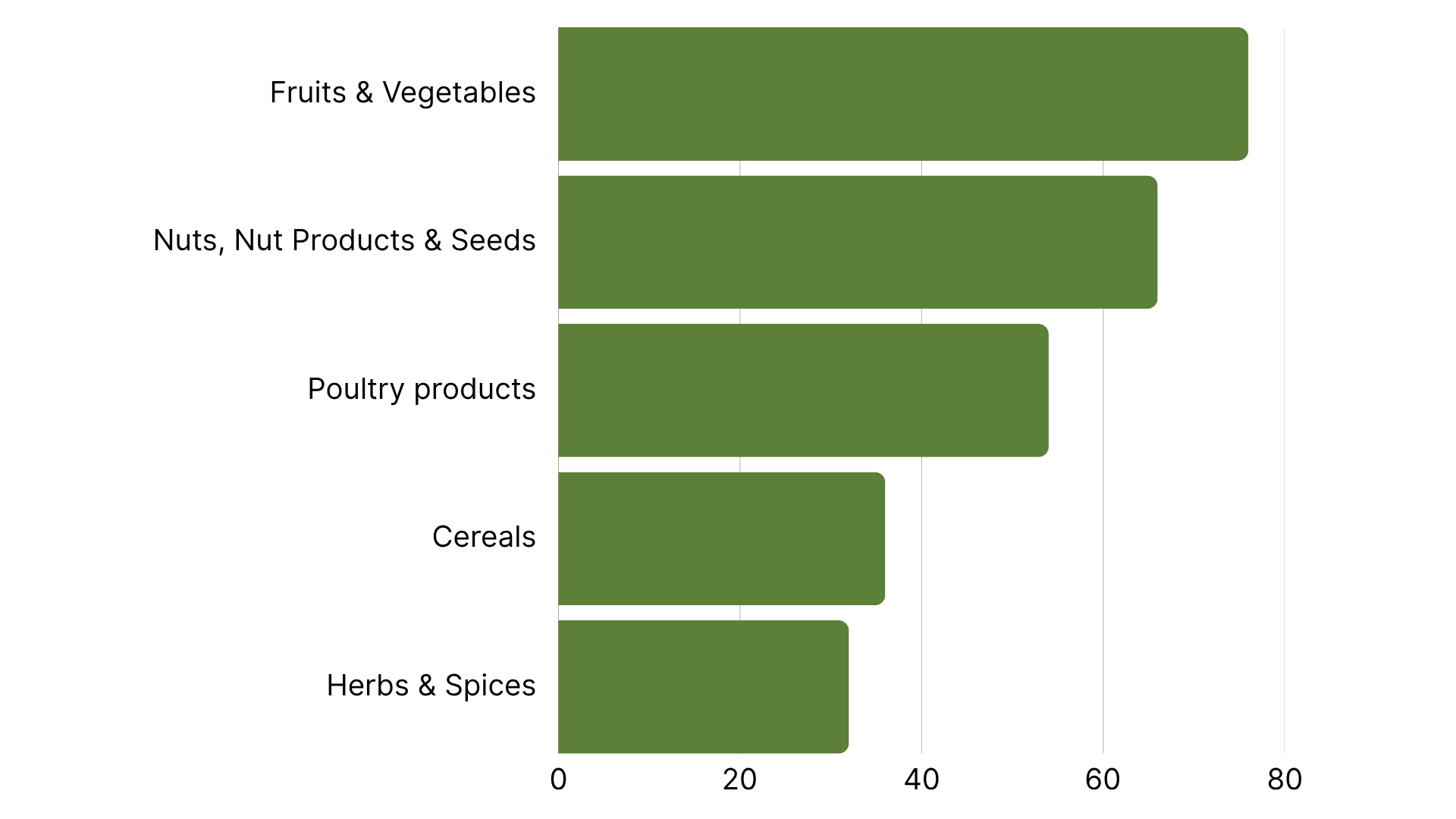
Graph 1: Food categories with the most recalls in June 2025 EU market
Fruits and vegetables
- 22 cases involved pesticide residues or unauthorized substances
- 6 cases of microbial contamination (Salmonella, Listeria, E.coli)
- 2 cases of foreign body contamination
Nuts and seeds:
- 38 cases of aflatoxin contamination
- 13 cases of Salmonella contamination
- Particularly affecting groundnuts, pistachios, and sesame seeds
Geographic risk concentration:
- Turkey leads fruit/vegetable recalls with 7 cases, primarily pesticide-related
- Argentina dominates nut contamination with 13 aflatoxin cases
- India contributes 11 nut/seed recalls, split between aflatoxins and Salmonella
The data reveals a concerning pattern: while pesticide residues affect fresh fruits and vegetables from Mediterranean and Middle Eastern sources, mycotoxin contamination (particularly aflatoxins) poses the greatest threat to nuts and seeds from South American and South Asian origins.
Top product categories affected
Most common food safety hazards identified in EU recalls during July 2025, with Salmonella and Aflatoxin contamination leading the concerns.
The contamination landscape shows distinct patterns that farmers and buyers must understand:
Salmonella (74 total cases) emerges as the single most dangerous contaminant, affecting:
- Poultry products (40 cases)
- Nuts and seeds (13 cases)
- Various other categories including herbs, spices, and processed foods
Aflatoxin contamination (70 total cases) predominantly impacts:
- Nuts, particularly from Argentina and Iran
- Spices and herbs from India and Pakistan
- Cereals, especially rice from South Asian origins
Pesticide residues create ongoing challenges for:
- Fresh produce from Turkey and China
- Herbs and spices from India
- Fruits from various Mediterranean and Latin American sources
The patterns suggest that buyers should implement enhanced testing protocols for products from these high-risk origin-hazard combinations.
Geographic risk patterns
Countries with the highest number of food products recalled in the EU during July 2025, with Poland, India, and China leading the list
The geographic analysis reveals distinct risk profiles that inform sourcing strategies:
High-Risk Origins Requiring Enhanced Scrutiny
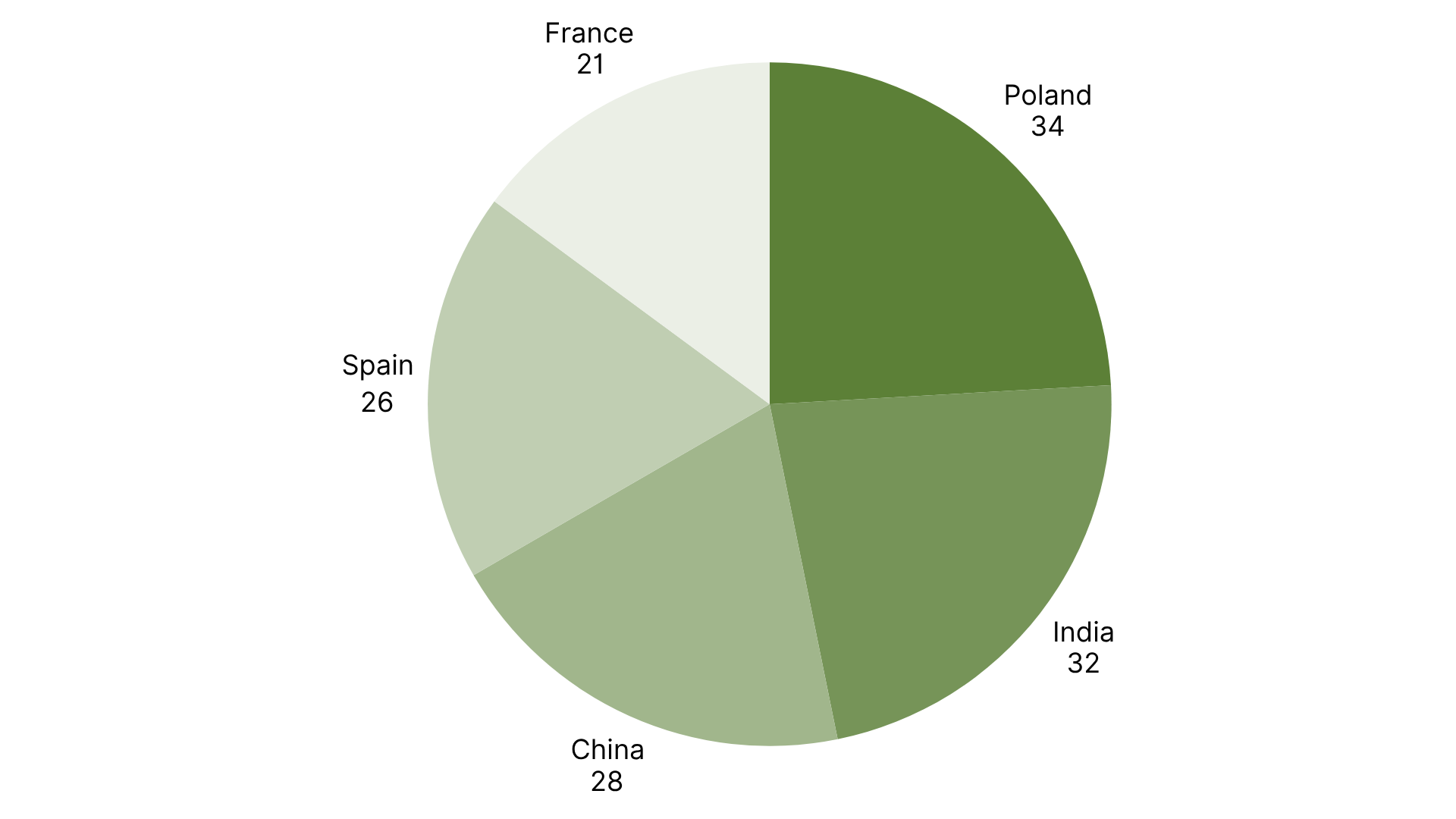
Graph 2: Top origin countries for EU food recalls in June 2025
Poland (34 total recalls):
- Primary risks: Contamination with Salmonella
- Categories affected: Poultry and poultry products
- Recommendation: Implement strict quality and hygiene procedures
India (32 total recalls, 19 border rejections):
- Primary risks: Aflatoxin in nuts/spices, pesticide residues
- Categories affected: Nuts, herbs, spices, cereals
- Recommendation: Implement mandatory pre-shipment testing
China (28 total recalls, 12 border rejections):
- Primary risks: Pesticide residues, mineral oil contamination
- Categories affected: Fruits, vegetables, processed foods
- Recommendation: Focus on organic certification verification
Strategic Recommendations for Farmers and Buyers
For fresh produce farmers
The goal is to turn your farm into a beacon of reliability. Proactive quality control isn't just about meeting regulations; it's about building a reputation that allows you to command a premium for your products.
- Implement a Tiered Testing Strategy. Don't wait for buyers to find problems. Immediately after harvest, use in-field rapid tests for high-risk contaminants like aflatoxins. This lets you quickly segregate at-risk batches before they contaminate your entire stock. Then, send representative samples from each batch to a certified third-party laboratory for more comprehensive analysis before storage or shipment. This two-step process saves you time and money and gives buyers undeniable proof of your quality.
- Build Your Paper Trail. Every step from seed to shipment needs a record. Instead of just a general "HACCP system," focus on a traceability system that creates an immutable, digital log of a product's journey. Use QR codes on your packaging that link to this data, showing a product's harvest date, storage conditions, and test results. This transparency is your most powerful marketing tool, giving buyers a reason to trust you implicitly.
- Forge Alliances with Labs. Don't see third-party labs as a transactional service; view them as a key partner. Build a relationship with a certified laboratory that specializes in your product category. They can provide you with crucial insights, help you understand seasonal risk patterns, and keep you informed of new regulatory changes like RASFF alerts that may impact your market.
For wholesale buyers
Your role is to act as a shield, protecting your business from contamination risks while building a network of reliable suppliers. The focus is on smart, data-driven decisions that minimize risk without sacrificing supply chain agility.
- Create a Supplier Risk Profile. Not all suppliers are created equal. Use historical data, including your own testing results and regulatory alerts, to create a country-specific risk profile for each product category. Prioritize suppliers from lower-risk origins for your most sensitive categories, and implement stricter, more frequent testing protocols for suppliers from historically high-risk regions.
- Mandate Pre-Shipment Testing. Don't rely on hope; rely on data. For high-risk origin-product combinations, suppliers are required to provide a pre-shipment testing certificate from a certified, neutral third-party lab. This pushes the responsibility upstream and ensures you're only paying for products that meet your quality standards.
- Diversify for Resilience. Reduce your dependency on single-origin suppliers. Create a strategic sourcing plan that includes alternative suppliers in lower-risk regions. This diversification acts as a crucial buffer, allowing you to seamlessly pivot to another source if a primary supplier experiences a contamination issue or a regional event disrupts their supply.
A shared vision: Collaborating for a stronger supply chain
The most resilient businesses don't just protect themselves; they build a network of trust. True quality is a shared responsibility, and these strategies work best when farmers and buyers collaborate.
- Joint Quality Improvement Programs. Instead of one side dictating terms, invest in joint programs with your key partners. Share testing results and quality data across the supply chain to identify and address weaknesses together. For example, a buyer could co-invest with a farm in IoT sensors to monitor temperature and humidity, ensuring that the farmer’s storage practices meet the buyer’s quality standards.
- Communication is Contamination Control. Establish a clear communication protocol for rapid response to quality alerts. If a farmer discovers a potential issue, they should be able to immediately alert their buyers. If a buyer receives a positive test result, they can provide that data back to the farmer, enabling them to pinpoint the source of the problem and prevent it from happening again.
- Leverage Predictive Analytics. The next frontier is moving beyond reacting to contamination and moving toward predicting it. Use predictive analytics that analyze weather patterns, historical data, and other environmental factors to assess contamination risk before it occurs. This technology can tell a farmer when to adjust their harvest schedule or a buyer when to increase their testing frequency, turning potential threats into manageable risks.