



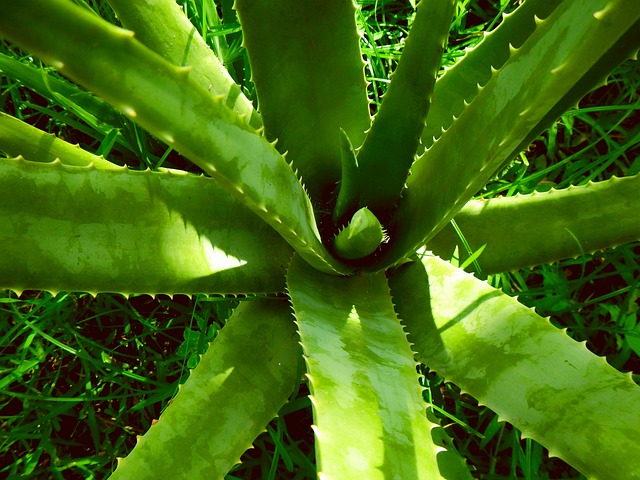
- Aloe Vera (Aloe barbadensis miller) is a succulent plant species belonging to the Asphodelaceae family, which includes other medicinal plants such as agave and yucca.
- Originally native to the Arabian Peninsula, aloe vera has been used for medicinal purposes for over 6,000 years, with records dating back to ancient Egypt.
- Aloe vera plants have thick, fleshy leaves that contain a clear gel, commonly used in topical applications, and yellow latex, often used for its laxative properties.
- The gel inside the leaves comprises about 99% water, but the remaining 1% contains powerful bioactive compounds such as vitamins, enzymes, amino acids, and antioxidants.
- Aloe vera is rich in vitamins A, C, and E, essential for skin health, and vitamin B12 and folic acid.
- The plant's gel is known for its soothing and moisturizing properties, making it a popular ingredient in products for treating sunburn, minor burns, and skin irritations.
- Aloe vera contains enzymes like bradykinase, which help reduce excessive inflammation when applied topically to the skin.
- The plant also contains anthraquinones, compounds that have anti-inflammatory and antimicrobial effects, contributing to its use in wound healing.
- Aloe vera's gel has a low-calorie content and is often added to beverages for its hydrating and detoxifying properties, though it should be consumed in moderation.
- It has a low glycemic index and can support digestive health, making it a good option for those managing blood sugar levels when consumed correctly.
- The plant's antioxidants, such as aloin and aloe-emodin, help protect the skin from oxidative stress and may have anti-aging benefits.
- Because aloe vera is naturally soothing and does not require additional processing, it is a popular choice for sensitive skin types or those seeking natural remedies.
- Major Aloe vera producers include the United States, Mexico, the Dominican Republic, and China. These regions supply raw and processed aloe vera products in the global market.
- In addition to their gel, Aloe vera leaves can produce aloe juice, which is consumed for its potential digestive benefits.
- The largest Aloe vera leaf ever recorded weighed over 2.4 kg and was grown in the Canary Islands in 2021.
Further reading
Unlocking the Economic Potential of the Aloe vera Value Chain