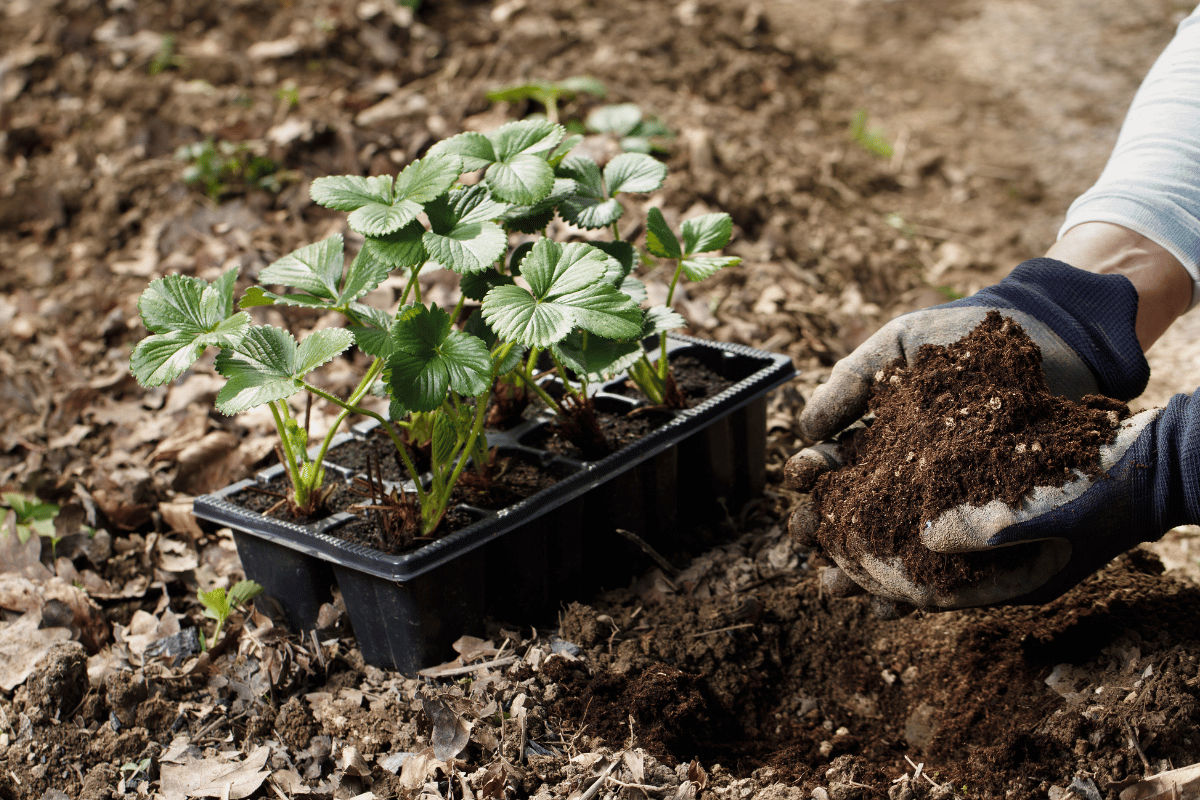
Most of the soil's organic matter, once it has broken down, ends up as stable and biologically active molecules known as humic substances. The humic and fulvic acids in commercial products come from these, and they act both on the root and in the soil around it.
What humic substances are
Humic substances are the end product of the humification of organic matter and are distinguished by their solubility into humic acids, fulvic acids, and humin. Fulvic acids are smaller molecules, soluble across the whole pH range, while humic acids are larger and do not dissolve under acidic conditions. The insoluble fraction is humin. Commercial products are usually extracted from leonardite, lignite, or peat.
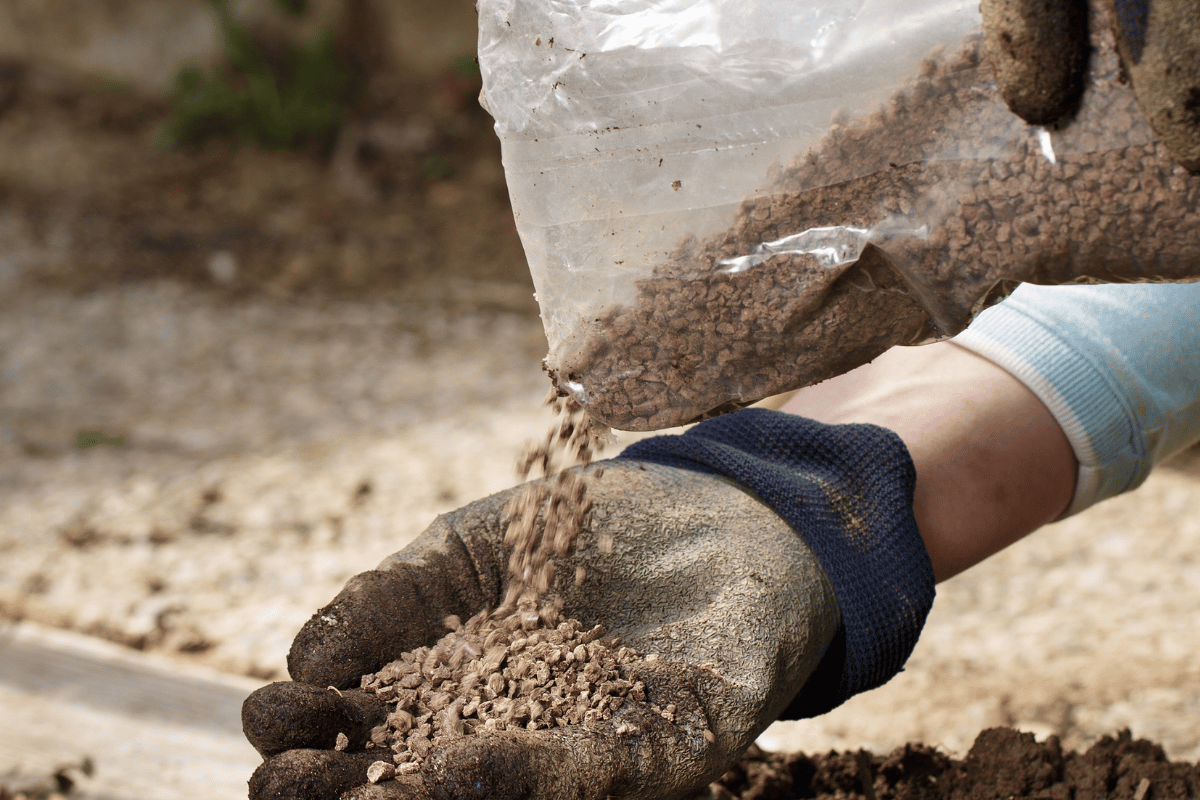
Humic and fulvic products are mainly sourced from leonardite.
How they act on the root and nutrient uptake
Humic substances show auxin-like activity and activate the proton pump of the cell membrane, which drives root elongation and the formation of lateral roots. A denser root system explores a larger volume of soil and takes up more nutrients. At the same time, they stimulate enzymes of nitrogen metabolism, such as nitrate reductase, improving nutrient assimilation. Fulvic acids, thanks to their small size, act as strong chelators of iron, zinc, and manganese and move easily within the plant.
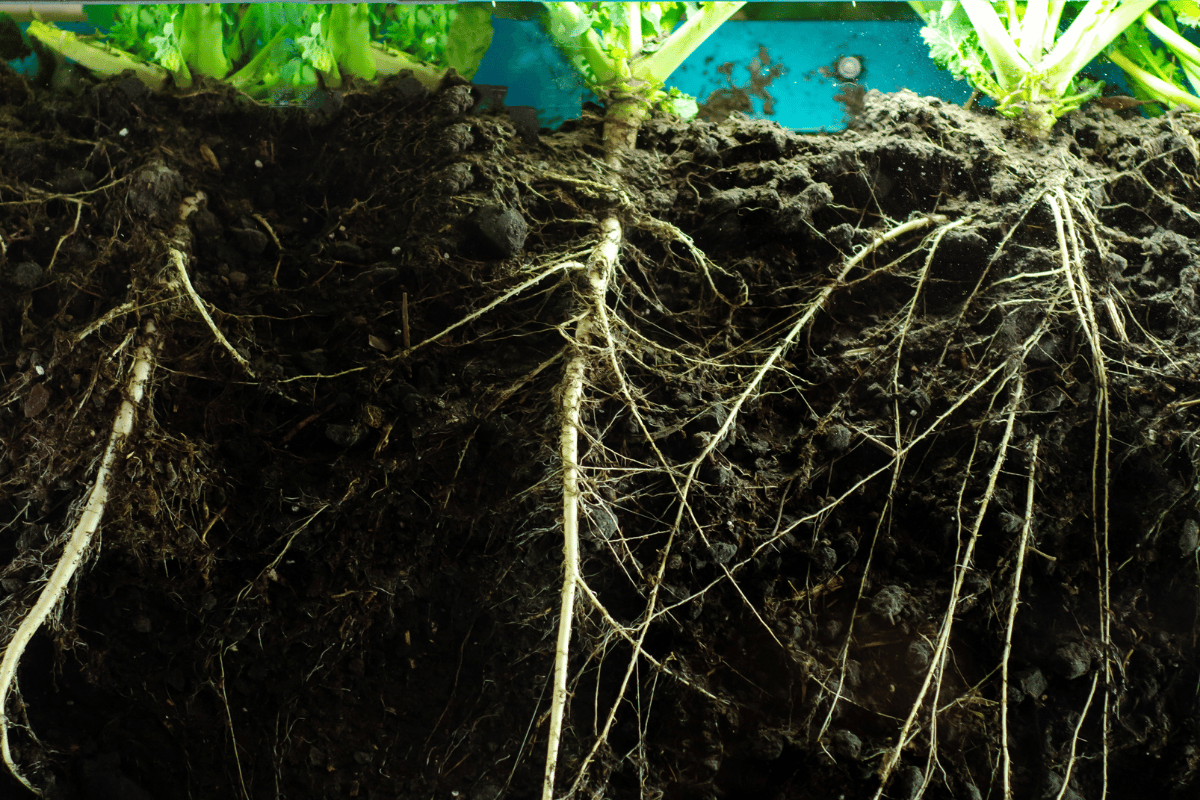
Root stimulation increases the volume of soil the plant explores.
What they change in the soil
In the soil, humic substances contribute to the cation exchange capacity and hold nutrients that would otherwise leach away. Chelation keeps micronutrients available to the root, while the fixation of phosphorus into insoluble forms is reduced. The result is not a replacement for fertilisation but a more efficient use of the nutrients already present.
When and how to apply them
They are applied from planting and during the early growth stages, when root establishment is critical. Humic acids are usually delivered to the soil through the irrigation system, while fulvic acids also perform well as a foliar spray because of their mobility. Combining them with fertilisers improves how well the nutrients are used.
| When to apply | What we aim for |
|---|---|
| Planting and establishment | Root growth and a faster start |
| Stages of active growth | Better nutrient uptake and assimilation |
| Soils low in organic matter | Greater availability of micronutrients |
| Together with fertilisation | More efficient use of fertilisers |
Which product suits each crop and stage is covered in our guide on choosing a biostimulant for your crop, and how to match fertiliser rates to the crop in our guide on choosing NPK fertilizers by crop.
Sources
- Canellas, L.P. et al. (2015), Humic and fulvic acids as biostimulants in horticulture, Scientia Horticulturae.
- Nardi, S., Schiavon, M. & Francioso, O. (2021), Chemical structure and biological activity of humic substances define their role as plant growth promoters, Molecules.
- Jindo, K. et al. (2020), From lab to field: role of humic substances under open-field and greenhouse conditions as biostimulant and biocontrol agent, Frontiers in Plant Science.