
Focus on Oils | March 2026
This report reviews the latest developments across global vegetable oil markets, including olive oil, rapeseed oil, sunflower oil, and avocado oil, combining production data with shifting trade dynamics and price trends.
From tightening olive oil stocks in the Mediterranean to ongoing trade distortions in rapeseed, continued Black Sea supply risks in sunflower oil, and evolving supply leadership in avocado oil, markets remain fragmented—shaped by weather conditions, geopolitics, and resilient underlying demand.
Stay up to date with our Weekly Olive Oil Market Digest
Spain’s olive oil market
AICA data overview
The release of the March AICA data provides a clear snapshot as the 2025–2026 campaign enters its final phase.
Cumulative production through the end of March reached 1,277,889 tonnes, around 10% below last season and 7% under the initial MAPA forecast. Despite the year-on-year decline, output has already surpassed full-season totals recorded during the low-yield campaigns of 2022–2024. March production totalled 81,852 tonnes, confirming that milling activity continues but is tapering.
Andalusia remains the backbone of Spanish production, with 862 mills producing 953,508 tonnes, nearly 75% of the national total. Within the region, Jaén dominates, with 332 mills, 384,286 tonnes produced (around 30% of Spain’s output), and 248,812 tonnes in stock, the highest of any province.
Market dynamics are defined by strong throughput. March outputs reached 118,982 tonnes, meaning inventories are being drawn down faster than they are replenished. Total stocks now stand at 940,303 tonnes, down month-on-month. Mill stocks have fallen to 692,616 tonnes from 739,116 tonnes in February; bottlers hold 238,094 tonnes, and the Olive-growing Foundation holds 9,593 tonnes.
At current drawdown rates, end-of-campaign stocks could approach historic lows. Roughly 60% of the season’s production has already been marketed, leaving a limited buffer heading into summer.
Current prices
EVOO is currently trading at €4.20–4.80/kg, VOO at €3.80–4.00/kg. Lampante has sharply increased to €3.30–3.45/kg, driven by the AICA data release, which triggered a wave of buying pressure at the lower-quality end. Refined oil has also moved up to €3.45–3.50/kg.
EVOO buyers, by contrast, have been more measured, not following the broader upward trend. Demand for refined and other categories remains contained for now.
.jpg)
Production continues into April at reduced levels. Uncertainty around demand pace and final campaign logistics is keeping market participants cautious on forward commitments.
Outlook
Attention is now turning to the next crop. Olive trees are entering the flowering phase, a critical stage for determining 2026 yields.
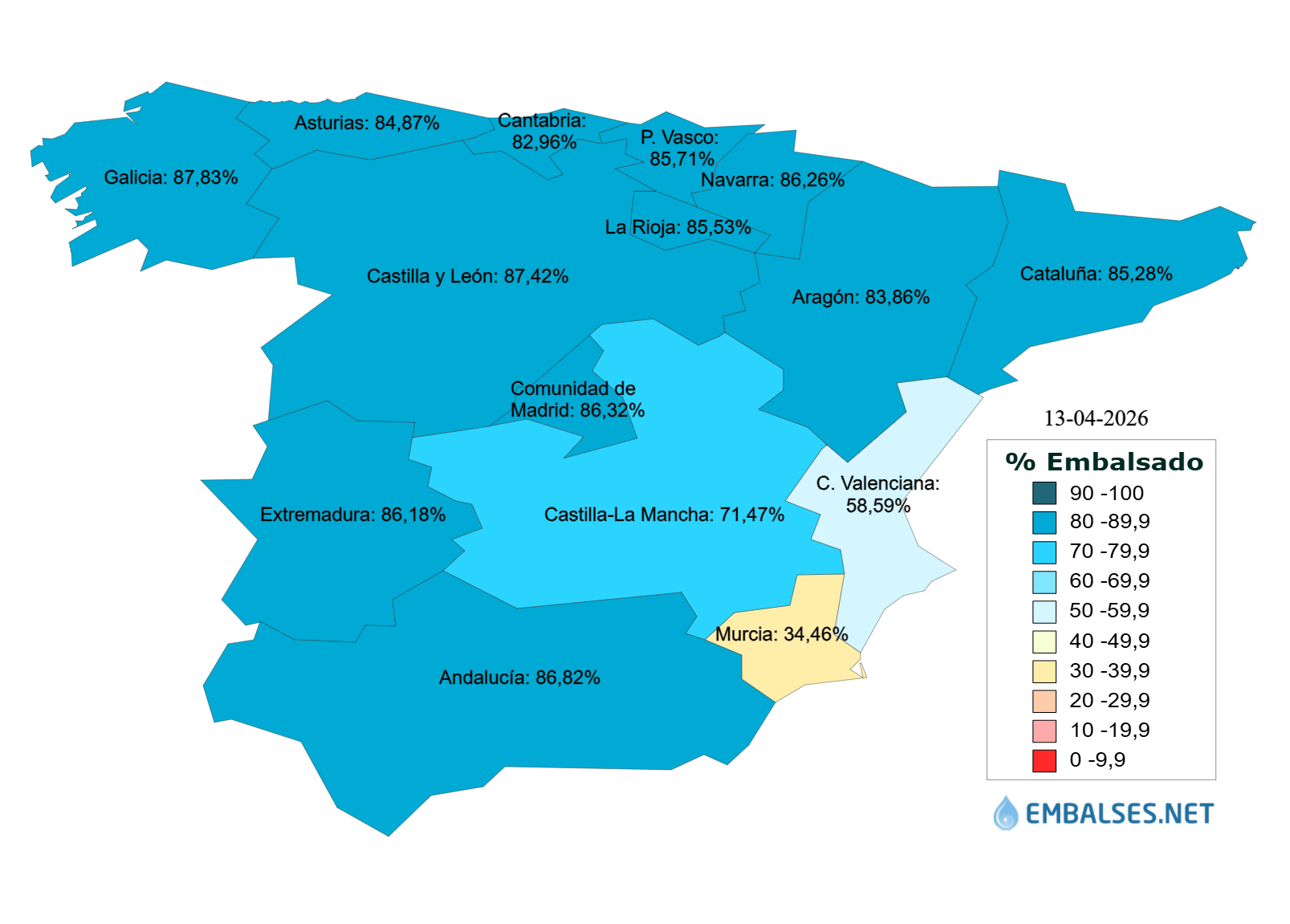
Winter rainfall has significantly improved water reserve levels and soil moisture, and groves are generally in healthy vegetative condition.
Greece’s olive oil market
The Greek market remains in a holding pattern. Prices have increased modestly by €0.05–0.10/kg across categories this week, but trading volumes remain thin. Producers are reluctant to sell, anticipating further price increases, while buyers face limited availability and little room for negotiation. If this standoff persists, recent price gains could prove fragile.
Trees are progressing from budding into flowering, with groves reported to be in generally good condition.
Current prices
.jpg)
Italy's olive oil market
Demand in Italy has picked up, supported by moderate but not excessive stock levels. Producers are increasingly aware of the need to clear inventories ahead of the next harvest. EVOO is currently priced at €6.50–7.00/kg, maintaining a premium over Spanish and Greek oils, though still around 30% below year-ago levels.
Flowering has begun across producing regions, with early indications positive, following a stronger-than-average campaign.
Tunisia's olive oil market
Tunisia has delivered a strong campaign, with production estimated at 380,000–400,000 tonnes, significantly above last season’s sub-340,000 tonnes. Exports have surged accordingly. Tunisia shipped 130,900 tonnes in the first three months of the season, a 55.7% increase year-on-year (ONAGRI).
However, prices have declined under increased supply pressure. Tunisian EVOO is currently quoted at €3.80–4.00/kg at origin, maintaining competitiveness versus European oils but compressing margins. Meanwhile, U.S. tariffs of 25% continue to weigh on exports, accelerating Tunisia’s diversification toward China, the Gulf, and Sub-Saharan Africa.
EVOO price comparison by country
.jpg)
Rapeseed oil
The global rapeseed oil market is being pulled between record production and ongoing trade disruption. Global production for 2025/26 is forecast at 95.27 million tonnes, nearly 10 million tonnes higher year-on-year (USDA FAS).
However, the 100% tariffs imposed by China on Canadian rapeseed oil and meal continue to distort trade flows. Canadian exports to China have declined sharply, with volumes redirected toward the U.S. and Europe, putting downward pressure on prices in those markets.
Demand remains firm, supported by the biodiesel and renewable diesel sectors, particularly in the EU and the United States. Overall, the market is characterized by ample global supply but uneven regional pricing.
Current prices
.jpg)
Sunflower oil
The sunflower oil market remains under pressure, with tight supply and elevated prices driven by ongoing disruption in the Black Sea region. Global production for 2025/26 is forecast at 20.02 million tonnes, down from 22.12 million tonnes in 2023/24.
The decline is driven primarily by Ukraine, where production has fallen dramatically, while Russia remains more stable. Global trade has contracted accordingly. Supply constraints have intensified following recent strikes on Ukrainian processing and export infrastructure, pushing prices to multi-year highs.
The EU remains heavily dependent on Ukrainian supply, while Turkey and India have increased purchases from Russia. Some relief is coming from Argentina, with production forecast at 2.10 million tonnes, helping ease prices slightly. However, stocks remain low, and the market is highly sensitive to further disruption.
Current prices
 (1).jpg)
Avocado oil
Mexico
Mexico is the world’s leading producer. However, the market is currently in a seasonal supply gap, as the Hass harvest ends and the Méndez season has yet to begin. This has tightened availability and pushed Mexican-origin prices above competing origins.
A new labour certification scheme under the Plan Michoacán for Peace and Justice is also being trialled, with stricter compliance expected later in the year.
Peru
Peru is emerging as the key short-term supplier, with volumes building ahead of a May–August peak. Stronger harvests and improved yields are boosting crude oil output, supported by the diversion of non-export-grade fruit into processing.
Colombia
Colombia continues to provide supply continuity, with production flowing through August. Its staggered harvest helps bridge the gap between Mexico and Peru.
Kenya
Kenya is a rapidly growing origin, with processing volumes tripling between 2024 and 2025. Production is estimated to be much higher this season, though exports are constrained by Red Sea logistics disruptions and tighter controls. Investment in processing and certified supply chains is strengthening Kenya’s position as a reliable alternative supplier.
Market outlook
While global production across several vegetable oil segments is showing signs of recovery, trade disruptions, weather sensitivity, and strong structural demand continue to fragment supply chains and amplify regional price divergences. As the season progresses, attention will remain on weather conditions in key producing regions, the pace of stock drawdowns, and geopolitical developments shaping global trade flows.
Key watchpoints per sector:
● Olive Oil: Spain’s tightening stocks and sustained late-season demand are keeping the market firm, with 2026 price direction dependent on flowering and fruit set conditions over the coming weeks.
● Rapeseed Oil: Record global supply is being offset by ongoing Canada–China trade distortions, maintaining volatility in regional price spreads despite strong biodiesel-driven demand.
● Sunflower Oil: The market remains structurally tight, with Black Sea supply risks and low global stocks leaving prices highly sensitive to any further disruption.
● Avocado Oil: Seasonal shortages in Mexico are tightening near-term supply, while Peru’s upcoming peak season (May–August) is expected to provide key relief.
Source vegetable oil with confidence on Wikifarmer's Marketplace:
Disclaimer: The information provided on this website, including market prices, insights, and projections, is for general informational purposes only. While we strive to ensure accuracy and timeliness, we make no guarantees regarding the completeness, reliability, or suitability of the information presented. Users are solely responsible for independently verifying the data and assessing its relevance to their specific circumstances before making any decisions. Wikifarmer and its operators shall not be held liable for any losses, damages, or consequences arising from the use of the information provided herein.