

Your weekly food recall & compliance tracker w46/2025
The Rapid Alert System for Food and Feed (RASFF) issued 109 safety notifications during the last week, exposing significant contamination patterns that demand immediate attention from farmers, wholesale buyers, and agricultural stakeholders across Europe. This week's alerts reveal persistent challenges with mycotoxins, banned pesticides, and microbial hazards that continue to threaten food supply chains and market access.
Highlights at a glance
Total recalls: 109 notifications (99 food products, 7 feed materials, 3 food contact materials)
Fresh produce: Fruits and vegetables led all categories with 26 recalls (23.9% of total), followed by dietary supplements (12), meat products (11), and nuts/seeds (10)
Geographic hotspots: Turkey topped the origin list with 14 recalls (12.8%), followed by the United States (9), and France (8)
Primary hazards: Aflatoxins dominated with 18 cases, followed by ochratoxin A (7 cases), Salmonella (11 cases), and banned pesticide chlorpyrifos (4 cases)
Turkish dried figs: A staggering 13 recalls of Turkish dried figs due to aflatoxins and ochratoxin A, representing 50% of all fruit and vegetable recalls
Organic products at risk: Three organic products from Turkey (all dried figs) were contaminated with mycotoxins, raising questions about certification standards
Top product categories affected by food recalls
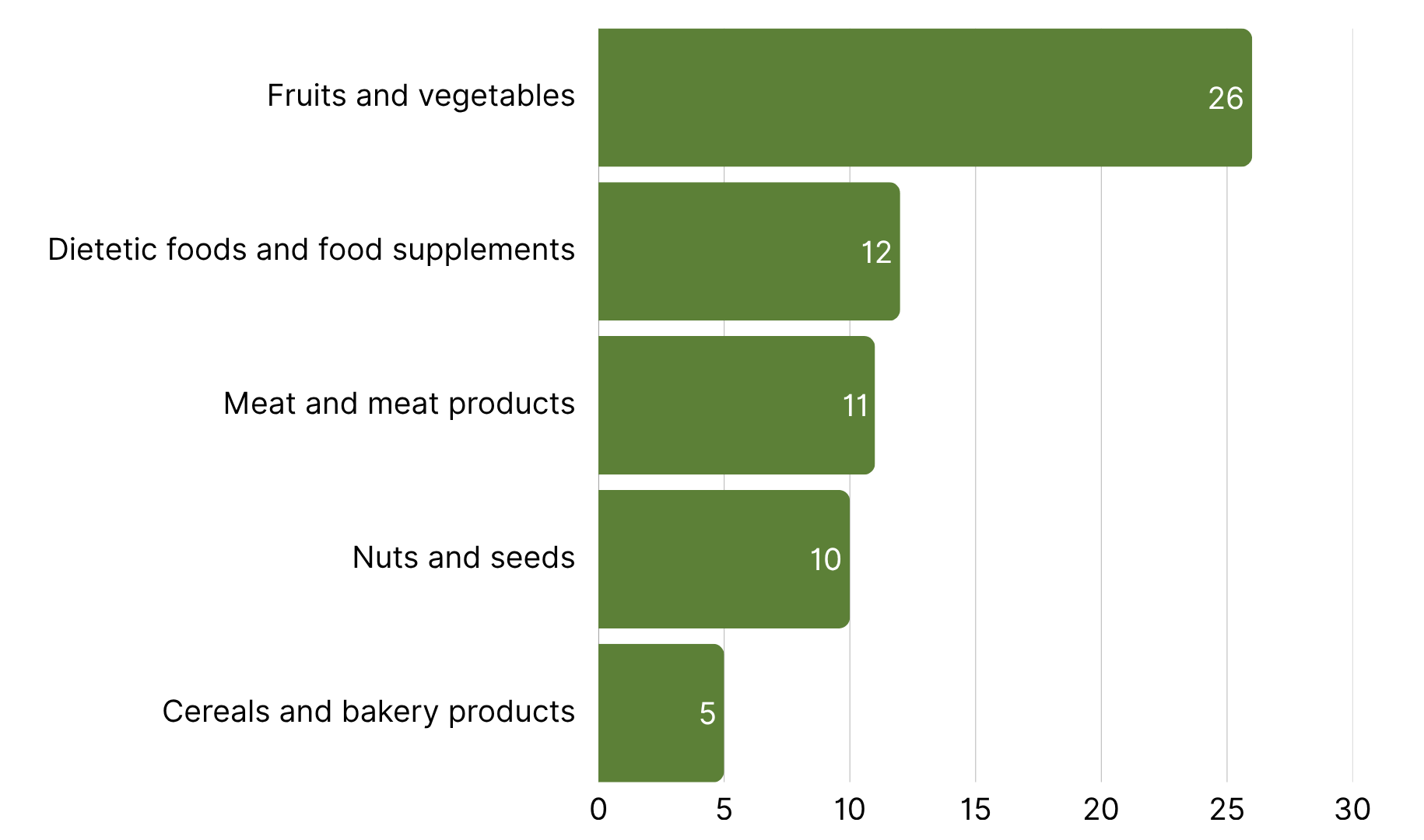
Graph 1: Top 5 Product Categories with the Most RASFF Alerts (Week 46)
The distribution of recalls across categories reveals where European food safety systems encountered the most significant compliance failures this week. Fruits and vegetables stood out as the most problematic category, accounting for nearly 25% of all alerts. This high rate reflects both the vulnerability of fresh produce to contamination and the intensive scrutiny these products receive at EU borders.
Dietetic foods and supplements captured 11% of notifications, while meat products (excluding poultry) represented 10.1%. The presence of nuts, nut products, and seeds in the top five categories (9.2%) highlights the persistent challenge of aflatoxin contamination, which has plagued dried fruit and nut imports for decades.
Feed materials accounted for 7 recalls, including concerns about dioxin contamination in apple pomace from Poland and aflatoxin B1 in maize from Brazil, hazards that could enter the human food chain through livestock.
Fresh produce focus
Fresh produce remains the most vulnerable category in European food safety monitoring. With 26 recalls in a single week, the sector faces mounting pressure from pesticide residues, mycotoxins, and inadequate quality control systems in exporting countries.
Pesticide violations dominated fresh produce alerts, with 11 cases involving unauthorised or excessive residues. The persistence of chlorpyrifos was reported in 4 separate fresh produce notifications from Ukraine, Ecuador, Egypt, and Kosovo. This pattern suggests systematic failures in export compliance systems, as producers continue using pesticides prohibited in their target markets.
The Turkish dried fig phenomenon emerged as the week's most striking pattern. 13 recalls traced back to Turkey's dried fig sector, with contamination levels reaching dangerous extremes. French authorities reported aflatoxin levels 20 times the legal limit in one shipment. The contaminants included aflatoxin B1, total aflatoxins, and ochratoxin A, mycotoxins that form during sun-drying and storage when temperature and humidity controls fail.
This represents a continuation of a long-standing problem. EU audits have repeatedly questioned Turkish control systems. Despite extensive pre-export screening programs, the contamination persists, suggesting fundamental issues with production, drying, and storage practices in the Aegean region, where 90% of Turkey's figs are grown.
Pathogen contamination added another dimension to fresh produce risks. Salmonella Agona appeared in coconut from Indonesia, while multiple European-origin leafy greens tested positive for pathogenic E. coli and Listeria monocytogenes.
Nitrate overload in spinach from Spain and multiple pesticide violations in exotic vegetables like pak choi (lambda-cyhalothrin), passion fruit (three unauthorised substances), and fresh dill (three pesticides including cypermethrin) demonstrate that food safety challenges extend across the entire fresh produce spectrum.
Complete list of recalled fruits and vegetables
Fresh vegetables and fruits
- Soybean for crushing (Ukraine): chlorpyrifos
- Dried figs (Turkey): aflatoxins B1 & total (multiple alerts)
- Dried figs (Turkey): ochratoxin A (multiple alerts)
- Dried organic figs (Turkey): aflatoxins & ochratoxin A
- Bananas (Ecuador): chlorpyrifos
- Bananas (Colombia): carbendazim & benomyl
- Coconut (Indonesia): Salmonella Agona
- Passion fruit (Colombia): dinotefuran, flonicamid, fluopicolide
- Black olives (Egypt): chlorpyrifos
- Sliced gherkins (Kosovo): chlorpyrifos
- Quince (Syria): dimethoate & omethoate
- Spinach (Spain): nitrate (high content)
- Pak choi Shanghai (Italy): lambda-cyhalothrin
- Fresh dill (Uzbekistan): penconazole, profenofos, cypermethrin
- Yard-long beans (Sri Lanka): carbofuran
Cereals and grains
- Wheat for breadmaking (France/Italy): tetramethrin (unauthorised)
- Basmati rice (India): ochratoxin A
- Rice (Pakistan): aflatoxin B1
- Raw waxy corn (France): aflatoxins B1 & total
- Durum wheat pasta (Italy): glass pieces (foreign body)
Nuts and seeds
- Hazelnuts (Azerbaijan via Turkey): aflatoxin B1
- Groundnuts/peanuts (Argentina): aflatoxin B1 & total (multiple alerts)
- Groundnut kernels (Nicaragua): aflatoxin B1
- Sesame seeds (Nigeria): Salmonella
- Sesame seeds (Uganda): Salmonella
- Walnuts (USA): moisture/quality issues
- Pistachios (Iran): aflatoxins B1 & total (2 alerts)
Where do the recalled products come from?
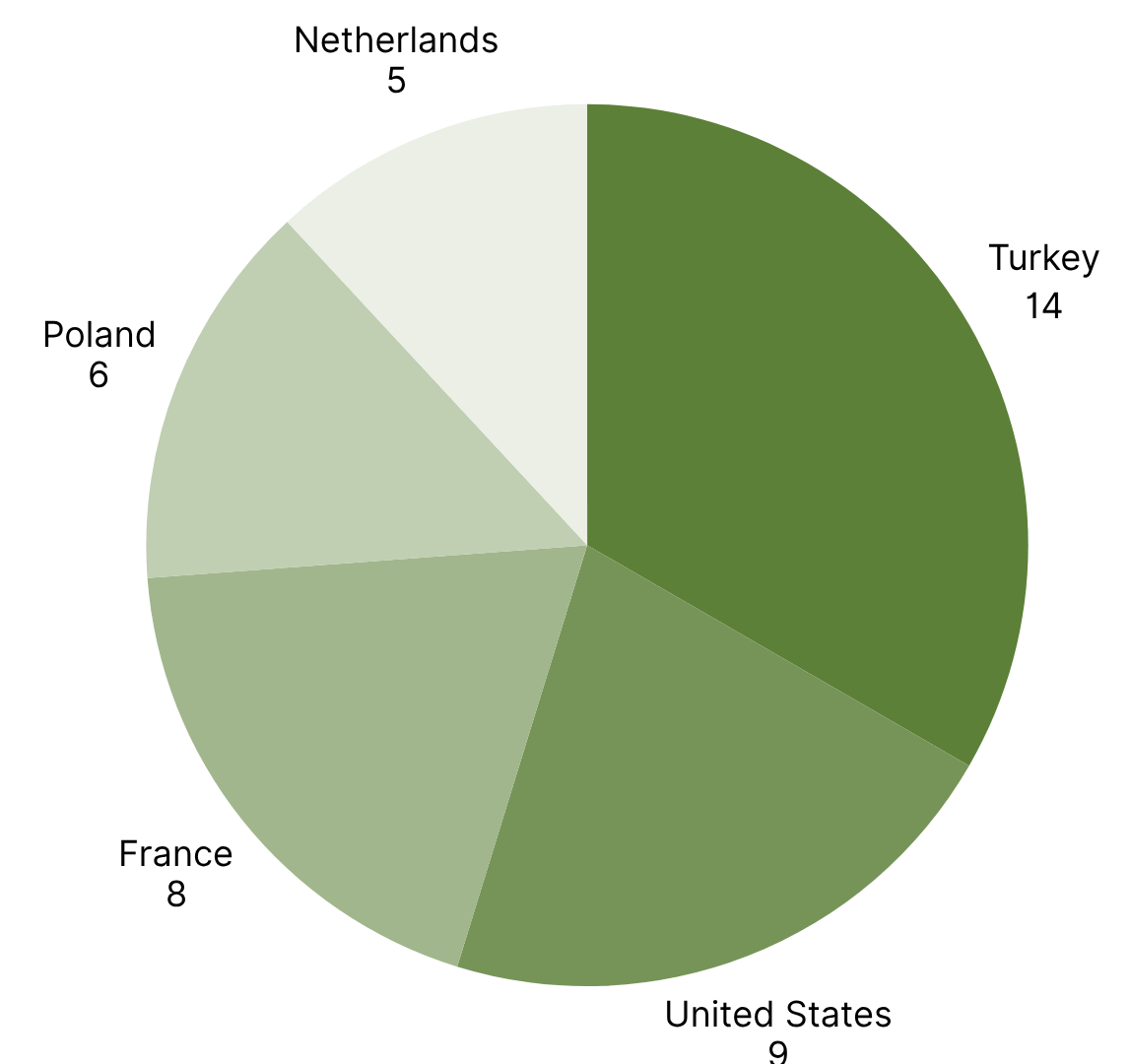
Graph 2: Top 5 Countries with the Most RASFF Alerts (Week 46)
The geographic distribution of recalls reveals striking regional vulnerabilities in food safety systems. Turkey emerged as the highest-risk origin, responsible for 12.8% of all notifications last week. The concentration of mycotoxins in dried figs and nuts reflects systemic challenges with mycotoxin control in sun-dried products, exacerbated by climate conditions that favour the growth of aflatoxin-producing Aspergillus fungi.
EU internal alerts represented a significant portion of total notifications, with 36 recalls (33%) originating from member states. France led with 8 recalls, followed by Poland (6), the Netherlands and Italy (5 each). These internal alerts included Salmonella in poultry, STEC (Shiga toxin-producing E. coli) in raw milk cheese, and Listeria monocytogenes in dairy products. The high EU internal notification rate demonstrates that food safety challenges are not exclusively import-related. Domestic production faces significant microbial contamination risks, particularly in raw and minimally processed animal products.
Asian exporters featured prominently across multiple categories. India contributed 5 recalls (pyrrolizidine alkaloids in cumin, ochratoxin A in basmati rice), while China appeared in 4 notifications. Indonesia's coconut contaminated with Salmonella Agona and Sri Lanka's carbofuran-contaminated yard long beans highlight pesticide governance gaps in Southeast Asian agricultural systems.
Latin American produce revealed chlorpyrifos and carbendazim violations in bananas from Ecuador and Colombia, alongside pesticide cocktail contamination (three unauthorised substances) in Colombian passion fruit. These findings are particularly concerning as these countries are major fresh fruit exporters to European markets.
The Middle Eastern and North African corridor showed elevated risk, with Egypt (black olives with chlorpyrifos), Syria (quince with dimethoate/omethoate), and multiple North African spice and nut shipments triggering alerts.
Turning weekly alerts into everyday decisions
Looking at one week of recalls in isolation can feel overwhelming; yet, for anyone producing or trading food, this data is essentially a free risk map. The pattern is clear. Problems concentrate in a few places: dried figs and nuts with mycotoxins, fresh fruit and vegetables with non-compliant pesticides, and long, complex supply chains where documentation or basic hygiene slips. If your product falls into one of these clusters, this is a signal to review how you grow, store, test, and document, not only when something goes wrong, but also while everything seems to be going well.
For farmers and cooperatives, the message is not that exports are too risky, but that the bar for market access is rising. Simple things matter more than ever: keeping drying yards clean, avoiding mixed lots, recording every treatment, checking storage humidity, and talking openly with buyers about test results and expectations. Mycotoxins and banned pesticides are rarely an accident. They usually reflect habits that have been tolerated for years, until a laboratory report or a rejected container makes the cost visible.