



Your weekly food recall & compliance tracker w45/2025
The European Union's Rapid Alert System for Food and Feed (RASFF) recorded 149 food safety notifications during the last week, revealing significant contamination patterns that directly impact farmers, exporters, and wholesale buyers across the agricultural supply chain. This analysis provides actionable intelligence from the latest RASFF data to help agricultural professionals navigate compliance challenges and market risks.
Highlights at a glance
- Total recalls: 149 notifications across food, feed, and food contact materials
- Fresh produce impact: Fruits and vegetables accounted for 19.5% of all recalls (29 notifications), making it the most affected category
- Leading hazards: Salmonella bacteria (17 cases), aflatoxins (14 cases), and ochratoxin A mycotoxins (12 cases) dominated safety alerts
- Highest-risk origin: Turkey led with 17 total recalls, with 13 specifically for fruits and vegetables—primarily dried figs contaminated with ochratoxin A
- EU internal issues: 42 recalls originated from within EU member states, with the Netherlands (12), Italy (7), and Poland (7) showing the highest numbers
- Pesticide violations: 11 separate cases of pesticide residue exceedances affected fresh produce, particularly table grapes, peppers, and mandarins
Top product categories affected by food recalls
The distribution of recalls across product categories reveals where supply chain vulnerabilities are most acute:
Fruits and vegetables dominated with 29 recalls (19.5%), followed closely by dietetic foods and supplements at 27 recalls (18.1%). Nuts, nut products, and seeds registered 15 recalls (10.1%), while cereals and bakery products accounted for 8 recalls (5.4%).
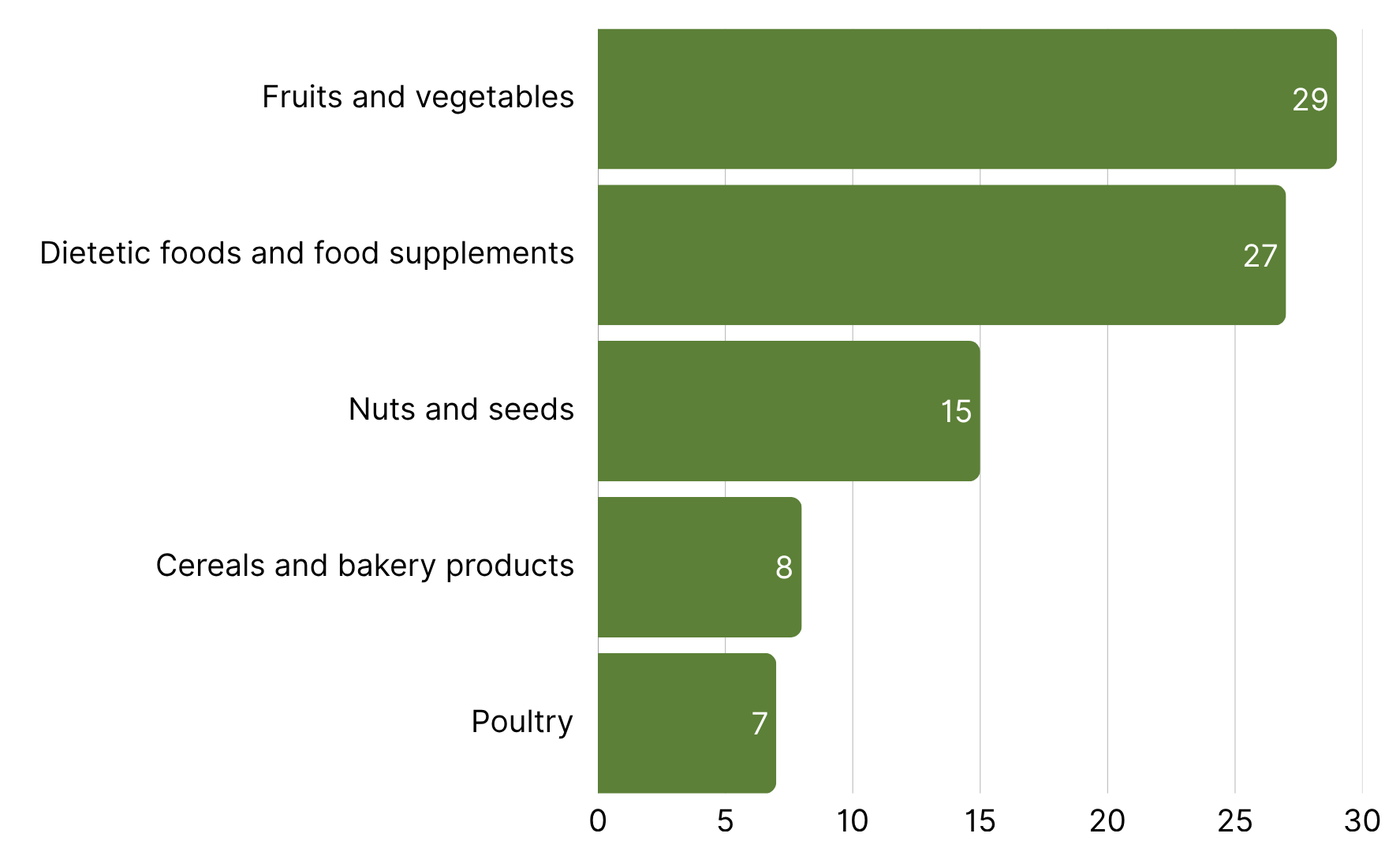
Graph 1: Top 5 Product Categories with the Most RASFF Alerts (Week 45)
This pattern indicates that fresh and dried plant-based commodities face the highest contamination risks, particularly from mycotoxins and pesticide residues. For farmers and exporters, this underscores the critical importance of pre-harvest management, proper drying techniques, and rigorous testing protocols.
Fresh produce focus
The fresh produce sector experienced significant scrutiny during week 45, with contamination spanning multiple commodity groups and geographic origins. The alerts reveal systemic challenges in pesticide application, post-harvest handling, and mycotoxin management that require immediate attention from producers and buyers alike.
Complete list of recalled fruits and vegetables
This comprehensive catalog documents every fruit, vegetable, cereal, and herb recalled during week 45, formatted for quick reference by commodity buyers and quality control managers.
Fruits
- Dried figs (Türkiye): ochratoxin A
- Frozen blueberries (Unknown origin): Bacillus cereus
- Rambutan (Vietnam): acephate (unauthorized), cypermethrin, flubendiamide, methamidophos
- Table grapes, white (Italy): acetamiprid
- Table grapes, red (Italy): acetamiprid
- Pomegranate (Türkiye): acetamiprid, pyriproxyfen
- Mandarins (Peru): chlorfenapyr, propiconazole
- Dried mulberries (Türkiye): ochratoxin A
- Dried mulberries (Uzbekistan): ochratoxin A
Vegetables
- Mushrooms/champignons (Poland): fluazinam
- Peppers (Egypt): MCPA
- Peppers, fresh (Albania): nickel
- Peppers, fresh (Netherlands): ethephon
- Peppers, Capsicum baccatum (Peru): acetamiprid, chlorfenapyr, clothianidin, dinotefuran (unauthorised), fipronil (unauthorised), phenthoate (unauthorised)
- Cucumber (Spain): acetamiprid
- Kale (Belgium): deltamethrin
- Arugula/rocket (Italy): dithiocarbamates
- Black beluga lentils (Canada): paraquat (unauthorised substance)
- Pickled truffle (Australia): Listeria monocytogenes
Cereals and grains
- Rice (India): ochratoxin A
- Rice (Pakistan): aflatoxin B1
- Basmati rice (Pakistan): aflatoxin B1
- Basmati rice (Pakistan): acetamiprid
- Brown rice (Italy): inorganic arsenic
- Gluten-free pasta (Romania): undeclared gluten allergen
- Pita & Lebanese breads (Netherlands): mould contamination
Herbs and spices
- Ground cumin (Lebanon): pyrrolizidine alkaloids
- Herbal infusion for infants (Italy): pyrrolizidine alkaloids
- Cumin, whole (India): pesticide residues
- Dried lily flower (China): unauthorised novel food
- Tea, single-dose packs (Türkiye): sibutramine (pharmaceutical)
- Cinnamon powder (Vietnam): lead
Where do the recalled products come from?
Understanding geographic risk patterns is essential for procurement managers and farmers targeting export markets. The data reveals distinct contamination profiles by origin country.
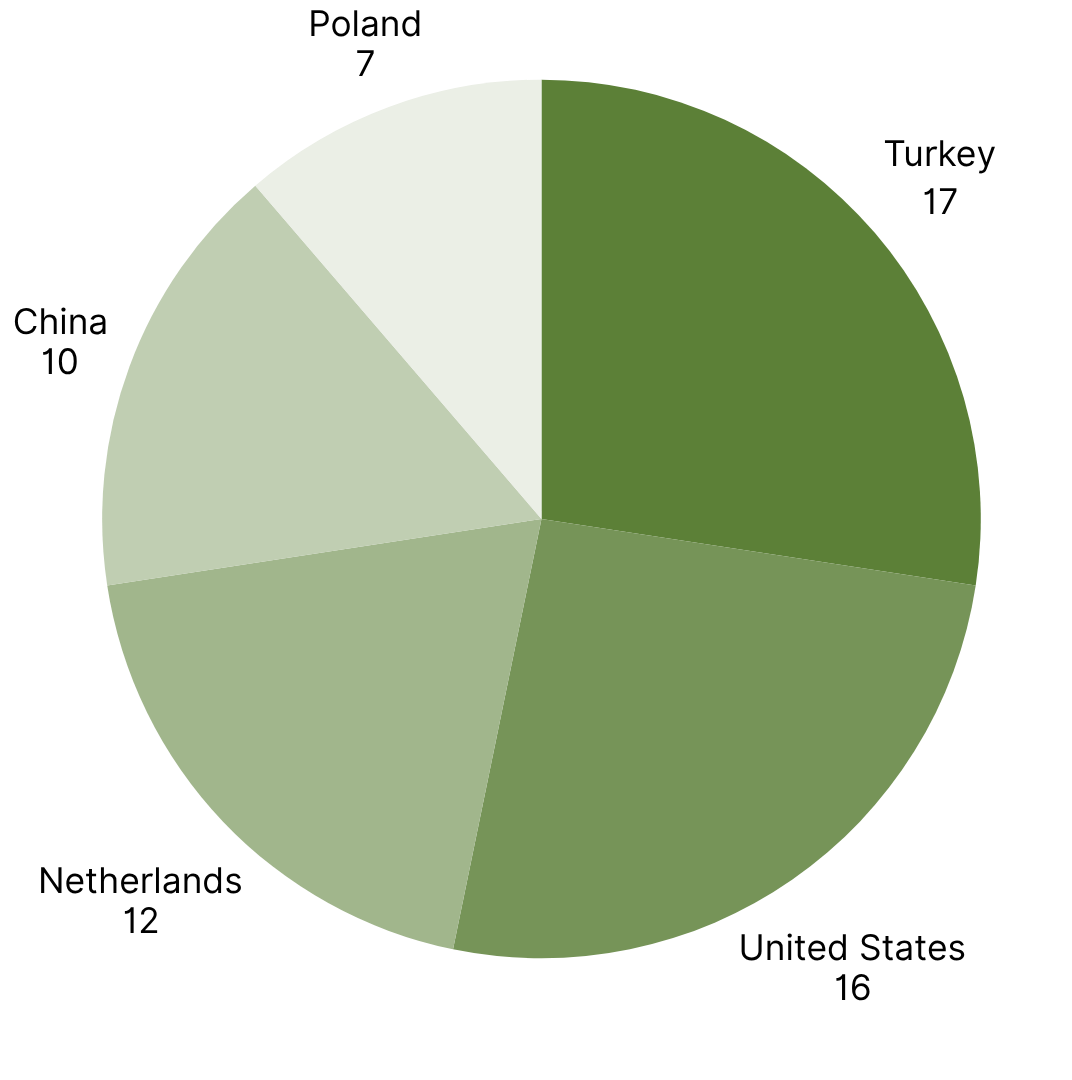
Graph 2: Top 5 Countries with the Most RASFF Alerts (Week 43)
Non-EU high-risk origins
Turkey topped the recall list with 17 notifications, predominantly for fruits and vegetables (13 cases). The country's dried fig industry continues to struggle with ochratoxin A contamination, as 12 separate notifications involved Turkish dried figs and mulberries with this mycotoxin. This persistent problem stems from improper drying conditions and inadequate sorting procedures, despite Turkey supplying 60% of the global demand for dried figs.
The United States registered 16 recalls, though primarily for food supplements rather than fresh produce, reflecting different regulatory challenges.
China accumulated 10 recalls across diverse categories, including herbs, nuts, and supplements, with unauthorised substances being the primary concern.
Pakistan recorded significant issues with basmati rice, with three separate recalls for aflatoxin B1 contamination and one for acetamiprid pesticide residues, highlighting quality control failures in their rice export chain.
EU internal compliance failures
Within the European Union, the Netherlands led with 12 recalls, followed by Italy and Poland with 7 each. Notably, Italy faced multiple recalls for pesticide residues exceeding maximum residue limits (MRLs) in table grapes, specifically acetamiprid violations. Recent German laboratory analyses have flagged Italian grape samples alongside Turkish imports for acetamiprid levels that exceed acute reference doses by over 200%, presenting genuine health risks.
Belgium contributed 5 recalls, including a concerning deltamethrin violation in kale and Salmonella contamination in frozen burger meat, indicating both agricultural and processing control gaps.
EU producers must maintain vigilance, particularly regarding pesticide application timing and adherence to pre-harvest intervals.
Hazard analysis: The five major threat categories
1. Mycotoxins
Mycotoxins accounted for 26 recalls, representing the most significant biological hazard category. Ochratoxin A appeared in 12 cases, predominantly in dried figs and mulberries from Turkey. This mycotoxin, produced by Aspergillus species during improper drying and storage, poses serious health risks including kidney damage and potential carcinogenic effects.
Aflatoxins triggered 14 recalls, affecting nuts (Argentine groundnuts, Nigerian sesame seeds), rice from Pakistan, and Iranian pistachios. Climate change is exacerbating aflatoxin formation, with Turkish authorities now destroying 1,500 tons of contaminated dried figs annually, triple the volume from previous years.
Farmers producing dried fruits must implement controlled drying environments with proper ventilation, maintain moisture levels below 20%, and conduct UV lamp screening to detect mycotoxin presence before export. The investment in dark room inspection facilities and laser sorting technology pays dividends in market access and brand protection.
2. Pesticide residues
Eleven recalls involved pesticide violations, with acetamiprid being the most frequently detected insecticide above permitted levels. This neonicotinoid appeared in Italian white and red table grapes, Spanish cucumbers, Turkish pomegranates, and Peruvian peppers.
The acetamiprid problem is particularly acute because EU regulations are tightening, and the maximum residue limit for table grapes is expected to drop from 0.5 mg/kg to 0.08 mg/kg.
Other notable pesticide violations included:
- Chlorfenapyr (unauthorised in the EU) in Peruvian mandarins and peppers
- Paraquat (banned herbicide) in Canadian black beluga lentils
- Fluazinam in Polish mushrooms
- Deltamethrin in Belgian kale
- Dithiocarbamates in Italian arugula
Farmers must strictly observe pre-harvest intervals (PHI) and maintain detailed spray records. The trend toward lower MRLs and stricter enforcement means that pesticide strategies developed even 2-3 years ago may now result in border rejections. Consider transitioning to biological control methods and reduced-risk pesticides that are approved under both the origin and destination country regulations.
3. Bacterial Pathogens
Salmonella bacteria triggered 17 recalls, appearing in diverse products from frozen frog legs (Vietnam), sesame seeds (Nigeria), chicken meat products (Poland), and burger meat (Belgium). This pathogen indicates inadequate sanitation during processing and handling.
Listeria monocytogenes contaminated pickled truffles from Australia, and was detected in other ready-to-eat products, highlighting post-processing contamination risks.
4. Heavy metals
Heavy metal contamination appeared in several notifications:
- Nickel in Albanian peppers
- Lead in Vietnamese cinnamon powder
- Inorganic arsenic in Italian brown rice
These contaminants typically originate from soil contamination, industrial pollution, or contaminated irrigation water. Farmers in areas with historical industrial activity should conduct soil testing and consider remediation strategies or crop selection adjustments.
5. Unauthorised substances and adulteration
Twelve recalls involved unauthorised substances, including:
- Banned pesticides like paraquat, acephate, and chlorfenapyr are used in countries where they remain legal
- Pharmaceutical adulterants (sibutramine in Turkish slimming tea)
- Unauthorised novel foods (dried lily flower from China)
This category reflects regulatory arbitrage where substances legal in origin countries violate EU food law, creating significant trade barriers.
Looking forward
Last week’s data aligns with broader 2025 trends showing increased enforcement stringency, lower tolerance for pesticide residues, and expanding mycotoxin monitoring. The EU's "Farm to Fork" strategy continues driving regulatory tightening, with particular focus on:
- Reducing chemical pesticide dependency by 50% by 2030, accelerating MRL reductions for neonicotinoids and other controversial chemistries
- Enhanced mycotoxin regulation extending to products previously unregulated, including potential maximum limits for ochratoxin A in dried figs
- Climate change adaptation requirements as contamination patterns shift with warming temperatures
- Traceability digitization through blockchain and QR code systems linking farm-level practices to retail products
The agricultural sector must anticipate that compliance requirements will intensify, not stabilize. Strategic investments in testing infrastructure, precision agriculture, and alternative pest management systems position farms and supply chains for sustained market access in an increasingly regulated environment.