

Your weekly food recall & compliance tracker w37/2025
The second week of September 2025 brought a new wave of food safety alerts across Europe, with 97 food recalls logged in the EU's Rapid Alert System for Food and Feed (RASFF) database. Fresh produce dominated the recall landscape, representing 28.9% of all alerts – a clear sign that agricultural producers and wholesale buyers must remain vigilant.
Highlights at a Glance
Key takeaways from Week 37:
- 28 fresh produce recalls across fruits, vegetables, herbs, and cereals
- Turkey emerged as the highest-risk origin with 9 produce-related alerts
- Pesticide residues drove 64% of fresh produce recalls, particularly unauthorized chlorpyrifos
- Mycotoxin contamination affected dried fruits from Mediterranean regions
- Microbial threats targeted leafy greens and ready-to-eat products
The data reveals that while the EU maintains some of the world's strictest food safety standards, contamination risks persist across global supply chains, with 84% of notifications linked to non-EU products.
Top product categories affected by food recalls
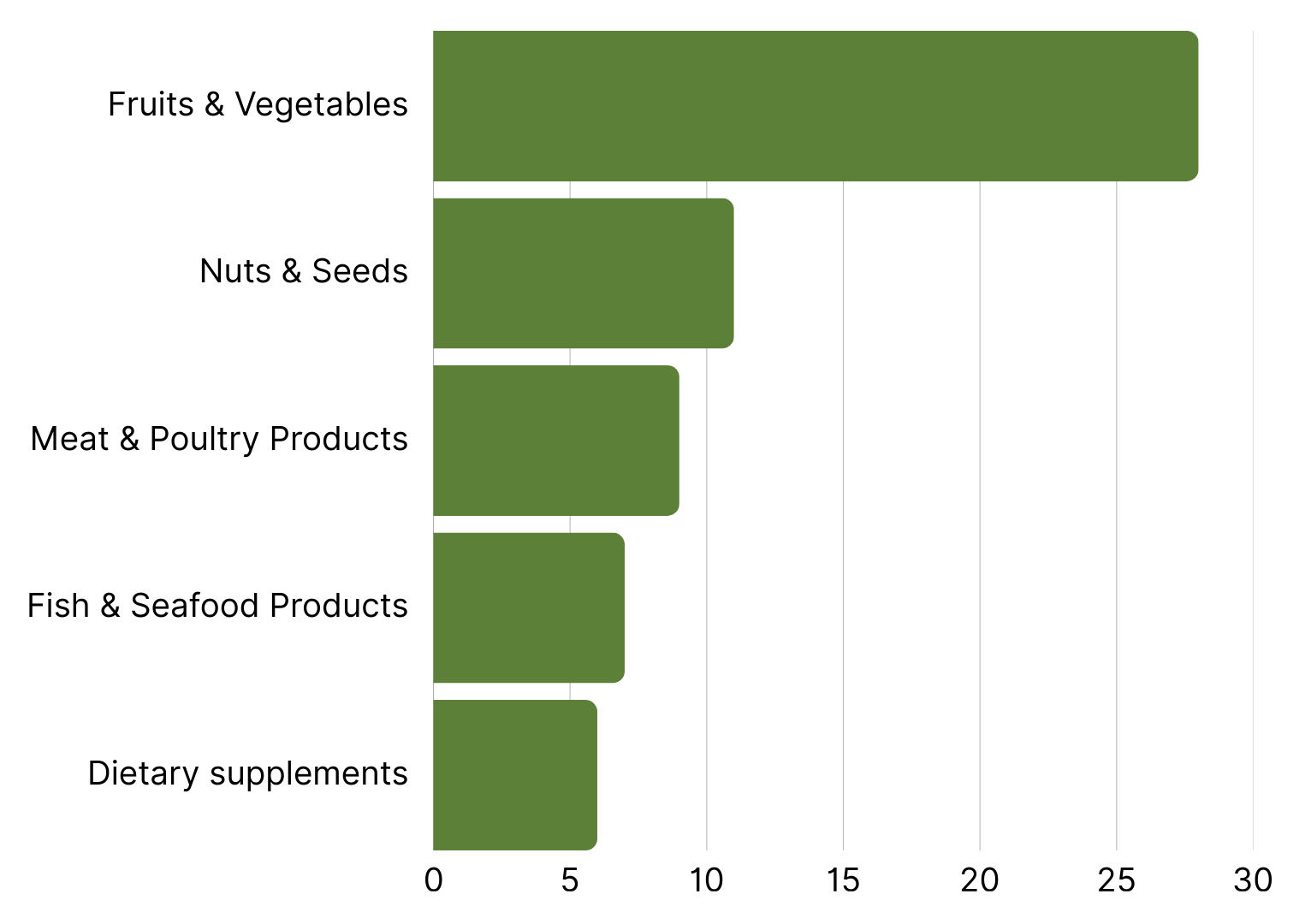
Graph 1: Top 5 Product Categories with the Most RASFF Alerts (Week 37)
Fresh produce led the recall statistics, but the broader food safety landscape shows diversified risks across multiple categories:
Fresh produce dominated with 28 recalls (28.9%), followed by nuts and seeds at 11 recalls (11.3%). Fish and seafood products recorded 7 alerts, while meat and poultry combined for 9 recalls. The concentration of alerts in fresh produce reflects both the sector's vulnerability to contamination and the intensive monitoring it receives at EU borders.
Dietary supplements and fortified foods accounted for 6 recalls, highlighting concerns about undeclared ingredients and incorrect labeling. Cereals and bakery products recorded 4 alerts, primarily due to mycotoxins and foreign body contamination.
The pattern confirms that perishable, minimally processed foods carry the highest contamination risks, particularly when sourced from regions with varying food safety standards.
European food recalls breakdown on fresh produce
Week 37's fresh produce alerts paint a troubling picture for farmers and buyers. Pesticide violations dominated, accounting for 18 of the 28 produce recalls. Unauthorized substances like chlorpyrifos - banned in the EU since 2020 - continue appearing in imported fruits and vegetables.
Turkey stood out as the primary concern, generating 9 produce-related alerts including contaminated grape leaves, pears, dried figs, vine leaves, and peppers. The recurring violations suggest systemic compliance issues rather than isolated incidents.
Mycotoxin contamination emerged as the second major threat, particularly ochratoxin A in dried figs and mulberries from Turkey. These naturally occurring toxins pose serious health risks and indicate inadequate post-harvest handling and storage practices.
Microbial contamination, while less frequent, targeted ready-to-eat products like leafy greens from Ireland, where Listeria monocytogenes was detected. This pathogen thrives in moist environments and can survive refrigeration, making it particularly dangerous for fresh-cut produce.
The geographic concentration of alerts suggests that supply chain due diligence remains insufficient for high-risk origins, particularly during peak harvest seasons when processing volumes surge.
Fruit and Vegetable Recalls in Europe
The following comprehensive list details all fresh produce recalls during the analyzed period:
Fruits
- Bananas (Peru): chlorpyrifos
- Bananas (Philippines): mineral oil
- Dates (Hong Kong): anthraquinone
- Dragon fruit (Vietnam): dithiocarbamates
- Dried figs (Turkey): ochratoxin A
- Dried mulberry (Turkey): ochratoxin A
- Limes (Brazil): chlorpyrifos
- Mangoes (Egypt): clothianidin
- Peaches (Jordan): bifenazate
- Pears (Turkey): cypermethrin
- Pineapple (Panama): chlorpyrifos
- Raspberries (Ukraine): folpet
Vegetables
- Green beans (Benin): chlorpyrifos
- Green beans (Kenya): bifenthrin
- Grape leaves (Turkey): acetamiprid
- Leafy greens (Ireland): Listeria monocytogenes
- Mixed vegetables (Belgium): contamination/safety issue
- Peppers (Turkey): spirotetramat
- Peppers (Thailand): acetamiprid
- Tomatoes (Morocco): contamination/safety issue
- Tomatoes (Turkey): indoxacarb
- Vine leaves (Turkey): dithiocarbamates
Herbs and Spices
- Parsley (Egypt): polycyclic aromatic hydrocarbons
- Dried rosemary (Spain): Salmonella
- Spice mix (China): lead and mineral oil
Cereals
- Cereal/biscuit (France): Aflatoxin B1
- Rice (Italy): foreign bodies (stones)
- Wheat bran (Netherlands): cadmium
Geographic risk patterns

Graph 2: Top 5 Countries with the Most RASFF Alerts (Week 37)
The geographic distribution of food safety violations reveals systematic patterns that reflect both regional agricultural practices and regulatory enforcement capabilities. Turkey leads with 12 violations (12.4%), making it the highest-risk supplier to European markets. Turkish products showed particular problems with mycotoxin contamination in dried fruits and pesticide residue violations in fresh vegetables.
European Union internal violations were notably limited, with the Netherlands contributing 9 cases (9.3%), primarily as a transit point rather than origin country. This pattern highlights the effectiveness of EU internal food safety systems compared to third-country imports. Belgium, Germany, France, and Spain each recorded 4 violations, mostly involving processing issues rather than primary production problems.
Iran emerged as a significant concern with 5 recalls (5.2%), entirely focused on aflatoxin-contaminated pistachios. This concentration suggests systematic problems in post-harvest handling and storage systems within Iranian nut processing facilities.
Ukraine's 4 violations reflect the ongoing challenges faced by the country's agricultural sector, with chlorpyrifos in herbal tea and folpet in frozen raspberries suggesting limited access to EU-approved pesticides and technical guidance during wartime conditions.
Asian suppliers showed mixed performance, with Thailand, China, and the Philippines each contributing contamination cases. The mineral oil in Philippine banana chips and lead in Chinese spice mixes point to industrial processing contamination rather than agricultural field issues.
African countries recorded concerning violations despite lower export volumes. Egyptian products showed aflatoxin in groundnuts and PAH contamination in parsley, while Sudanese sesame seeds lacked proper certification. These patterns reflect limited food safety infrastructure in developing agricultural economies.
Latin American violations focused primarily on banned pesticide use, with Brazil, Panama, and Peru all recording chlorpyrifos detections. This geographic clustering suggests limited awareness or enforcement of EU pesticide regulations in these export regions.
Insights from our team of experts
Agricultural risk management perspective
The Week 37 data confirms three critical trends that farmers and buyers must address immediately. First, pesticide compliance failures continue plaguing international trade, with banned substances like chlorpyrifos appearing repeatedly in imported produce. This suggests that many growers either lack awareness of EU regulations or use outdated pest management protocols.
For farmers: The recurring chlorpyrifos violations highlight the urgent need for IPM (Integrated Pest Management) transition programs. Growers exporting to EU markets must invest in approved alternatives and undergo regular residue testing before harvest. The cost of non-compliance far exceeds prevention investments.
Supply chain intelligence
Turkey's dominance in the recall statistics represents both a geographic concentration risk and a seasonal processing challenge. Many violations occurred during peak harvest periods when processing facilities operate at maximum capacity, potentially compromising quality control protocols.
For buyers: Diversifying sourcing origins and implementing seasonal risk adjustments in supplier audits can reduce exposure. Consider increasing inspection frequency for Turkish suppliers during July-September peak processing periods.
Food Safety Technology Integration:
The emergence of digital traceability solutions and predictive risk modeling offers new opportunities to anticipate contamination events before they reach European borders. Companies investing in blockchain-based supply chain tracking report 40% faster recall response times and improved regulatory compliance.
Market Intelligence Forecast
Based on historical patterns and current trends, expect increased EU scrutiny on Turkish produce imports through Q4 2025. The European Commission's 12% increase in RASFF notifications indicates strengthened enforcement. Buyers should prepare for potential supply disruptions and price volatility in affected product categories.
The recurring nature of these violations suggests that systemic improvements in food safety management are needed across multiple supply chains, particularly in countries with developing agricultural export sectors.