
Your weekly food recall & compliance tracker w2/2026
The second week of January brought Europe's food safety apparatus fully back online. Between January 5 and 11, the Rapid Alert System for Food and Feed processed 68 notifications, a 17% increase from the previous week. But the surge in volume tells only half the story.
This week revealed something more instructive than sheer numbers: a clear shift in the nature of risk. While fresh produce alerts declined slightly, the spectrum of hazards broadened. Pathogenic contamination rose sharply, industrial contaminants appeared in unexpected categories, and regulatory violations exposed gaps in traceability systems across multiple borders.
Highlights at a glance
Last week's alert pattern reveals both familiar risks and emerging concerns:
- 68 total RASFF notifications, marking a 17% week-over-week increase
- Fruits and vegetables were the most affected category (14 notifications, 21.9%), followed by cereals and bakery products (10).
- Cereulide contamination crisis: 5 infant formula alerts across Switzerland, Spain, and Germany linked to contaminated ARA oil
- Three countries showed repeat Salmonella patterns: Romania (2 poultry alerts), Germany (pork), India (plant-based meat)
- Titanium dioxide (E171), banned in EU food since August 2022, appeared in imports from the United States and Russia
Top product categories affected
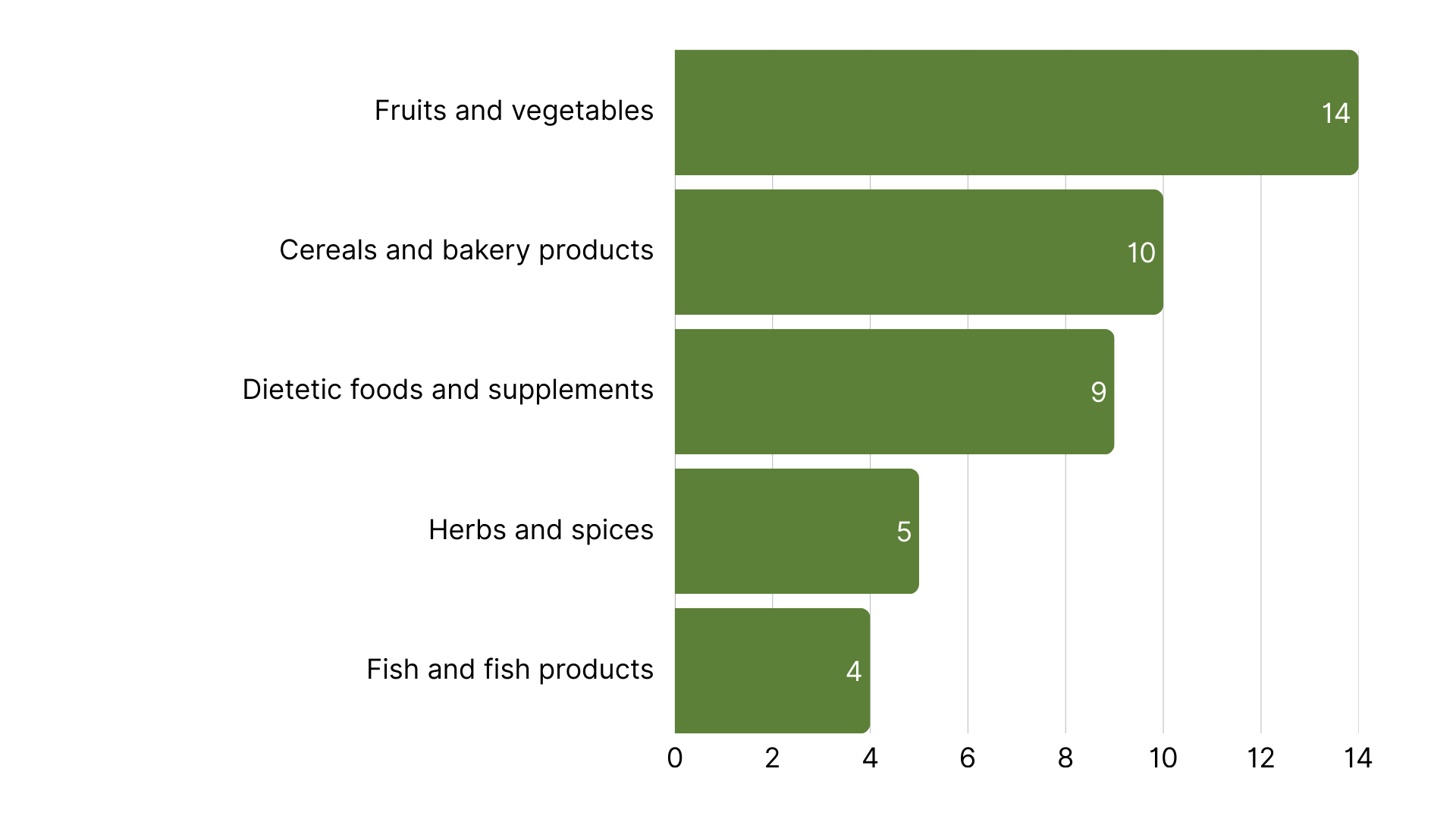
Graph 1: Top 5 Product Categories with the Most RASFF Alerts (Week 2)
Fresh produce continued to lead weekly notifications, but the infant formula crisis pushed dietetic foods into an unusually prominent position.
Fresh produce focus
Fresh produce notifications this week clustered into three familiar buckets:
1) Dried fruit and mycotoxins (especially figs)
Repeated ochratoxin A in dried figs points to storage and drying control problems that tend to flare in humid or poorly controlled conditions. When the same product shows up again and again in a single week, it usually means inspectors already know where to look, and shipments are being targeted accordingly.
2) Winter produce under pesticide pressure
Citrus and vegetables were flagged for unauthorised or high residues (examples below). For buyers, the risk is not only the residue itself, but the disruption: border holds, rejections, and supplier switching in the middle of a tight winter supply window.
3) Processing and labelling issues in produce lines
Items like frozen spinach (foreign material) and dried fruit sulphites (labelling or excessive levels) remind us that produce risk is not only “farm chemistry”. It is also sorting, packing, and documentation discipline.
Complete list of recalled fresh produce
Fruits and vegetables
- Dried figs (Turkey): Ochratoxin A [4 separate notifications], Aflatoxin B1, total aflatoxins, tenuazonic acid
- Oranges (Spain): Chlorpyrifos-methyl
- Spinach, frozen (Belgium): Plastic foreign bodies
- Eggplant (Turkey): Formetanate
- Pomegranates (Syria): Chlorpyrifos, cypermethrin
- Apricots, dried (Uzbekistan): Sulfur dioxide (unlabeled allergen)
- Apricots, dried with kernels (Afghanistan): Sulfur dioxide (excessive levels)
- Pickled beets (Syria): Rhodamine B (unauthorized dye)
- Plum compote (Hungary): Elevated hydrocyanic acid (7.4 mg/kg)
Cereal products
- Wheat flour (Italy): Incorrect gluten allergen labeling
- Breakfast cereals (Lithuania): Metal shavings (foreign objects)
- Flaxseed (France): Cadmium
- Corn kernels, organic (France): Zearalenone
- Waffles (Russia): Titanium dioxide (E171)
- Polenta (Italy): GMO above limits
- Wheat gluten (Belgium): Ochratoxin A
Herbs and spices
- Paprika powder (China): Missing import controls
- Chicken tikka masala (Pakistan): Aflatoxin B1
- Cumin powder (India): Tolfenpyrad
- Biryani masala (India): Ethylene oxide
- Spice mixes (United States): Ethylene oxide, mineral oil aromatic hydrocarbons (MOAH)
Nuts and seeds
- Pistachios, shelled (United Arab Emirates): Aflatoxin B1, total aflatoxins
- Peanuts (United States): Aflatoxin B1, total aflatoxins
- Sesame seeds (Sudan): Absence of official certificates
Geographic risk patterns
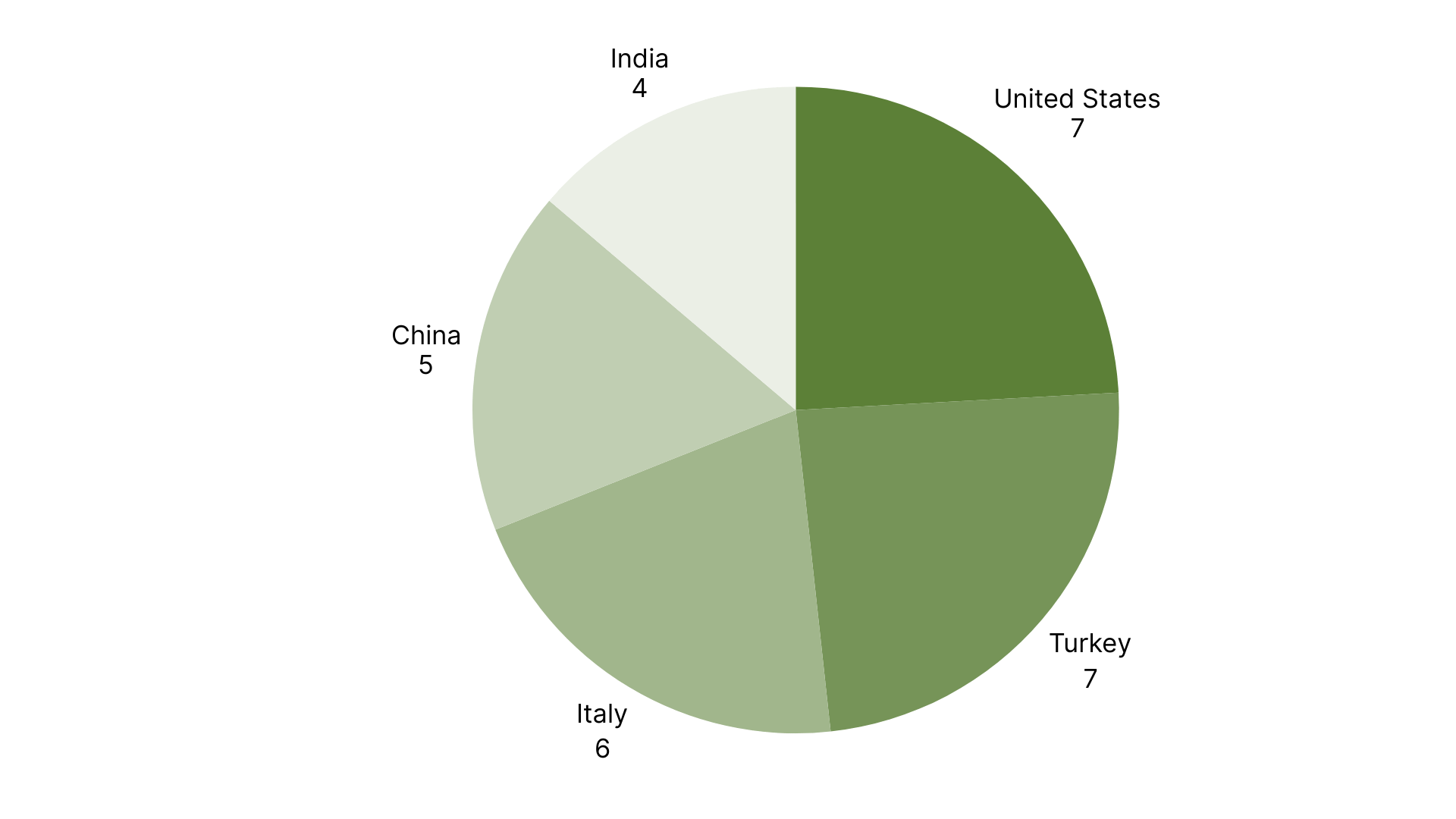
Graph 2: Top 5 Countries with the Most RASFF Alerts (Week 2)
This week’s map looks different depending on whether you are buying fresh produce or scanning the whole food market.
Fresh produce
- Turkey accounted for 6 of 14 produce notifications, driven mainly by dried figs and mycotoxins, plus one pesticide case in eggplant.
- Syria showed up twice in produce, once for pesticides in pomegranates and once for an unauthorised dye in pickled beets.
- Spain and Belgium remind buyers that internal EU supply is not “risk free”: oranges were flagged for an unauthorised pesticide substance, and frozen spinach for foreign material.
All categories
- United States (7) was largely tied to higher risk “value-added” segments in this dataset (supplements and mixed products), not field crops.
- Italy (6) mixed labelling, contaminants, and animal product issues, showing how processing and final presentation can create recalls even when raw materials are not the root cause.
- China (5) leaned heavily toward packaging, migration, or documentation-type issues in the notices recorded here, plus one tea-related chemical flag.
What this week should tell farmers and buyers
Last week exposed a more complex risk landscape than the previous one. Fresh produce alerts declined, but pathogen detections surged. Mycotoxins remained pervasive, yet infant formula contamination dominated headlines. Unauthorized additives appeared in bakery goods from developed markets, while pharmaceutical adulterants infiltrated supplements marketed as natural.
For produce buyers, the practical lesson is simple: do not build a single-issue control plan. This week’s data is split almost perfectly between mycotoxins, pesticides, and microbiological problems. A procurement strategy that focuses solely on pesticide testing or only concerns pathogens will still overlook a third of what is actually driving actions at the EU level.