
Your weekly food recall & compliance tracker w1/2026
The first days of a new year are usually slow. Ports reopen fully, inspectors return to routine checks, and supply chains start moving again after the holidays. Yet between December 29 and January 4, Europe’s food safety system was already busy.
In that single week, 58 alerts moved through the Rapid Alert System for Food and Feed. Individually, they look like isolated incidents. Taken together, they tell a familiar story about where pressure builds in global food trade and where it breaks.
This was not a week defined by pathogens sweeping across Europe. It was a week shaped by chemicals, paperwork, climate, and long supply chains that leave little margin for error.
Highlights at a glance
The first week's data paints a concerning picture of persistent contamination challenges:
- 58 total RASFF notifications across food and feed categories
- Fruits and vegetables dominated with 16 alerts (27.6% of total)
- Chemical contaminants led hazard types: mycotoxins and pesticide residues accounted for 57% of all notifications
- Turkey generated 9 notifications, with 7 involving mycotoxin-contaminated dried figs
- Banned pesticides persisted: chlorpyrifos appeared in 4 separate notifications despite EU prohibition since 2020
- Six countries represented 40% of alerts: Turkey, India, Egypt, Belgium, China, and Spain
The concentration of alerts in specific product-origin combinations offers a practical risk map for procurement decisions and quality control priorities.
Top product categories affected
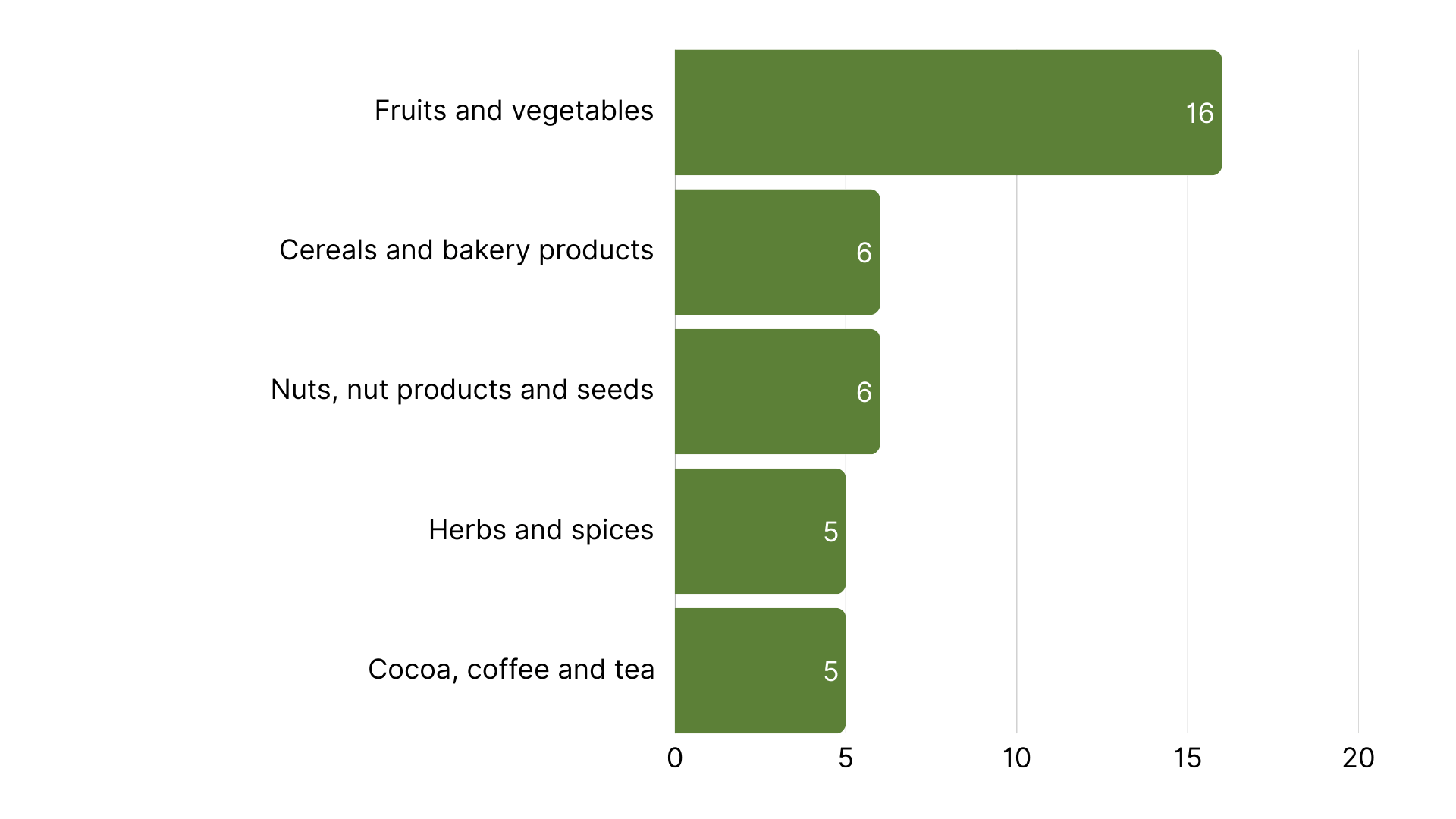
Graph 1: Top 5 Product Categories with the Most RASFF Alerts (Week 1)
Fresh produce set the tone in the first week of 2026. Fruits and vegetables accounted for 16 notifications, making them the most affected category. High winter import volumes combined with strict border checks mean perishable products face intense scrutiny from harvest through transport.
Fruits and vegetables
Turkish dried figs emerged as the single most problematic commodity, generating multiple alerts for aflatoxin B1, aflatoxin total, and ochratoxin A contamination. This recurring pattern extends a decades-long challenge for Turkish exporters who supply 60% of global dried fig production. Despite screening programs and a destruction initiative that rejected 1,500 metric tons during the 2024/25 season, mycotoxin contamination persists. Adverse weather conditions during harvest—particularly rainfall during critical drying periods—exacerbate fungal growth and toxin formation.
Strawberries from Egypt tested positive for oxamyl, a carbamate insecticide banned in the EU due to neurotoxic and carcinogenic properties. Detection rates for pesticides in Egyptian strawberries have surged dramatically, rising from 63% in 2022 to over 90% in 2023-2024. This sharp increase indicates intensified chemical reliance in production systems struggling to meet export quality standards while managing pest pressures.
Other fresh produce cases showed a similar pattern. Green beans from Kenya, peppers from Turkey, and dragon fruit from Vietnam all carried pesticide residues. The Vietnamese dragon fruit case involved multiple substances, highlighting the growing concern around combined residue exposure rather than single-chemical exceedances.
Cereals
Cereals and bakery products generated six alerts. Spanish quinoa was flagged for ethylene oxide, a fumigant banned in the EU, while Indian rice contained thiamethoxam residues.
Complete list of recalled fresh produce
Fruits and vegetables
- Dried figs (Turkey): Aflatoxin B1, total aflatoxins, ochratoxin A
- Strawberries (Egypt): Oxamyl
- Eggplants (Burkina Faso): Chlorpyrifos
- Grapes, white seedless (Moldova): Acetamiprid
- Dragon fruit (Vietnam): Chlorfenapyr, iprodione
- Green beans (Kenya): Hexaconazole
- Peppers, fresh (Turkey): Fosthiazate, flonicamid
- Truffles, fresh (China): Cadmium
- Spinach, frozen leaf (Belgium): Oxamyl
Cereal products
- Quinoa (Spain): Ethylene oxide
- Rice (India): Thiamethoxam
Herbs and spices
- Fenugreek leaves (India): Chlorpyrifos, tricyclazole
- Fennel seeds (Egypt): Chlorpyrifos-ethyl
- Oregano, dried (Turkey): Pyrrolizidine alkaloids
Nuts and seeds
- Pistachios, unshelled (Iran): Aflatoxin B1, total aflatoxins
- Groundnuts (Argentina): Aflatoxin B1, total aflatoxins
- Nutmeg (India): Aflatoxins
- Apricot kernels (Afghanistan): Cyanide
Geographic risk patterns
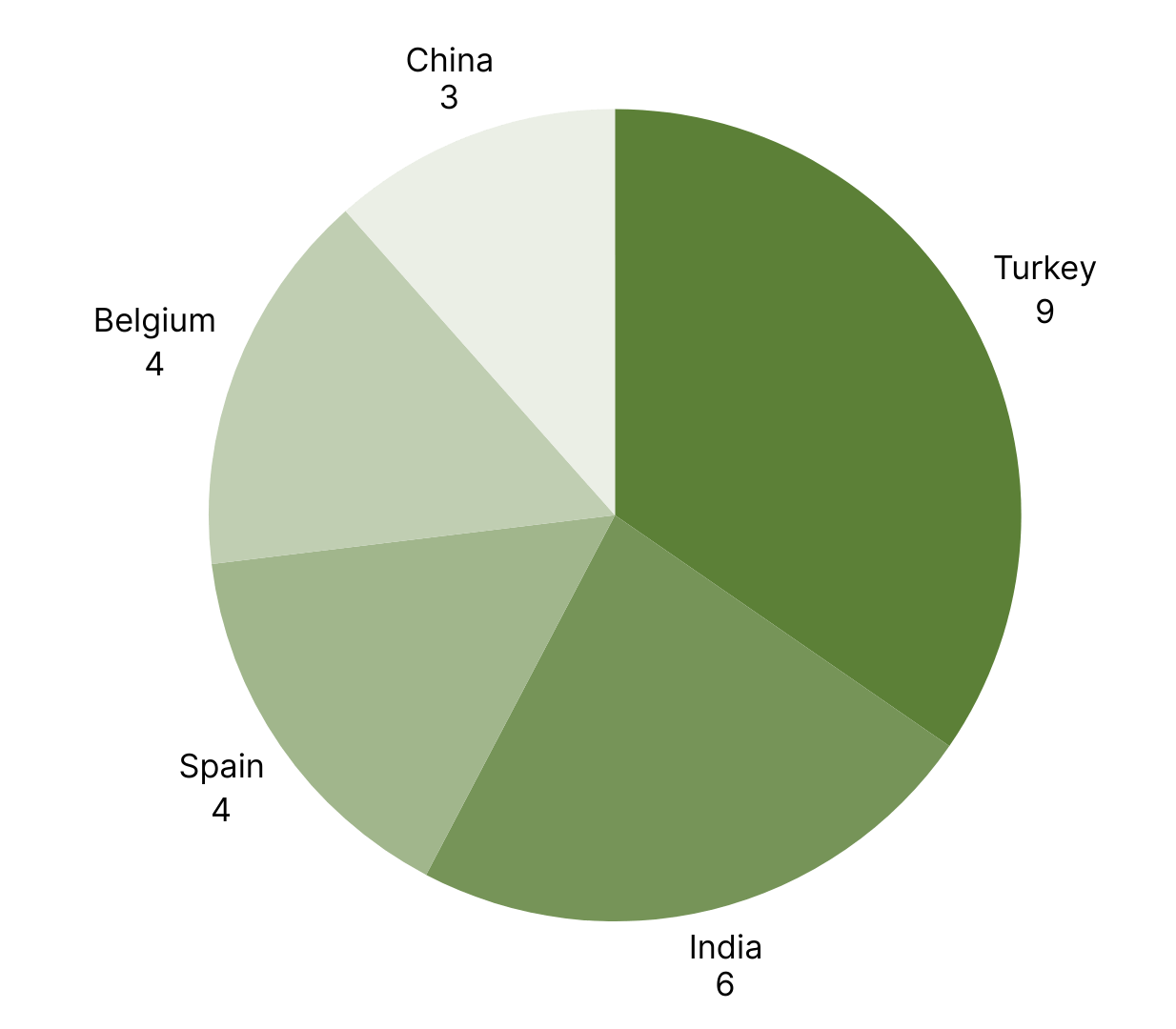
Graph 2: Top 5 Countries with the Most RASFF Alerts (Week 1)
In the first week of 2026, just six countries accounted for about 40% of all notifications. The alerts were not evenly spread. Each origin showed a clear and repeatable risk profile.
Turkey led the list, driven almost entirely by mycotoxins in dried figs. Seven of nine notifications targeted aflatoxin and ochratoxin contamination. This reflects Turkey’s dominant role in global fig production and the limits of sun-drying under unstable weather. Despite long-running prevention programs and large-scale product destruction, humid harvest conditions continue to undermine control efforts.
India followed with a mix of pesticide and compliance issues. Chlorpyrifos appeared again in fenugreek leaves, often alongside other residues such as tricyclazole, while rice and nutmeg triggered additional alerts.
Egypt’s alerts were narrower but consistent. All involved pesticide residues, mainly oxamyl in strawberries. Detection rates in recent years have risen sharply, pointing to heavier chemical use in winter production systems under strong export pressure. Once flagged, shipments tend to face closer scrutiny, raising costs and uncertainty for both exporters and buyers.
Within the EU, Belgium and Spain showed that food safety risks are not limited to imports. Belgium reported Listeria in meat products and residues in frozen vegetables, while Spain faced alerts for Salmonella, ethylene oxide, and undeclared allergens. These cases reflect processing and hygiene failures rather than agricultural ones, but the market impact is the same: recalls, loss of trust, and regulatory action.
Finally, China stood out for industrial contaminants rather than farm chemicals. Cetrimonium chloride in green tea and cadmium in fresh truffles point to processing hygiene gaps and soil contamination near industrial areas. For premium products marketed on purity, such findings are especially damaging.
What this week tells buyers and farmers
This was not an exceptional week. That is precisely the point.
The alerts highlight where pressure concentrates when trade resumes after the holidays: dried fruits sensitive to weather, winter vegetables grown under chemical pressure, complex supply chains held together by documents, and processing environments where small mistakes have large consequences.
For farmers, the message is uncomfortable but clear. Practices acceptable for domestic markets may collapse under EU scrutiny. For buyers, origin alone is no longer a sufficient risk filter. Product, season, and production system matter just as much.
The first week of 2026 did not bring new dangers. It reminded us of the old ones, quietly waiting for the next shipment to arrive.